Can Betta Fish Be in a Tank with Goldfish
Betta fish and goldfish have very different needs, making cohabitation risky. While a large, well‑filtered tank can sometimes work, most experts recommend keeping them separate to avoid stress, disease, and possible death.
Key Takeaways
- Different water parameters: Betta fish prefer warm, soft water; goldfish thrive in cooler, harder water.
- Size and aggression: Goldfish can outgrow and bully delicate bettas.
- Tank size matters: A minimum of 30 gallons is needed if you insist on mixing them.
- Filtration is critical: Goldfish produce a lot of waste, which can poison bettas.
- Alternative tank mates: Many peaceful community fish are safer companions for bettas.
- Monitor health closely: Look for signs of stress, fin damage, or disease daily.
- Consider separate tanks: The safest and simplest solution is to keep each species in its own properly sized tank.
📑 Table of Contents
- Introduction: A Common Question Among New Hobbyists
- Understanding the Basics: Betta vs. Goldfish
- When Mixing Might Work (And Why It’s Rare)
- Alternative Tank Mates for Bettas
- Step‑by‑Step Guide: Setting Up a Mixed Betta‑Goldfish Tank (If You Insist)
- Signs of Trouble: When to Separate the Fish
- Conclusion: Play It Safe for a Happy Aquarium
Introduction: A Common Question Among New Hobbyists
When you first set up a home aquarium, it’s natural to wonder whether you can combine the bright, flowing fins of a betta with the playful, gold‑shimmering body of a goldfish. The idea of a colorful, mixed‑species tank is appealing, especially for beginners who want to get the most “wow” factor for their money.
However, the short answer to “can betta fish be in a tank with goldfish?” is usually “no,” unless you meet very specific conditions. In this article we’ll break down the science behind each fish’s needs, explore the potential problems, and give you clear, step‑by‑step guidance on what to do if you still want to try.
Understanding the Basics: Betta vs. Goldfish
Temperament and Behavior
Betta fish (Betta splendens) are famously territorial. Males will flare their gills and attack anything they perceive as a rival, especially other fish with bright colors or long fins. Goldfish, on the other hand, are generally peaceful but can be boisterous swimmers. Their size and speed can unintentionally stress a betta.
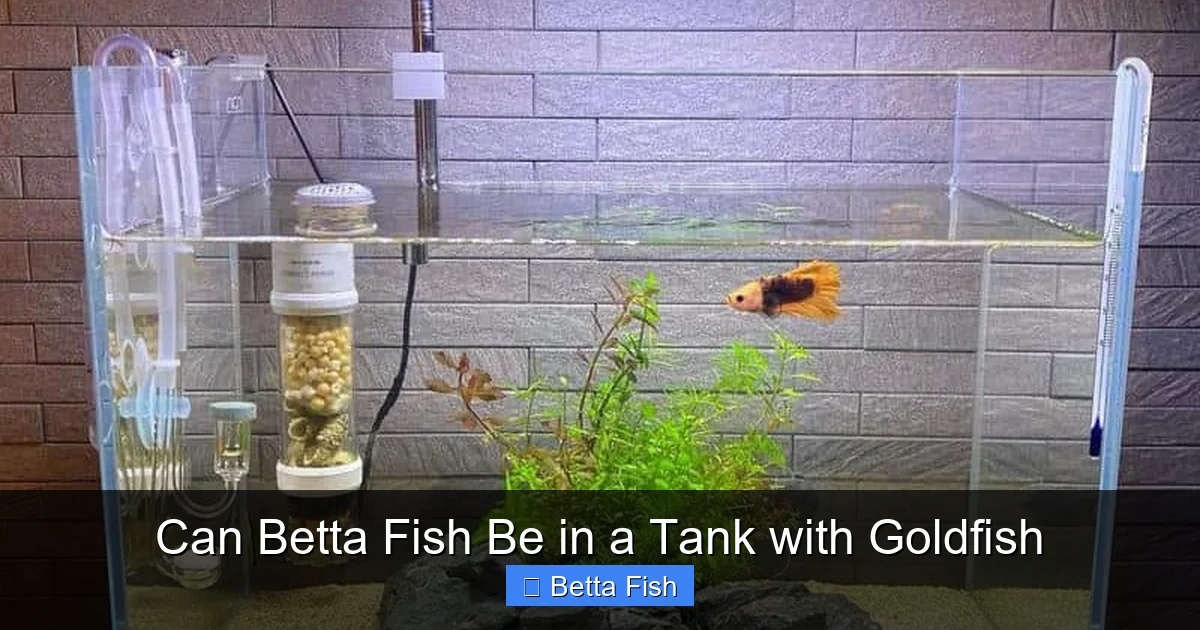
Visual guide about Can Betta Fish Be in a Tank with Goldfish
Image source: acaquarium.com
Water Temperature and pH Preferences
- Betta fish: 76‑82°F (24‑28°C), pH 6.5‑7.5, soft water.
- Goldfish: 65‑75°F (18‑24°C), pH 7.0‑8.0, harder water.
These differing ranges mean you would have to choose a compromise that is actually a compromise for neither. A temperature that is too low for the betta can slow its metabolism and weaken its immune system, while a temperature that’s too high for goldfish can shorten its lifespan.
Size and Waste Production
Adult goldfish can grow to 12‑18 inches and produce a massive amount of ammonia. Bettas stay under 3 inches and are very sensitive to poor water quality. If you keep them together, the goldfish’s waste quickly creates a toxic environment for the betta.
When Mixing Might Work (And Why It’s Rare)
Large, Heavily Filtered Tanks
If you have a minimum of a 30‑gallon tank with a powerful canister filter, you can sometimes keep a single male betta and a few small fancy goldfish (like Ryukins) together. The key is to maintain pristine water parameters and keep the temperature around 76°F – a temperature goldfish can tolerate, though it’s on the warm side for them.
Choosing the Right Goldfish
Fancy goldfish that are slower and have rounded bodies are less likely to nip at a betta’s fins. Avoid common goldfish or comet varieties that are fast swimmers; they may chase the betta and cause stress.
Providing Hiding Spaces
Use dense, live plants (like Java fern or Anubias) and decorations that create separate territories. This gives the betta a place to retreat when the goldfish is roaming.
Regular Maintenance
Perform 25‑30% water changes twice a week, test ammonia, nitrite, and nitrate levels daily, and clean the filter media regularly. This level of care is essential to keep the water safe for the delicate betta.
Why Most Experts Advise Against It
Even with the best set‑up, accidents happen. A goldfish may accidentally bite a betta’s fins, or the betta may become so stressed that it loses its colors and stops eating. The risk of disease transmission also rises because goldfish often carry parasites that are lethal to bettas.
Alternative Tank Mates for Bettas
Peaceful Community Fish
- Neon Tetras – small, fast‑swimming, and stay in the upper water column.
- Harlequin Rasboras – schooling fish that ignore the betta’s flares.
- Corydoras Catfish – bottom dwellers that keep to themselves.
These species share similar temperature ranges and are less likely to trigger a betta’s aggression.
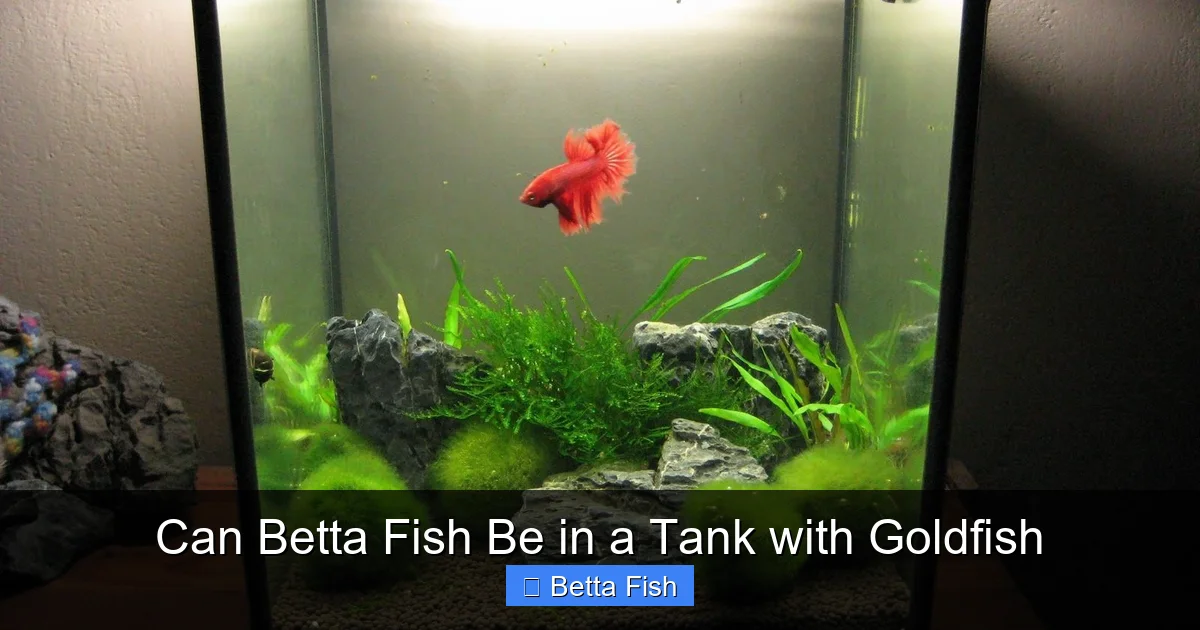
Visual guide about Can Betta Fish Be in a Tank with Goldfish
Image source: i.pinimg.com
Invertebrates and Snails
Snails such as Nerite or Mystery snails are excellent cleaners and generally ignored by bettas. For more information, see Can Snails Be In A Tank With Betta Fish.
Plants as Natural Barriers
Live plants not only improve water quality but also create visual barriers that reduce aggression. Consider floating plants like Duckweed or surface‑covering plants like Water Sprite.
Step‑by‑Step Guide: Setting Up a Mixed Betta‑Goldfish Tank (If You Insist)
Step 1: Choose the Right Tank
Pick a 30‑gallon (or larger) aquarium with a sturdy stand. Install a canister filter rated for at least 5× the tank volume.
Step 2: Cycle the Tank Properly
Allow the nitrogen cycle to complete (usually 4‑6 weeks). Test for 0 ppm ammonia, 0 ppm nitrite, and low nitrate before adding any fish.
Step 3: Adjust Temperature and pH
Set the heater to 76°F. Use a pH buffer if needed to keep the water around 7.0, a middle ground that both species can tolerate.
Step 4: Add Substrate and Plants
Use a fine gravel or sand substrate. Plant Java moss, Anubias, and a few tall stems of Amazon sword to create zones.
Step 5: Introduce the Goldfish First
Acclimate the goldfish slowly (the “drip method”) and give it a week to settle. Monitor its behavior and water parameters.
Step 6: Add the Betta
After a week, introduce the betta using a net to avoid direct water mixing. Keep an eye on any fin nipping or chasing.
Step 7: Ongoing Care
- Weekly 25‑30% water changes.
- Daily observation for stress signs.
- Monthly filter media cleaning.
If you notice persistent aggression, it’s best to separate them immediately.
Signs of Trouble: When to Separate the Fish
Physical Indicators
- Frayed or missing fins on the betta.
- White spots or ulcers on either fish.
- Rapid color fading in the betta.
Behavioral Indicators
- Betta constantly hiding or staying at the bottom.
- Goldfish chasing or bumping into the betta.
- Loss of appetite in either fish.
If any of these signs appear, move one fish to a separate, properly sized tank immediately.
Conclusion: Play It Safe for a Happy Aquarium
While the idea of a combined betta‑goldfish tank is intriguing, the reality is that their differing needs make cohabitation challenging. In most cases, the safest and most rewarding approach is to give each fish its own suitable environment. If you’re determined to try, follow the strict guidelines above, maintain impeccable water quality, and be ready to separate them at the first sign of trouble.
Remember, a thriving aquarium is built on understanding each species’ unique requirements. By respecting those differences, you’ll enjoy vibrant colors, healthy fish, and a stress‑free hobby for years to come.
Frequently Asked Questions
Can betta fish live with goldfish in a small bowl?
No. Small bowls cannot provide the filtration, temperature stability, or space needed for either species, especially when mixing them.
What size tank is the minimum for a betta and goldfish together?
A minimum of 30 gallons is recommended, with a strong canister filter and plenty of hiding places.
Do bettas and goldfish need the same water temperature?
Betas prefer 76‑82°F, while goldfish thrive at 65‑75°F. The only compromise is a warm 76°F, which is tolerable for some fancy goldfish but not ideal.
Can I feed the same food to both fish?
Betta food is protein‑rich and small‑pelleted, while goldfish need larger flakes or pellets. Feeding them separately prevents over‑ or under‑feeding.
Are there any fish that can safely live with both bettas and goldfish?
Finding a species that meets both temperature and temperament requirements is very difficult, so it’s best to keep bettas and goldfish in separate community tanks.
Where can I learn more about mixing bettas with other fish?
Check out our guide on Which Fish Can Live With Betta Fish In A Tank for a full list of compatible tank mates.