Are Betta Fish Active
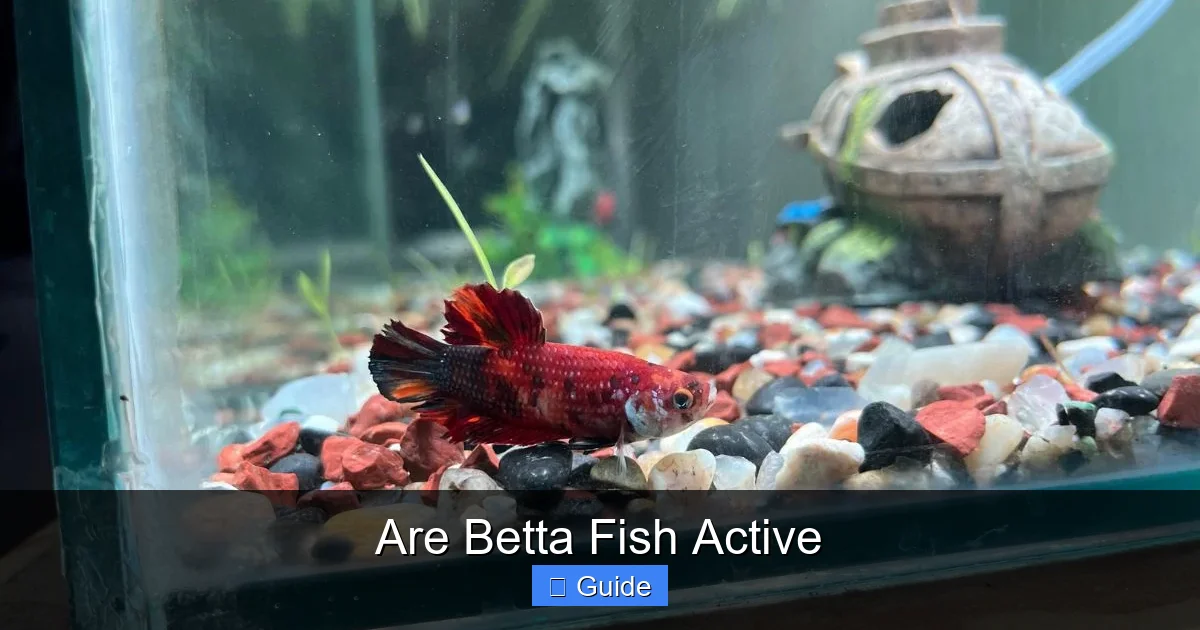
Are betta fish active? The answer is a definite yes, but with important nuances. Betta fish are naturally curious, territorial, and diurnal (active during the day), exhibiting behaviors like exploring, flaring, and building bubble nests. Their activity level is a direct reflection of their environment, health, and individual personality. A truly active betta is a sign of a well-stimulated and healthy fish, while persistent lethargy often points to poor water quality, inadequate tank setup, or underlying illness. Understanding these behaviors is key to providing proper care.
Key Takeaways
- Natural Instincts: Bettas are active by nature, stemming from their wild habits of defending small territories and hunting at the water’s surface.
- Environment is Everything: Tank size, decor, water quality, and temperature are the primary factors that either promote or suppress a betta’s natural activity.
- Activity = Health: Regular swimming, flaring, and exploration are key indicators of a healthy betta, while listlessness is a common red flag for stress or disease.
- Individual Personalities: Just like people, bettas have unique temperaments; some are consistently more energetic and outgoing than others.
- Stimulation is Crucial: A barren tank leads to a bored, inactive betta. Providing plants, hiding spots, and safe enrichment is essential for their wellbeing.
- Diurnal Rhythm: Bettas are most active during the day and will rest at night, often appearing motionless while sleeping on plants or the tank bottom.
[FEATURED_IMAGE_PLACEHOLDER]
📑 Table of Contents
- The Wild Betta: Understanding Natural Behavior
- What Makes a Betta “Active”? Key Factors
- Reading Your Betta’s Behavior: Signs of Health vs. Concern
- Debunking Myths: Are Betta Fish Lazy?
- How to Encourage Healthy Activity in Your Betta
- Activity as a Health Indicator: When to Worry
- Conclusion: A Active Fish is a Happy Fish
The Wild Betta: Understanding Natural Behavior
To truly understand are betta fish active creatures, we must first look at their origins. The beautiful betta fish, or Betta splendens, hails from the shallow, sluggish waters of rice paddies, ditches, and floodplains in Thailand and Cambodia. In this environment, they are not passive creatures. They are survivalists. The wild betta is a master of its tiny domain, a fierce defender of a small patch of plants or debris. Their activity is purposeful: patrolling borders, hunting insects and larvae at the water’s surface, and, for males, constructing intricate bubble nests to attract a mate.
This wild heritage explains so much of their captive behavior. They are built for short bursts of energy, not constant, frantic swimming like some schooling fish. Their labyrinth organ allows them to gulp air, so you’ll often see them dashing to the surface—a completely normal and active behavior. In the wild, conserving energy is smart, but they are far from lazy. They are alert, curious, and constantly engaged with their environment. When we ask are betta fish active in our homes, the answer depends entirely on whether we replicate the stimulating, albeit small, world they evolved to thrive in.
The Myth of the “Lazy” Betta
The stereotype of the betta fish as a lazy, decorative object in a tiny vase is not only cruel but biologically inaccurate. This myth persists because people often see them in unsuitable conditions—small, unheated bowls with no plants or space. In such an environment, a betta becomes depressed, its metabolism slows, and its instinct to patrol or explore is stifled. What looks like “laziness” is actually severe stress and boredom. A healthy betta in a proper setup will display a range of active behaviors that clearly answer are betta fish active with a resounding yes.
What Makes a Betta “Active”? Key Factors
So, what exactly does an active betta look like, and what controls this activity? Think of your betta’s energy level as a dashboard with several key gauges. The settings on these gauges—environment, health, and personality—determine the overall reading.

Visual guide about Are Betta Fish Active
Image source: buildyouraquarium.com
Tank Environment and Space
This is the single most important factor. A betta in a 1-gallon vase has nowhere to go and nothing to do. Its world is a single, unchanging point. Now, place that same fish in a 10-gallon tank with open swimming space, a forest of live or silk plants, caves, and a gentle filter. The transformation is immediate. The betta will begin to patrol the perimeter, investigate new plants, and dart playfully between hiding spots. They need horizontal space to swim and vertical/hiding space to feel secure. A well-decorated tank provides a complex landscape that encourages natural exploration, directly increasing positive activity.
Water Quality and Temperature
Bettas are tropical fish. Their ideal water temperature is between 76-82°F (24-28°C). In cooler water, their metabolism slows dramatically. They become sluggish, lethargic, and much less interested in food or their surroundings. This is not their natural active state; it’s a conservation response to cold stress. Similarly, poor water quality—high ammonia or nitrite levels—is a toxic irritant. It burns their gills, causes inflammation, and leads to listlessness as the fish struggles to cope. Clean, warm, filtered water is non-negotiable for an active, thriving betta. Regular water changes (25-50% weekly) are the cornerstone of maintenance.
Diet and Nutrition
You are what you eat, and this holds true for fish. A betta fed a poor diet of cheap flake food will lack the essential proteins and nutrients for vibrant color and robust energy. A proper diet for an active betta is high-quality, formulated pellets or frozen foods (like brine shrimp, daphnia, or bloodworms) as a primary staple. These are protein-rich and mimic their natural insect-based diet. A well-nourished betta is a curious and energetic betta, constantly on the lookout for its next meal—a key part of its active nature. Overfeeding, however, can lead to constipation and bloating, which makes them sluggish and prone to swimming upside down.
Lighting and Day/Night Cycle
Bettas, like most animals, operate on a circadian rhythm. They need a consistent light/dark cycle—roughly 10-12 hours of light and 10-12 hours of darkness. Constant light can be stressful and suppress natural rest periods, while constant darkness can disorient them. A proper cycle ensures they are active and alert during the “day” (light period) and can rest securely at night. Using a simple outlet timer for your tank light is one of the easiest ways to promote a healthy, predictable activity pattern.
Reading Your Betta’s Behavior: Signs of Health vs. Concern
Now that we know what fuels activity, we must become fluent in betta body language. An active betta is a communicating betta. Their behaviors are a direct window into their physical and mental state.

Visual guide about Are Betta Fish Active
Image source: nippyfish.net
The Spectrum of Normal Activity
An actively engaged betta will:
- Patrol its territory: Swims leisurely along the front glass or along plant lines, checking its “borders.”
- Explore: Investigates new decorations, plants, or anything introduced to the tank.
- Flare: Suddenly puff out its gills and spread its fins. This is not always aggression; it can be a sign of excitement, curiosity, or even a response to its own reflection (though mirror use should be limited).
- Surface for air: Regularly and gracefully swims to the top to gulp air. This is normal and necessary.
- Build bubble nests: Male bettas (and occasionally females) will create clusters of bubbles on the water’s surface. This is a sign of health, contentment, and breeding readiness, even without a female present.
- Eagerly eat: Approaches food quickly and with interest.
Red Flags: When Inactivity Means Trouble
Persistent changes from the above are cause for investigation:
- Listlessness/Lethargy: Hiding constantly at the top or bottom, not moving unless prodded. This is the #1 sign of poor water quality, incorrect temperature, or illness like dropsy or swim bladder disease.
- Clamped fins: Fins held tightly against the body instead of being gracefully spread. A classic sign of stress or sickness.
- Loss of appetite: Ignoring food for more than a couple of days.
- Erratic swimming: Swimming in circles, crashing into things, or floating upside down. This points to possible swim bladder issues (often diet-related) or severe neurological damage from toxins.
- Faded colors: Dull, pale colors are a stress response. Vibrant colors are a sign of a healthy, active fish.
If you see these signs, the first and most common culprit is almost always water quality. Test your water parameters immediately (ammonia, nitrite, nitrate, pH) and perform a partial water change.
Debunking Myths: Are Betta Fish Lazy?
Let’s tackle the big myth head-on. Are betta fish active by their very nature? Yes. Are they often kept in conditions that make them appear lazy? Absolutely. The “lazy betta” is a symptom of husbandry failure, not a breed trait.
Visual guide about Are Betta Fish Active
Image source: i.ytimg.com
The “Vase” Fallacy
The image of a betta in a small, plant-filled vase is pervasive but deeply flawed. In such a container, there is no horizontal swimming space, water temperature is unstable, and there is no filtration. The betta’s world is a tiny, lonely prison. Its inactivity is depression. It has no territory to patrol, no space to explore, and its immune system is compromised by poor water. This setup is a slow death sentence, not a “low-maintenance” home.
Activity vs. Constant Frenzy
Another misconception is that an “active” fish must be zipping around like a hyperactive tetra. This is not the betta’s style. Their activity is more deliberate, curious, and territorial. They are ambush predators, not marathon swimmers. A betta that slowly glides around its tank, investigates a leaf, flares at its reflection for a second, and then rests on a plant is exhibiting perfect, healthy activity. It’s about engagement, not endless motion.
How to Encourage Healthy Activity in Your Betta
You now know what active looks like and what stifles it. How do you actively promote it? It’s about creating a stimulating, secure, and healthy home.
Tank Setup: The Foundation
Start with a minimum of 5 gallons, but 10 is significantly better. This provides essential swimming space. Use a gentle filter (a sponge filter is ideal) to keep water clean without creating a current that stresses them—they are not strong swimmers against flow. Heavily plant the tank, especially the surface. Floating plants like dwarf water lettuce or frogbit are betta favorites, providing security, shade, and nesting material. Use silk or live plants throughout. Add smooth, non-abrasive decorations: ceramic pots, PVC pipes, caves, and driftwood. These create a complex environment with pathways to explore and places to hide. A secure lid is a must—they are accomplished jumpers.
Enrichment and Interaction
Once the physical space is set, add mental stimulation:
- Target Training: You can train a betta to follow a target (like a straw tip) for food. It’s fun bonding and provides mental exercise.
- Safe Toys: A clean ping-pong ball on the surface or a smooth, floating ring can be investigated. Avoid anything with sharp edges.
- Controlled Mirror Use: Briefly showing a betta its reflection (30 seconds to a minute) can trigger natural flaring and exercise. But do not leave a mirror in the tank constantly—this causes chronic stress as the betta cannot “defeat” the intruder.
- Vary the Routine: Occasionally move a plant or add a new, clean decoration (rinse with dechlorinated water) to give them a “new” environment to explore.
- Live Foods: Offering occasional live or frozen foods like daphnia or microworms encourages natural hunting behaviors. You can even use a feeding ring to make them chase food at the surface.
Consistent, High-Quality Care
None of the above matters without the basics: a stable temperature (use a reliable heater), impeccable water quality (test weekly, change regularly), and a high-quality diet. This is the bedrock of their energy. A stressed or sick fish cannot be active, no matter how many toys it has.
Activity as a Health Indicator: When to Worry
Your betta’s activity level is its most immediate and obvious health report. You should perform a daily visual check.
The Daily Observation Ritual
During feeding time, watch how they approach food. Are they eager? Do they swim up quickly? Do they eat with gusto? Note their general position. Are they patrolling? Resting on a leaf (normal)? Or are they clamped and hiding in the back corner? Any significant deviation from their normal, established baseline is a signal to investigate.
Common Health Issues Linked to Inactivity
- Swim Bladder Disorder: Often caused by overfeeding, constipation, or poor diet. The fish floats upside down, sideways, or sinks and struggles to maintain depth. Activity ceases.
- Fin Rot & Fungal Infections: Cause lethargy as the fish’s immune system battles the infection. Fins become ragged, discolored, or cottony.
- Ich (White Spot Disease): Causes irritation and lethargy. The fish may rub against objects (flashing) and become inactive as the parasite takes hold.
- Internal Parasites: Lead to wasting, listlessness, and poor appetite.
- Dropsy: A severe symptom of organ failure, causing extreme swelling and pineconing of scales. The fish becomes almost completely motionless near the top.
At the first sign of prolonged inactivity paired with any physical symptoms (clamped fins, spots, swelling, sores), act fast. Isolate the fish in a hospital tank, perform a major water change, and research the symptoms. Early intervention is critical. When in doubt, consult a veterinarian experienced with fish.
Conclusion: A Active Fish is a Happy Fish
So, are betta fish active? The evidence from their wild behavior, their complex body language, and their needs in captivity all point to a definitive yes. They are not the passive ornaments of myth. They are small, intelligent, and territorial predators who thrive on engagement, security, and pristine conditions. Their activity—whether it’s a slow patrol of their kingdom, a burst of flaring excitement, or the careful construction of a bubble nest—is the ultimate expression of their health and happiness. Your role as a caretaker is to provide the stage for this natural behavior: a spacious, warm, clean, and enriched environment. By observing and facilitating their activity, you move beyond basic care into the rewarding realm of truly understanding and appreciating one of the aquarium world’s most captivating personalities. An active betta isn’t just a pet; it’s a window into a fascinating behavioral world, right in your living room.
Frequently Asked Questions
Why is my betta fish not moving much?
The most common reasons are poor water quality, incorrect temperature (too cold), or illness. First, test your water parameters for ammonia, nitrite, and nitrate. Ensure your heater is maintaining 78-80°F. Look for other signs like clamped fins, faded color, or spots. If water and temperature are good, consider internal issues like swim bladder disorder or infection.
How can I make my betta fish more active?
Start with the fundamentals: upgrade to a larger tank (5+ gallons), add a heater to maintain tropical temperatures, and ensure excellent water quality with a filter and regular changes. Then, enrich the environment with plenty of live or silk plants (especially floating ones), caves, and smooth decorations to create a complex landscape to explore.
Do betta fish sleep, and if so, why do they look dead?
Yes, bettas sleep, often at night. They do not have eyelids, so their eyes remain open. They may rest motionless on a plant leaf, the substrate, or even floating at the top. This is normal. They can also sleep out of the water if a surface object allows it, thanks to their labyrinth organ. Look for slow, steady gill movement to confirm they are alive and resting.
Is my betta fish active enough in a 5-gallon tank?
A 5-gallon tank is the absolute minimum recommended and can be perfectly suitable for an active betta if it is well-decorated. The key is filling it with lots of plants (floating and rooted), providing open swimming space *and* hiding spots, and maintaining pristine water. A bare 5-gallon tank will still feel empty. A heavily planted 5-gallon tank offers more stimulation than a bare 10-gallon tank.
Should I use a mirror to encourage my betta to flare and be active?
Mirror use can be a useful, short-term tool for exercise and stimulation. Allow your betta to see its reflection for 30-60 seconds once a day. This triggers natural flaring and movement. However, do not leave a mirror in the tank permanently. Chronic exposure to a “rival” it cannot defeat causes extreme, unhealthy stress and can suppress its immune system.
Do betta fish activity levels change with age?
Yes. Very young bettas (fry) are often more fragile and less active. As they mature (6 months to 2 years), they typically reach their peak activity and color. In their senior years (3+ years), you may notice a gradual slowdown—less patrolling, more resting. This is normal aging. A sudden or severe drop in activity at any age, however, is a health concern.