Do Betta Fish Need a Light
Yes, betta fish do need a consistent light-dark cycle to regulate their circadian rhythm and reduce stress, but they do not require intense, specialized lighting. Their natural habitat is shallow, murky water with dappled sunlight, so bright, direct aquarium lights can harm them. The goal is to mimic a natural day/night cycle with a low to moderate intensity LED or fluorescent light for 8-10 hours daily. Avoid direct sunlight, which causes dangerous temperature swings and algae blooms, and always provide ample hiding spots for your betta to escape the light when needed.
So, you’ve set up the perfect betta tank. You’ve got the heater, the filter (or gentle water flow), the beautiful silk plants, and maybe a few tank mates you’ve researched thoroughly. But there’s one last piece of the puzzle that often causes confusion: the light. You see those stunning, vibrant bettas in photos under brilliant, crystal-clear water. It makes you wonder, do betta fish need a light to look and feel their best? The answer is a definitive yes, but with some very important, fish-specific caveats.
Understanding betta fish lighting isn’t about giving them a spotlight. It’s about mimicking the gentle, filtered environment of their native Southeast Asian waters. Get it wrong, and you can stress your fish, encourage algae, and even harm its health. Get it right, and you’ll have a calm, colorful companion displaying its natural behaviors. This guide will dive deep into everything you need to know about creating the ideal light setup for your betta, separating myth from science and giving you practical, actionable steps.
Key Takeaways
- Bettas need a cycle, not just light: A consistent 12-hour light/12-hour dark period is crucial for their sleep-wake cycle and overall health.
- Intensity is critical: Bettas thrive under low to moderate light intensity. Harsh, bright lighting causes stress, can dull their colors, and damages their sensitive eyes.
- Type matters: Standard LED or full-spectrum fluorescent aquarium lights are perfect. Avoid incandescent bulbs which generate excess heat.
- Direct sunlight is a major no-no: It leads to lethal temperature spikes, uncontrollable algae growth, and can burn your betta’s fins.
- Shade is a necessity: Your tank must have plenty of plants, decorations, or caves to create shaded areas where your betta can retreat from the light.
- Light serves your observation: The primary purpose of tank lighting is for you to see your betta and monitor water clarity, not to simulate a tropical sunbathing session.
📑 Table of Contents
- The Betta’s Natural Habitat: Understanding the Source
- Light in Captivity: Mimicking Nature, Not a Spotlight
- Types of Aquarium Lights: What’s Best for Your Betta?
- Setting the Perfect Schedule: Duration and Timing
- Creating a Light-Friendly Environment: Hiding Spots and Plants
- Special Considerations: Planted Tanks and Betta Colors
- Conclusion: It’s About Balance and Empathy
The Betta’s Natural Habitat: Understanding the Source
To answer do betta fish need a light in captivity, we must first look at where they come from. Betta splendens, the modern aquarium betta, originates from the shallow, stagnant rice paddies, slow-moving streams, and muddy ponds of Thailand, Cambodia, and Vietnam. These are not the clear, open waters of a tropical reef. They are often heavily vegetated, with thick surface plants like water lettuce and duckweed creating a dense canopy.
The Quality of Light in the Wild
This canopy does something crucial: it filters the intense tropical sun. The light that penetrates to the betta’s level is soft, dappled, and indirect. It’s rarely a uniform, bright illumination. The water itself is often tannin-stained from decaying plant matter (like Indian almond leaves), giving it a brownish tint that further diffuses and softens light rays. For a betta, the natural world is a place of shadows, gentle gradients of light and dark, and plenty of places to hide from any direct glare.
Circadian Rhythms and Day/Night Cycles
Just like humans, bettas have an internal clock, a circadian rhythm, that is regulated by light and dark periods. In the wild, this cycle is dictated by the sun. A predictable light-dark cycle tells their body when to be active (foraging, displaying) and when to rest. Disrupting this cycle with erratic lighting or constant light can lead to chronic stress, a weakened immune system, and erratic behavior like glass surfing or lethargy. So, the core need isn’t for “light” per se, but for a predictable rhythm of light and, critically, darkness.
Light in Captivity: Mimicking Nature, Not a Spotlight
Bringing this into your living room aquarium is where many well-meaning owners go wrong. The default LED light that comes with a standard aquarium kit is often far too bright for a betta-only tank. It’s designed for showcasing corals or brightly lit community tanks with fish that are adapted to open water. Your betta, coming from a world of shadows, is essentially being blinded by it.

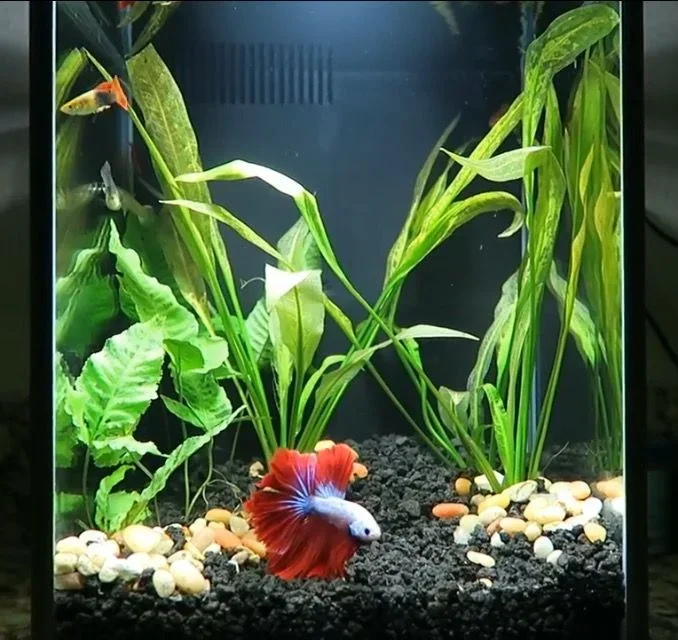
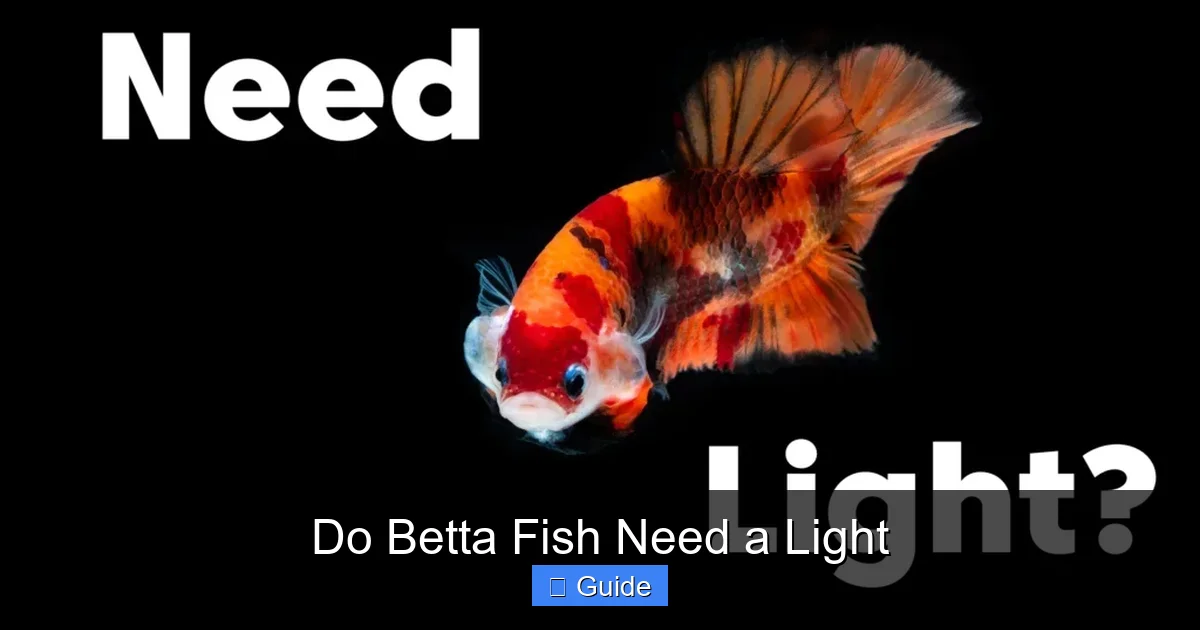
Visual guide about Do Betta Fish Need a Light
Image source: thegoldfishtank.com
The Dangers of Excessive Light
Why is a super-bright light so bad? First, it causes stress. A betta’s large, protruding eyes are sensitive. Constant exposure to intense light can lead to faded colors, clamped fins, and hiding behaviors. Second, it fuels algae. Bright light on a warm, nutrient-rich betta tank (which often has warmer water and less water movement) is a recipe for a green, brown, or blue-green algae nightmare that can coat the glass, decorations, and even your betta’s fins. Third, it can raise the water temperature if you’re using a heat-producing bulb, which is dangerous for a fish that already lives in warm water.
The Purpose of Your Aquarium Light
We need to reframe the purpose. The primary function of your betta tank light is for you. It allows you to see your beautiful fish, appreciate its colors and fin extensions, and monitor the tank for cleanliness, water clarity, and any signs of illness or distress. The secondary function is to support any live plants you have, which can benefit the ecosystem. The light is not there to “sunbathe” the fish. Thinking of it this way helps you choose a much more appropriate intensity.
Types of Aquarium Lights: What’s Best for Your Betta?
Not all lights are created equal. The technology you choose has a direct impact on suitability, heat output, and energy use.
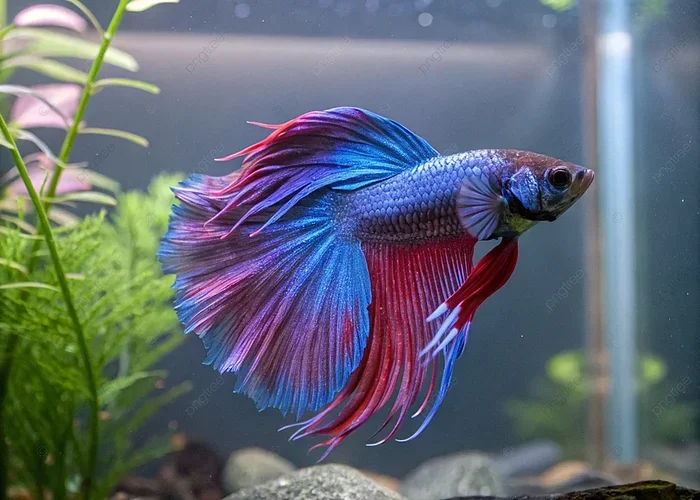
Visual guide about Do Betta Fish Need a Light
Image source: fishtanksetups.com
LED Lights: The Modern Gold Standard
LED (Light Emitting Diode) is the undisputed champion for betta tanks. They are incredibly energy-efficient, produce almost no heat (a huge benefit for warm betta water), and have a very long lifespan. Most importantly, high-quality LED fixtures allow you to dim the intensity. This is the single most important feature. You can set the light to a low or medium setting that provides enough illumination for viewing without overwhelming your betta. Look for “full-spectrum” LEDs, which provide a balanced light spectrum that is pleasing to the human eye and supports plant growth if you have them.
Fluorescent Lights (T5, T8)
These are the older tube-style lights. They are also low-heat and good for planted tanks. However, they are less energy-efficient than LEDs and often cannot be dimmed as easily. If using a fluorescent fixture, ensure it’s a low-wattage model and consider placing it on a timer to control the duration strictly. They are a viable option but are being phased out by superior LED technology.
What to Absolutely Avoid
Incandescent Bulbs: These old-school screw-in bulbs are terrible for aquariums. They produce immense heat, which will cook your betta’s water. They are also very inefficient and provide poor light quality. Never use one over a betta tank.
Direct Sunlight: This is public enemy number one. Placing your tank in a sunny window seems like a good idea, but it’s a disaster waiting to happen. The sun’s intensity is uncontrollable and will cause rapid, dangerous temperature fluctuations, fuel explosive algae growth, and create harsh, direct glare that will stress your betta. Your tank should be in a location with indirect ambient room light only.
Setting the Perfect Schedule: Duration and Timing
So you have the right light. Now, when and for how long should it be on? This is just as important as the light itself.
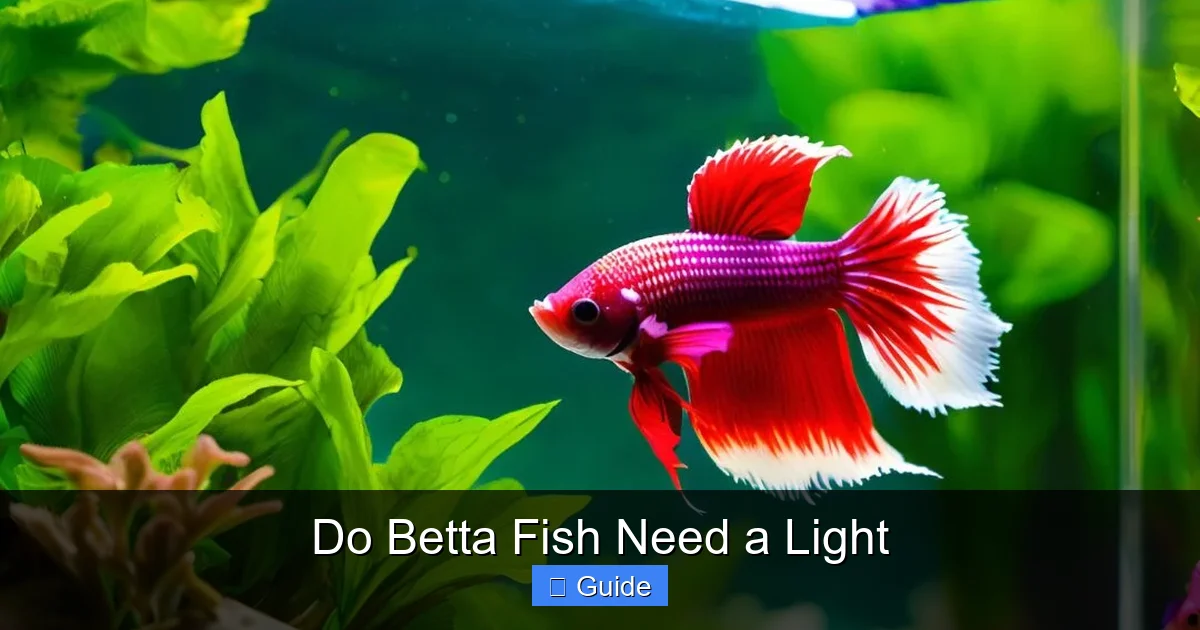
Visual guide about Do Betta Fish Need a Light
Image source: fishkeepertank.com
The 8-10 Hour Rule
Aim for a consistent photoperiod (light period) of 8 to 10 hours per day. This is plenty for you to enjoy your tank and for any live plants to photosynthesize, while still giving your betta a full 14-16 hours of darkness to rest. A common and effective schedule is turning the light on when you wake up in the morning and off when you leave for work, or on when you get home from work and off before bedtime. The key is consistency. Use a simple outlet timer ($10-15) to automate it. This removes human error and guarantees your betta has a reliable routine, which is a huge stress reducer.
The Importance of the “Dark Period”
Bettas do not have eyelids. They cannot close their eyes. For them, true rest only comes in complete darkness. A continuous light source, even if dim, can disrupt their sleep. The dark period is non-negotiable. It allows their bodies to reset, their immune systems to function properly, and their natural behaviors to normalize. If you have a particularly skittish betta, you might notice it becomes more active and exploratory as the light turns off and the tank settles into dusk.
Creating a Light-Friendly Environment: Hiding Spots and Plants
Even with perfect lighting settings, your betta needs control over its exposure. You must design the tankscape to provide escape from the light.
Why Shade is Non-Negotiable
Think of the dense vegetation in a betta’s wild home. It’s a maze of shadows. Your tank must replicate this. A betta that feels exposed and unable to find a dark corner will be chronically stressed. Stress is the #1 killer of aquarium fish, leading to susceptibility to diseases like ich or velvet. Providing shade is a fundamental welfare requirement.
Practical Ways to Create Shadow
Live or Silk Plants: Use a variety. Tall, broad-leaved plants like Amazon swords or artificial silk plants create overhead canopy. Place them strategically so one side of the tank is shadier than the other.
Driftwood and Rock Caves: Structures with overhangs or enclosed spaces provide deep shade. A piece of mopani wood or a hollowed-out rock is perfect.
Floating Plants: This is the single best way to create dappled, natural light. Floating plants like frogbit, water lettuce, or dwarf water lettuce sit on the surface and cast beautiful, moving shadows below. They also help absorb nutrients that would feed algae. (Note: Bettas sometimes build bubble nests among them, which is a great sign!).
Backgrounds: A dark, solid background on the back and sides of the tank can make the interior feel more enclosed and secure.
Special Considerations: Planted Tanks and Betta Colors
What if your goal is a lush, planted aquascape? Or you’ve heard that light can enhance your betta’s vibrant reds and blues?
Lighting for Planted Betta Tanks
You can absolutely have a thriving planted tank with a betta. The key is plant selection. Choose low-light, easy-care plants that thrive in the conditions your betta prefers: Java fern, Java moss, Anubias, Cryptocorynes, and Amazon swords. These plants do not require high-intensity lighting. You can use a dimmable LED on a low setting for 8 hours a day and they will grow slowly but steadily. This keeps the light level perfect for both the plants and your betta. High-light, high-tech planted tanks with CO2 injection are overkill and will create a stressful environment for your betta.
Does Light Make Bettas More Colorful?
There’s a common belief that brighter light makes betta fish more vibrant. This is a partial myth. A betta’s base coloration is genetic. However, a stressed betta will often fade and clamp its fins, appearing dull. A healthy, unstressed betta in optimal water conditions will display its full, natural color potential. Proper, non-stressful lighting is part of that optimal environment. Furthermore, lighting that is too bright can actually cause color loss over time due to stress. The vibrant photos you see are usually taken with professional photography lighting, not the fish’s permanent home lighting. Focus on health, not on forcing color through stress.
Conclusion: It’s About Balance and Empathy
So, do betta fish need a light? Yes. They need a predictable, gentle cycle of light and dark to thrive. But they do not need, and actively suffer from, the bright, aquarium-standard lights many of us default to. The solution is simple: use a dimmable LED light on a timer for 8-10 hours a day. Ensure your tank is a fortress of shade with floating plants, caves, and tall foliage. Never, ever use direct sunlight. By stepping back and asking, “What would the murky, shaded rice paddy be like?” you can create a lighting environment that supports your betta’s natural biology, reduces its stress, and allows its true, peaceful personality—and beautiful colors—to shine through in the soft glow of a perfect day.
Frequently Asked Questions
Can I leave my betta’s light on 24/7?
No. Bettas require a solid period of total darkness to rest properly, as they cannot close their eyes. A constant light causes severe stress, disrupts their sleep cycle, and can lead to health problems. Always use a timer to ensure 12+ hours of complete darkness daily.
Is natural sunlight from a window okay for my betta tank?
No, direct sunlight is one of the worst things for an aquarium. It causes rapid, dangerous temperature swings, promotes massive algae blooms, and creates intense, stressful glare. Your tank should be placed in a location with only indirect ambient room light.
Will an LED light overheat my betta tank?
Modern quality LED aquarium lights produce very little heat compared to older fluorescent or incandescent bulbs. They are the safest choice for a warm betta tank (78-80°F/25-27°C). Always check your light’s specifications and avoid placing it directly on a glass top without ventilation if concerned.
My betta hides all the time under a plant—is the light too bright?
Almost certainly. Constant hiding is a major sign of stress, and improper lighting is a very common cause. Your first step should be to dim the light further or reduce the photoperiod. Ensure there are multiple, deep hiding spots throughout the tank so your betta feels secure.
Does blue moonlight or “night light” mode disturb betta sleep?
Yes. Any light, even blue or red “night mode” LEDs, can be perceived by your betta and disrupt its sleep. True darkness is best. If you need to view the tank at night, use a separate, very dim, red-light flashlight briefly, but avoid leaving any colored light on in the tank.
How many hours of light is ideal for a betta with no live plants?
For a betta-only tank with artificial plants and ornaments, 8 hours of light is sufficient. This gives you a full viewing window during waking hours. You can even run it for 6 hours if your betta shows any signs of stress. The timer is your best friend for consistency.