Betta fish can thrive in a community tank—but only under the right conditions. Choose peaceful tankmates, provide plenty of space, and keep water parameters stable to prevent aggression and keep everyone healthy.
Key Takeaways
- Temperament matters: Male bettas are territorial; females are more social.
- Tank size is critical: A minimum of 20 gallons gives bettas room to establish territories.
- Choose compatible species: Small, fast‑swimming, non‑aggressive fish are the safest companions.
- Hideouts reduce stress: Plants, caves, and driftwood give bettas places to retreat.
- Water quality can’t be ignored: Keep temperature 76‑82 °F and maintain stable pH.
- Monitor behavior daily: Early signs of fin‑nipping mean it’s time to separate.
- Start slow: Add new fish gradually and always quarantine them first.
📑 Table of Contents
Introduction: The Betta’s Reputation and the Community Dream
When most people think of betta fish, they picture a single, flamboyant fighter flaring its fins in a tiny bowl. That image has turned the species into a solitary mascot in the hobby. Yet many hobbyists wonder, can betta fish be kept in a community tank without constant drama?
The short answer is yes—if you understand the betta’s natural behavior, pick the right tankmates, and set up the aquarium to meet everyone’s needs. In this guide we’ll walk through the science behind betta temperament, the ideal tank environment, which fish get along best, and step‑by‑step tips to create a peaceful community.
1. Understanding Betta Behavior
Male vs. Female Temperaments
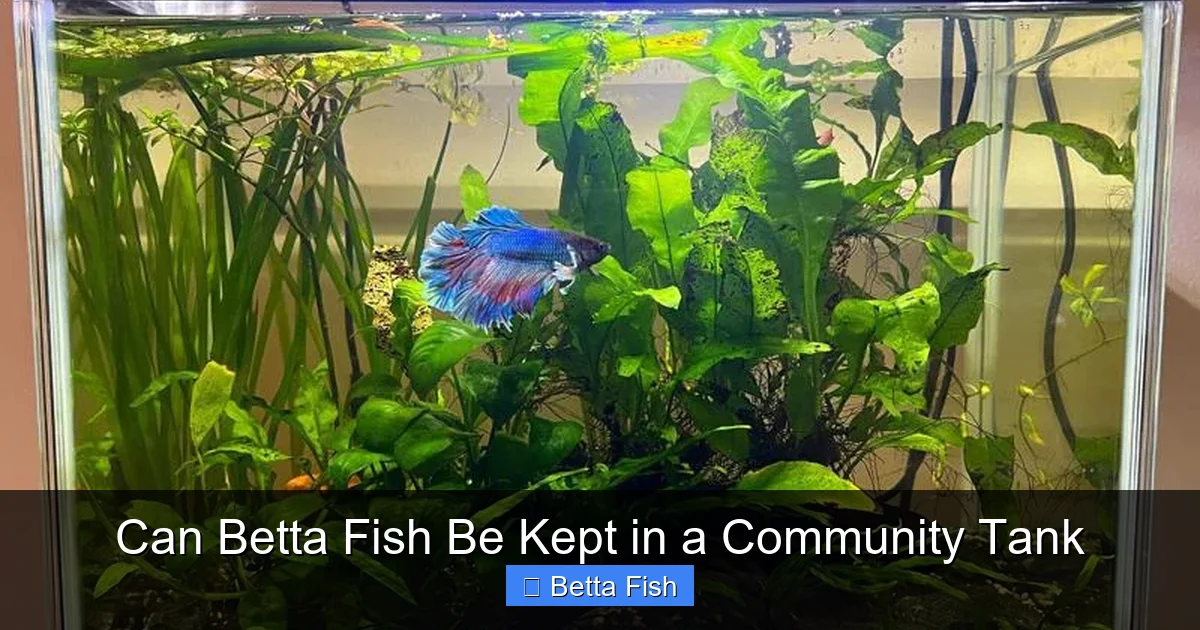
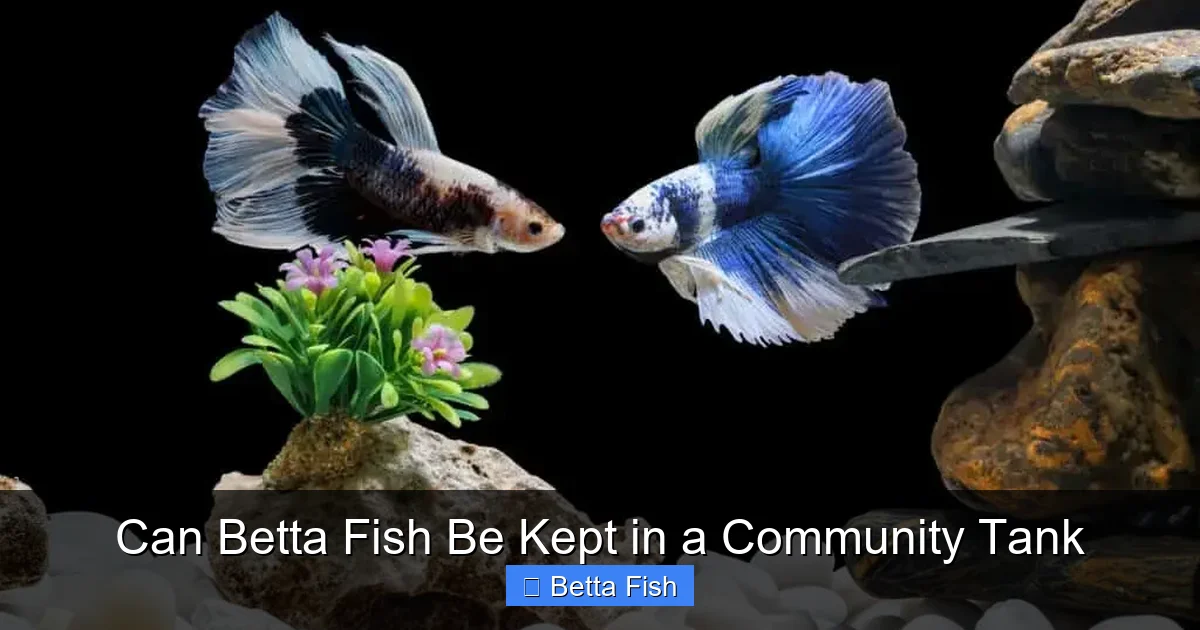
Male bettas (Betta splendens) are famously aggressive toward other males because they defend a territory in the wild. Females are less aggressive and can often coexist in groups called “sororities” when the tank is large enough.
Visual guide about Can Betta Fish Be Kept in a Community Tank
Image source: acaquarium.com
Why Aggression Happens
In nature, bettas live in shallow rice paddies and slow‑moving streams where visibility is limited. A bright flash of color signals a rival, and the fish reacts with a flare and chase. In a cramped aquarium, this instinct can turn into constant fin‑nipping.
Key Takeaway for Community Living
If you plan a community, a single male is usually the safest bet. A female or a group of females can be housed together, but you must provide at least 20 gallons and plenty of visual barriers.
2. Tank Size, Layout, and Water Conditions
How Big Should the Tank Be?
Research shows that a minimum of 20 gallons (75 liters) is ideal for a male betta in a community. This size gives enough horizontal space for each fish to claim a “personal zone.” For a sorority of females, consider 30 gallons to reduce stress.
Visual guide about Can Betta Fish Be Kept in a Community Tank
Image source: bettasource.com
Temperature and Filtration
Betta fish thrive at 76‑82 °F (24‑28 °C). Use a reliable heater and a gentle filter that creates a slow current—betas prefer calm water. A filter also keeps ammonia low, which is crucial for all community members.
Creating Hiding Places
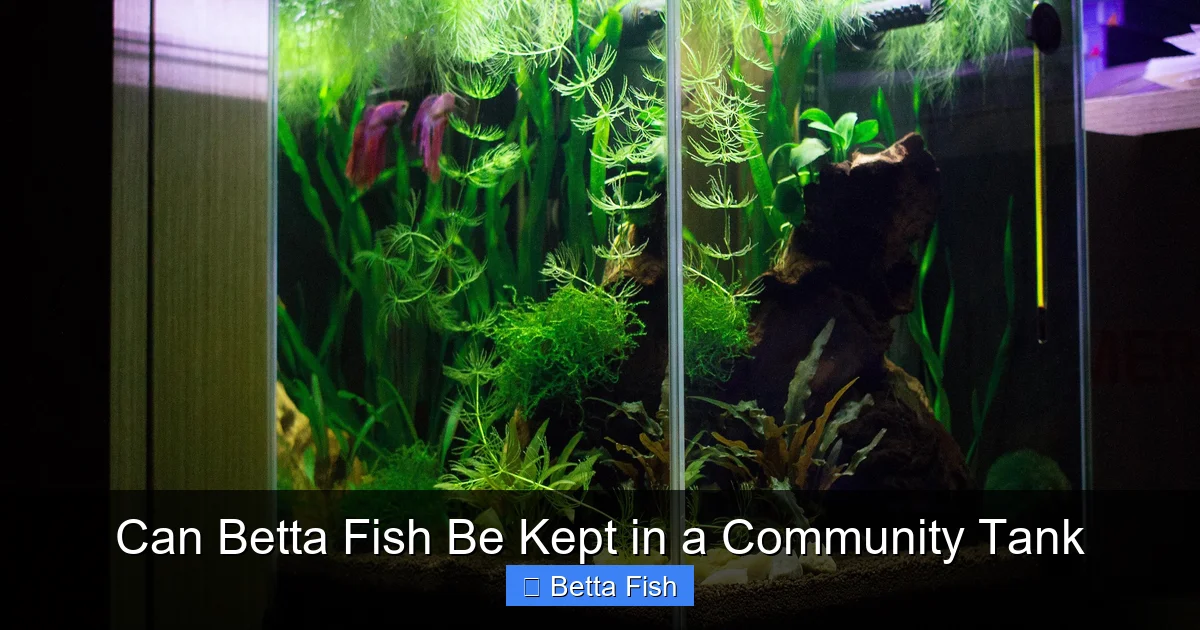
Live plants, silk plants, driftwood, and smooth rocks act as visual barriers. They break lines of sight, allowing a betta to retreat when it feels threatened. Aim for at least 30 % of the tank surface covered with foliage.
Water Quality Checklist
- Temperature: 76‑82 °F
- pH: 6.5‑7.5 (stable)
- Ammonia & nitrite: 0 ppm
- Nitrate: < 20 ppm
- Weekly 25‑30 % water changes
3. Choosing the Right Tankmates
Fish That Usually Get Along
Peaceful, mid‑to‑high‑swimers are the best companions. Here are some top picks:
Visual guide about Can Betta Fish Be Kept in a Community Tank
Image source: i.redd.it
- Neon tetras: Small, fast, and stay near the top.
- Harlequin rasboras: Schooling fish that add color without provoking bettas.
- Corydoras catfish: Bottom dwellers that keep the substrate clean.
- Otocinclus algae eaters: Tiny grazers that stay out of the betta’s way.
- Endler’s livebearers: Active and colorful, but keep the group size > 6.
For a full list of compatible species, see our article on Which Fish Can Live With Betta Fish In A Tank.
Fish to Avoid
Long‑finned or bright‑colored species such as guppies, fancy goldfish, and other bettas will likely trigger aggression. Also steer clear of slow swimmers like dwarf gouramis that share the same vertical space.
Snails and Invertebrates
Snails can be a great addition—they clean algae and are usually ignored by bettas. Learn more about safe snail choices in Can Snails Be In A Tank With Betta Fish.
4. Setting Up the Community Tank
Step‑by‑Step Setup Process
- Cycle the tank: Run the filter for at least 4‑6 weeks to establish beneficial bacteria.
- Arrange décor: Place plants and caves in a way that creates distinct zones.
- Introduce the betta: Acclimate slowly using the drip method to avoid shock.
- Add community fish: Introduce them in small groups after the betta has settled.
- Monitor daily: Watch for signs of stress—dull colors, hiding, or fin damage.
Quarantine Protocol
Always quarantine new fish for two weeks in a separate tank. This prevents diseases from spreading to your betta and other residents.
5. Managing Conflict and Maintaining Harmony
Spotting Early Warning Signs
Fin nipping, frayed edges, or a betta constantly flaring are red flags. If aggression escalates, be ready to rearrange décor or move the offending fish to a separate tank.
When to Separate
If the betta repeatedly attacks a specific tankmate, it’s safest to rehome that fish. A single aggressive male should never share a tank with another male betta—see our guide on Can More Than One Betta Fish Be In A Tank for details.
Regular Maintenance Tips
- Perform 25‑30 % water changes weekly.
- Trim plants to keep open swimming space.
- Test water parameters twice a week for the first month.
- Feed a varied diet—high‑quality pellets, frozen brine shrimp, and occasional blanched veggies.
Conclusion: A Balanced Community Is Possible
So, can betta fish be kept in a community tank? Absolutely—provided you respect the betta’s natural instincts, give it enough space, and choose peaceful companions. With a well‑cycled 20‑gallon (or larger) setup, plenty of hiding spots, and vigilant monitoring, you can enjoy the dazzling colors of a betta alongside a lively school of tetras or rasboras.
Remember, the key is patience. Start with a single male betta, add a few compatible fish, and watch the dynamics settle. When you see the betta swimming calmly and the community fish thriving, you’ll know you’ve created a harmonious aquatic world.
Frequently Asked Questions
Can a male betta live with other male bettas in a community tank?
No. Male bettas are highly territorial and will fight to the death. Only one male per tank is safe.
Are female bettas better for a community tank?
Yes. Females are less aggressive and can live in groups called sororities if the tank is at least 30 gallons and provides many hiding spots.
What tank size is the minimum for a community tank with a betta?
A minimum of 20 gallons is recommended for a single male betta with a few peaceful tankmates. Larger tanks give better stability.
Do bettas need a heater in a community tank?
Yes. Betta fish require stable temperatures between 76‑82 °F, and a heater ensures the whole community stays within that range.
Can I keep snails with my betta?
Snails are generally safe and can help clean algae. Choose hardy species like nerite or mystery snails and monitor for any unwanted nipping.
What are the signs that my betta is stressed in a community tank?
Signs include constant flaring, faded colors, loss of appetite, and damaged fins. If you notice these, re‑evaluate tank size, décor, or tankmates.

