Is Krill Oil or Fish Oil Better
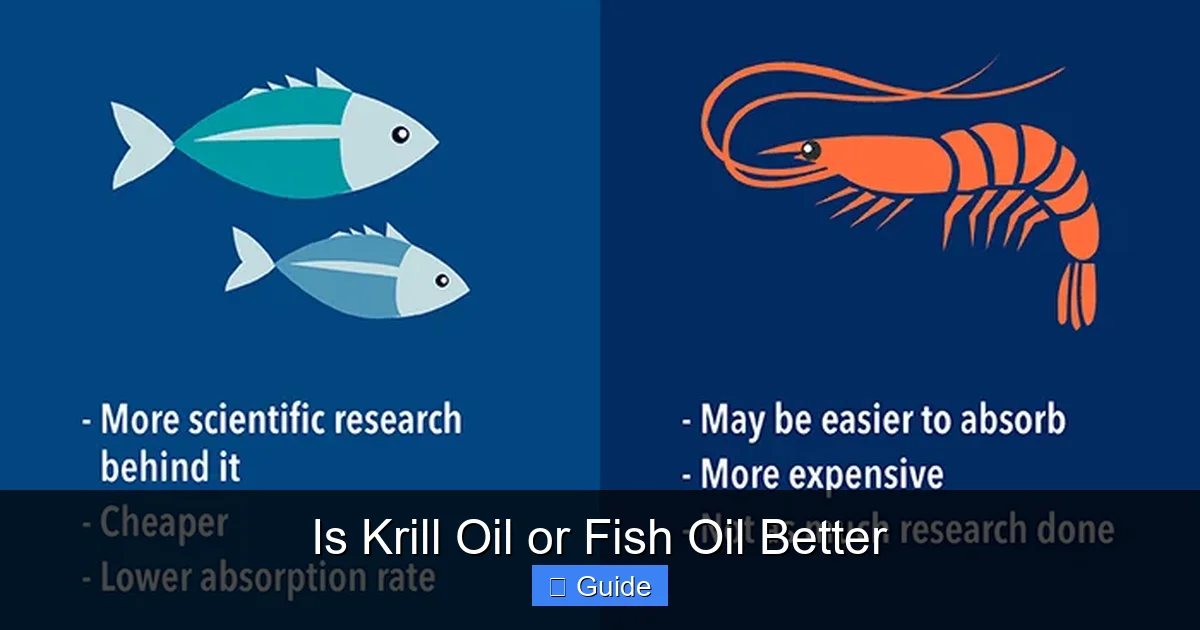
Both krill oil and fish oil are excellent sources of omega-3 fatty acids (EPA and DHA), but they are not identical. The primary difference lies in the chemical form: krill oil’s omega-3s are bound to phospholipids, while fish oil’s are triglycerides. This may influence absorption, and krill oil also contains the antioxidant astaxanthin. However, fish oil typically provides a higher concentration of EPA and DHA per serving and is often more affordable and sustainable. The “better” choice depends entirely on your personal health priorities, budget, and specific needs.
So, you’ve decided to add an omega-3 supplement to your routine. Great choice! These essential fatty acids, particularly EPA (eicosapentaenoic acid) and DHA (docosahexaenoic acid), are like a multi-tool for your body, supporting everything from your heart and brain to your joints and eyes. But as you stand in the supplement aisle, you’re faced with a modern dilemma: is krill oil or fish oil better? The bottles look similar, the promises overlap, but the prices and claims can be worlds apart. It’s enough to make you want to just eat another can of sardines and call it a day.
Let’s cut through the noise. This isn’t about declaring a universal winner. The “better” supplement is the one that aligns best with your unique health goals, your budget, and your personal values around sustainability. To help you decide, we’re going to do a deep dive into the science, the sourcing, the costs, and the practical realities of both krill oil and fish oil. By the end, you’ll have a clear, evidence-based framework to make the choice that’s right for you.
Key Takeaways
- Absorption Form: Krill oil delivers omega-3s in phospholipid form, which some studies suggest may be more easily utilized by your cells than the triglyceride form common in most fish oils.
- Antioxidant Content: Krill oil naturally contains astaxanthin, a powerful antioxidant that protects the oil from oxidation and may offer its own health benefits; most fish oils require added antioxidants.
- Purity & Contaminants: Both can be purified, but fish oil, especially from smaller fish and reputable brands, is often very clean. Krill, being lower on the food chain, generally accumulates fewer heavy metals and toxins like mercury.
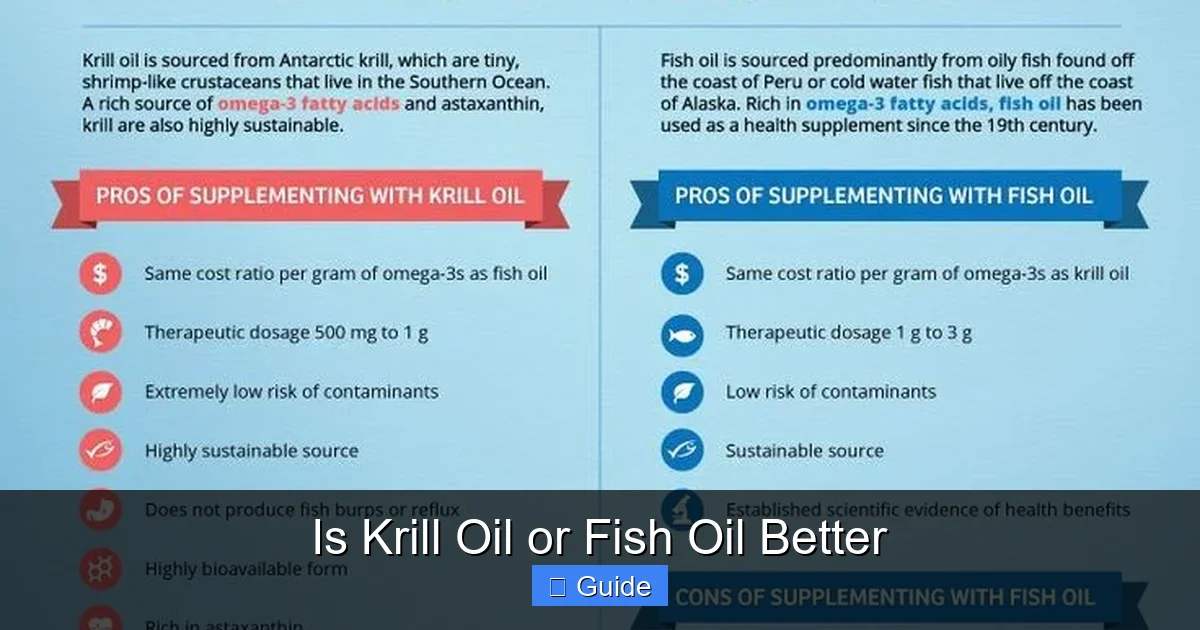
- Potency & Cost: Fish oil is usually far more cost-effective, providing significantly more EPA/DHA per gram and per dollar. Krill oil supplements are typically more expensive for a lower omega-3 dose.
- Sustainability Concerns: The sustainability of krill oil is hotly debated due to the massive scale of commercial krill fishing and its critical role in the Antarctic ecosystem. Many fish oil sources also face overfishing issues, but well-managed fisheries (like Alaskan salmon) offer certified sustainable options.
- Dietary Restrictions: Krill oil is not suitable for pescatarians who avoid shellfish, nor is it vegan. Fish oil is pescatarian-friendly but not vegan. Algal oil is the primary vegan DHA/EPA source.
- Individual Response: Some people report fewer fishy aftertastes and digestive issues with krill oil, likely due to its phospholipid structure and natural antioxidants, but experiences vary widely.
📑 Table of Contents
- Understanding the Star Players: EPA, DHA, and Omega-3s
- Head-to-Head: Comparing the Core Factors
- Beyond the Basics: Astaxanthin, Sustainability, and Cost
- Who Might Lean Toward Krill Oil? (And the Caveats)
- Who Is Best Served by Fish Oil? (The Pragmatic Choice)
- Making Your Decision: A Practical Checklist
- The Bottom Line: No One-Size-Fits-All
Understanding the Star Players: EPA, DHA, and Omega-3s
Before we compare the vessels, we must understand the cargo. Both krill oil and fish oil exist for one primary reason: to deliver the long-chain omega-3 fatty acids EPA and DHA. Your body cannot make these efficiently on its own; you must get them from your diet. Fatty fish like salmon, mackerel, and sardines are the classic sources, but most people don’t eat enough of them weekly to hit optimal levels.
EPA and DHA are the bioactive forms. They are the compounds that integrate into your cell membranes, reduce inflammatory processes, support neuronal health, and contribute to cardiovascular function. The key question isn’t “omega-3 or not?” but “how much EPA and DHA am I actually getting, and in what form?” This is where the fundamental difference between krill and fish oil begins.
The Chemical Split: Phospholipids vs. Triglycerides
This is the single most important scientific distinction. Think of fats as needing a “vehicle” to travel through your watery body and be absorbed into your cells.
- Fish Oil (Triglyceride Form): The vast majority of fish oil supplements contain omega-3s in a triglyceride (TG) structure. This is the same form fat takes when stored in your body or when you eat it in most foods. It’s efficient, but some research suggests your body must break this structure down and then reassemble it before incorporating it into cells.
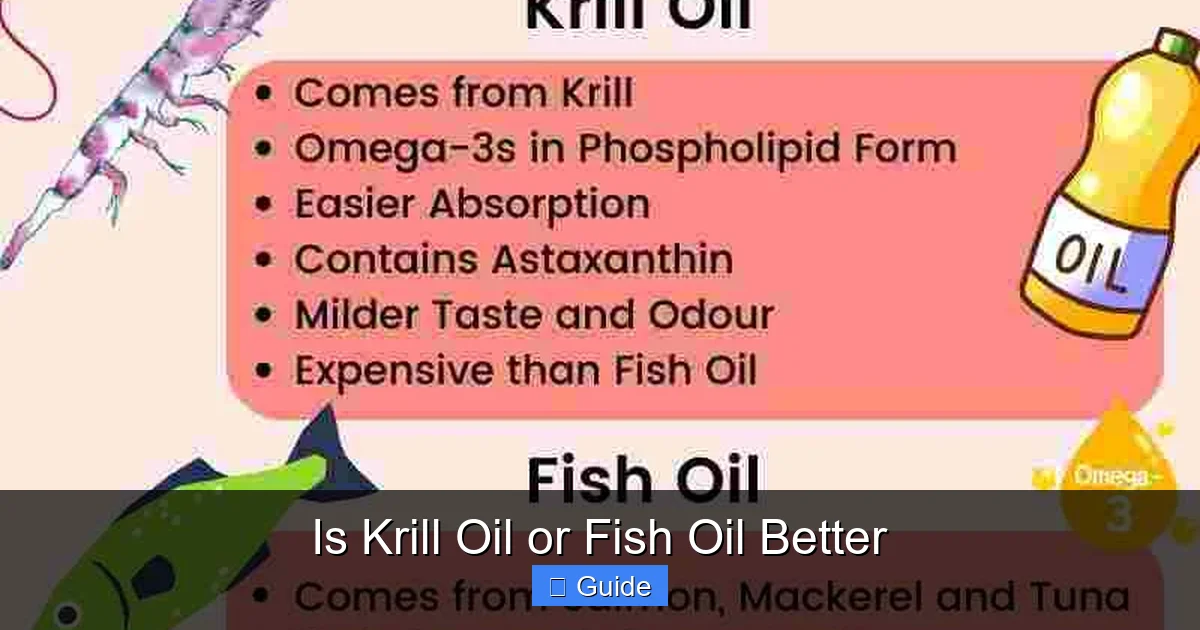
- Krill Oil (Phospholipid Form): Krill oil’s EPA and DHA are bound to phospholipids, specifically phosphatidylcholine. Phospholipids are a primary building block of your own cell membranes. This structure is theorized to allow for more direct and efficient integration into your cells, potentially requiring less processing by your digestive system. Several studies have shown krill oil can raise blood levels of EPA and DHA comparably to, or in some cases more efficiently than, fish oil at lower doses, but the research is not yet vast or entirely conclusive.
This difference in form is the bedrock of the krill oil vs. fish oil debate and influences everything from absorption to aftertaste.
Head-to-Head: Comparing the Core Factors
Now, let’s stack them up on the critical factors that matter to you as a consumer.
Visual guide about Is Krill Oil or Fish Oil Better
Image source: static.thip.media
Absorption and Bioavailability: Is One Form Truly “Better”?
The phospholipid advantage of krill oil sounds great in theory. A 2017 review in the journal Oleoscience noted that phospholipid-bound omega-3s may have superior bioavailability. However, “superior” is a strong word. The human body is remarkably adaptable. For most healthy people, the difference in absorption between well-made triglyceride and phospholipid forms is likely minimal in the long run. What matters more is taking your supplement with a meal that contains fat, which significantly boosts absorption for both types. The real-world takeaway? Don’t overpay for a theoretical absorption edge unless you have a specific malabsorption issue and have discussed it with your doctor.
Purity, Contaminants, and the “Fishy” Factor
This is a major practical concern. No one wants a supplement that gives them fish burps or, worse, contains harmful pollutants.
- Contaminant Load: Krill are tiny crustaceans at the bottom of the food chain. They simply don’t live long enough or eat other fish to accumulate high levels of mercury, PCBs, or dioxins. This gives krill oil a natural purity advantage. Fish oil, sourced from larger, longer-lived fish (like some cod liver oils), can contain these contaminants, which is why molecular distillation and third-party testing for purity are absolutely non-negotiable for any fish oil brand you buy. Reputable fish oil brands will be certified by organizations like IFOS (International Fish Oil Standards) or GOED, guaranteeing contaminant levels are far below safety thresholds.
- Oxidation (Rancidity): Both oils can oxidize (go rancid) if poorly processed or stored. Oxidized oils are pro-inflammatory—the exact opposite of what you want. Here, krill oil has a built-in protector: astaxanthin. This red carotenoid antioxidant (what gives shrimp and salmon their pink color) is naturally present in krill oil and helps stabilize the delicate fats. Most quality fish oils add antioxidants like vitamin E for the same purpose, but a natural package like krill’s is elegant. Always check the “best by” date and store oils in a cool, dark place.
- Taste & Aftertaste: The phospholipid structure and astaxanthin in krill oil often result in a much milder, less “fishy” experience. Many people who quit fish oil due to reflux or burps find krill oil more tolerable. Enteric-coated capsules for fish oil also solve this problem for many.
Potency: The EPA/DHA Showdown
This is where fish oil wins decisively for most people seeking a therapeutic dose. A typical krill oil softgel might contain 50-150 mg of combined EPA and DHA. In contrast, a standard fish oil softgel commonly provides 300-500 mg, and concentrated “high-potency” versions offer 600-1000 mg or more. To get a clinically studied dose of 1000-2000 mg of EPA/DHA daily (common for heart health or inflammation), you would need to take a large number of krill oil capsules, which is impractical and expensive. For sheer, cost-effective omega-3 potency, fish oil is the heavyweight champion.
Beyond the Basics: Astaxanthin, Sustainability, and Cost
The comparison doesn’t end at EPA/DHA numbers. Two other massive factors are sustainability and overall value.
Visual guide about Is Krill Oil or Fish Oil Better
Image source: i.pinimg.com
The Astaxanthin Advantage (Krill Oil)
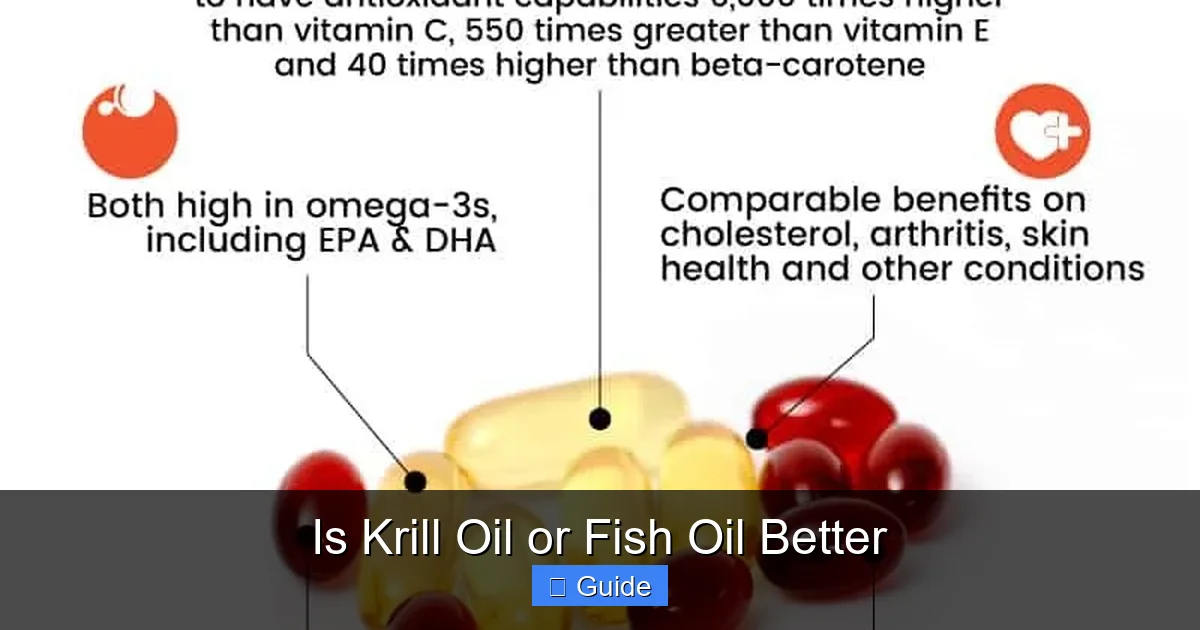
Astaxanthin is a superstar antioxidant, far more potent than vitamin E or beta-carotene. In krill oil, it serves a dual purpose: protecting the oil and providing a potential bonus health benefit. Research links astaxanthin to support for eye health, skin health, and exercise recovery. However, the amount in a standard krill oil dose (typically 50-200 mcg) is much lower than what’s used in standalone astaxanthin supplements (4-12 mg). You’re getting a beneficial sprinkle, not a full serving.
The Sustainability Spotlight: A Complex Issue
This is arguably the most emotionally charged and important difference for ethically-minded consumers.
- Krill Oil: The Antarctic krill fishery is managed by the Commission for the Conservation of Antarctic Marine Living Resources (CCAMLR), which sets strict catch limits. However, environmental groups like Greenpeace and Sea Shepherd argue that even the current catch (around 200,000-300,000 tonnes annually) is too high. They fear industrial-scale krill harvesting disrupts the fragile Antarctic ecosystem, as krill are the primary food source for whales, seals, penguins, and seabirds. The fishery has grown rapidly, and certification bodies like MSC (Marine Stewardship Council) have certified it, but this remains controversial. If you choose krill oil, seek brands that are transparent about their specific fishery and commitment to minimal ecosystem impact.
- Fish Oil: Sustainability varies wildly by source. Some fisheries are impeccably managed and sustainable (e.g., Alaskan salmon, certain anchovy/sardine fisheries in Peru and Morocco). Others are plagued by overfishing and bycatch. The key is to look for certification. Reputable brands will proudly display seals from the MSC, Friends of the Sea (FOS), or the Environmental Defense Fund (EDF) seafood selector. Opt for oils derived from smaller, short-lived, abundant fish like anchovies, sardines, and mackerel, which are generally more sustainable than large predatory fish.
Cost Per Milligram of EPA/DHA: The Math Matters
Let’s be blunt: krill oil is expensive. A bottle of 60 softgels might cost $30-$50 and provide a total of 3-9 grams of combined EPA/DHA for the whole bottle. A bottle of high-quality fish oil with the same price might provide 30-60 grams of EPA/DHA. You are paying a significant premium for the krill’s phospholipid form, astaxanthin, and perceived purity. For someone needing a high daily dose for a specific health condition, fish oil is almost always the financially sensible choice. For a general wellness dose (250-500 mg EPA/DHA), the cost difference may be justifiable if you prioritize the form and experience.
Who Might Lean Toward Krill Oil? (And the Caveats)
Krill oil is not a fad, but it’s a niche product for specific preferences.
Visual guide about Is Krill Oil or Fish Oil Better
Image source: draxe.com
- The “Sensitive Stomach” Crowd: If you’ve tried multiple fish oils and still experience reflux, burps, or digestive discomfort, krill oil’s different structure is absolutely worth a trial. The aftertaste is often described as less “fishy.”
- Those Prioritizing “Natural” Antioxidants: If you want your omega-3 supplement to come with its own built-in stabilizer and a bonus antioxidant, krill oil delivers that package deal.
- Individuals with Shellfish Allergies: Important Caveat: Krill are crustaceans, related to shrimp and crab. People with a true shellfish allergy should avoid krill oil due to the risk of cross-reactivity. Always consult your allergist.
- Lower Dose Users: If your healthcare provider has recommended a modest dose (e.g., 250-500 mg total omega-3s) for general maintenance, the cost and capsule count of krill oil may be manageable.
Who Is Best Served by Fish Oil? (The Pragmatic Choice)
Fish oil remains the gold standard for a reason, and for most people seeking a tangible health impact, it’s the practical powerhouse.
- Anyone Needing a Therapeutic Dose: For lowering triglycerides, supporting joint health in arthritis, or following a cardiologist’s recommendation for high-dose omega-3s (1000-2000+ mg EPA/DHA daily), fish oil’s potency is essential. You cannot get this dose from a reasonable number of krill capsules.
- The Budget-Conscious Shopper: You get dramatically more value for your money with fish oil. You’re paying for the active ingredients, not the packaging.
- Pescatarians (but not Shellfish-Avoiders): Fish oil is perfectly aligned with a pescatarian diet. Krill oil, being from a crustacean, is a gray area for some.
- The Sustainability Advocate (When Chosen Wisely): By selecting a fish oil from a certified sustainable, small-fish source, you can make a choice you feel good about. The traceability in well-managed fisheries can be superior to the vast, remote Antarctic krill fishery.
- Those Who Cook with Fish Oil: While not for high-heat cooking, some brands of liquid fish oil can be added to smoothies or salads, offering versatility that softgels do not.
Making Your Decision: A Practical Checklist
Forget “better.” Think “best for you.” Walk through this checklist next time you’re comparing bottles:
- Check the Label for EPA/DHA Amounts: Ignore the “Fish Oil 1000 mg” or “Krill Oil 500 mg” headline. Flip the bottle and find the small print that says “Amount per serving: EPA ___ mg, DHA ___ mg.” This is the only number that matters. What is your target daily dose?
- Verify Purity & Freshness: Look for third-party testing seals (IFOS, GOED). For fish oil, “molecularly distilled” is a key phrase. For both, check the “best by” date—the fresher, the better.
- Consider Your Budget & Capsule Count: Divide the price by the total grams of EPA/DHA in the bottle. How much are you paying per gram? How many capsules will you need to swallow daily?
- Ask About Sustainability: Does the brand name its fishery? Do they have MSC, FOS, or another credible certification? If they are vague, consider it a red flag.
- Listen to Your Gut (Literally): If aftertaste is a deal-breaker, look for enteric-coated fish oil or try a small bottle of krill oil first. Start with one capsule with a meal.
- Consult a Professional: Especially if you are on blood thinners (like warfarin), have a bleeding disorder, or are pregnant/breastfeeding, talk to your doctor or a registered dietitian before starting any omega-3 supplement.
The Bottom Line: No One-Size-Fits-All
So, is krill oil or fish oil better? The answer is a firm “it depends.”
Think of fish oil as the reliable, high-volume workhorse. It’s the most potent, cost-effective way to boost your EPA and DHA levels for specific health outcomes. Its main challenges are potential for minor digestive issues and the critical need to choose a pure, sustainable brand.
Think of krill oil as the premium, all-in-one package. It offers a potentially more absorbable form of omega-3s, a natural antioxidant, and very low contaminant risk, often with a cleaner experience. Its drawbacks are its high cost and significantly lower omega-3 concentration per serving, making it less ideal for high-dose needs.
For the vast majority of people seeking the cardiovascular, cognitive, and anti-inflammatory benefits of omega-3s, a high-quality, high-potency, sustainably sourced fish oil is the most logical and economical starting point. If you find you can’t tolerate it, or if you are taking a very low dose for general wellness and have the budget, then krill oil is a perfectly valid, and for some, superior alternative.
The best supplement is the one you will take consistently, that fits your health protocol, and that you can afford. Use this guide to read labels critically, understand what you’re buying, and make a choice that empowers your health without emptying your wallet or harming the planet.
Frequently Asked Questions
Can I take krill oil and fish oil together?
Yes, you can take both, but it’s usually unnecessary and would be costly. The goal is to reach a total daily intake of EPA and DHA, not to take both forms. Choose one based on your needs and ensure your total dose from that single product meets your target. Combining them could easily lead to an excessive dose.
Is krill oil vegan or vegetarian?
No. Krill are small crustaceans, similar to shrimp, so krill oil is not vegan or vegetarian. It is considered pescatarian. For a vegan source of DHA and EPA, you must look for algae-based (algal oil) supplements.
Will krill oil or fish oil cause “fish burps”?
Fish oil is more commonly associated with fishy aftertaste and reflux due to its triglyceride form. Krill oil’s phospholipid structure and natural astaxanthin antioxidant often result in far fewer reports of this issue. However, individual experiences vary. Taking either with a substantial meal containing fat helps immensely. Enteric-coated fish oil capsules are also designed to prevent this problem.
How much krill oil or fish oil should I take daily?
There is no universal dose. For general health maintenance, 250-500 mg of combined EPA and DHA daily is a common target. For specific conditions like high triglycerides, doses of 2000-4000 mg of EPA/DHA daily are used under medical supervision. Always check the label for the actual EPA/DHA content per serving, not the total oil weight. Consult a healthcare provider for personalized advice.
Is krill oil or fish oil safe during pregnancy?
Both can be safe and beneficial during pregnancy, as DHA is crucial for fetal brain and eye development. However, purity is paramount. Choose a brand with rigorous third-party testing for contaminants (mercury, PCBs). Fish oil from small fish (like anchovies/sardines) or reputable algae oil are excellent, well-studied choices. Discuss any supplement with your obstetrician.
How should I store my omega-3 supplements?
Always store both krill oil and fish oil in a cool, dark place—refrigeration is ideal after opening, especially for liquid forms. Heat, light, and air accelerate oxidation (rancidity). Smell the oil if you’re unsure; a strong, pungent, “fishy” or sour smell indicates it has gone bad and should be discarded. Do not use expired products.