Can a Hermit Crab in a Betta Fish Get Along

Wondering if a hermit crab can share a home with a betta fish? In most cases the two species do not get along because of different water needs and natural behaviors. Learn how to set up a safe environment, what signs to watch for, and better tank‑mate alternatives.
Key Takeaways
- Different habitats: Hermit crabs need brackish or saltwater, while bettas thrive in fresh, warm water.
- Temperament clash: Betta fish are territorial and may nip at a crab’s legs.
- Water parameters: Matching pH, salinity, and temperature for both species is nearly impossible.
- Alternative companions: Snails, shrimp, or peaceful fish are safer tank‑mates for bettas.
- Observation is key: Any mixed tank requires daily monitoring for stress signs.
- Legal and ethical note: Keeping incompatible species together can lead to injury or death.
- Best practice: Keep hermit crabs in a separate, properly cycled brackish tank.
📑 Table of Contents
Introduction: A Curious Pair
If you’ve ever watched a hermit crab crawl across a rock and a betta flash its fins, you might wonder whether those two could become roommates. The question “can a hermit crab in a betta fish get along?” pops up on forums, in pet stores, and among hobbyists looking for a unique aquarium.
Both creatures are popular, low‑maintenance pets, but they come from very different worlds. Betta fish (also called Siamese fighting fish) are freshwater dwellers that love warm, still water. Hermit crabs, on the other hand, are terrestrial crustaceans that need a moist, salty environment and plenty of places to hide.
In this article we’ll break down the science, share real‑world examples, and give you a step‑by‑step guide on how to decide whether to keep them together—or keep them apart.
Understanding the Basics of Each Species
Betta Fish: Habitat and Behavior
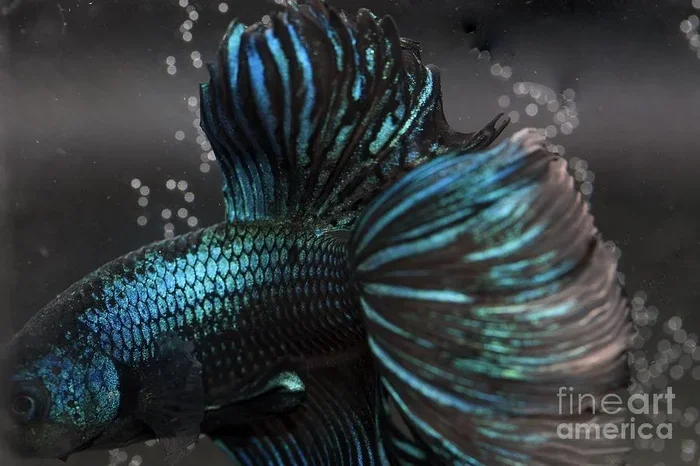
Betta fish are native to shallow rice paddies and slow‑moving streams in Thailand. They thrive in water that is:

Visual guide about Can a Hermit Crab in a Betta Fish Get Along
Image source: petshun.com
- Temperature: 76‑82°F (24‑28°C)
- pH: 6.5‑7.5
- Soft to medium hardness
They are known for their aggression toward similar‑looking fish and will defend any perceived territory. A single male can be especially feisty.
Hermit Crabs: Habitat and Needs
Most pet hermit crabs are from tropical coastal regions. They require:
- Brackish or slightly salty water (1‑3% salinity)
- Humidity above 70%
- A land area with sand, climbing structures, and shells for growth
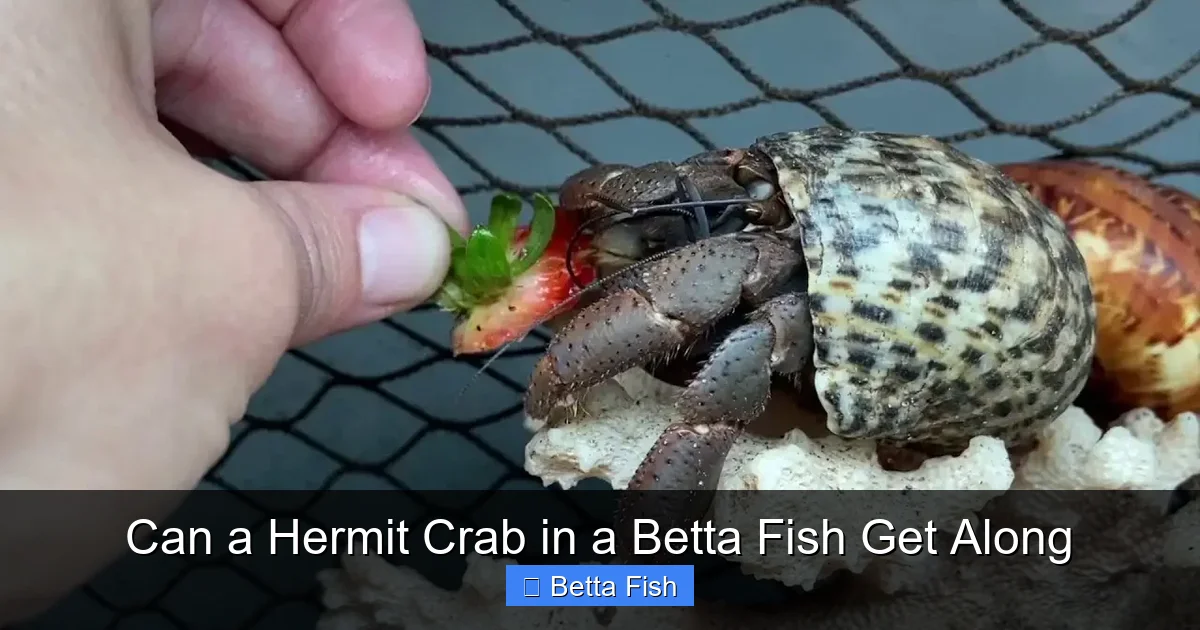
Unlike bettas, hermit crabs spend most of their time out of the water, only dipping their legs into a shallow dish to stay moist.
Why the Answer Is Usually “No”
Water Parameter Mismatch
Betta fish cannot survive in brackish water, and hermit crabs will quickly become stressed in pure freshwater. Trying to find a middle ground results in a tank where neither species feels comfortable. This alone is the biggest reason why can a hermit crab in a betta fish get along is answered with a firm “no.”

Visual guide about Can a Hermit Crab in a Betta Fish Get Along
Image source: i.pinimg.com
Temperament and Feeding Issues
Betas are carnivorous and will chase anything that moves, including a crab’s legs. Hermit crabs are scavengers; they might nibble at leftover fish food, but they are not a suitable food source. The betta may see the crab as prey, leading to stress or injury.
Space and Hiding Places
Hermit crabs need ample land and hiding spots. A typical betta tank is 2.5‑5 gallons, leaving little room for a dry area. Cramped conditions cause the crab to hide for extended periods, which can lead to a weakened exoskeleton.
When Might They Co‑Exist?
Specialized Brackish Setups
If you are an advanced hobbyist with a larger (10‑20 gallon) tank, you could create a divided environment:
Visual guide about Can a Hermit Crab in a Betta Fish Get Along
Image source: imagizer.imageshack.com
- One side kept at fresh, warm water for the betta.
- The other side with a shallow brackish pool and a dry land area for the hermit crab.
Use a solid glass divider to prevent the betta from reaching the crab. This setup requires diligent monitoring of water parameters on both sides.
Temporary “Observation” Tanks
Some keepers place a hermit crab in a small, separate dish inside the betta tank for a few hours to watch behavior. This is strictly for observation and not a permanent solution.
Best Tank‑Mate Alternatives for Betta Fish
Snails and Shrimp
Snails, especially nerite or mystery snails, live happily in freshwater and help clean algae. They are also safe from a betta’s aggression. For more reading see Can Snails Be In A Tank With Betta Fish.
Peaceful Small Fish
Species like neon tetras, harlequin rasboras, or small guppies can coexist if the tank is at least 10 gallons and there are plenty of plants and hiding spots. Check out Which Fish Can Live With Betta Fish In A Tank for more ideas.
Bottom‑Dwelling Catfish
Small Corydoras catfish stay near the substrate and usually ignore bettas. They also help clean leftover food.
Step‑by‑Step Guide: Setting Up a Safe Environment
1. Choose the Right Tank Size
For a betta alone, 5 gallons is the minimum. If you plan to add other creatures, aim for 10 gallons or more.
2. Test and Adjust Water Parameters
Use a reliable test kit. Keep the betta’s water at 78°F, pH 7.0, and zero salinity. If you add a hermit crab, create a separate brackish dish with a salinity of 1.5%.
3. Add Plenty of Hiding Spots
Live plants, silk driftwood, and smooth rocks give the betta places to rest and the crab places to explore.
4. Monitor Behavior Daily
Look for signs of stress: faded colors in the betta, lethargic crab, or aggressive chases. If any occur, separate the animals immediately.
5. Feed Appropriately
Give the betta high‑protein pellets twice daily. Offer the hermit crab fresh coconut shell pieces, boiled shrimp, and commercial crab food in its dish.
6. Perform Regular Maintenance
Partial water changes (25% weekly) keep nitrate levels low. Clean the crab’s land area to prevent mold.
Conclusion: Keep Them Separate for a Happy Home
In most situations, the answer to “can a hermit crab in a betta fish get along?” is a clear no. Their differing water needs, temperaments, and space requirements make a shared tank risky for both animals.
If you love both creatures, give each a well‑maintained environment that matches its natural habitat. A dedicated brackish tank for the hermit crab and a properly filtered freshwater tank for the betta will keep both pets healthy, active, and stress‑free.
Remember, a thriving aquarium is built on understanding the biology of each resident. By respecting those differences, you’ll enjoy the beauty of both a vibrant betta and a curious hermit crab—just not in the same water.
Frequently Asked Questions
Can a betta fish live with a hermit crab?
Generally no. Betta fish need fresh, warm water, while hermit crabs require brackish water and a dry land area, making a shared tank unsuitable.
What are the safest tank mates for a betta fish?
Snails, small shrimp, and peaceful fish like neon tetras or Corydoras catfish are good choices. Always provide plenty of hiding spots.
Can I keep a hermit crab in a separate dish inside my betta tank?
Only for short observation periods. The dish must have proper salinity and a dry area, and the betta should never be able to reach the crab.
How often should I change the water in a betta‑only tank?
Change 25% of the water weekly and test for ammonia, nitrite, and nitrate to keep conditions stable.
What signs show my betta is stressed?
Faded colors, clamped fins, rapid gill movement, and excessive hiding indicate stress and should prompt a tank check.
Is it legal to keep hermit crabs and bettas together?
There are no laws against it, but most animal welfare guidelines advise against housing incompatible species together.