How Often to Feed Betta Fish Aqueon
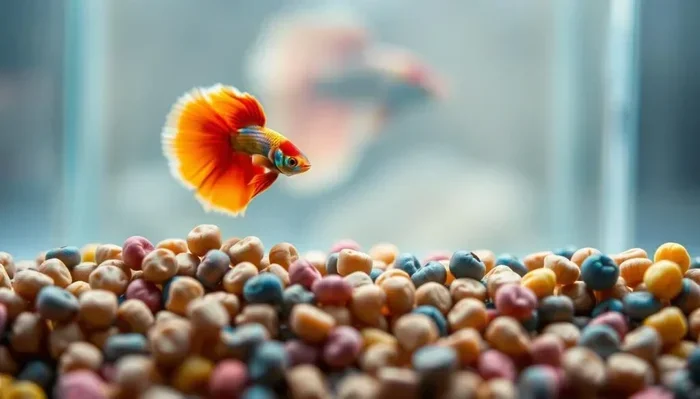
Knowing how often to feed betta fish Aqueon food is the key to keeping your betta healthy and vibrant. Most betta fish do best with two small feedings per day using high-quality Aqueon pellets or flakes. Overfeeding is the biggest mistake new fish owners make, so stick to the right portions and watch your betta thrive.
If you own a betta fish, you already know these little guys are more than just pretty colors. They have personalities, they get hungry at certain times, and they depend on you for the right food at the right time. Aqueon betta food is one of the most popular choices on the market, and for good reason. But the real question is: how often should you actually feed your betta with it?
This guide breaks down everything you need to know about how often to feed betta fish Aqueon. We will cover the ideal feeding frequency, portion sizes, the best times of day, and common mistakes that even experienced fish keepers make. By the end, you will feel confident about your betta’s feeding routine.
Getting the feeding schedule right matters more than most people realize. A betta fish that is fed correctly will have bright colors, a healthy appetite, and steady energy. One that is overfed or underfed can develop serious health problems fast. Let us dive in and make sure your betta gets exactly what it needs.
Key Takeaways
- Feed your betta fish Aqueon food twice a day with small portions each time.
- Aqueon betta pellets are a top choice because they sink slowly and match natural eating habits.
- Overfeeding is the #1 danger — uneaten food fouls the water fast.
- Skipping one day per week can help prevent constipation and bloating.
- Pair Aqueon food with occasional treats like bloodworms for variety and nutrition.
- Watch your betta’s belly and behavior to adjust portions and frequency.
- Clean uneaten food within 5 minutes to keep tank water pristine.
📑 Table of Contents
What Is Aqueon Betta Fish Food?
Aqueon is a well-known brand in the aquarium world. They make a range of fish foods designed for different species, and their betta-specific formulas are among the best sellers. Aqueon betta food comes in several forms, including pellets, flakes, and even freeze-dried options.
The Aqueon Betta Food pellet formula is probably the most recommended by fish keepers. These pellets are small enough for a betta’s tiny mouth, and they sink slowly, which mimics how bettas eat in the wild. Bettas are surface and mid-water feeders, so slowly sinking food gives them time to hunt it down naturally.
Aqueon Betta Flakes are another option, especially for younger bettas or fish that prefer floating food. The flakes are thin and easy to bite, but they can dissolve faster than pellets. This means you need to be more careful about not leaving uneaten flakes sitting in the water too long.
Why Choose Aqueon Over Other Brands?
There are many betta food brands out there. So why do so many people pick Aqueon? Here are a few reasons:
- High-quality ingredients: Aqueon uses real fish meal, shrimp, and other protein sources that bettas need for growth and color.
- No fillers: Unlike cheaper brands, Aqueon avoids using excessive fillers that offer little nutritional value.
- Formulated for bettas: The protein content is balanced specifically for betta fish dietary needs.
- Easy to portion: Pellets make it simple to measure out the right amount every time.
When you combine a quality food like Aqueon with a consistent feeding schedule, you set your betta up for a long and healthy life. And speaking of schedule, let us talk about exactly how often to feed betta fish Aqueon food.
How Often to Feed Betta Fish Aqueon
The short answer is twice a day. Most betta fish do well with two small feedings spaced about 8 to 12 hours apart. This could be once in the morning and once in the evening, or whenever fits your routine best.
But the full answer is a bit more nuanced. The frequency can change depending on your betta’s age, size, activity level, and the water temperature in the tank. Let us break it down.
Feeding Frequency by Age
Young bettas (under 6 months old) are growing fast and need more frequent meals. You may want to feed them three times a day with very small portions. Their metabolism is higher, and they burn through energy quickly.
Adult bettas (6 months and older) do best with two feedings per day. This is the standard recommendation from most fish experts and aligns perfectly with how Aqueon betta pellets are designed to be used.
Senior bettas (over 3 years) may slow down a bit. Some older bettas do well with just one feeding per day or even every other day. Watch your fish closely and adjust as needed.
How Many Times a Day Should You Feed?
For most adult bettas eating Aqueon food, two times a day is the sweet spot. Here is a simple routine you can follow:
- Morning feeding: Give a small pinch of Aqueon pellets or a few flakes. Your betta should eat within 2 to 3 minutes.
- Evening feeding: Repeat the same amount. Again, your betta should finish within a few minutes.
This twice-daily rhythm matches a betta’s natural eating patterns and keeps their digestive system working smoothly. If you want to go deeper into feeding schedules, check out our guide on how often to feed a betta fish for more detailed timing strategies.
How Much Aqueon Food Should You Give Your Betta?
Frequency is only half the equation. Portion size matters just as much. Too much food can lead to a whole host of problems, and too little can leave your betta malnourished over time.
The general rule for Aqueon betta pellets is simple: give your betta 2 to 3 pellets per feeding. For flakes, a small pinch that your betta can eat within 2 minutes is the right amount. That is it. Do not be tempted to add more just because your betta seems interested.
Why such small portions? Bettas have tiny stomachs — about the size of their eye. They do not need a lot of food to feel full and stay healthy. In fact, their stomachs can actually stretch if they eat too much, which leads to serious digestive issues.
Aceon Pellets vs. Flakes: Portion Comparison
Here is a quick comparison to help you measure the right amount:
- Aqueon Pellets: 2 to 3 pellets per feeding for an adult betta.
- Aqueon Flakes: A small pinch, roughly the size of your betta’s head, per feeding.
- Freeze-dried treats: Only as an occasional supplement, not a main meal.
If you want more specific guidance on portion sizes, our article on how many pellets to feed betta fish daily has detailed breakdowns based on fish size and age.
What Does a Proper Portion Look Like?
Imagine placing 2 or 3 Aqueon pellets in front of your betta. Watch closely. If your betta eats them all within 2 minutes, that is the perfect amount. If there are leftover pellets after 5 minutes, you gave too much. Remove the uneaten food right away to keep the water clean.
Over time, you will get a feel for exactly how much your individual betta needs. Some bettas eat faster than others, and some are pickier. Adjust slowly and never make big changes all at once.
Best Feeding Schedule for Aqueon Betta Fish
Consistency is the secret weapon when it comes to betta feeding. Bettas thrive on routine, and a regular schedule helps them stay stress-free and healthy. Here is how to set up the best feeding schedule for your betta on Aqueon food.
Morning and Evening: The Ideal Split
The most popular and effective schedule is to feed your betta once in the morning and once in the evening. This creates a natural rhythm that matches their biological clock. Bettas are most active during daylight hours, so feeding them when the lights are on makes sense.
Try to keep the gap between feedings consistent. If you feed at 8 AM and 8 PM every day, your betta will start anticipating mealtime. This not only helps with feeding but also makes your betta more active and engaged.
Can You Feed Once a Day Instead?
Some fish keepers prefer a once-daily feeding schedule, and it can work. If you choose this route, give your betta a slightly larger portion at that single feeding. Just make sure the portion is still small enough to be consumed within a few minutes.
However, most experts recommend sticking with twice daily. Feeding more frequently in smaller amounts is easier on a betta’s digestive system and helps maintain stable energy levels throughout the day.
What About Vacation Days?
Going on vacation can make feeding your betta tricky. Most adult bettas can safely go 2 to 3 days without food. For trips longer than that, consider using an automatic feeder or asking a friend to feed your betta. If you need help planning for absences, our guide on how to feed my betta fish has practical tips for keeping your betta fed while you are away.
Common Feeding Mistakes to Avoid
Even the best Aqueon food will not help if you are making feeding mistakes. Here are the most common errors fish keepers make when feeding bettas, and how to avoid them.
Overfeeding
This is the number one mistake. It is so common that it is almost an epidemic in the betta keeping community. Bettas are opportunistic eaters, which means they will keep eating as long as food is available. But that does not mean they should.
Signs of overfeeding include:
- A bloated or round belly that does not flatten out.
- Food left uneaten after 5 minutes.
- Cloudy or dirty water shortly after feeding.
- Your betta refusing food at the next scheduled feeding.
Overfeeding can lead to constipation, swim bladder problems, and poor water quality. All of these can shorten your betta’s lifespan significantly. When in doubt, feed less rather than more.
Feeding Too Often
Some new betta owners think that feeding their fish three or four times a day is better. It is not. More frequent feedings mean more waste in the water and a higher risk of overfeeding. Stick to the twice-daily schedule and your betta will be just fine.
Skipping Quality Food for Treats
Treats like bloodworms, brine shrimp, or daphnia are great in moderation. But they should never replace a staple diet of quality Aqueon pellets or flakes. Treats should make up no more than 10 to 15 percent of your betta’s diet.
If you are curious about alternative food options, we have a guide on what alternative foods you can feed betta fish that covers safe and unsafe options.
Expert Tips for Healthy Betta Fish Nutrition
Want to take your betta’s diet to the next level? Here are some expert-backed tips that go beyond the basics of feeding frequency.
Rotate Food Types
Even if Aqueon pellets are your betta’s staple, consider rotating in other high-quality betta foods throughout the week. A mix of pellets, flakes, and occasional freeze-dried treats provides a broader range of nutrients. This keeps your betta interested in food and supports overall health.
Soak Pellets Before Feeding
Some fish keepers recommend soaking Aqueon pellets in tank water for a few seconds before dropping them in. This can help prevent the pellets from expanding in your betta’s stomach, which is a common cause of bloating and constipation.
Watch the Water Temperature
Betta fish are tropical fish, and their metabolism is closely tied to water temperature. If the water is too cold (below 75°F), your betta’s digestion slows down, and it needs less food. If the water is in the ideal range of 78 to 80°F, your betta will digest food normally and can stick to the standard feeding schedule.
Maintaining proper water conditions is just as important as feeding the right food. Check out our guide on how often to change water for betta fish to keep your tank in top shape.
Fast Your Betta Once a Week
Many experienced betta keepers recommend fasting your fish one day per week. This gives the digestive system a break and helps prevent buildup of undigested food. Skipping one day of feeding will not hurt your betta. In fact, it can be beneficial for long-term health.
Monitor Your Betta’s Body Condition
Take a moment each week to look at your betta’s body shape. A healthy betta should have a smooth, slightly rounded body without a bulging belly. If you notice your betta looking too thin or too round, adjust the portion size and frequency accordingly.
Key Takeaways
- Feed your betta Aqueon food twice a day with 2 to 3 pellets or a small pinch of flakes per feeding.
- Stick to a consistent schedule — morning and evening works best for most bettas.
- Remove uneaten food within 5 minutes to protect water quality.
- Avoid overfeeding at all costs — it is the leading cause of betta health problems.
- Rotate food types and include occasional treats for balanced nutrition.
- Fast your betta once a week to support healthy digestion.
- Monitor your betta’s body condition and adjust portions as needed.
Conclusion
Learning how often to feed betta fish Aqueon food is one of the most important steps you can take as a betta owner. The formula is simple: feed twice a day, give small portions, and keep the routine consistent. Your betta will reward you with bright colors, active swimming, and a long, healthy life.
Remember, quality food like Aqueon pellets and flakes provides the foundation for great nutrition. But how and when you feed matters just as much as what you feed. Avoid the common traps of overfeeding and inconsistent schedules, and your betta will thrive.
Start today by setting a feeding reminder on your phone. Pick a morning and evening time, measure out the right amount of Aqueon food, and watch your betta enjoy every meal. Once you build this habit, feeding time becomes one of the most enjoyable parts of fish keeping — for both you and your betta.
With the right routine, proper portions, and a little attention, your betta fish will live a happy and healthy life on Aqueon food. You have got this, and your betta is lucky to have such a caring owner.
Frequently Asked Questions
How many Aqueon pellets should I feed my betta fish per day?
Feed your betta 2 to 3 pellets per meal, twice a day, for a total of 4 to 6 pellets daily. Adjust slightly based on your betta’s size and appetite, and always remove any uneaten pellets within a few minutes.
Can I feed my betta Aqueon flakes instead of pellets?
Yes, Aqueon betta flakes are a good alternative to pellets. Just use a small pinch per feeding and make sure your betta eats everything within 2 to 3 minutes. Flakes dissolve faster, so uneaten flakes can dirty the water more quickly than pellets.
Is it okay to feed my betta Aqueon food once a day?
Once-a-day feeding can work for some bettas, especially if you slightly increase the portion size. However, most experts recommend twice-daily feeding because it better mimics natural eating patterns and supports steady digestion and energy levels.
What happens if I overfeed my betta Aqueon food?
Overfeeding can cause bloating, constipation, swim bladder issues, and poor water quality from uneaten food rotting in the tank. If you notice your betta has a swollen belly or is not eating at the next meal, skip the next feeding and give its digestive system time to recover.
Should I soak Aqueon pellets before feeding my betta?
Soaking Aqueon pellets in tank water for a few seconds before feeding can help prevent them from expanding in your betta’s stomach. This simple step can reduce the risk of bloating and constipation, especially for bettas that eat quickly.
How long can a betta fish go without eating Aqueon food?
A healthy adult betta can safely go 2 to 3 days without food. Some experienced keepers even fast their bettas for one day per week to support digestion. For vacations longer than 3 days, use an automatic feeder or arrange for someone to feed your betta small portions.