Are Betta Fish Reptiles
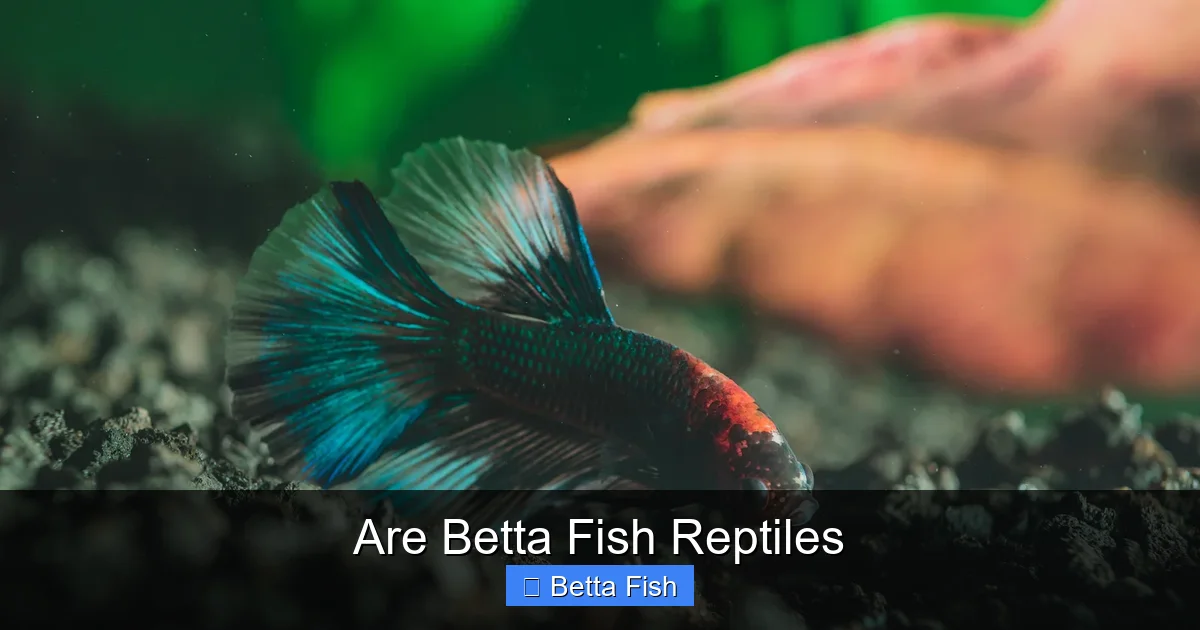
Betta fish are vibrant, warm‑water fish, not reptiles. They breathe through gills, lay eggs, and belong to the family *Osphronemidae*, which makes them true fish. This article explains the science behind the mix‑up, compares fish and reptile traits, and answers the most common questions.
Key Takeaways
- Classification: Betta fish are freshwater fish, not reptiles.
- Respiration: They use gills, whereas reptiles breathe with lungs.
- Reproduction: Bettas lay eggs and practice mouth‑brooding; reptiles lay shelled eggs or give live birth.
- Habitat: Native to Southeast Asian rice paddies, not to dry land or desert environments.
- Care basics: Understanding their true biology helps you set up the right tank and water conditions.
- Common myths: The “reptile” label comes from appearance and behavior myths, not science.
- Helpful resources: Links to related betta‑care articles can deepen your knowledge.
📑 Table of Contents
Introduction: Why the Question Pops Up
If you’ve ever Googled “are betta fish reptiles,” you’re not alone. The bright, flowing fins of a betta can look almost dragon‑like, and the way males flare their gills can seem reptilian. Add to that the fact that many pet stores group “exotic” animals together, and the confusion spreads.
In this friendly guide we’ll walk through the science that separates fish from reptiles, look at the key traits of bettas, and show you why the answer is a clear “no.” By the end, you’ll feel confident explaining the difference to anyone who asks—and you’ll have a few extra tips for caring for your finned friend.
What Exactly Is a Betta?
Taxonomy Made Simple
Betta fish belong to the order Cypriniformes and the family Osphronemidae. Their scientific name is Betta splendens. This places them firmly among other freshwater fish like gouramis and paradise fish.
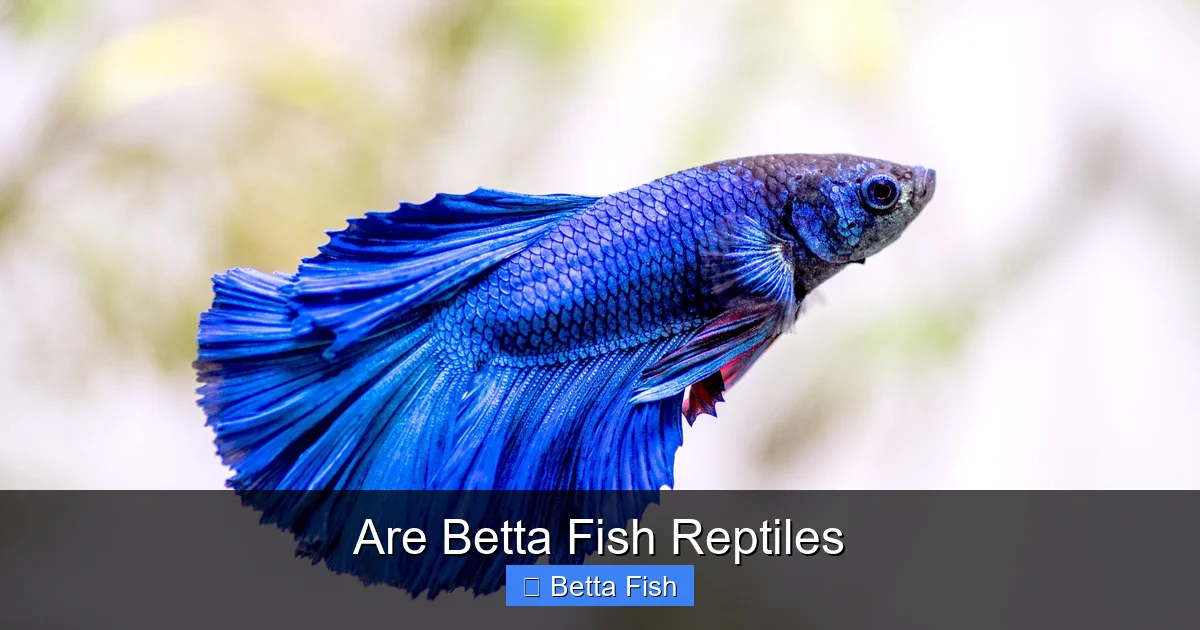
Visual guide about Are Betta Fish Reptiles
Image source: thesprucepets.com
Natural Habitat
Wild bettas live in slow‑moving streams, rice paddies, and swampy floodplains of Thailand, Cambodia, and Vietnam. The water is warm (24‑30 °C), slightly acidic, and rich in vegetation. These conditions are far from the dry, sun‑baked environments where most reptiles thrive.
Physical Characteristics
- Gills: Located on each side of the head, they extract oxygen from water.
- Fins: Long, flowing, and often spectacularly colored.
- Scales: Tiny, overlapping plates that protect the skin.
Fundamental Differences Between Fish and Reptiles
Respiration
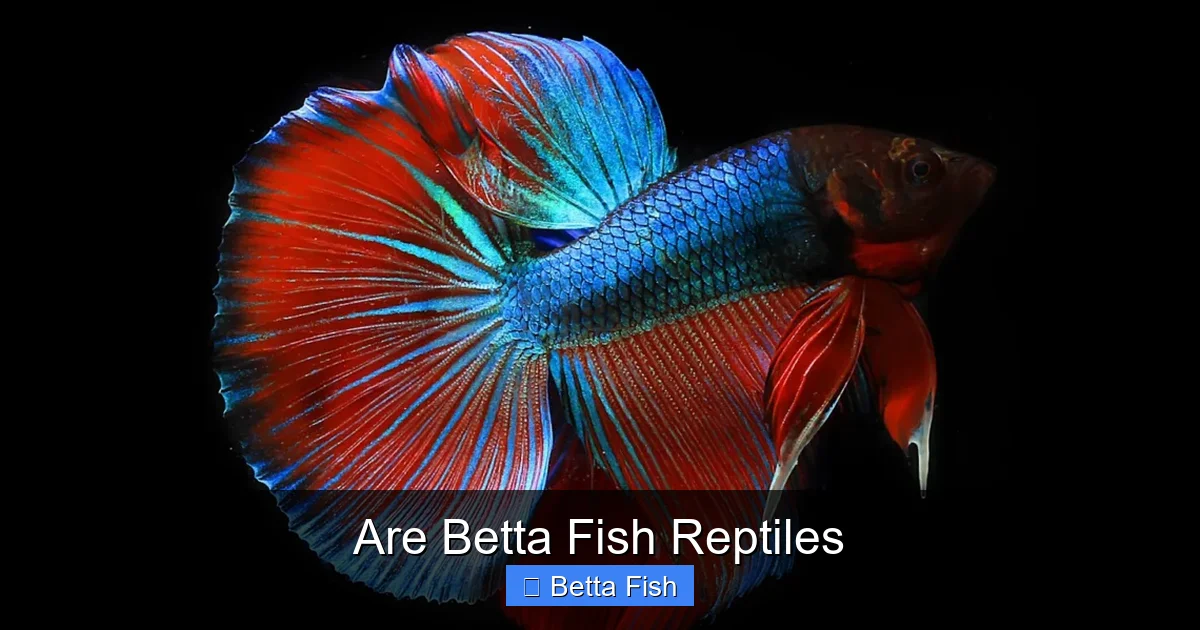
Fish breathe through gills; reptiles use lungs. While some reptiles (like turtles) can absorb oxygen through skin, bettas rely entirely on water flowing over their gill filaments. This is why a betta will gasp at the surface if the water oxygen level drops.
Visual guide about Are Betta Fish Reptiles
Image source: sharksinfo.com
Skin and Coverings
Reptile skin is covered in dry, keratinized scales that prevent water loss. Betta skin is covered in moist, overlapping scales that stay slippery in water. The “scaly” look is common to many fish, but the texture and function differ.
Reproduction
Bettas are oviparous—they lay eggs that hatch into free‑swimming fry. Males build bubble nests and guard the eggs until they hatch. Most reptiles lay shelled eggs or give live birth, and they do not create bubble nests.
Thermoregulation
Fish are ectothermic, meaning they match the temperature of their water. Reptiles are also ectothermic but regulate body temperature by basking on land. Bettas need a consistently warm tank; they cannot “bask” like a lizard.
Why the Misconception Happens
Looks Can Trick the Mind
The flamboyant fins of a male betta can resemble a tiny, colorful dragon. When people see a betta “flaring” its gills, they sometimes think of a reptile’s throat pouch.
Pet Store Grouping
Many pet stores label bettas under “exotic pets” alongside snakes and turtles. The shared “exotic” tag can blur the lines for new owners.
Internet Myths
Social media posts often use sensational headlines like “Betta fish are actually reptiles!” for clicks. These aren’t based on science, but they spread quickly.
How Knowing the Truth Helps You Care Better
Water Quality Is Paramount
Because bettas breathe through gills, clean, well‑oxygenated water is essential. Use a gentle filter and change 25‑30 % of the water weekly.
Temperature Control
Maintain a stable 78‑80 °F (25‑27 °C) water temperature. A small heater with a thermostat works best.
Tank Size and Setup
Despite a common belief that bettas can live in tiny bowls, a 5‑gal tank with plants and hiding spots mimics their natural habitat and reduces stress.
For more on why bettas are often kept in small containers, see Why Are Betta Fish Kept In Small Containers.
Feeding Like a Fish, Not a Reptile
Bettas thrive on high‑protein pellets, frozen or live foods such as daphnia or bloodworms. They do not need the insect‑based diets that many reptiles require.
Common Questions Answered
Are betta fish reptiles because they have “scales”?
No. Both fish and reptiles have scales, but fish scales are thin, flexible, and live in water, while reptile scales are thick, dry, and protect against dehydration.
Do bettas lay eggs like fish or reptiles?
Bettas lay eggs, a true fish characteristic. Reptile eggs have hard shells, whereas betta eggs are soft and stick to the male’s bubble nest.
Can bettas survive out of water like some reptiles?
Only for a few seconds. Their gills collapse without water, leading to rapid oxygen loss.
Do bettas need a heat lamp like many reptiles?
No heat lamp is needed. A water heater keeps the tank at the proper temperature.
Are bettas “cold‑blooded” like reptiles?
Yes, they are ectothermic, but they regulate temperature through water, not basking.
Conclusion: The Bottom Line
Betta fish are unmistakably fish. Their gills, egg‑laying habits, aquatic habitat, and taxonomic classification all point to a finned, water‑loving creature—not a reptile. Understanding these differences not only clears up a common myth but also guides you to create the best possible environment for your betta.
Armed with the right facts, you can confidently tell anyone that “are betta fish reptiles?”—the answer is a firm “no.” And with that knowledge, you’ll be better prepared to keep your betta healthy, happy, and dazzling for years to come.
Frequently Asked Questions
Are betta fish reptiles?
No. Betta fish are freshwater fish that breathe through gills and lay eggs, which are key characteristics of fish, not reptiles.
What class do betta fish belong to?
They belong to the class Actinopterygii, the ray‑finned fishes, within the order Cypriniformes.
Can bettas survive without water?
Only for a very short time. Without water, their gills collapse and they quickly lose oxygen.
Do bettas have the same type of scales as reptiles?
Both have scales, but fish scales are thin, overlapping, and stay moist, while reptile scales are thick, dry, and protect against dehydration.
Why do people think bettas are reptiles?
The vivid fins and dramatic flaring can look dragon‑like, and pet stores sometimes group them with other exotic animals, leading to the myth.
What is the best tank size for a betta?
A minimum of 5 gallons with a gentle filter, heater, and live plants provides a healthy environment.