Which Fish Get Along with Bettas
Not all fish are safe with bettas. Success depends on understanding your betta’s personality, providing a spacious, well-planted tank, and choosing peaceful, fast-moving species from cooler-water regions. Always have a backup plan for separation, as even compatible fish can have off days. The right tank mates can enrich your betta’s life and create a stunning, dynamic aquarium.
Key Takeaways
- Bettas are individuals: Your betta’s temperament is the #1 factor. A calm betta may tolerate more than a highly aggressive one.
- Tank size is non-negotiable: A minimum of 10 gallons is essential for any community setup with a betta to provide enough space and reduce territorial disputes.
- Choose the right “profile”: Ideal tank mates are peaceful, fast-moving, prefer cooler water, and have minimal long, flowing fins that might trigger a betta’s aggression.
- Aquascaping is your best tool: Dense planting, wood, and decorations create visual barriers and break lines of sight, which is critical for reducing stress and aggression.
- Never house male bettas together: This is a absolute rule. Female bettas can sometimes be kept in sororities, but this is advanced and requires specific conditions.
- Quarantine and introduce carefully: Always quarantine new fish first. Use a divider or separate tank for initial introductions to prevent immediate injury.
- Have a separation plan: Be prepared to move a fish to a separate tank (a “hospital” or “quarantine” tank) at a moment’s notice if aggression occurs.
📑 Table of Contents
- The Betta Personality: It All Starts With Your Fish
- The Foundation: Tank Setup Before Adding a Single Fish
- Top Tier Tank Mates: The Most Compatible Choices
- Proceed With Extreme Caution: The “Maybe” List
- The Absolute “No” List: Fish to Never House With a Betta
- The Introduction Protocol: How to Add a New Fish Safely
- Troubleshooting: What To Do When Things Go Wrong
- Conclusion: Patience and Observation Are Your Greatest Tools
The Betta Personality: It All Starts With Your Fish
So, you’ve got a beautiful betta, with its flowing fins and vibrant colors, swimming gracefully in its own tank. It’s stunning, but you can’t help but think it might be a little lonely. The idea of adding other fish is tempting, but the first and most important question is: which fish get along with bettas? The honest answer isn’t a simple list of names. It starts with understanding the betta itself, specifically the Betta splendens, the most common type in the hobby.
Bettas, especially males, have a reputation. They’re called Siamese fighting fish for a reason—historically, they were bred for aggression. However, centuries of selective breeding for color and finnage have, in many cases, softened that instinct, but it’s never gone. Every betta has a unique personality. Some are total bubbles, curious and seemingly unbothered by anything. Others are tiny, fin-nipping tyrants who will flare at their own reflection. Your first job is to observe your betta. Is it calm when you approach the glass? Does it ignore snails or shrimp in the tank? Or does it dart at any movement, gills flared? This baseline assessment is your most valuable tool in determining potential tank mates. A naturally calm betta opens up a world of possibilities; a highly reactive one may need to remain a solo diva, and that’s perfectly okay.
The Foundation: Tank Setup Before Adding a Single Fish
Before you even think about the first compatible species, your tank setup must be impeccable. Trying to introduce a fish to a bare, 5-gallon tank with a territorial betta is a recipe for disaster. The right environment is your primary tool for managing betta behavior and ensuring any community succeeds.
Visual guide about Which Fish Get Along with Bettas
Image source: bettafishworld.com
Tank Size: The Golden Rule
Let’s be clear: a betta can technically live in a small, heated container. But a betta with tank mates requires significantly more space. The absolute minimum for any community tank with a betta is a 10-gallon (40-liter) aquarium. This provides enough horizontal swimming space and, more importantly, allows you to create distinct territories. In a small tank, a betta has no choice but to encounter and potentially harass any new addition constantly. A larger tank dilutes its presence and gives other fish room to establish their own areas away from the betta’s preferred spots.
The Power of Plants and Hiding Spots
Bettas, for all their bravado, are actually quite shy and stressed by open water. They prefer to lurk near the top, under plant leaves or near the surface. A well-planted tank with tall plants like Amazon swords, vallisneria, or floating plants like duckweed or frogbit is essential. These plants break the line of sight. Instead of seeing a rival fish across a vast expanse, the betta and its potential mate only see each other when they are very close, dramatically reducing the chance of a territorial flare-up. Provide caves, driftwood, and rock piles for other fish to hide in. The goal is to create a complex, multi-layered environment where everyone has a place to feel secure.
Water Parameters: Finding Common Ground
Bettas are tropical fish, preferring a warm, stable temperature of 78-80°F (25.5-26.5°C). However, many of their best potential mates come from slightly cooler, faster-flowing streams in Southeast Asia. This creates a crucial overlap zone. You must choose tank mates that are comfortable in the mid-70s to low-80s Fahrenheit. Avoid fish that require very cool water (like many goldfish) or extremely hot water. Also, ensure all species can tolerate similar pH and hardness levels. Stable water parameters are more important than hitting a perfect number; sudden swings stress everyone and can trigger aggression or disease.
Top Tier Tank Mates: The Most Compatible Choices
With the proper environment established, we can look at specific fish that have a proven track record of getting along with bettas. These species share key characteristics: they are peaceful, active, fast, and have little to no interest in the betta’s domain.
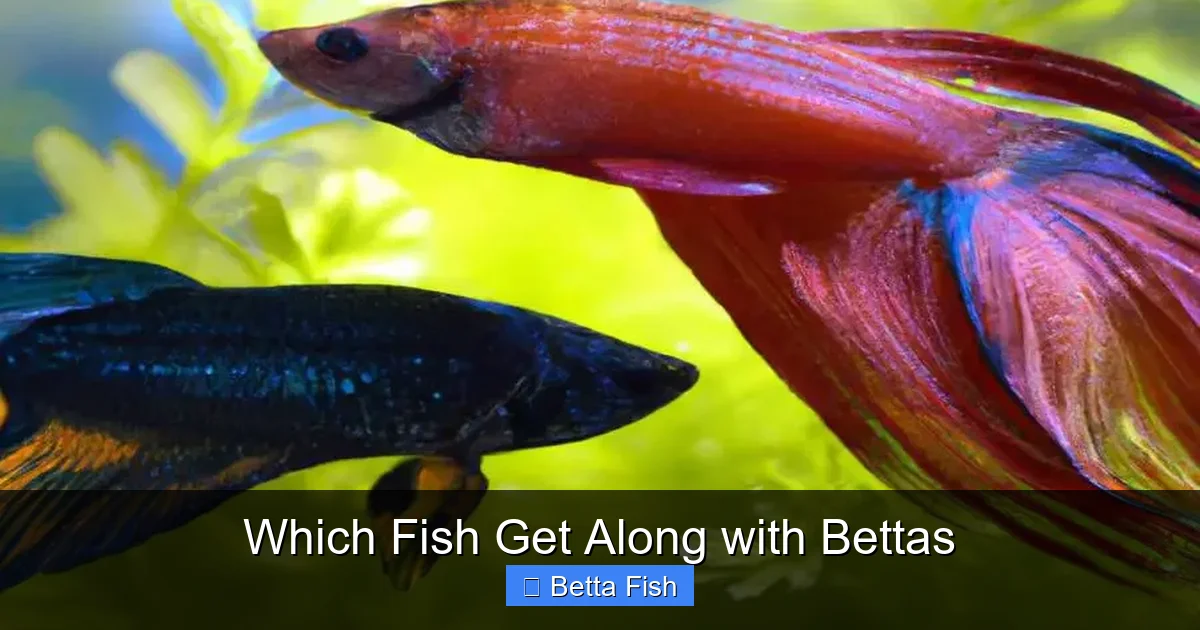
Visual guide about Which Fish Get Along with Bettas
Image source: bettafishworld.com
Small, Peaceful Rasboras and Danios
This is often the best place to start. Fish like Harlequin Rasboras (Trigonostigma heteromorpha) and Phoenix Rasboras are excellent. They are peaceful, schooling fish that prefer to stay in the middle to upper levels of the tank. Their constant, darting movement is fascinating to watch and rarely triggers a betta’s chase instinct, as they are too quick to catch. They also prefer the same warm, soft, acidic water conditions as bettas. Zebra Danios (Danio rerio) are another fantastic option. They are incredibly active, hardy, and prefer slightly cooler water (which actually helps keep the tank temp in a safe range for the betta). Their horizontal stripes and busy behavior make them a dynamic addition. Always keep these in groups of 6 or more to reduce stress and prevent them from nipping at the betta out of nervousness.
The Shrimp and Snail Squad
Invertebrates are often the safest first addition to a betta tank. Amano Shrimp (Caridina multidentata) are the gold standard. They are large (for a shrimp), fast, and spend their time scavenging on the bottom and glass, completely ignoring the betta. They can even help clean the tank. Ghost Shrimp and Bamboo Shrimp are also good, though Bamboo Shrimp require very clean, well-oxygenated water. For snails, Nerite Snails are unbeatable. They have a hard shell that a betta cannot penetrate, they don’t reproduce in freshwater, and they are excellent algae eaters. Mystery Snails (Apple Snails) are also fine, but they produce a lot of waste, so you must have strong filtration. Important Note: Very small shrimp like cherry shrimp (Neocaridina) may be seen as a snack by a curious or hungry betta. It’s a gamble. A well-fed betta in a heavily planted tank might ignore them, but many bettas will hunt them. It’s not recommended for a first community tank.
Peaceful Bottom Dwellers: Corydoras Catfish
For adding activity to the bottom of the tank, you can’t beat Corydoras catfish. These small, gentle, schooling catfish are social and should be kept in groups of at least 4-6. They sift through the sand for food, keeping the substrate clean. Their Armed with bony plates and a peaceful nature, they are rarely bothered by bettas, who are top- and mid-level swimmers. The key is to choose the smaller species like Pygmy Corydoras (Corydoras pygmaeus) or Haberli Corydoras (Corydoras habrosus), which are better suited for the 10-gallon size. Larger Corys like the Peppered Cory can work but need more space. They prefer slightly cooler water (72-78°F), which again creates a safe, overlapping temperature zone with the betta.
Proceed With Extreme Caution: The “Maybe” List
Some fish are frequently listed as betta-compatible, but they come with significant caveats. Success with these species depends almost entirely on the individual betta’s personality and impeccable tank setup.
Visual guide about Which Fish Get Along with Bettas
Image source: bettafishworld.com
African Dwarf Frogs (ADFs)
These fully aquatic frogs are a popular recommendation, and for good reason—they can be a fantastic match. They are peaceful, slow-moving, and occupy the same mid-level space as a betta. However, there are critical rules. Never feed your betta or ADF live foods like bloodworms at the same time; the feeding frenzy can cause the betta to bite the frog, leading to fatal infection. The frog’s limbs look like wiggly worms to a hungry betta. You must ensure the frog can easily get to the surface to breathe air (they need to), so a calm water surface with some floating plants is a must. A curious, non-aggressive betta is required. It’s a higher-risk choice.
Kuhli Loaches
These fascinating, eel-like loaches are peaceful, nocturnal bottom dwellers. They are a great addition for a 20-gallon or larger tank. Their main advantage is that they are almost never seen during the day, hiding in the substrate or under decorations. This minimal interaction reduces conflict. They need a soft, sandy substrate to burrow in. The risk is low, but their reclusive nature means you might not see them often.
Otocinclus Catfish (“Otos”)
These tiny, algae-eating catfish are adorable and peaceful. They are excellent for a tank with a lot of algae on glass and leaves. However, they are very delicate and require pristine, well-oxygenated water with a constant supply of biofilm or algae to graze on. They are also schooling fish, so you need a group of 5-6. In a 10-gallon with a betta, the bioload and water parameter demands can be challenging. They are best for experienced aquarists with stable, mature tanks.
The Absolute “No” List: Fish to Never House With a Betta
Some fish are fundamentally incompatible with bettas due to their appearance, behavior, or water requirements. Avoid these at all costs.
Other Anabantoids (Fish with Labyrinth Organs)
This includes Gouramis (Dwarf, Pearl, Kissing, etc.) and Paradise Fish. These are the closest relatives to the betta and share the same territorial, often aggressive instincts. Two males of any of these species will almost certainly fight to the death. Even a male betta with a female gourami can lead to disaster. They look too similar and will perceive each other as rivals.
Fish with Long, Flowing Fins
Bettas are instinctively triggered by the flowing fins of other males. Do not house your male betta with Fancy Guppies (especially males with large, colorful tails), Siamese Algae Eaters (which are actually a type of flying fox and have a distinct profile), or any other fish with prominent, flowing finnage. The betta will see it as a rival male and relentlessly nip and attack, causing fatal stress and injury.
Fin-Nippers and Very Active, Boisterous Fish
Avoid fish known for fin-nipping, such as Tiger Barbs, Serpae Tetras, and some Danios (like the giant danio). While they might not start the fight, they will harass a slow-moving, long-finned betta, nipping at its fins and causing constant stress. Similarly, very large, boisterous fish like most Cichlids (even “peaceful” ones like the Oscar or Firemouth) are too rough and will either bully the betta or be bullied by it. Size and activity level mismatches are dangerous.
Coldwater Fish
This means Goldfish and White Cloud Mountain Minnows. Goldfish are messy, produce massive amounts of ammonia, and prefer much cooler water (65-72°F). The temperature difference is too great to bridge safely. White Clouds are often recommended, but they prefer cooler water (60-72°F). Keeping them at 78°F+ for a betta will shorten their lifespan and stress them. Stick to tropical fish with overlapping temperature needs.
The Introduction Protocol: How to Add a New Fish Safely
You’ve chosen a candidate, your tank is perfect, and you have a quarantine tank. Now, the most critical phase: introduction. Rushing this process is the #1 reason community attempts fail.
Step 1: Quarantine
Never, ever add a new fish directly from the pet store to your display tank. It must spend at least 2-4 weeks in a separate, filtered quarantine tank. This allows you to observe it for signs of disease (ich, velvet, flukes) and treat it if necessary, without risking your entire ecosystem, especially your betta.
Step 2: Acclimation
Once the new fish is healthy, the real introduction begins. The safest method is using a tank divider. A mesh or acrylic divider that allows water flow but prevents physical contact is ideal. Place the new fish on one side and your betta on the other for at least 24-48 hours. Let them see each other but not touch. Observe the betta’s reaction. Is it flaring and trying to get through? That’s a bad sign and may mean you need to abandon the attempt. Is it mostly indifferent? That’s a good sign. You can also use a separate “introduction tank”—a small, bare tank where you put both fish together under close supervision for short periods, but this is riskier.
Step 3: The Main Event
If the divider test goes well, it’s time for the main tank. Do not net the new fish and drop it in. Instead, use a cup or small container to scoop it from the quarantine tank and slowly pour it into the community tank, ideally near a hiding spot or plant. This minimizes the “new fish in my territory” shock. Keep the lights dim for the first few hours. Monitor closely for the first 24-48 hours. Have your hospital tank ready and be prepared to remove either fish at the first sign of relentless chasing, nipping, or hiding.
Troubleshooting: What To Do When Things Go Wrong
Even with the best planning, issues can arise. Your betta might surprise you. Here’s how to handle common problems.
The Betta Is Chasing relentlessly
This is the most common issue. First, ensure your tank is large enough and has enough visual barriers. If chasing is constant and the new fish is hiding and not eating, you have a conflict. You need to separate them immediately. Use a net to catch the stressed, non-betta fish and move it to the hospital/quarantine tank. Give the betta a week to calm down in its enriched tank before trying to reintroduce the other fish behind a divider again. Sometimes, it just won’t work. Know when to concede and keep the betta solo or find a different tank mate.
The Betta Is Hiding and Not Eating
This is a sign the betta itself is stressed, possibly by the new, more active fish. It feels its territory is being invaded. You may need to remove the new fish. Alternatively, if the new fish is peaceful, you can try rearranging the entire tank—move all the rocks, plants, and decorations. This resets territorial boundaries and forces everyone to re-establish new territories, often breaking up established aggressive patterns.
One Fish Is Missing (or Fins Are Torn)
This is a worst-case scenario. A betta (or a fin-nipping tank mate) has likely killed or severely injured another fish. You must act immediately. Remove the injured or deceased fish. Assess the betta’s behavior. If it is actively hunting and killing, it cannot be trusted with any other fish. It must be returned to a species-only tank. There is no middle ground here. A fish with torn fins is also highly susceptible to secondary infections like fin rot, so it needs to be moved to a hospital tank for treatment with an antibacterial like melafix or a formalin dip.
Conclusion: Patience and Observation Are Your Greatest Tools
Creating a successful community tank with a betta is a rewarding challenge that blends science, art, and a deep understanding of animal behavior. There is no universal “yes” or “no” list that applies to every single betta. The journey begins with you, the observer. Know your fish. Build a tank that mimics a complex, natural environment with ample space and hiding places. Choose tank mates from the compatible profiles we discussed—peaceful, fast, cool-preferring species like rasboras, corydoras, and certain snails. Always quarantine, always introduce slowly with a divider, and always have a backup tank ready.
Remember, a betta’s beauty is not diminished by being a solitary king or queen. A well-cared-for solo betta in a species-only, beautifully planted 5-gallon tank is a perfectly valid and stunning setup. The goal is to enhance the life of all your aquatic pets. If adding fish causes chronic stress for the betta or its potential mates, you haven’t succeeded. But if you do it right, you’ll be rewarded with a vibrant, dynamic slice of underwater life where your betta holds its majestic place as a respected, if sometimes flamboyant, member of the community.
Frequently Asked Questions
Can I put a female betta with a male betta?
No. Male and female bettas should never be housed together outside of a carefully controlled, temporary breeding tank. The male will almost always see the female as a threat or a potential mate to be harassed, leading to severe stress, injury, or death for the female. They are solitary fish by nature.
Will my betta eat my shrimp?
It’s a definite possibility. Larger shrimp like Amano Shrimp are often too big for a betta to eat and are usually safe. However, smaller shrimp like Cherry Shrimp are frequently viewed as a tasty snack by bettas, especially if the betta is hungry or has a more aggressive personality. It’s a risk, not a guarantee.
Are snails safe with bettas?
Yes, most snails are completely safe. Their hard shells protect them from a betta’s bite. Nerite snails and Mystery/Apple snails are excellent, hardy choices. They won’t bother the betta and can help clean the tank. Just ensure your betta isn’t so curious that it constantly prods at the snail, causing it stress.
How big of a tank do I need for a betta and other fish?
For any community tank with a betta, you should start with a 10-gallon (40-liter) aquarium as an absolute minimum. A 20-gallon (75-liter) long tank is even better, as it provides more horizontal swimming space and makes it easier to create distinct territories and visual barriers with plants and decorations.
My betta flared at the new fish through the divider. Should I give up?
Not necessarily. Some flaring is normal—it’s a territorial response. Watch the intensity and duration. If it’s a quick flare and then the betta goes back to its business, it’s likely just a warning. If it is constant, frantic, and the betta seems unable to calm down, it’s a strong sign of high aggression. You may need to try a different species or consider that your betta is simply too aggressive for tank mates.
Can I keep a betta with tetras?
It depends entirely on the tetra species. Small, peaceful tetras like Ember Tetras or Neon Tetras can sometimes work in a large, well-planted tank with a calm betta, but they are not a top recommendation. They are fast and school tightly, which can help. However, some tetras (like Serpae or Black Skirt Tetras) are notorious fin-nippers and should be avoided. Even peaceful tetras can sometimes nip at a betta’s slow-moving fins. Extreme caution and a large tank are required.