Heaters are vital for betta health, but misuse can be deadly. Maintain a stable 76‑82°F range, use a reliable thermostat, and monitor water conditions to prevent overheating or sudden temperature shocks.
Key Takeaways
- Ideal temperature range: Betta fish thrive between 76°F and 82°F (24°C‑28°C).
- Thermostat is essential: A quality thermostat prevents dangerous temperature spikes.
- Gradual adjustments: Change water temperature slowly to avoid shock.
- Regular monitoring: Check heater performance and water temperature daily.
- Symptoms of overheating: Lethargy, gasping, and loss of color signal trouble.
- Backup plans: Have a spare heater or a power‑outage strategy.
- Combine with good water care: Proper filtration and water changes support temperature stability.
📑 Table of Contents
- Introduction: Why Temperature Matters for Betta Fish
- How Heaters Work and What Types Exist
- Temperature Ranges: Safe Zone vs. Danger Zone
- Signs Your Betta Is Suffering From Temperature Problems
- Setting Up a Heater Safely
- Preventing Common Heater Mistakes
- Integrating Heater Care With Overall Betta Health
- Conclusion: A Heater Is a Lifesaver, Not a Killer—If Used Right
Introduction: Why Temperature Matters for Betta Fish
Betta fish, also known as Siamese fighting fish, are tropical creatures that love warm water. In their natural habitat, they experience a fairly constant temperature, usually hovering around 78°F (25.5°C). When we bring a betta into our homes, we must recreate that stable environment. A heater is the most common tool for this job, but like any electrical device, it can become a hidden danger if not used correctly.
In this article we’ll answer the burning question: Can a heater kill a betta fish? We’ll explore how heaters work, the risks of overheating and rapid temperature changes, and give you practical steps to keep your fish safe. By the end, you’ll feel confident setting up a heater that protects—not harms—your finned friend.
How Heaters Work and What Types Exist
Basic principle of aquarium heaters
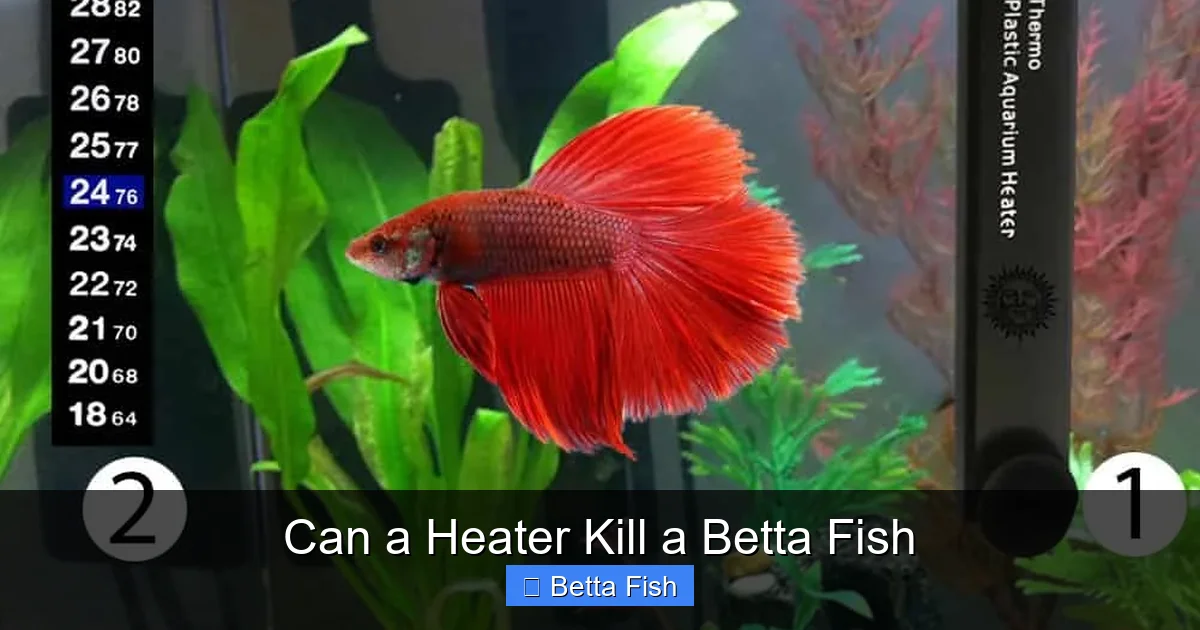
Most aquarium heaters are submersible or hang‑on‑back units that use a heating element and a built‑in thermostat. The thermostat monitors water temperature and turns the element on or off to maintain the set point. When the water falls below the desired temperature, the element heats; when it reaches the target, the element shuts off.
Visual guide about Can a Heater Kill a Betta Fish
Image source: tankofish.com
Common heater types for bettas
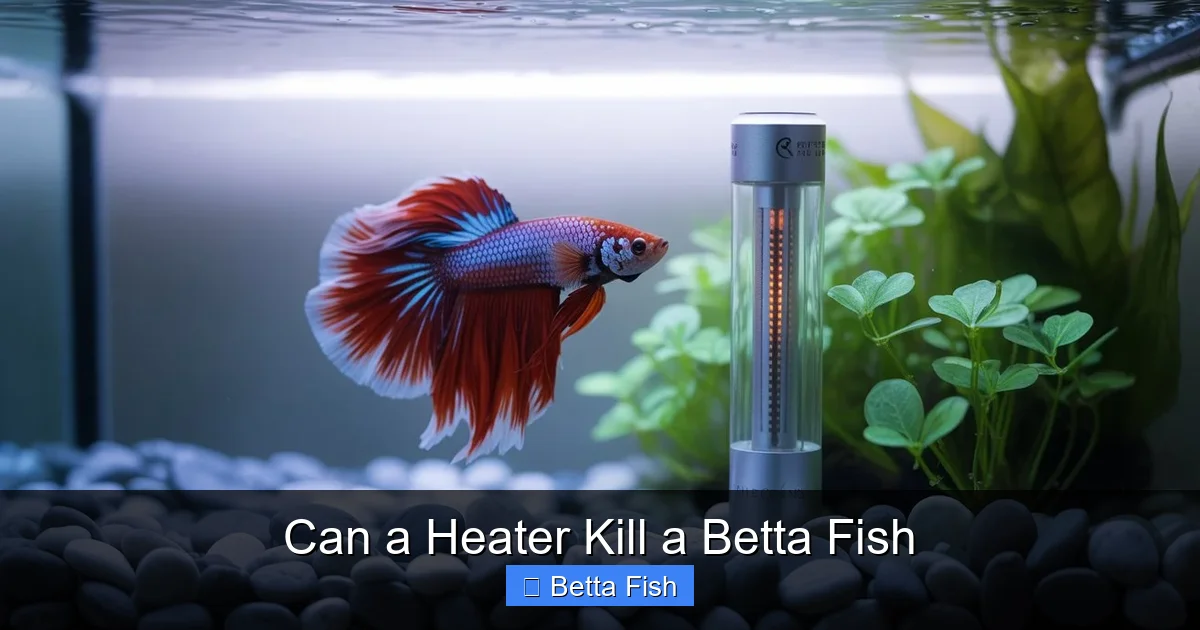
- Submersible heaters: Fully waterproof, sit at the bottom of the tank, ideal for small betta tanks.
- Hang‑on‑back (HOB) heaters: Clip to the tank’s side, good for larger setups but less common for 2‑gal betta bowls.
- Thermostat‑free “in‑tank” heaters: Simpler devices without precise control—riskier for delicate bettas.
For a betta, a small 25‑50 W submersible heater with an external thermostat is usually the safest choice.
Temperature Ranges: Safe Zone vs. Danger Zone
Optimal range for bettas
Scientific studies and hobbyist experience show that bettas thrive at 76°F‑82°F (24°C‑28°C). Within this window, their metabolism, immune system, and coloration stay strong.
Visual guide about Can a Heater Kill a Betta Fish
Image source: petsmingle.com
What happens when temperature exceeds the safe range?
- Above 84°F (29°C): Metabolism speeds up, oxygen demand rises, and the fish can become stressed.
- Above 88°F (31°C): Enzyme function begins to fail, leading to organ damage and possible death within hours.
- Rapid spikes (10°F+ in minutes): Cause thermal shock, resulting in gill collapse, loss of equilibrium, and often fatal outcomes.
Signs Your Betta Is Suffering From Temperature Problems
Symptoms of overheating
Watch for these red flags:
Visual guide about Can a Heater Kill a Betta Fish
Image source: buildyouraquarium.com
- Lethargic swimming or staying at the bottom.
- Rapid gill movement (gasping at the surface).
- Faded colors or loss of the characteristic iridescent sheen.
- Loss of appetite or refusing food.
Symptoms of being too cold
- Shivering or trembling fins.
- Reduced activity and hiding more than usual.
- Pale or dull coloration.
If you notice any of these signs, check the water temperature immediately with a reliable aquarium thermometer.
Setting Up a Heater Safely
Choosing the right heater
Pick a heater that matches your tank size. For a typical 2‑gal betta bowl, a 25‑W heater is sufficient. Look for models with an external thermostat and an automatic shut‑off feature.
Placement tips
- Place the heater near a water flow source (like a gentle filter) to distribute heat evenly.
- Avoid direct contact with the tank glass to prevent heat spots.
- Ensure the heater is fully submerged, but not touching the tank bottom if it’s a ceramic heater.
Calibrating the thermostat
Set the thermostat to the middle of the safe range, such as 79°F (26°C). Allow the heater to run for a few hours, then check the actual water temperature with a separate glass or digital thermometer. Adjust the thermostat in 1°F increments until the readings match.
Routine checks and maintenance
- Inspect the heater’s cord and plug for wear weekly.
- Clean any mineral deposits that may form on the heater’s surface.
- Replace the heater every 2‑3 years, even if it still appears to work.
Preventing Common Heater Mistakes
Never leave a heater unattended
Power outages or faulty wiring can cause a heater to stay on continuously, raising the water temperature dangerously. Use a timer or a battery‑backed thermostat that defaults to “off” during a power loss.
Avoid “set‑and‑forget” without monitoring
Even the best thermostats can drift. Check water temperature at least once a day for the first week, then weekly thereafter.
Don’t over‑heat to speed up growth
Some hobbyists think a hotter tank makes bettas grow faster, but the stress outweighs any minor growth benefit. Keep the temperature steady within the safe range.
Use a backup heater or plan for power failures
If you live in an area with frequent outages, keep a small, battery‑operated heater or insulated tank cover to maintain temperature for a few hours.
Integrating Heater Care With Overall Betta Health
Water quality and temperature
Temperature influences ammonia, nitrite, and nitrate levels. Warmer water holds less dissolved oxygen, so a good filter and occasional water changes are crucial. Aim for weekly 25% water changes with water that matches tank temperature.
Feeding considerations
Warmer water speeds up digestion, so feed slightly less if the tank is on the higher end of the range. Over‑feeding can lead to water quality problems, which together with temperature stress can be fatal. For more on feeding pitfalls, see our guide on Can Overfeeding A Betta Fish Kill It.
Tank size matters
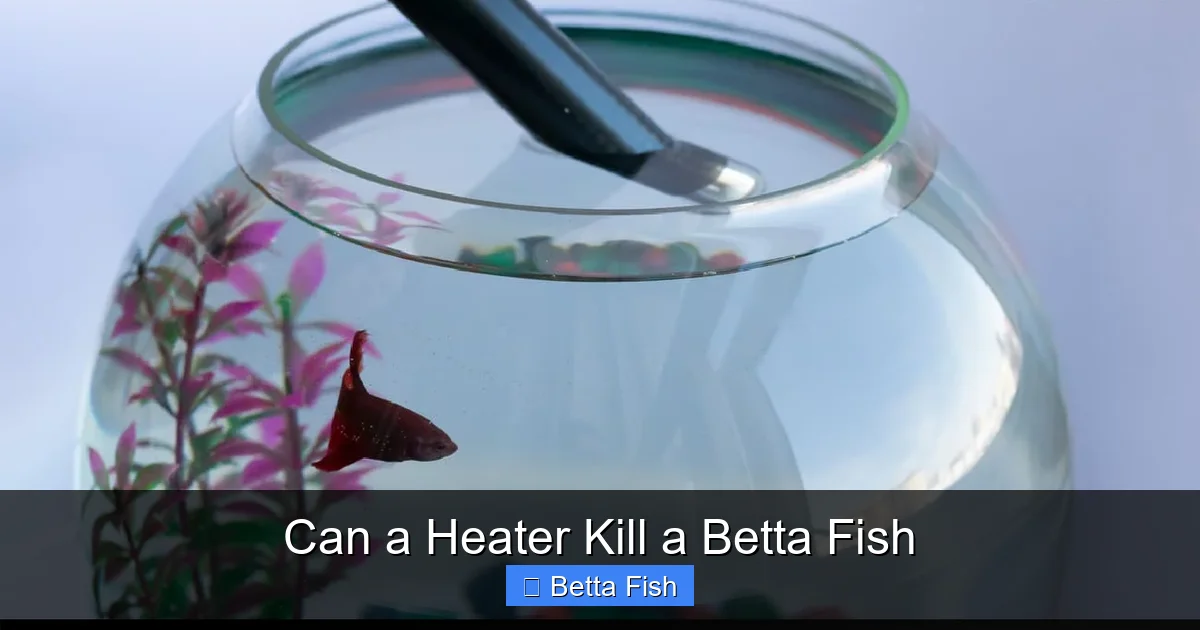
While bettas can survive in small bowls, a larger tank (at least 5 gallons) provides more stable temperature and better water quality. If you’re still using a bowl, a reliable heater becomes even more critical.
Conclusion: A Heater Is a Lifesaver, Not a Killer—If Used Right
Yes, a heater can kill a betta fish, but only when it’s mismanaged. By selecting the right heater, setting an accurate thermostat, monitoring temperature regularly, and maintaining clean water, you create a safe, comfortable home for your betta. Remember the mantra: steady, moderate, and monitored. Follow the steps outlined above, and your betta will enjoy a healthy, vibrant life for years to come.
Frequently Asked Questions
Can a heater cause sudden death in betta fish?
Yes, if the heater malfunctions and raises the water temperature dramatically, the resulting thermal shock can kill a betta within minutes.
What is the safest temperature setting for a betta heater?
Set the thermostat between 76°F and 82°F (24°C‑28°C). Mid‑range, such as 79°F, works well for most bettas.
How often should I check my betta’s water temperature?
Check daily for the first two weeks after installing a heater, then at least once a week thereafter.
Can I use a regular home aquarium heater for a betta bowl?
Yes, but choose a low‑wattage (25‑50 W) submersible heater with an external thermostat to avoid overheating a small volume of water.
What should I do if my betta shows signs of overheating?
Immediately lower the water temperature by adding a few gallons of cooler (but not cold) water, turn off the heater, and monitor the fish closely.
Do bettas need a heater if the room temperature stays above 78°F?
Even in warm rooms, temperature can drop at night. A small heater with a thermostat ensures a constant environment and prevents dangerous fluctuations.

