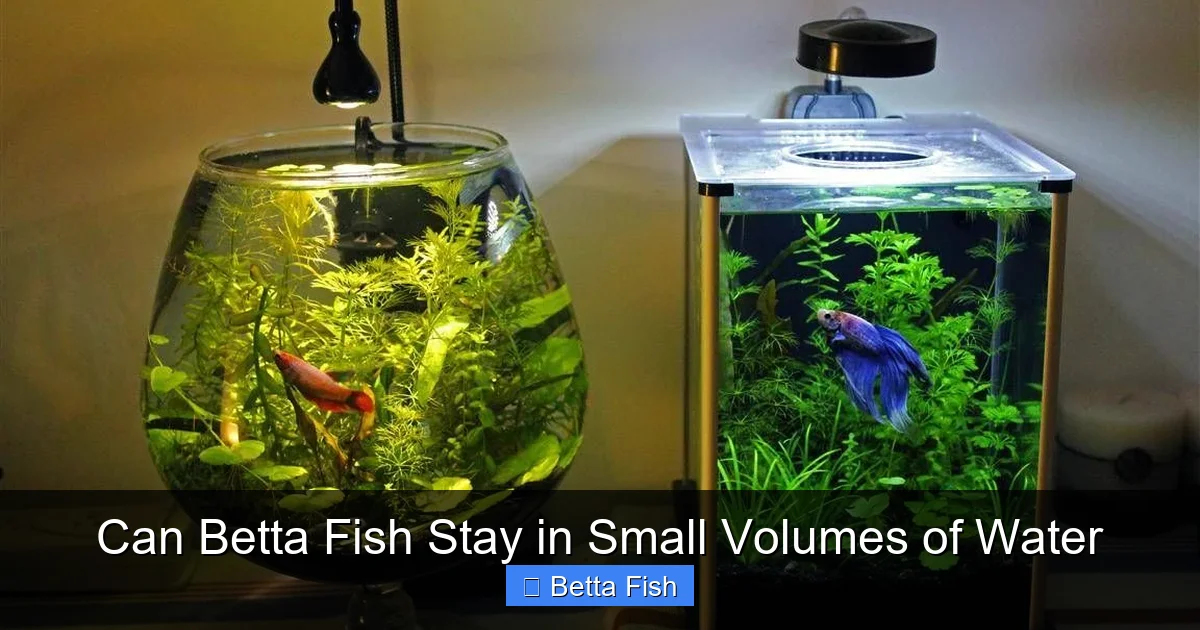
Can Betta Fish Stay in Small Volumes of Water

Many people believe betta fish can live happily in tiny bowls or small containers, but this is one of the most common myths in the fishkeeping world. While bettas can survive in small volumes of water for short periods, they cannot truly thrive or live long, healthy lives in cramped conditions. Understanding their natural needs is essential if you want your betta to flourish for years to come.
Key Takeaways
- Survival vs. Thriving: Betta fish can survive in small volumes of water, but survival is not the same as thriving. Small tanks lead to stress, disease, and shortened lifespans.
- Minimum Tank Size: The recommended minimum tank size for a betta fish is 5 gallons. This provides enough space for swimming, stable water parameters, and proper filtration.
- Water Quality Deteriorates Fast: In small volumes of water, ammonia and waste build up rapidly, creating toxic conditions that can kill your betta within days.
- The Labyrinth Organ Myth: While bettas have a labyrinth organ that lets them breathe air, this adaptation is for surviving poor conditions in the wild — not an excuse to keep them in tiny containers.
- Filtration and Heating Matter: Small containers rarely support proper filters or heaters, both of which are critical for maintaining a healthy betta environment.
- Behavioral Health: Bettas in small tanks often become lethargic, lose their vibrant colors, and display signs of stress such as clamped fins and loss of appetite.
- Long-Term Commitment: A betta fish kept in a proper setup can live 3-5 years or more, while those in tiny bowls often die within months.
📑 Table of Contents
- Can Betta Fish Stay in Small Volumes of Water?
- Why Do People Think Betta Fish Can Live in Small Water?
- What Happens to Betta Fish in Small Volumes of Water?
- What Is the Right Tank Size for a Betta Fish?
- Setting Up the Perfect Betta Tank
- Common Myths About Betta Fish and Small Water
- The Truth About Betta Fish in the Wild
- How to Transition Your Betta to a Better Home
- Conclusion
Can Betta Fish Stay in Small Volumes of Water?
If you have ever walked into a pet store, you have probably seen betta fish sitting alone in tiny cups or small bowls. It is one of the most common sights in the aquarium world, and it has led to a widespread belief that betta fish are perfectly fine living in small volumes of water. But is that really true? Can betta fish actually stay in small volumes of water and live a good life?
The short answer is complicated. Betta fish are incredibly hardy creatures. They have survived in some of the harshest environments on Earth, from shallow rice paddies to stagnant ponds in Southeast Asia. This toughness has given them a reputation as low-maintenance pets that can live in almost anything. However, there is a big difference between surviving and thriving. Just because a betta can endure small, cramped conditions does not mean it should have to.
In this article, we are going to take a deep dive into the truth about betta fish and small water volumes. We will explore why this myth exists, what actually happens to bettas in tiny containers, and what you should do instead to give your fish the best possible life. Whether you are a first-time betta owner or someone who has kept fish for years, this information will help you make the right choices for your finned friend.
Why Do People Think Betta Fish Can Live in Small Water?
The Pet Store Display Problem
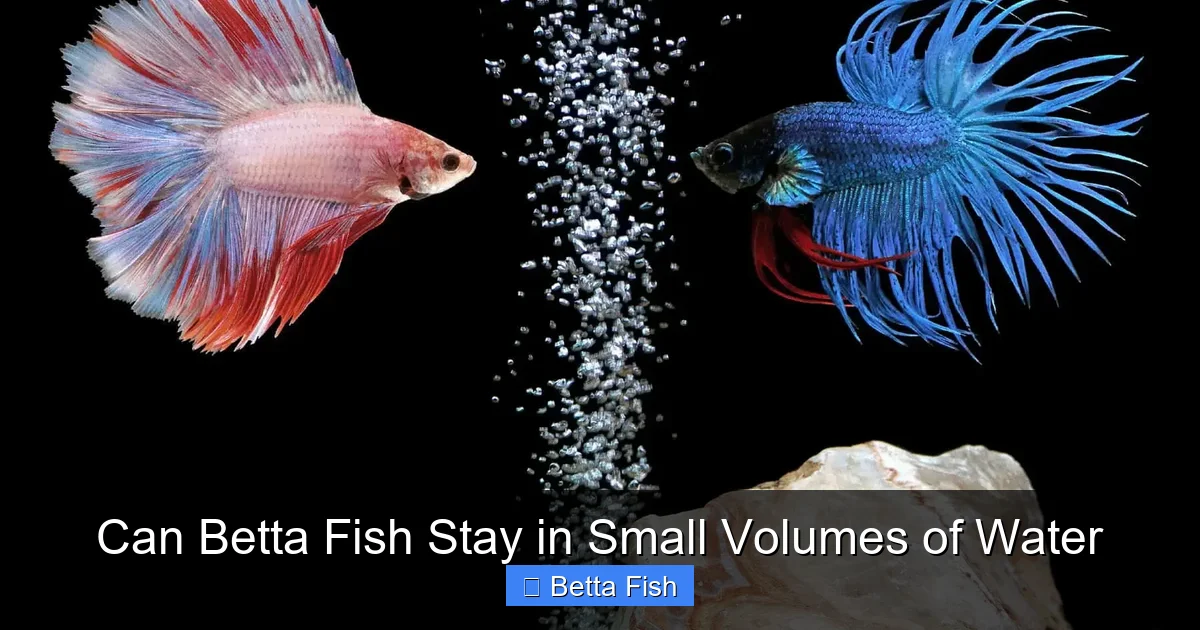
One of the biggest reasons this myth persists is the way betta fish are sold. Walk into almost any pet store or big-box retailer, and you will find bettas individually housed in small plastic cups, sometimes holding less than a half gallon of water. These cups sit on shelves for weeks or even months. Because the fish are still alive when you see them, it is easy to assume they are fine in those conditions.
Visual guide about Can Betta Fish Stay in Small Volumes of Water
Image source: aquariadise.com
The reality is far less cheerful. Pet stores use small cups because they are cost-effective and space-efficient. Hundreds of bettas can be displayed in a small area this way. The fish are surviving, but they are under significant stress. Many bettas arrive at stores already weakened from breeding facilities, and the small cups only add to their suffering. By the time a betta is purchased, it may have been living in poor conditions for a very long time.
The Labyrinth Organ Misunderstanding
Another reason people believe bettas can live in small water volumes is their unique labyrinth organ. This special organ allows betta fish to breathe atmospheric air directly from the surface, unlike most fish that rely solely on dissolved oxygen in the water. Bettas evolved this adaptation because their natural habitats in Thailand, Cambodia, and Vietnam often include shallow, oxygen-poor waters like rice paddies, slow-moving streams, and temporary puddles.
Here is where the misunderstanding comes in. Because bettas can breathe air, many people assume they do not need much water at all. They think the fish can just gulp air and be fine in a tiny bowl. While it is true that the labyrinth organ helps bettas survive in low-oxygen environments, it does not eliminate their need for clean, spacious water. The organ is an emergency adaptation, not a replacement for proper living conditions. Think of it like a human being able to hold their breath underwater — it helps in a pinch, but you would not want to live at the bottom of a pool.
Historical and Cultural Factors
Betta fish have a long history in Southeast Asia, where they were originally kept in small containers for fighting purposes. Male bettas are highly aggressive toward each other, and people would place them in small vessels to battle. The fish that survived the longest in these tiny containers were considered the strongest and were bred for those traits.
This historical practice has carried over into modern times, creating a cultural expectation that bettas belong in small spaces. However, it is important to remember that those fighting fish were only kept in small containers for short periods before and after fights. They were not intended to live their entire lives in those conditions. Using this historical practice as justification for keeping bettas in tiny bowls today is both inaccurate and harmful to the fish.
What Happens to Betta Fish in Small Volumes of Water?
Rapid Water Quality Decline
The single biggest problem with keeping a betta fish in a small volume of water is how quickly the water quality deteriorates. Fish produce waste constantly. They excrete ammonia through their gills and in their feces. In a properly sized tank with a good filter, beneficial bacteria break down ammonia into less harmful substances. This is called the nitrogen cycle, and it is the foundation of a healthy aquarium.
Visual guide about Can Betta Fish Stay in Small Volumes of Water
Image source: i.ytimg.com
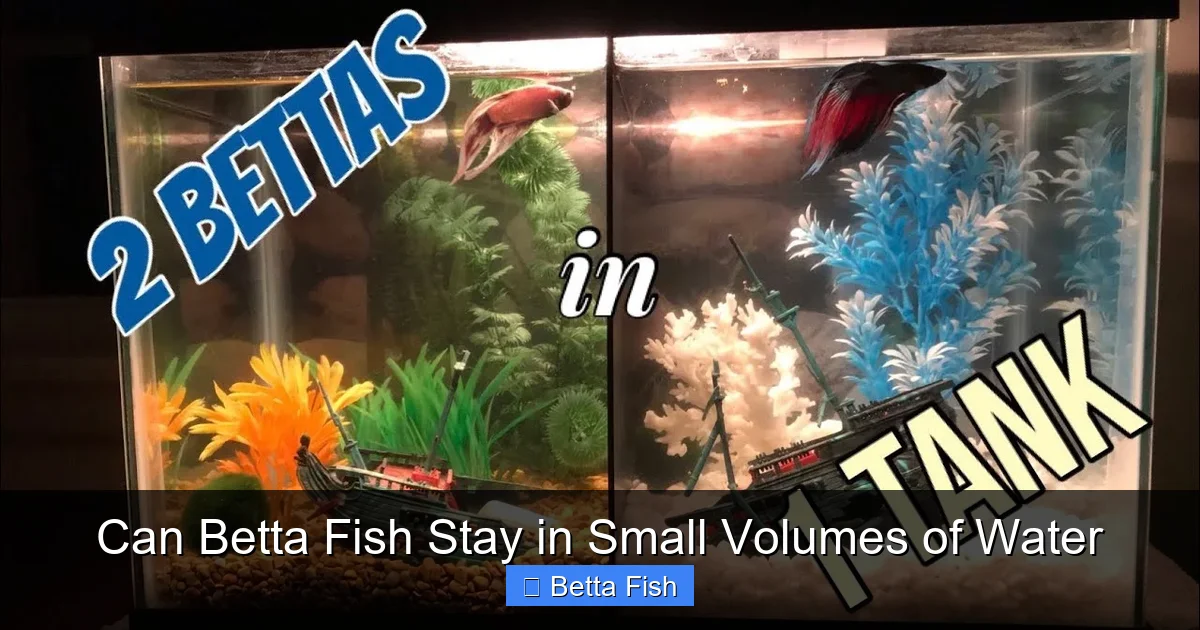
In a small bowl or tiny tank, there is not enough water volume to dilute the waste. Ammonia levels spike rapidly, sometimes reaching toxic levels within just a day or two. Without a filter, there is no beneficial bacteria colony to process the waste. The result is essentially a toxic soup that burns your betta’s gills, damages its organs, and weakens its immune system. Even if you change the water frequently, the constant fluctuations in water parameters cause enormous stress to the fish.
To put this in perspective, imagine being locked in a small room with no ventilation. The air would become stale and filled with carbon dioxide very quickly. Now imagine that room also has no bathroom. That is essentially what life is like for a betta in a small, unfiltered container.
Temperature Instability
Betta fish are tropical creatures. They need water temperatures between 76 and 82 degrees Fahrenheit to stay healthy. In a small volume of water, temperature fluctuates wildly. The water cools down quickly at night and heats up fast during the day. Even small changes in room temperature can cause significant swings in a tiny bowl.
These temperature fluctuations stress the betta’s immune system and make it vulnerable to diseases like ich, fin rot, and fungal infections. A proper-sized tank holds heat more consistently, and a small aquarium heater can maintain a stable temperature. In a bowl, there is usually no room for a heater, and even if there were, the small water volume would make it difficult to maintain a consistent temperature.
Stunted Growth and Physical Problems
There is a common myth that fish only grow to the size of their container. While this is not entirely accurate, keeping a betta in a small volume of water can indeed stunt its growth and cause physical deformities. The stress of living in cramped, poor-quality water affects the fish’s development. Its body may not reach its full size, and its fins may not develop properly.
Beyond stunting, bettas in small containers often develop other physical problems. They may become bloated from poor water quality, develop swim bladder issues from lack of exercise, or suffer from fin damage because they have no room to swim freely. A healthy betta in a proper tank will display its full, magnificent finnage and vibrant colors. A betta in a small bowl often looks dull, clamped, and miserable.
Behavioral Changes and Stress
Betta fish are intelligent and curious creatures. In the wild, they explore their territory, hunt for food, and interact with their environment. In a small bowl, there is nothing to explore and nothing to do. The fish becomes bored and stressed, which leads to a range of behavioral problems.
Common signs of stress in bettas kept in small volumes of water include lethargy, loss of appetite, clamped fins (fins held tight against the body), glass surfing (frantically swimming along the sides of the container), and color fading. Some bettas become so stressed that they simply give up and stop eating altogether. A happy, healthy betta in a proper tank will be active, curious, and display beautiful, flowing fins.
What Is the Right Tank Size for a Betta Fish?
The 5-Gallon Minimum
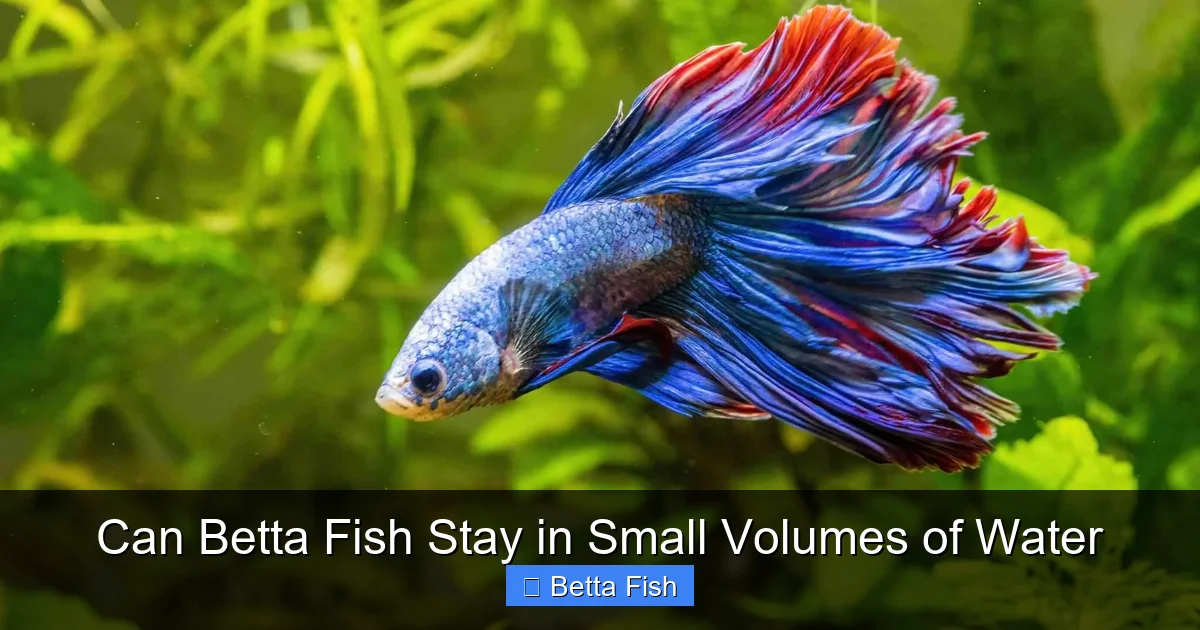
Most experienced betta keepers and aquatic veterinarians recommend a minimum of 5 gallons for a single betta fish. This might sound like a lot compared to the tiny cups you see in stores, but it makes a world of difference for the fish. A 5-gallon tank provides enough water volume to dilute waste, maintain stable parameters, and give the betta room to swim and explore.
Visual guide about Can Betta Fish Stay in Small Volumes of Water
Image source: fishkeepandchill.com
A 5-gallon tank also allows you to install a gentle filter and a small heater, both of which are essential for a healthy betta setup. The filter keeps the water clean and establishes a beneficial bacteria colony, while the heater maintains a stable tropical temperature. These two pieces of equipment are nearly impossible to use in a small bowl, which is another reason why tiny containers are so problematic.
If you want to go even bigger, that is great too. A 10-gallon tank is an excellent choice for a betta and gives you more flexibility with decorations and even some compatible tank mates. The general rule is that bigger is always better when it comes to fish tanks.
Why Bigger Is Always Better
Think of it this way. Would you rather live in a spacious apartment or a closet? The same logic applies to your betta. A larger tank means more stable water parameters, more room for swimming, more opportunities for enrichment, and a happier, healthier fish. It also means less maintenance for you, because larger volumes of water take longer to become polluted.
Many people are surprised to learn that larger tanks are actually easier to maintain than small ones. In a small bowl, you might need to change the water every day or two to keep ammonia levels in check. In a properly cycled 5-gallon tank, a weekly partial water change of 25-30 percent is usually sufficient. So not only is a bigger tank better for your betta, it is also less work for you in the long run.
Setting Up the Perfect Betta Tank
Essential Equipment
Setting up a proper betta tank does not have to be expensive or complicated. Here is what you need to get started:
Visual guide about Can Betta Fish Stay in Small Volumes of Water
Image source: i.pinimg.com
- A 5-gallon or larger tank: Glass or acrylic, with a lid to prevent jumping.
- A gentle filter: Bettas do not like strong currents. A sponge filter or an adjustable hang-on-back filter set to low is ideal.
- An aquarium heater: Look for an adjustable heater rated for your tank size. A good rule of thumb is 5 watts per gallon.
- A thermometer: To monitor water temperature and make sure the heater is working properly.
- Water conditioner: Essential for removing chlorine and chloramines from tap water. Check out our guide on what type of water betta fish need for more details.
- Substrate and decorations: Smooth gravel or sand, along with live or silk plants for hiding spots. Avoid sharp plastic plants that can tear delicate betta fins.
The Nitrogen Cycle
Before adding your betta to a new tank, you need to cycle it. The nitrogen cycle is the process by which beneficial bacteria establish themselves in your filter and substrate. These bacteria convert toxic ammonia into nitrite and then into less harmful nitrate. Cycling a tank typically takes 4-6 weeks, but it is one of the most important steps in setting up a healthy aquarium.
Skipping the cycling process and adding a betta immediately to a new tank is one of the most common mistakes new fish owners make. Without beneficial bacteria, ammonia builds up fast and can kill your fish. Be patient, cycle your tank properly, and your betta will thank you with years of vibrant, healthy life.
Water Changes and Maintenance
Even in a properly cycled tank, regular water changes are essential. For a 5-gallon betta tank, a weekly water change of 25-30 percent is a good starting point. Use a gravel vacuum to remove debris from the substrate, and always treat new water with a conditioner before adding it to the tank.
Testing your water regularly with a liquid test kit will help you stay on top of ammonia, nitrite, and nitrate levels. If you notice any spikes, increase the frequency of your water changes until the parameters stabilize. Consistent maintenance is the key to a long-lived, healthy betta.
Common Myths About Betta Fish and Small Water
Myth: Bettas Prefer Small Spaces
This is perhaps the most damaging myth of all. Some people claim that bettas actually like small spaces because they feel more secure. The truth is that bettas in the wild inhabit areas that, while sometimes shallow, cover a large geographic range. A single betta’s territory in a rice paddy can span several square meters. Confining them to a tiny bowl is the opposite of what they prefer.
In a proper tank with plenty of plants and hiding spots, a betta will feel secure and display natural behaviors. It will explore its environment, build bubble nests, and show off its magnificent fins. A betta in a small bowl has none of these opportunities and is simply existing, not living.
Myth: Bettas Are Low-Maintenance Pets
Bettas are often marketed as easy, low-maintenance pets that are perfect for beginners or children. While it is true that bettas are hardier than many other tropical fish, they still require proper care. A filtered, heated tank of appropriate size, regular water changes, a varied diet, and environmental enrichment are all necessary for a healthy betta.
Calling bettas low-maintenance often leads to neglect. People set up a small bowl, drop the fish in, and forget about it. Weeks or months later, they wonder why the fish died. The truth is that no pet is truly low-maintenance, and bettas deserve the same level of care and commitment as any other animal.
Myth: If the Fish Is Still Alive, It Must Be Fine
Just because a betta is still alive in a small bowl does not mean it is healthy or happy. Fish are prey animals, and they have evolved to hide signs of illness and stress. By the time a betta shows obvious symptoms like lethargy, fin rot, or loss of color, it has likely been suffering for a long time.
A betta in a small volume of water is in a constant state of stress. Its immune system is compromised, its growth may be stunted, and its lifespan is significantly reduced. Do not wait for obvious signs of distress to take action. Give your betta the proper setup from the start, and you will be rewarded with a vibrant, active fish that truly thrives.
The Truth About Betta Fish in the Wild
Their Natural Habitat
Understanding where betta fish come from in the wild helps us understand what they need in captivity. Betta splendens, the species most commonly kept as pets, is native to the Mekong and Chao Phraya river basins in Thailand, Cambodia, Laos, and Vietnam. They inhabit shallow, slow-moving waters like rice paddies, marshes, and floodplains.
While these waters can be shallow, they are part of vast, interconnected systems. The water is warm, soft, and slightly acidic. There is abundant plant life for cover and hunting. The total volume of water available to a wild betta is enormous compared to a small bowl. Even in a temporary puddle during the dry season, the betta has the ability to jump to a larger body of water or use its labyrinth organ to survive until conditions improve.
What We Can Learn from Nature
The natural habitat of the betta fish tells us several important things. First, they need warm water. Second, they benefit from a heavily planted environment with plenty of hiding spots. Third, they need space to swim and explore. And fourth, they are adapted to clean, well-oxygenated water, even if they can survive temporary periods of poor conditions.
When we replicate these conditions in our home aquariums, we give our bettas the best possible chance at a long, healthy life. A 5-gallon or larger tank with a heater, filter, live plants, and smooth decorations comes much closer to a betta’s natural environment than a bare bowl ever could.
How to Transition Your Betta to a Better Home
If Your Betta Is Currently in a Small Bowl
If you are reading this and your betta is currently living in a small bowl or cup, do not feel guilty. Many people start out with the wrong information, and the fact that you are researching how to improve your betta’s life shows that you care. The good news is that it is never too late to make a change.
Start by getting a proper tank. A 5-gallon kit is affordable and widely available. Set it up with a filter, heater, and decorations, and begin the cycling process. While the tank is cycling, keep your betta in its current container but start doing daily water changes with conditioned water to keep the quality as good as possible. Once the tank is cycled, gently acclimate your betta to its new home.
What to Expect After the Move
When you first move your betta to a larger, properly equipped tank, you may be amazed at the transformation. Many betta owners report that their fish become more active, display brighter colors, and start building bubble nests within days of being moved to a better environment. It is one of the most rewarding experiences in fishkeeping.
Your betta may take a day or two to adjust to its new surroundings. This is normal. Give it time, keep the lights dim for the first day, and resist the urge to overfeed. Once settled, your betta will begin to explore its new territory and show you its true personality.
Conclusion
So, can betta fish stay in small volumes of water? Technically, they can survive in them for a while. But survival is not the same as living a good life. The evidence is clear that bettas kept in small, unfiltered, unheated containers suffer from poor water quality, temperature instability, stunted growth, stress, and significantly shortened lifespans.
The good news is that giving your betta a proper home is not difficult or expensive. A simple 5-gallon tank with a filter, heater, and a few plants can transform your betta’s life. You will be rewarded with a vibrant, active fish that displays its full beauty and lives for years instead of months.
Your betta depends on you for everything. It cannot choose its home, its water, or its food. By choosing to provide a proper environment, you are making a commitment to your fish’s health and happiness. And trust us — the difference between a betta that merely survives and one that truly thrives is night and day. Give your betta the home it deserves, and you will both be happier for it.
Frequently Asked Questions
Can betta fish live in a bowl?
While betta fish can survive temporarily in a bowl, it is not an ideal long-term home. Bowls lack proper filtration, heating, and space, which leads to poor water quality and stress. For a healthy, happy betta, a filtered and heated tank of at least 5 gallons is strongly recommended. Learn more about keeping betta fish in bowls and why larger setups are better.
How often should I change the water in a small betta bowl?
If your betta is temporarily in a small bowl, you should change at least 50-100 percent of the water every day or every other day to prevent toxic ammonia buildup. However, this is not a sustainable long-term solution. Moving your betta to a filtered tank will reduce maintenance and dramatically improve water quality and your fish’s health.
Do betta fish need a filter in their tank?
Yes, betta fish benefit greatly from a filter. Filters remove debris, house beneficial bacteria that break down toxic ammonia, and help maintain stable water parameters. Without a filter, waste accumulates rapidly and creates harmful conditions. A gentle sponge filter is an excellent choice for betta tanks because it provides filtration without creating strong currents.
What is the smallest tank size for a betta fish?
The absolute minimum recommended tank size for a betta fish is 5 gallons. While some sources suggest 2.5 gallons as a bare minimum, a 5-gallon tank provides much more stable water parameters, room for a heater and filter, and adequate swimming space. Larger tanks like 10 gallons are even better and make maintenance easier.
Why does my betta fish stay at the top of the tank?
Bettas naturally go to the surface to breathe air using their labyrinth organ, which is completely normal. However, if your betta is constantly at the top and gasping, it could indicate poor water quality, low oxygen levels, or high ammonia. Testing your water parameters and ensuring proper filtration will help address this issue. Read more about why betta fish stay at the top of the tank.
Can betta fish live in tap water?
Betta fish can live in tap water, but only if it is properly treated with a water conditioner first. Tap water contains chlorine, chloramines, and heavy metals that are harmful to fish. Always use a dechlorinator before adding tap water to your betta’s tank. For more information, check out our guide on what type of water betta fish need.