Can a Betta Live with Another Fish
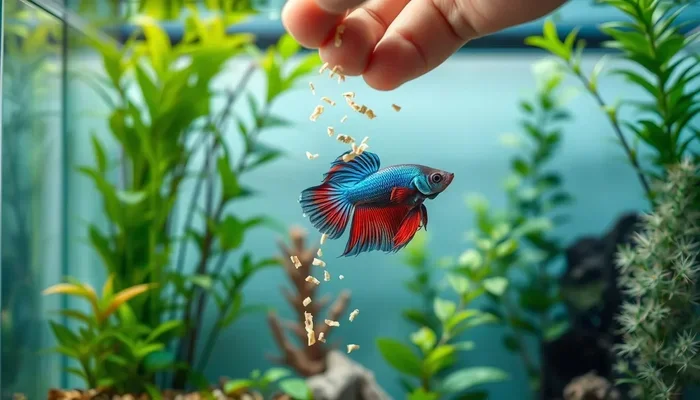
Betta fish can share a tank, but only with the right companions and careful planning. Choosing peaceful, similarly sized fish, providing plenty of hiding spots, and monitoring behavior are key to a harmonious community.
Key Takeaways
- Tank size matters: A minimum of 20‑gal is recommended for most community setups.
- Choose peaceful mates: Small, non‑aggressive species like neon tetras or corydoras are good options.
- Male bettas are territorial: They often cannot coexist with other males or similarly flashy fish.
- Plenty of cover reduces stress: Plants, rocks, and decorations give each fish a safe space.
- Monitor daily: Early signs of stress or aggression should trigger immediate intervention.
- Water parameters must be consistent: Keep temperature, pH, and hardness within betta‑friendly ranges.
- Research each species: Verify that any new fish shares similar water and diet needs.
📑 Table of Contents
Introduction: The Social Life of Betta Fish
Betta fish, often called Siamese fighting fish, are famous for their dazzling fins and feisty personality. Many beginners wonder if these striking creatures can live with other fish. The short answer is “yes, but with conditions.” Unlike goldfish or guppies, bettas are territorial, especially males. Understanding their natural behavior helps you create a tank where everyone thrives.
In this guide we’ll explore the factors that determine compatibility, list safe tank mates, explain how to set up a community aquarium, and give you a checklist for ongoing care. By the end you’ll know exactly whether a betta can live with another fish and how to make it work.
1. Understanding Betta Temperament
1.1. Male vs. Female Betta
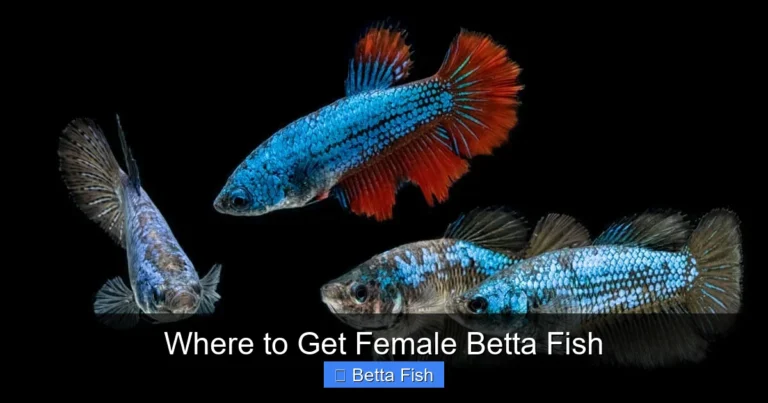
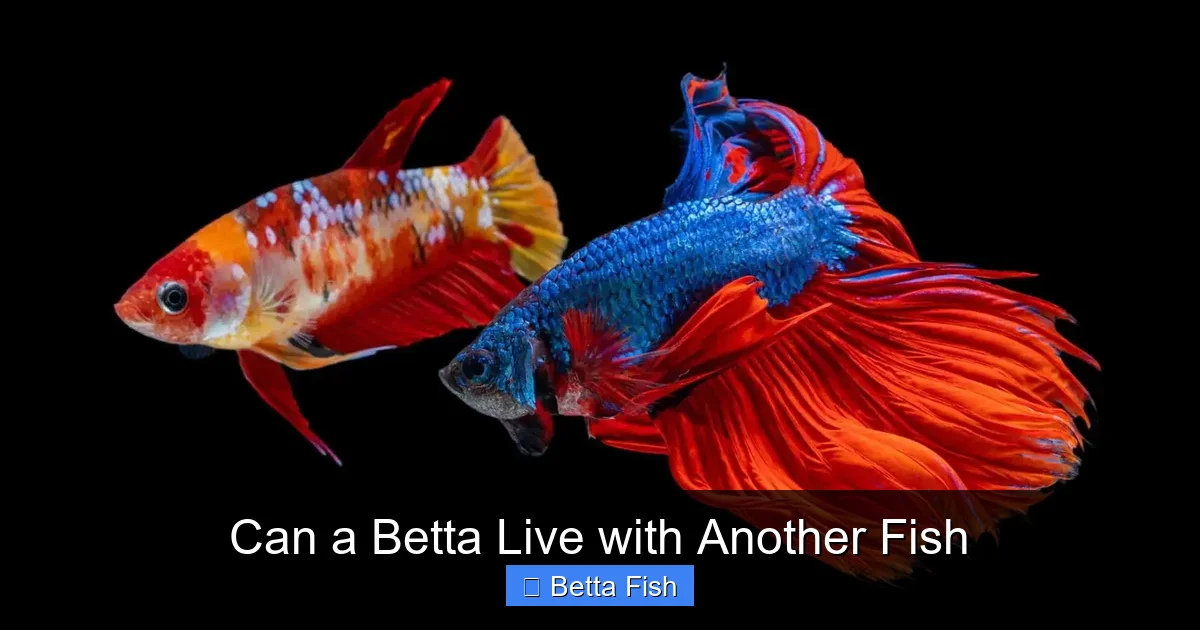
Male bettas are the ones most people keep for their vibrant colors. They are highly territorial and will often flare at any fish that looks similar or moves too close. Female bettas are generally less aggressive and can sometimes be kept in groups called “sororities,” but they still need space.
Visual guide about Can a Betta Live with Another Fish
Image source: bettasource.com
1.2. Natural Habitat Insights
In the wild, bettas inhabit shallow, slow‑moving waters of Thailand and Malaysia, where they hide among vegetation and surface film. This environment teaches them to be both solitary hunters and cautious neighbors. Replicating this in the aquarium—soft water, warm temperature (78‑82°F), and plenty of plants—helps reduce stress.
1.3. Why Aggression Happens
Betta aggression is triggered by:
- Bright colors that resemble a rival’s fins.
- Fast, erratic swimming that looks like a challenge.
- Limited space that forces fish into each other’s territory.
Knowing these triggers lets you avoid common pitfalls when choosing tank mates.
2. Choosing the Right Tank Mates
2.1. Ideal Species
The best companions are small, peaceful, and have a different body shape or coloration than the betta. Some proven options include:
Visual guide about Can a Betta Live with Another Fish
Image source: i.ytimg.com
- Neon tetras
- Corydoras catfish
- Harlequin rasboras
- Otocinclus algae eaters
- Small snails (e.g., nerite)
These fish stay low in the water column or move quickly enough to avoid direct confrontation.
2.2. Species to Avoid
Stay away from fish that are:
- Fin‑nipping species (e.g., tiger barbs, loaches).
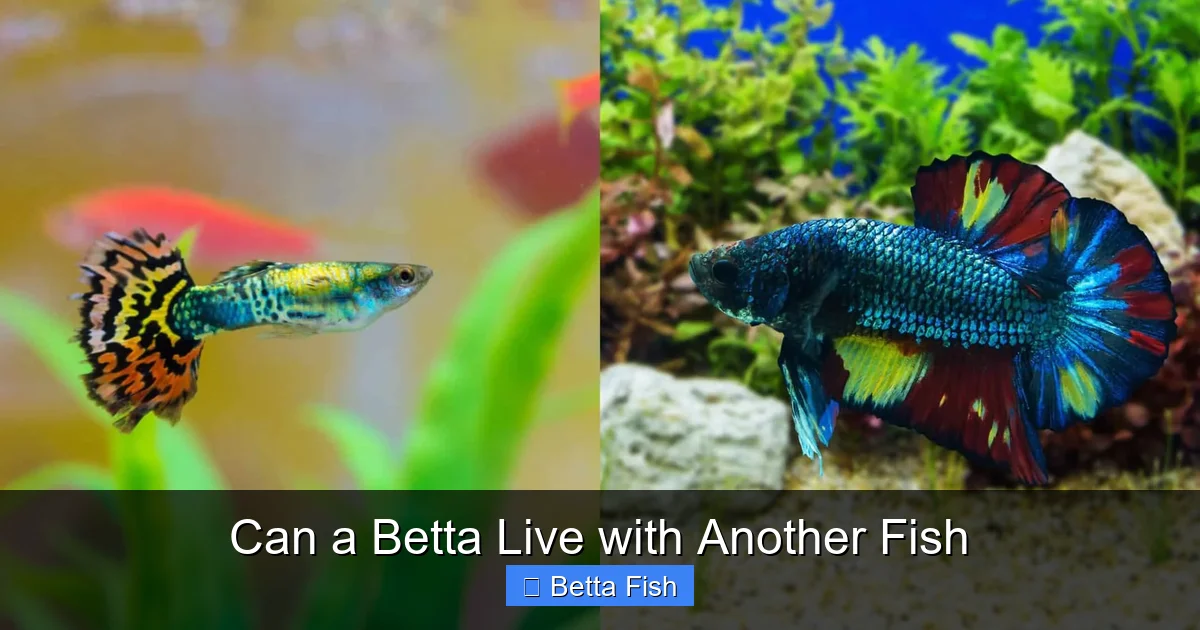
- Brightly colored, long‑fin fish that a betta may mistake for a rival (e.g., guppies with large tails).
- Other male bettas or similarly aggressive cichlids.
For a deeper dive on compatible fish, see our article on What Fish Can Live With A Betta.
2.3. Gender Considerations
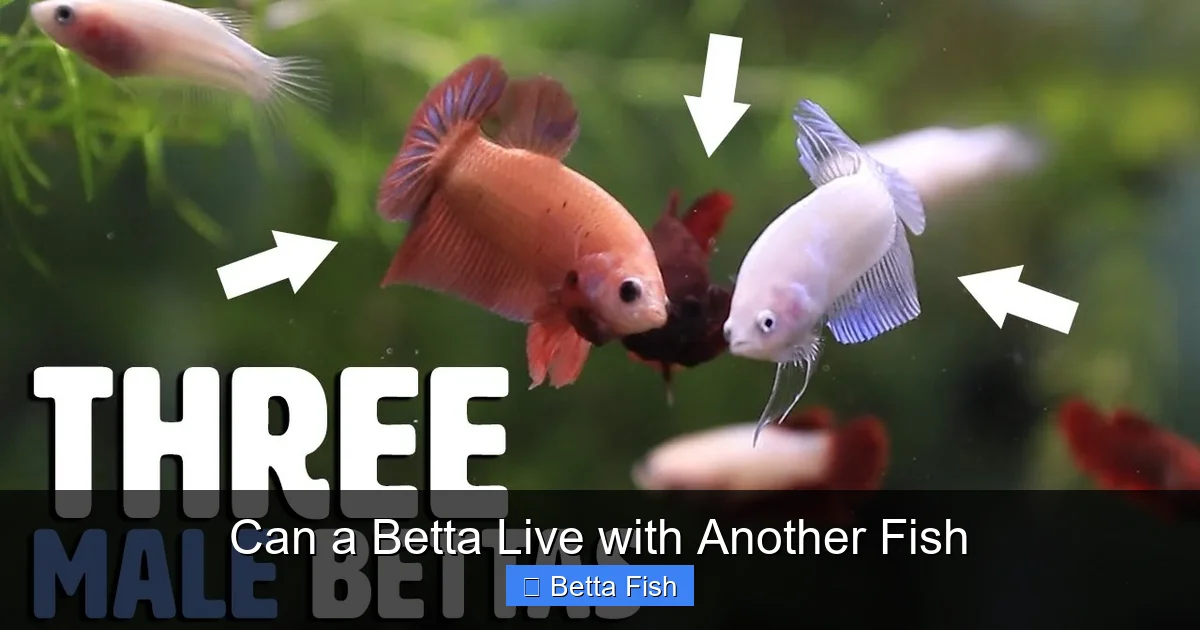
Male bettas rarely coexist peacefully with other males. Female bettas can sometimes be housed together, but each should have at least 3‑gal of personal space. Mixing genders is not advised unless you plan a controlled breeding setup.
3. Setting Up a Community Tank
3.1. Minimum Tank Size
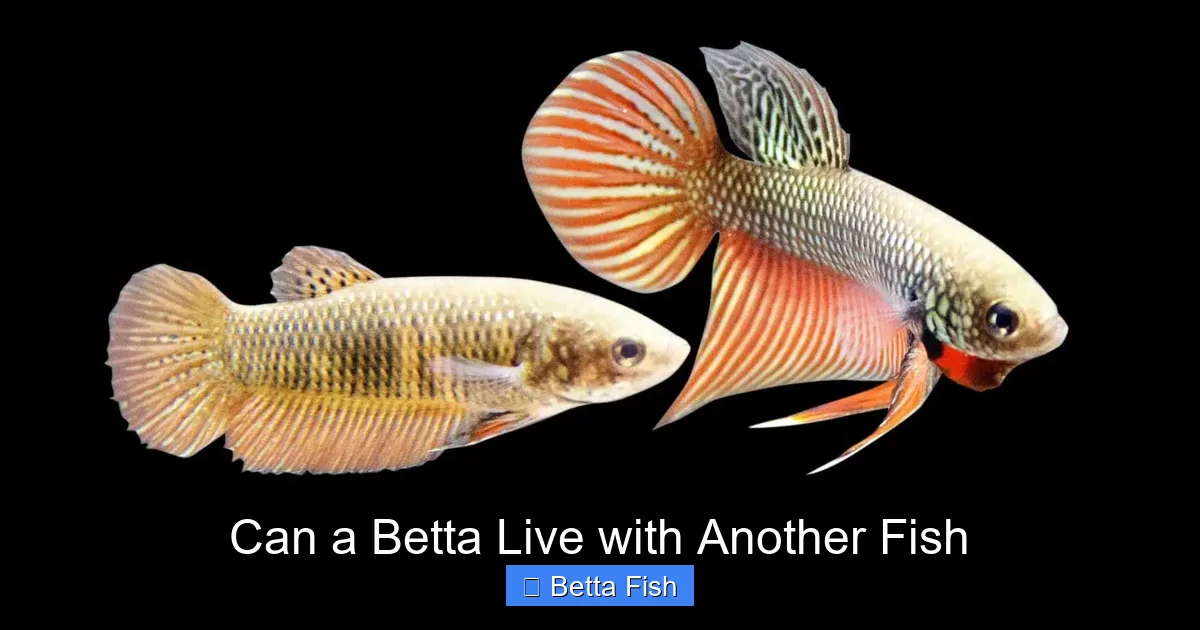
While a single betta can survive in a 2‑gal bowl, a community tank needs at least 20 gallons. This provides room for territories, swimming space, and water stability.
Visual guide about Can a Betta Live with Another Fish
Image source: bettasource.com
3.2. Aquascaping for Peace
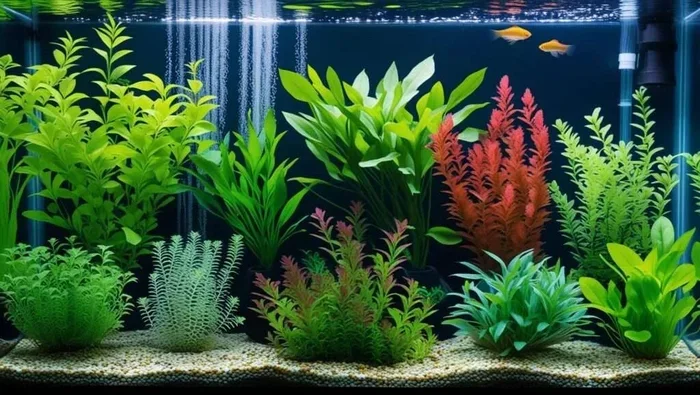
Use live or silk plants, driftwood, and rocks to create visual barriers. Plant dense patches of Java fern, Anubias, or Vallisneria. These not only hide the betta’s fins but also give shy tank mates places to retreat.
3.3. Filtration and Water Flow
Betas prefer gentle currents. Choose a sponge filter or a hang‑on‑back unit with a flow adjuster. Too strong a flow can stress the betta and push smaller fish into dangerous corners.
3.4. Temperature and Water Parameters
Maintain a stable temperature of 78‑82°F using an aquarium heater. Keep pH between 6.5‑7.5 and hardness soft to slightly hard (50‑150 ppm). Regular water changes (20‑30% weekly) keep nitrate levels low.
3.5. Introducing New Fish
Quarantine new arrivals for at least two weeks to prevent disease. When adding them to the main tank, use a breeder box or a clear plastic divider for the first 24‑48 hours. This allows visual acclimation without direct contact.
4. Monitoring Compatibility Over Time
4.1. Signs of Stress
Watch for faded colors, clamped fins, or a betta constantly hiding. Other fish may show rapid breathing, loss of appetite, or faded spots.
4.2. Early Aggression Management
If the betta flares or nips within the first few days, try rearranging decorations to break line‑of‑sight. Sometimes a simple re‑layout diffuses territorial claims.
4.3. When to Separate
Persistent aggression that results in injuries means it’s time to move the betta to a separate tank. Keeping a spare 10‑gal tank ready can save both fish from prolonged stress.
5. Frequently Asked Questions About Betta Co‑habitation
5.1. Can a betta live with guppies?
Generally no. Guppies have long, flowing tails that a male betta may see as a rival, leading to fin nipping.
5.2. Is it safe to keep a betta with a snail?
Yes. Snails such as nerite or mystery snails are excellent tank mates; they clean algae and are not seen as competition.
5.3. Can a betta share a tank with a dwarf shrimp?
Many bettas ignore shrimp, but some may view them as food. Observe closely and be ready to separate if nipping occurs.
5.4. What about adding an algae eater?
Peaceful algae eaters like otocinclus or siamese algae eaters usually coexist well. Learn more in Can A Betta Fish Live With An Algae Eater.
5.5. Do bettas get along with other bettas?
Only under very specific conditions—such as a divided tank or a sorority of females with ample space. For most hobbyists, keeping a single betta is safest.
5.6. How often should I feed a community tank with a betta?
Feed small amounts 2‑3 times daily. Offer a varied diet: high‑quality betta pellets, frozen daphnia for the betta, and micro‑flakes or brine shrimp for the other fish.
Conclusion: Making the Decision
Can a betta live with another fish? Yes—provided you select compatible, peaceful tank mates, give them a spacious, well‑planted environment, and keep a close eye on behavior. The key is respecting the betta’s territorial nature while offering enough hiding places for all residents.
Start with a 20‑gal tank, add a few small schooling fish or a gentle algae eater, and let the betta settle. Monitor for any signs of stress, and be ready to adjust or separate if needed. With patience and proper setup, you’ll enjoy a vibrant, interactive aquarium that showcases the betta’s beauty alongside its new friends.
Frequently Asked Questions
Can a betta live with goldfish?
No. Goldfish produce a lot of waste, require cooler water, and are much larger, making them unsuitable tank mates for bettas.
What is the safest way to introduce a new fish to a betta tank?
Use a quarantine period, then add the new fish in a breeder box inside the main tank for 24‑48 hours before full release.
Are female bettas better community fish than males?
Female bettas are generally less aggressive, but they still need space and should not be kept with males.
Can I keep a betta with a dwarf corydoras?
Yes. Dwarf corydoras are bottom‑dwelling, peaceful, and rarely interact with the betta’s territory.
Do bettas need a heater if they share a tank with tropical fish?
Yes. Maintaining a stable temperature of 78‑82°F is crucial for both the betta and most tropical community fish.
How often should I change the water in a community tank with a betta?
Perform a 20‑30% water change weekly, testing for ammonia, nitrite, and nitrate to keep parameters stable.