Where to Get Female Betta Fish
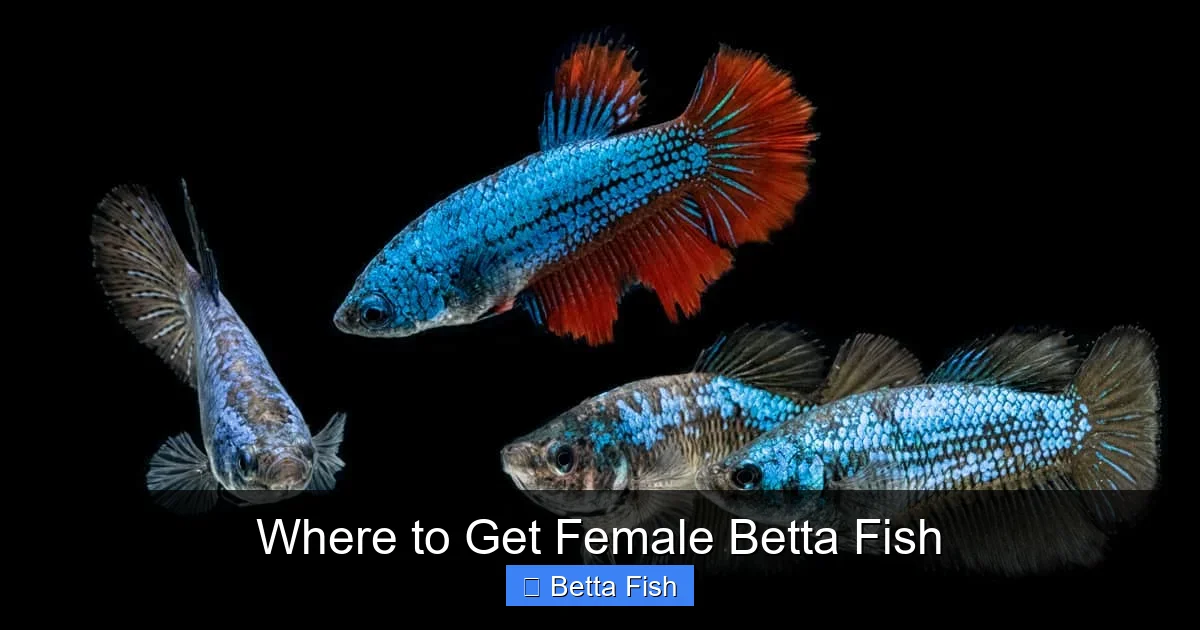
Finding a healthy female betta fish requires knowing where to look and what to evaluate. Your best sources are specialized local fish stores (LFS), reputable online breeders, and high-quality aquarium retailers. Prioritize sellers who focus on betta health, provide clear photos/videos, and offer a live-arrival guarantee. Avoid big-box stores for specific female bettas, as their stock is often random and stressed.
So, you’ve decided to dive into the fascinating world of female betta fish. Maybe you’re dreaming of a peaceful, colorful sorority tank or you’re drawn to the subtle beauty and active personalities of the females. Whatever your reason, your first and most crucial step is finding a healthy, well-bred female betta. This isn’t as simple as just pointing at any fish with shorter fins. The source you choose dramatically impacts your new pet’s health, temperament, and your overall success. This guide will walk you through every viable option, from your neighborhood shop to a breeder’s website, arming you with the knowledge to make a smart, compassionate choice.
Let’s be clear: not all sources are created equal. A sickly betta from a stressed environment can bring disease into your aquarium, leading to heartbreak and financial loss. Conversely, a vibrant, genetically sound female from a quality source can thrive for years, becoming the centerpiece of a stunning community. We’ll break down the pros, cons, and red flags of each avenue, teaching you exactly where to get female betta fish that will flourish under your care.
Key Takeaways
- Specialized Local Fish Stores (LFS) are often the top choice: They prioritize fish health, allow you to see the fish in person, and provide expert, personalized advice for setting up a female betta sorority.
- Reputable online betta breeders offer the best selection: You can find specific colors, fin types, and healthy genetics shipped directly, but you must research breeders thoroughly for their shipping practices and customer reviews.
- High-end aquarium retailers are a reliable middle ground: Stores like PetSmart and PetCo can have healthy females, but selection is inconsistent; call ahead to confirm they have females specifically and inspect them carefully.
- Avoid generic big-box and department stores: Their bettas are typically kept in poor conditions (tiny cups), are almost always male due to their flashier fins, and suffer from high stress and disease.
- Always evaluate the fish’s health and environment first: Look for active swimming, intact fins, no clamped fins or spots, and observe how the store maintains their betta tanks—clean water is non-negotiable.
- Ask about a live-arrival or health guarantee: Reputable sellers stand by their stock. A guarantee protects your investment and shows the seller has confidence in their fish’s health and shipping method.
- Consider betta shows and community groups: These are excellent for finding high-quality, show-grade females from dedicated hobbyists who breed for temperament and conformation.
📑 Table of Contents
- Why the Source Matters: Health, Temperament, and Ethics
- Top Tier Source #1: The Specialized Local Fish Store (LFS)
- Top Tier Source #2: Reputable Online Betta Breeders
- Top Tier Source #3: High-End Aquarium Retailers & Large Chains (With Caution)
- Sources to Generally Avoid for Female Bettas
- The Final Checklist: Evaluating Your Potential Purchase
- Conclusion: Your Journey to the Perfect Female Betta Starts Here
Why the Source Matters: Health, Temperament, and Ethics
Before we list the “where,” we must understand the “why.” The journey of a female betta fish from a breeder or collector to your home tank is a long one. At each stage, its welfare is dependent on human care. The conditions it comes from set the baseline for its immune system and stress levels.
The Domino Effect of Poor Sourcing
A betta raised in overcrowded, warm, dirty water with poor nutrition is chronically stressed. This suppresses its immune system. Even if it looks “okay” when you buy it, hidden parasites or bacterial infections can flare up once introduced to your stable aquarium, potentially wiping out other inhabitants. Furthermore, temperament is partly genetic. Breeders who select for peaceful, sociable females (ideal for sororities) are more likely to produce fish that tolerate tankmates. A random female from a mass-breeding operation intended for the male trade may have unpredictable, even aggressive, tendencies.
The Ethical Consideration
Where you spend your money is a vote. Supporting local shops and dedicated breeders who keep their bettas in filtered, heated, spacious conditions promotes better industry standards. It discourages the harmful practice of keeping bettas in tiny, unheated cups—a sight all too common in some large chains. By choosing quality sources, you’re advocating for the humane treatment of these intelligent, beautiful fish.
Top Tier Source #1: The Specialized Local Fish Store (LFS)
This should be your first stop. A true local fish store is a treasure trove for aquarists. Unlike big-box retailers, these are often family-owned businesses run by passionate hobbyists. Their expertise and commitment to fish health are usually unparalleled.

Visual guide about Where to Get Female Betta Fish
Image source: cdn.shopify.com
The Unbeatable Advantages
- See the Fish in Person: You can observe the female betta’s actual behavior. Is she active? Curious? Swimming smoothly? Does she flare at her reflection (a sign of spirit, not necessarily aggression)? You can inspect her fins for tears, rot, or clamping.
- Assess the Environment: Look at the tank she’s in. Is it clean? Is there a filter and heater? Are the other fish healthy? A store that invests in proper display conditions almost certainly invests in the fish’s long-term health. Clean water equals a stronger immune system.
- Expert, Personalized Advice: The staff can tell you about her specific personality, if she’s been housed with other females (a huge plus for sorority beginners), and give tailored advice on cycling your tank, compatible tankmates, and feeding.
- Immediate Ownership: No shipping stress. You can set up your tank, acclimatize her properly, and start observing her right away. This eliminates the risk of shipping delays or mishandling.
- Community Hub: LFSs are often connected to local aquarium clubs. They might know of other hobbyists breeding females or can alert you when a new shipment of quality females arrives.
How to Vet Your Local Fish Store
Not all LFSs are equal. Use this checklist:
- Betta Display: Are the bettas in individual containers (jars or divided tanks) with clean water, heaters, and hiding spots? Or are they stacked in tiny, dirty cups?
- Staff Knowledge: Ask a simple question: “What do you recommend for a female betta sorority?” Their answer will tell you everything. Vague or incorrect advice is a red flag.
- Fish Health: Look for plump, vibrant fish with no signs of fin rot (ragged, blackened edges), ich (white spots), or velvet (golden dusting). Fish should be alert and responsive.
- Selection: Do they consistently have females? Or is it all males? A store that regularly stocks females understands the demand and the nuances.
Pro Tip: Build a relationship. Go in regularly, ask questions, make purchases. A store that knows you’re a serious, responsible hobbyist will be more likely to set aside a particularly special female for you or give you a heads-up on new arrivals.
Top Tier Source #2: Reputable Online Betta Breeders
For the absolute best selection, genetics, and often the healthiest stock, dedicated online betta breeders are the gold standard. These are individuals or small operations passionate about improving the species. They breed for specific colors, fin types (like halfmoon, plakat, or delta), and crucially, for temperament.

Visual guide about Where to Get Female Betta Fish
Image source: cdn.shopify.com
The Online Advantage: Quality & Choice
- Genetic Focus: Breeders track lineage, select for vibrant colors, and work to strengthen the gene pool. You can get a female with a specific, hard-to-find color pattern or a peaceful disposition bred over generations.
- Health Protocols: Serious breeders quarantine all new stock, treat for internal parasites prophylactically, and feed high-quality diets. Their fish are often heartier and better prepared for life in a home aquarium.
- Direct from Source: You cut out multiple middlemen, meaning the fish has experienced less stress and handling before arriving with you.
- Resources & Support: Good breeders provide detailed care sheets, are available for questions post-purchase, and often have extensive knowledge they’re happy to share.
How to Find & Vet a Reputable Online Breeder
This is the most critical part. The internet is full of scams and low-quality sellers. Here’s your due diligence protocol:
- Google is Your Friend: Search for “female betta breeder,” “betta sorority females,” or “plakat female betta breeder.” Don’t just look at the first page. Read reviews on forums like Reddit (r/bettafish), Fishlore, or Seriously Fish.
- Examine Their Website/Social Media: Look for clear, high-quality photos and, most importantly, video of the fish. A video shows movement, fin condition, and behavior. Still photos can be misleading. Do they show the fish in proper setups? Do they discuss their breeding philosophy, water parameters, and feeding regimen?
- Ask Direct Questions: Before buying, email them. Ask: “What is your live arrival guarantee?” “Do you heat and filter your betta holding tanks?” “Do you prophylactically treat for parasites?” “What is your quarantine process?” Their answers will be very telling. A vague or defensive response is a red flag.
- Shipping Practices: They should use overnight shipping (UPS/FedEx) with a heat/cold pack as needed, and ship only on Monday-Wednesday to avoid weekend delays. They should have a clear, written policy on what happens if a DOA (Dead On Arrival) occurs.
- Price Point: Expect to pay $30-$100+ for a quality female from a breeder, depending on rarity. A $15 female shipped online is a major red flag for poor health and high shipping mortality risk.
Example: A breeder like “Siam Crown Betta” (a fictional example) might specialize in giant halfmoon females with deep red colors. Their Instagram is filled with videos of females actively swimming in planted tanks. Their website states all fish are quarantined for 30 days, treated with metro+ and general cure, and shipped via UPS overnight with a 100% live arrival guarantee on a refund or replacement. This is the profile you want.
Top Tier Source #3: High-End Aquarium Retailers & Large Chains (With Caution)
Stores like PetSmart, PetCo, and large regional aquarium centers can be a viable option, but with significant caveats. Their strength is convenience and sometimes decent basic stock.

Visual guide about Where to Get Female Betta Fish
Image source: bettasource.com
The Potential and The Pitfalls
In recent years, some large chains have improved their betta care standards, keeping them in heated, filtered systems rather than cups. This is a huge win. However, their supply chain is designed for volume, not specificity. You cannot call and order a “female crowntail in blue.” You get what arrives that day, which is often random.
How to Navigate These Stores Successfully
- Call Ahead: This is non-negotiable. Ask the aquatic department manager: “Do you currently have any female bettas in stock?” “Are they kept in the heated display system or in cups?” If they say cups, walk away. If they say system, ask to see them.
- Inspect Meticulously: Use the same health checklist as for an LFS. Pay extra attention because these fish may have been through more handling and stress from the distributor.
- Understand the Odds: You might go in wanting a specific type and leave with a different, beautiful female because that’s what was available. Be flexible.
- Ask About Their Supplier: Sometimes, these stores source from the same reputable breeders. If you can find out who their betta supplier is, you can research that supplier directly for a better experience.
Key Insight: Your goal here is to find a healthy individual, not a specific show-quality specimen. For a first female betta or a sorority where individual distinctness matters less than overall health and compatibility, a good chain store find can be perfect.
Sources to Generally Avoid for Female Bettas
Not every place that sells fish is suitable for finding a specific, healthy female betta. Knowing where not to look saves you time, money, and fish lives.
The Male-Betta-Cup Trap
The ubiquitous image of a betta in a small, decorative cup is almost always a male. Males are sold this way because their long fins are more “showy” to the casual buyer, and they must be isolated due to aggression. You will rarely, if ever, find a female in this setup. Stores using this method are not prioritizing fish welfare, and the stress and poor water quality have likely compromised any fish’s health.
Generic Big-Box & Department Stores
Outside of dedicated pet sections (like the previously mentioned chain pet stores), places like Walmart, grocery stores with pet sections, or hardware stores with a few fish tanks are high-risk. Their expertise is zero, their water maintenance is often abysmal, and the turnover is high. The chance of getting a diseased, stressed fish is significant. Avoid entirely for a species as sensitive as a betta.
Unverified Online Marketplaces (e.g., eBay, general Etsy pet shops)
While some excellent breeders use these platforms, they are also flooded with wholesale resellers and “betta mills.” These sellers list beautiful pictures but may be shipping fish from Southeast Asia in bulk, with high mortality rates and poor health. The lack of direct breeder accountability is dangerous. If you use these sites, apply the vetting process from Section 3 with extreme rigor. Look for seller reviews specifically mentioning female bettas and live arrival.
The Final Checklist: Evaluating Your Potential Purchase
Regardless of where you find her, you are the last line of defense for your female betta’s health. Use this definitive checklist before any purchase.
The 5-Point Visual & Behavioral Inspection
- Activity Level: She should be swimming calmly but alertly, exploring her container. Lethargy, floating at the top, or sinking and struggling is a major red flag.
- Fin Condition: Fins should be whole, undamaged, and flowing (for long-finned types) or neat (for plakats). No blackening, fraying, or cotton-like growths (fin rot).
- Body & Scales: No raised scales, lumps, sores, or “pimples.” The body should be streamlined and not bloated or emaciated. No white spots (ich) or a dusty gold/silver appearance (velvet).
- Eyes & Gills: Eyes should be clear, not cloudy or protruding. Gills should move rhythmically and not be bright red or inflamed.
- Interaction: Gently tap the glass. She should react—maybe flare or swim over. A complete lack of response can indicate severe stress or illness.
The Environmental Audit
Look at the tank she’s housed in. Is there a filter? A heater (tropical fish need 78-80°F/25-27°C)? Is the water clear? Are there other fish in the same system that look healthy? A clean, well-maintained system is the strongest indicator of a seller who cares about fish health.
Conclusion: Your Journey to the Perfect Female Betta Starts Here
Finding a female betta fish is an exciting first step in what can be a years-long rewarding hobby. The best sources—a dedicated local fish store or a transparent, passionate online breeder—will provide you with a robust, beautiful fish ready to thrive. They will also offer invaluable support. Remember, the initial cost of a quality female is an investment that saves you from the potential costs (both emotional and financial) of treating a sick fish or dealing with chronic aggression.
Prioritize health over a specific color pattern. A stunning but unhealthy fish is a false prize. A healthy, standard-colored female with a good temperament will outshine any fancy but frail counterpart. Do your homework, ask questions, and trust your eyes during the inspection. By following this guide, you are not just buying a fish; you are making a responsible choice that sets you and your new female betta up for a long, happy life together in your carefully prepared sorority tank or community aquarium. Good luck, and enjoy the vibrant world of female bettas!
Frequently Asked Questions
How can I be sure a fish is a female betta and not a young male?
Female bettas have shorter, rounder fins and a less pronounced “beard” (the membrane under the gill plate). The most definitive sign is the ovipositor—a small, white bump between the ventral fins. Males have a longer, more pointed body and much larger, flowing fins. Reputable sellers will sex their fish correctly. If unsure, ask the seller to confirm.
Is it safe to ship a live female betta fish?
Yes, when done correctly by a professional. Reputable breeders use fast (overnight) shipping, double-bag the fish with oxygen, and include heat/cold packs. They ship early in the week to avoid weekend delays. Always choose a seller with a clear, written live-arrival guarantee. The short transit time (usually 1-2 days) is less stressful than a poor in-store environment.
Should I buy a female betta that is already in a sorority tank at the store?
This can be an excellent sign! A female who is already coexisting with other females has demonstrated a more peaceful temperament, which is ideal for a home sorority. However, ensure the store’s sorority tank is large (minimum 20 gallons), heavily planted, and the fish appear unstressed with no torn fins.
What is a reasonable price for a healthy female betta fish?
Prices vary widely. From a high-quality local fish store or online breeder, expect $25 to $75+ for a standard, healthy female with good genetics. Rare color morphs or specific fin types (like giant halfmoon females) can cost $100 or more. Be wary of prices significantly lower than this for an online purchase; it often reflects poor health, high shipping mortality risk, or wholesale sourcing.
Do I need to quarantine a new female betta before adding her to my tank?
Yes, absolutely. A 4-6 week quarantine in a separate, filtered, heated hospital tank is the single best practice to protect your existing aquarium. This allows you to observe her for any hidden diseases (like internal parasites or velvet) and treat them without introducing them to your main display. Reputable breeders often have already quarantined their stock, but a personal quarantine is your safety net.
Can I buy a female betta from a breeder and request a specific personality type?
You can certainly ask! Dedicated breeders who keep their fish in community settings can often give you insights into individual temperaments. They might say, “This one is very bold and curious,” or “That one is more shy and laid-back.” While not a guarantee, this information is invaluable when building a peaceful sorority. Be clear about your goal (e.g., “I want a dominant but not aggressive female for a 29-gallon sorority”).