Can a Bette Fish Outlast Dropsy
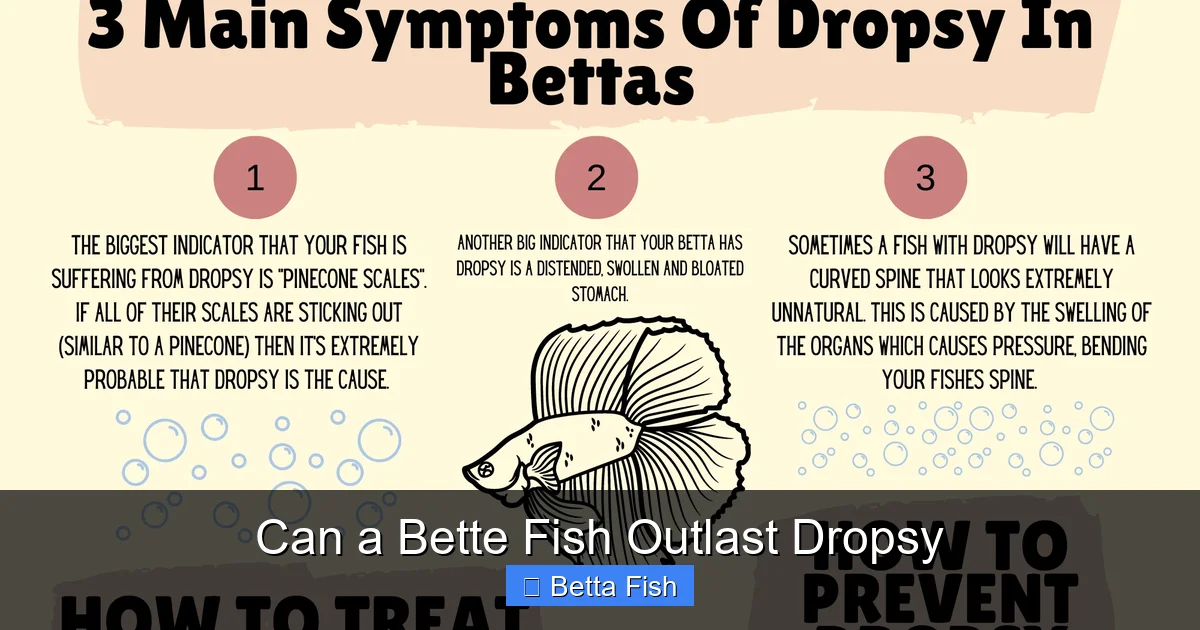
Dropsy is a serious, often fatal condition for betta fish, but early detection and proper care can improve survival odds. Understanding symptoms, water quality, and treatment options gives you the best chance to help your betta outlast dropsy.
Key Takeaways
- Early detection matters: Spotting swelling and white spots quickly can save your betta.
- Water quality is critical: Clean, stable water reduces stress and helps the immune system.
- Antibiotics help, but aren’t a cure‑all: Proper dosing and a full course are essential.
- Supportive care boosts odds: Proper diet, temperature, and quarantine improve recovery.
- Not all cases survive: Even with perfect care, some bettas cannot outlast dropsy.
- Prevention beats treatment: Regular tank maintenance and a balanced diet lower risk.
- Know when to say goodbye: Humane euthanasia is kinder than prolonged suffering.
📑 Table of Contents
- Introduction: Why Dropsy Feels Like a Betta Nightmare
- What Is Dropsy? The Science Behind the Swell
- Spotting the Signs: Early Detection Saves Lives
- Immediate Action Steps: What To Do When Dropsy Hits
- Can a Betta Fish Outlast Dropsy? Realistic Expectations
- Long‑Term Care: Preventing Future Outbreaks
- Conclusion: Hope, Care, and Realism
Introduction: Why Dropsy Feels Like a Betta Nightmare
If you’ve ever watched a betta glide across the surface of a clean tank, you know how vibrant and lively they can be. One day they’re flashing their fins, the next they look puffy, listless, and covered in tiny white spots. That’s dropsy—a symptom, not a disease, that signals fluid buildup and a possible bacterial infection. Many betta owners ask, “can a betta fish outlast dropsy?” The short answer is: sometimes, if you act fast and follow a solid care plan.
In this article we’ll break down everything you need to know: how to spot dropsy early, what causes it, which treatments really work, and realistic expectations for recovery. By the end you’ll feel confident about giving your betta the best possible chance to beat the odds.
What Is Dropsy? The Science Behind the Swell
Definition and Common Misconceptions
Dropsy isn’t a specific disease; it’s a collection of symptoms caused by fluid accumulation in the body cavity and tissues. The term comes from the “drooping” appearance of the fish’s belly. Many owners mistakenly think dropsy is contagious, but it’s usually the result of a weakened immune system fighting a bacterial invasion.
Visual guide about Can a Bette Fish Outlast Dropsy
Image source: petshun.com
Root Causes
- Poor water quality: Ammonia spikes, high nitrite, or fluctuating pH stress the fish.
- Bacterial infection: Aeromonas and Pseudomonas are the usual culprits.
- Parasites or internal organ damage: These can also trigger fluid retention.
- Stress: Over‑crowding, aggressive tank mates, or sudden temperature changes weaken immunity.
Why Betta Fish Are Vulnerable
Betta fish (Betta splendens) are naturally hardy, but they thrive best in stable, warm water (76‑82°F). Their labyrinth organ lets them breathe air from the surface, but it also makes them sensitive to water chemistry changes. A single missed water change can create the perfect storm for dropsy to develop.
Spotting the Signs: Early Detection Saves Lives
Physical Symptoms to Watch
When asking yourself “can a betta fish outlast dropsy?” the first step is to recognize the warning signs:
Visual guide about Can a Bette Fish Outlast Dropsy
Image source: i.ytimg.com
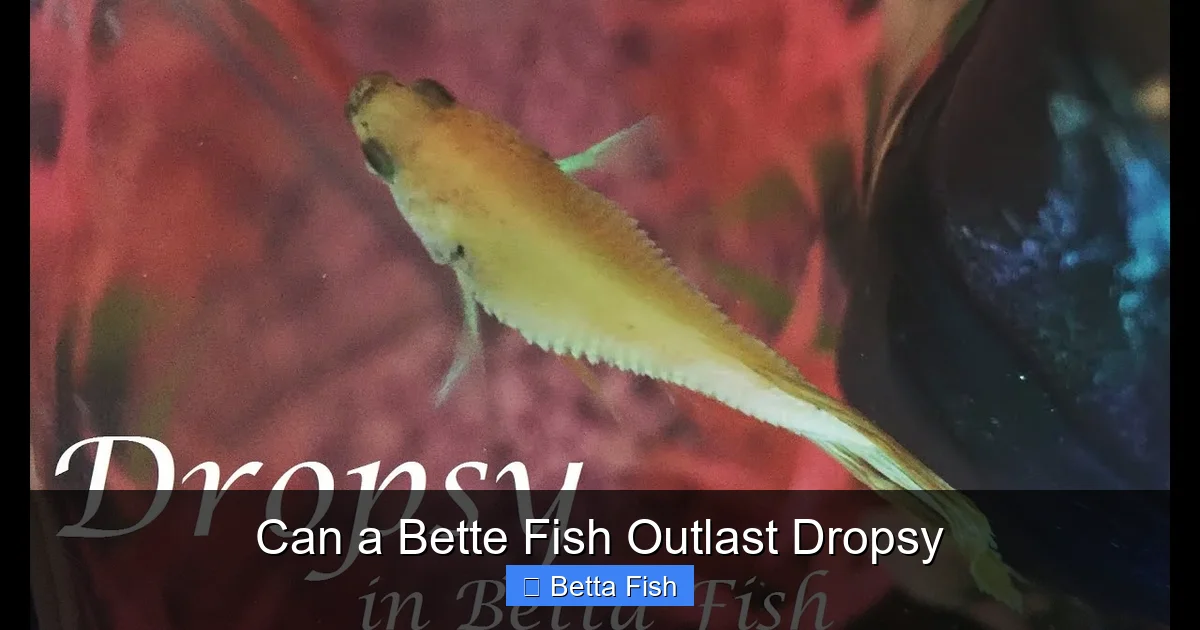
- Swollen abdomen: A rounded, balloon‑like belly.
- Scale protrusion (“pinecone” look): Scales stick out like tiny spikes.
- White or yellow spots: Often appear on the body, fins, or head.
- Lethargy: The betta stays at the bottom, barely moving.
- Loss of appetite: Refuses to eat even favorite foods.
- Red or inflamed fins: May indicate secondary infection.
Behavioral Clues
Even subtle changes matter. A betta that usually flares its fins for a few seconds but now stays flat is likely in distress. Frequent gasping at the surface could mean the fish is struggling to get enough oxygen while its body is overloaded with fluid.
Immediate Action Steps: What To Do When Dropsy Hits
1. Quarantine the Affected Betta
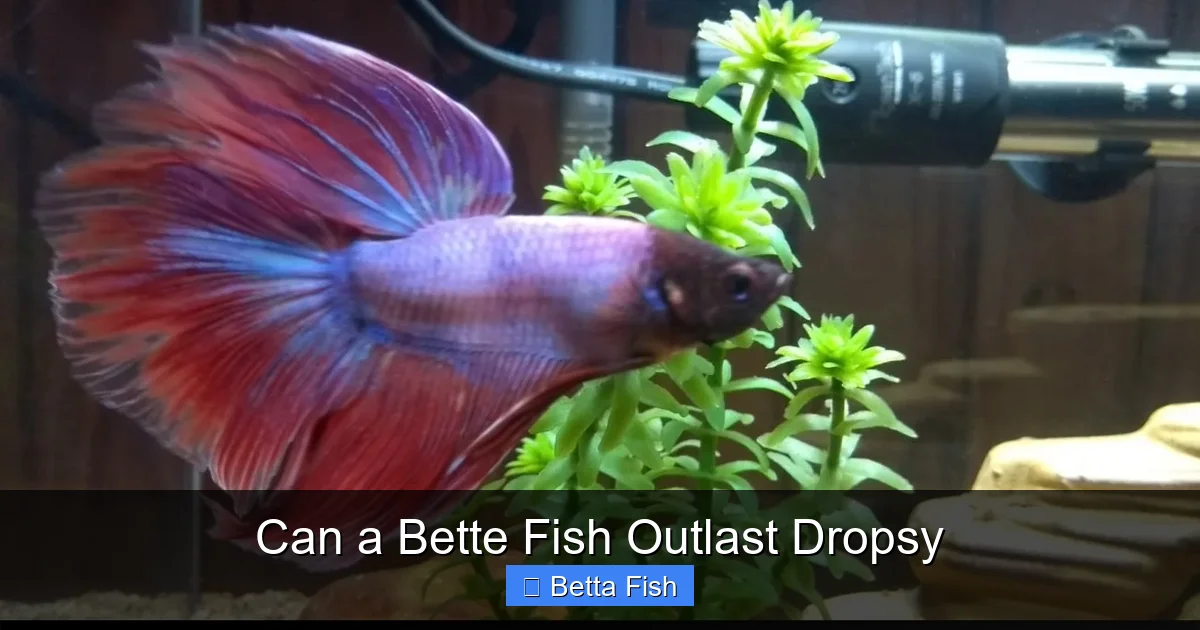
Move the sick fish to a separate hospital tank (2‑3 gallons) with a gentle filter and a heater set to the same temperature as the main tank. This stops any potential spread of bacteria and lets you control treatment conditions.
Visual guide about Can a Bette Fish Outlast Dropsy
Image source: buildyouraquarium.com
2. Test and Fix Water Parameters
- Ammonia: 0 ppm
- Nitrite: 0 ppm
- Nitrate: < 20 ppm
- pH: 6.5‑7.5 (stable)
- Temperature: 78‑80°F
Perform a 30‑50% water change immediately, using conditioned water to remove chlorine and chloramines.
3. Begin Antibiotic Treatment
Broad‑spectrum aquarium antibiotics like tetracycline, kanamycin, or erythromycin are commonly used. Follow the manufacturer’s dosage—usually 5‑10 ml per gallon of tank water, once daily for 7‑10 days. Never stop treatment early, even if the fish looks better.
4. Add Supportive Additives
Consider these extras to boost recovery:
- Indian almond leaves: Provide natural antibacterial properties.
- Epsom salt (magnesium sulfate): 1 tsp per 5 gallons can help draw out excess fluid.
- High‑protein foods: Offer frozen or live foods like daphnia or bloodworms to encourage eating.
Can a Betta Fish Outlast Dropsy? Realistic Expectations
Success Rates and Statistics
Studies and hobbyist reports suggest that with prompt, correct treatment, roughly 30‑40% of bettas survive dropsy. The remaining 60‑70% succumb despite best efforts, often because the infection has already spread to vital organs.
Factors That Increase Survival Odds
- Age: Younger bettas (< 1 year) tend to recover better.
- Severity at onset: Mild swelling and no scale protrusion improve chances.
- Water quality: Crystal‑clear, stable water is a game‑changer.
- Owner diligence: Consistent medication, daily water checks, and feeding.
When Recovery Is Unlikely
If the fish’s belly is massively distended, scales are deeply protruding, or the betta has stopped breathing altogether, the prognosis is poor. In these cases, humane euthanasia (a rapid dose of clove oil) is kinder than prolonged suffering.
Long‑Term Care: Preventing Future Outbreaks
Maintain Pristine Water
Regular water changes (20‑30% weekly) and a reliable filter keep ammonia and nitrite at zero. Test kits should be kept on hand; a quick dipstick test takes less than a minute.
Balanced Diet for a Strong Immune System
Feed a varied diet: high‑quality betta pellets, occasional frozen or live foods, and a small amount of vegetable matter (blanched peas) for fiber.
Temperature and Habitat Stability
Betta fish love warmth. Use a reliable aquarium heater and avoid sudden temperature drops. A stable environment reduces stress, which is the biggest factor behind dropsy.
Choosing Tank Mates Wisely
If you keep other fish, select peaceful, non‑aggressive species. For example, you can read more about what fish can live with a male betta to avoid stress‑inducing conflicts.
Regular Health Checks
Spend a few minutes each day watching your betta’s behavior. Early detection of any abnormal swelling or loss of appetite can make the difference between life and death.
Conclusion: Hope, Care, and Realism
So, can a betta fish outlast dropsy? The answer is a cautious “yes, if you act fast and follow a thorough treatment plan.” Dropsy is a serious warning sign that your betta’s environment or health has slipped. By maintaining pristine water, feeding a balanced diet, and responding instantly to symptoms, you give your fish the best shot at recovery.
Remember, not every case ends happily, and sometimes humane euthanasia is the most compassionate choice. Use the knowledge you’ve gained here to create a safer, healthier home for your betta—whether you’re fighting dropsy now or preventing it in the future.
Frequently Asked Questions
What are the first signs of dropsy in a betta?
Look for a swollen abdomen, raised “pinecone” scales, white spots, lethargy, and loss of appetite. Early detection is crucial for treatment.
Can I treat dropsy at home without antibiotics?
Supportive care (water changes, Epsom salts, and high‑protein foods) helps, but antibiotics are usually needed to fight the underlying bacterial infection.
How long does it take for a betta to recover from dropsy?
Recovery can take 7‑14 days with proper treatment. Continue medication for the full course, even if the fish looks better after a few days.
Is dropsy contagious to other fish?
While the bacteria can spread, dropsy itself isn’t contagious. Quarantining the sick betta and maintaining good water quality protects tank mates.
Can poor diet cause dropsy?
A low‑protein, unbalanced diet weakens the immune system, making the betta more vulnerable to infections that lead to dropsy.
When should I consider euthanasia for a betta with dropsy?
If the fish shows severe swelling, stops breathing, or fails to respond to treatment after a week, humane euthanasia is kinder than prolonged suffering.