Yes, a betta fish’s tail can often regrow, but success depends on the cause of the damage and the care you provide. Quick, gentle treatment and a stress‑free environment give your betta the best chance to restore its beautiful tail.
Key Takeaways
- Regrowth is possible: Most tail damage heals if the fin tissue isn’t completely removed.
- Cause matters: Injuries from fights, nipping, or poor water quality heal differently.
- Water quality is critical: Clean, stable water speeds up fin regeneration.
- Nutrition helps: High‑protein, vitamin‑rich diets support new fin growth.
- Patience is key: Full tail regrowth can take weeks to months.
- Prevent future damage: Proper tank mates and décor reduce nipping incidents.
- Monitor health: Ongoing fin loss may signal disease; seek treatment early.
📑 Table of Contents
- Introduction: Why a Missing Tail Can Be Heart‑Breaking
- 1. The Science of Betta Fin Regeneration
- 2. Common Causes of Tail Damage
- 3. Immediate Steps When You Spot a Missing Tail Piece
- 4. Long‑Term Care for Optimal Fin Regrowth
- 5. When Tail Regrowth Won’t Happen
- 6. Preventing Future Tail Damage
- Conclusion: A Happy Tail Means a Happy Betta
Introduction: Why a Missing Tail Can Be Heart‑Breaking
If you’ve ever watched a betta flash its brilliant tail like a living rainbow, you know how much personality those fins carry. So when a piece of that tail goes missing, it can feel like a tiny tragedy. The good news? In many cases the tail can grow back—just like a human fingernail, a betta’s fin tissue can regenerate if you give it the right conditions.
In this article we’ll walk through everything you need to know about tail regrowth: the biology behind fin healing, the most common reasons a tail gets damaged, step‑by‑step care tips, and when to call the vet. By the end you’ll feel confident that you can help your fin‑fighter bounce back to full glory.
1. The Science of Betta Fin Regeneration
How fins are built
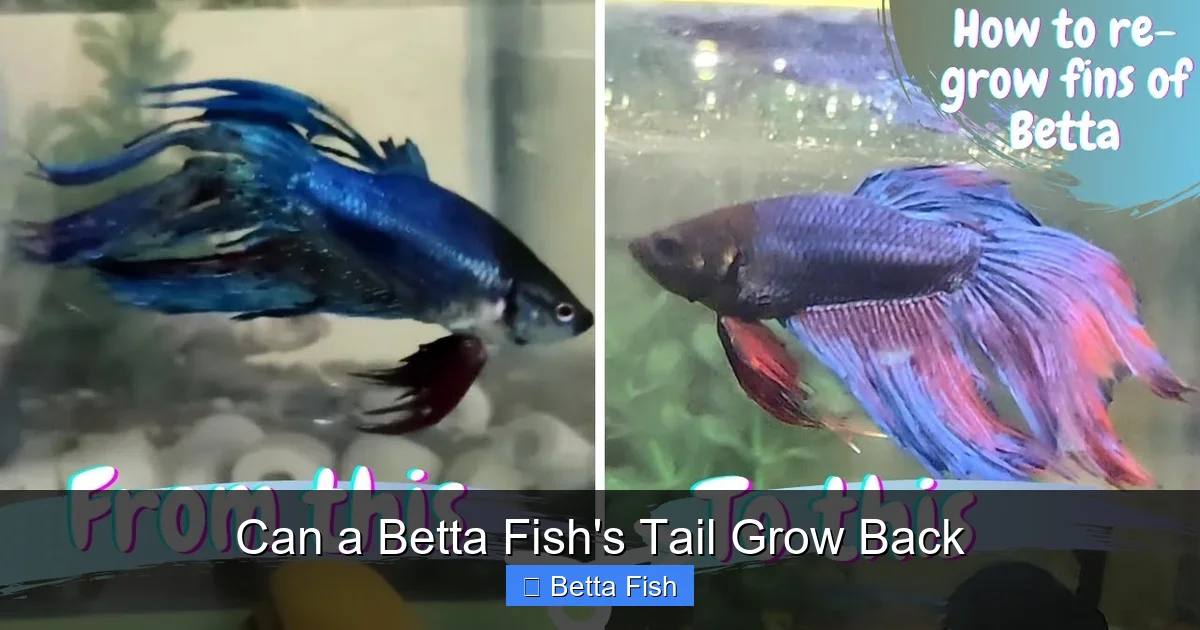
Betta fins are made of thin sheets of skin, called the epidermis, supported by tiny bony rays called fin rays. These rays are flexible, which lets the tail ripple in the water. When a fin is torn, the epidermal cells at the wound edge start to divide quickly—a process called “epithelialization.” Behind the new skin, fibroblast cells lay down collagen, the protein that gives the fin its strength.
Visual guide about Can a Betta Fish’s Tail Grow Back
Image source: i.ytimg.com
What “regrow” really means
When we say a tail can “grow back,” we mean the missing portion can be replaced with new tissue that looks and functions like the original. The new fin may be slightly smaller or a different shade, especially if the damage was severe, but it will usually be strong enough for normal swimming.
Factors that affect regeneration speed
- Age: Younger bettas heal faster because their cells divide more rapidly.
- Water temperature: Optimum temperatures (78‑80°F/25‑27°C) speed up metabolism and cell growth.
- Stress level: A stressed fish releases cortisol, which slows healing.
- Nutrition: Protein and vitamins A, C, and E are essential for tissue repair.
2. Common Causes of Tail Damage
Fighting and fin nipping
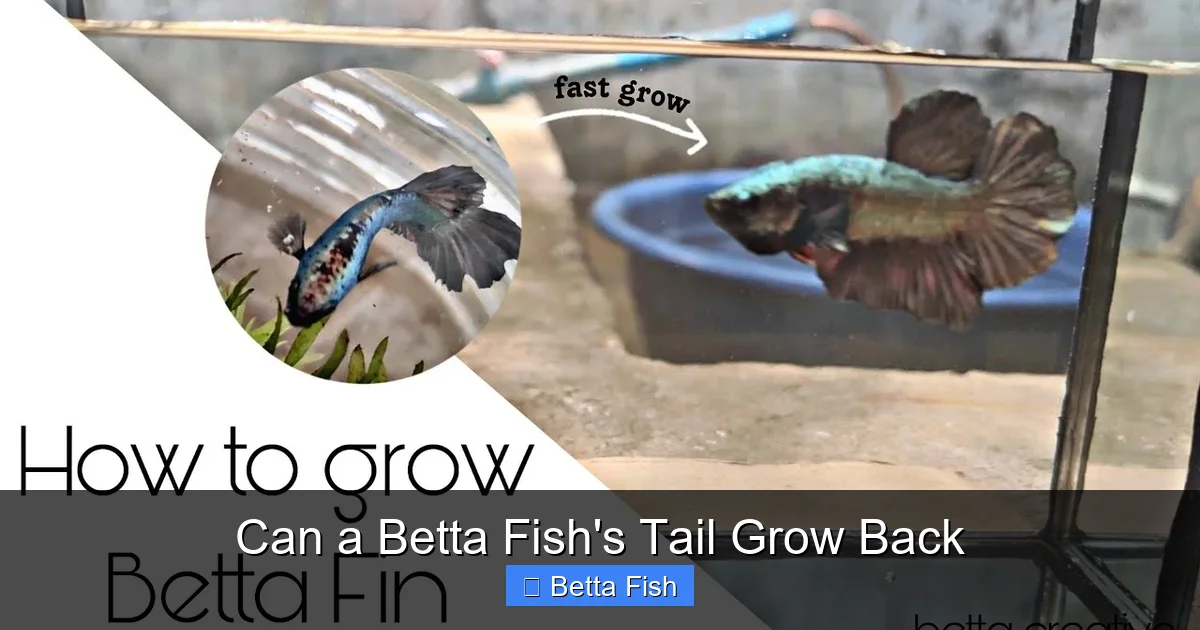
Betta males are territorial. When two males see each other, they flare, bite, and often nip each other’s tails. Even a single aggressive encounter can shear off a fin tip.
Visual guide about Can a Betta Fish’s Tail Grow Back
Image source: i.ytimg.com
Sharp décor and tank mates
Rough rocks, sharp plastic plants, or aggressive tank mates (like some loaches) can catch a fin and cause tears. A simple switch to smooth, silk plants can prevent future snags.
Water quality problems
High ammonia or nitrite levels weaken the skin, making it more prone to tearing. Poor water also encourages fungal or bacterial infections that eat away at fin tissue.
Disease
Fin rot, caused by bacteria such as *Aeromonas* spp., can make a healthy tail look ragged and eventually cause portions to fall off. Early detection and treatment are crucial.
3. Immediate Steps When You Spot a Missing Tail Piece
1. Quarantine or isolate
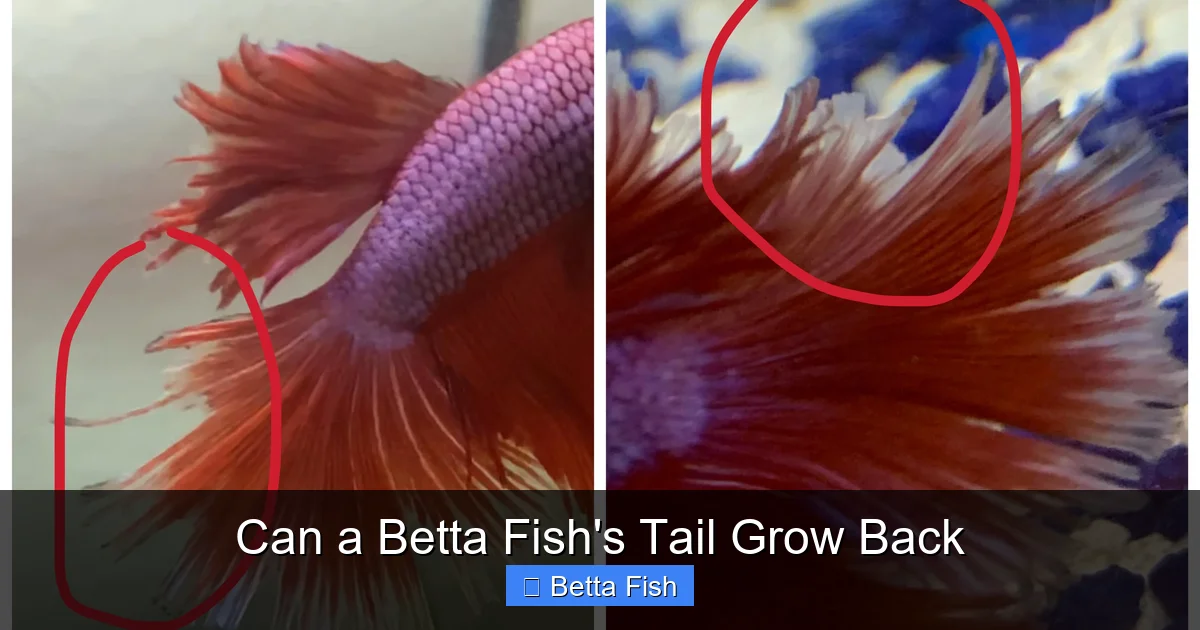
If the damage is from a fight, move the betta to a separate, well‑filtered tank. This stops further aggression and reduces stress.
Visual guide about Can a Betta Fish’s Tail Grow Back
Image source: i.redd.it
2. Check water parameters
Test for ammonia, nitrite, nitrate, and pH. Aim for ammonia = 0 ppm, nitrite = 0 ppm, nitrate < 20 ppm, and pH ≈ 6.5‑7.5. Perform a 25‑30% water change if any values are out of range.
3. Perform a gentle rinse
Use a clean, soft turkey baster to rinse the wound with dechlorinated water. This removes debris and reduces infection risk.
4. Add a healing aid
Fin‑specific treatments like “Melafix” (a natural tea tree extract) or “Betta‑Aid” can be added at the recommended dosage for 5‑7 days. These products have antibacterial and anti‑fungal properties that protect the wound while the fish heals.
5. Adjust diet
Offer high‑protein foods such as frozen or live brine shrimp, bloodworms, and a quality betta pellet that lists “high protein” first. Sprinkle a pinch of crushed vitamin C tablet once a week to boost immunity.
4. Long‑Term Care for Optimal Fin Regrowth
Maintain pristine water
Change 20‑30% of the water weekly, and use a reliable filter rated for at least twice the tank volume. Clean the substrate with a siphon to remove waste that can harbor bacteria.
Temperature stability
Invest in an aquarium heater with an accurate thermostat. Fluctuations of more than 2°F (1°C) can stress the fish and stall healing.
Enrich the environment
- Provide plenty of hiding spots using smooth caves or driftwood.
- Use silk or live plants to give the betta places to rest without risking fin tears.
Monitor for signs of infection
Look for white edges, black spots, or a fuzzy coating on the fin. If you see these, increase the dose of your antibacterial treatment and consider a short course of aquarium‑safe antibiotics like “Maracyn 2.”
Patience and observation
Fin regrowth is a gradual process. In the first week you may see a thin, translucent “film” forming over the wound. Over the next 2‑4 weeks that film thickens, and by 6‑8 weeks the new tail segment often matches the original color and shape.
5. When Tail Regrowth Won’t Happen
Severe loss of fin rays
If the entire fin ray structure is ripped away, the fish cannot rebuild the skeletal support, and the tail will remain ragged.
Chronic disease
Persistent fin rot or a systemic infection can keep the tissue from closing. In such cases, a veterinarian experienced with fish may need to prescribe stronger medication.
Genetic or age‑related limits
Older bettas sometimes show slower or incomplete regrowth because their cell turnover slows down. While you can still improve the situation with optimal care, full restoration may not be achievable.
6. Preventing Future Tail Damage
Choose compatible tank mates
If you keep other fish, pick peaceful species that won’t nip. Good options include shy tetras, small rasboras, or snails. For a detailed guide on safe companions, see our article on what fish can go with a betta fish.
Use safe décor
Avoid sharp ornaments. Opt for smooth rocks, polished driftwood, and soft plant leaves. This reduces accidental tears during swimming.
Limit visual stress
Betta fish can become aggressive when they see their reflection. Keep the tank away from direct mirrors or bright windows that cause constant flare‑ups.
Regular health checks
Spend a few minutes each day watching your betta’s fins. Early detection of fraying or discoloration lets you intervene before a small nick becomes a big loss.
Conclusion: A Happy Tail Means a Happy Betta
So, can a betta fish’s tail grow back? In most situations, yes—provided you act quickly, keep the water clean, feed a nutritious diet, and reduce stress. While a perfect replica of the original tail isn’t guaranteed, a healthy betta will often sport a new, functional fin that lets it flare proudly once more.
Remember, the best medicine is prevention. By creating a calm, well‑maintained aquarium and choosing peaceful companions, you’ll give your betta the best chance to keep that spectacular tail for life. If you ever wonder whether a fin can regrow, think of the steps above, and you’ll be ready to support your fin‑fighter every flutter of the way.
Frequently Asked Questions
Can a betta’s tail grow back after a fight?
Yes, if the fin rays are still intact and the water is clean, the tail usually regenerates within a few weeks.
How long does it take for a betta tail to fully regrow?
Complete regrowth can take 4‑8 weeks, depending on the size of the loss and the care provided.
What should I feed a betta with a damaged tail?
High‑protein foods like frozen brine shrimp, bloodworms, and quality betta pellets, plus occasional vitamin C, support tissue repair.
Do I need medication for fin rot?
Yes, treat early with a antibacterial/fungal remedy such as Melafix or a short course of aquarium‑safe antibiotics.
Can I keep other fish with a betta that is healing?
It’s safest to quarantine the betta until the wound is sealed. After healing, choose peaceful tank mates that won’t nip the fin.
Is a new tank ever necessary for a betta with a torn tail?
Not always, but a clean, well‑filtered spare tank makes isolation easier and reduces stress during recovery.

