How Many Time Should I Feed My Betta Fish
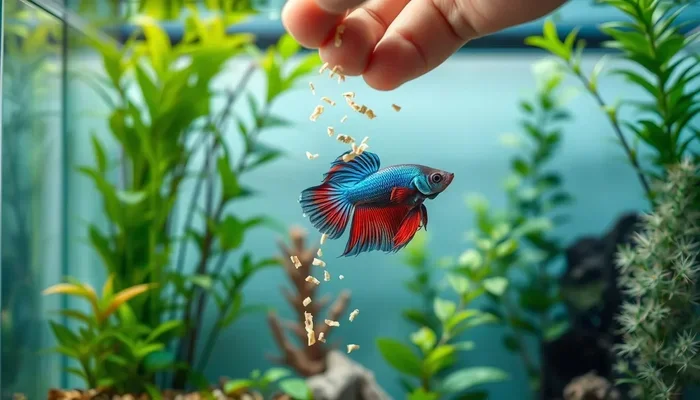
Knowing how many times to feed your betta fish is one of the most important parts of betta care. Most bettas thrive on two small feedings per day, but the right schedule depends on your fish’s age, size, and activity level. This guide breaks down everything you need to know about betta fish feeding frequency, portion sizes, and how to avoid overfeeding.
Key Takeaways
- Feed your betta fish 2 times per day: This is the standard recommendation for most adult bettas.
- Portion size matters just as much as frequency: Give only what your betta can eat in 2 minutes.
- Overfeeding is the #1 mistake: It leads to bloating, poor water quality, and serious health issues.
- Adjust feeding based on age: Young bettas may need 3 feedings, while older bettas do fine with 1-2.
- Skipping a day occasionally is fine: A weekly fasting day helps digestion and prevents constipation.
- Variety in diet supports health: Rotate between pellets, frozen foods, and occasional treats for balanced nutrition.
📑 Table of Contents
- How Many Times Should I Feed My Betta Fish
- Why Feeding Frequency Matters for Betta Fish
- How Much Food Should You Feed at Each Meal
- The Best Feeding Schedule for Betta Fish
- Common Feeding Mistakes to Avoid
- Special Feeding Situations
- How to Know If You Are Feeding the Right Amount
- Best Foods for a Healthy Betta Diet
- Key Takeaways
- Conclusion
How Many Times Should I Feed My Betta Fish
If you own a betta fish, you have probably asked yourself this question at least once. How many times should I feed my betta fish? The answer is simpler than you think. Most betta fish do well with two feedings per day. But there is more to it than just picking a number. Your betta’s age, size, and overall health all play a role in setting the right schedule.
Feeding your betta the right amount at the right times keeps them active, colorful, and long-lived. On the flip side, feeding too much or too little can cause real problems. In this guide, we will walk through everything you need to know. You will learn the ideal feeding frequency for betta fish, how much food to offer, and the mistakes many beginners make.
Why Feeding Frequency Matters for Betta Fish
Betta fish are small creatures with short digestive systems. This means they process food quickly and do not need large meals. In the wild, bettas eat small amounts throughout the day. They snack on insect larvae and tiny organisms near the water surface. Your job as a pet owner is to recreate this natural pattern as closely as possible.
Feeding too often leads to overfeeding. Feeding too little leads to malnutrition. Both situations harm your fish. A consistent betta fish feeding schedule helps regulate digestion, keeps waste levels low, and supports steady energy. When you stick to a routine, your betta will also become more active and predictable at feeding time.
The Science Behind Betta Digestion
A betta’s stomach is roughly the size of its eye. This tiny digestive system can only handle small portions at a time. When you feed your betta too much in one sitting, the food sits in the stomach and begins to swell. This causes bloating and discomfort. Over time, chronic overfeeding damages the kidneys and liver.
Feeding two small meals per day mimics the natural eating pattern of wild bettas. It gives the digestive system time to fully process each meal before the next one arrives. This is why most experts agree on a twice-daily routine for adult bettas.
How Much Food Should You Feed at Each Meal
Frequency is only half the equation. How much you feed is equally important. Many new fish owners assume a full pellet every time is fine. That is not the case. A single betta pellet can expand to twice its size inside the stomach. This can cause serious digestive issues.
The general rule is simple. Offer only what your betta can finish in about two minutes. If food floats on the surface after two minutes, you gave too much. Remove any uneaten food right away to keep the water clean.
A Good Portion Size Guide
- Adult bettas: 2-3 small pellets per feeding, or an amount roughly the size of their eyeball.
- Young bettas (under 6 months): 3-4 small pellets per feeding to support growth.
- Frozen or live food: A small pinch, about the size of a pea, per feeding.
- Freeze-dried food: One or two small cubes, soaked first in tank water.
For more detailed guidance on portions, check out our article on how much food should I feed my betta fish.
The Best Feeding Schedule for Betta Fish
Consistency is key when setting up a betta fish feeding routine. Bettas thrive on predictability. When you feed them at the same times each day, their bodies adjust and they become more active and responsive.
Recommended Daily Schedule
Here is the most widely recommended betta feeding schedule:
- Morning feeding: Around 8 or 9 AM. This kickstarts their metabolism after a night of rest.
- Evening feeding: Around 6 or 7 PM. This gives your betta time to digest before sleep.
Stick to these times as closely as you can. If your schedule does not allow for two feedings, one feeding per day is acceptable for adult bettas. Just make sure the portion is slightly larger but still within the two-minute rule.
If you ever wonder whether your schedule is right, our detailed guide on how often should I feed my betta fish covers this topic in depth.
Common Feeding Mistakes to Avoid
Even experienced fish owners make feeding mistakes. The good news is that most of these errors are easy to fix once you know what they are. Here are the most common ones.
Overfeeding Your Betta
This is the number one killer of pet bettas. Many owners think a full belly means a happy fish. That is not true. Betta fish will eat almost anything you offer, even when they are full. Uneaten food sinks to the bottom and decays, raising ammonia levels in the tank. This poisons your fish slowly over time.
Signs of overfeeding include:
- A swollen or bloated belly
- Food floating uneaten after several minutes
- Lethargy and lack of interest in swimming
- Cloudy or dirty tank water shortly after feeding
Feeding the Wrong Foods
Not all fish food is created equal. Bettas are carnivores. They need protein-rich diets. Flakes designed for tropical community fish often lack the nutrition bettas need. If you are unsure about food options, read our article on can I feed my betta tropical fish flakes to learn more.
Ignoring Fasting Days
Your betta does not need to eat every single day. In fact, giving your betta a fasting day once a week is highly beneficial. It helps clear the digestive system and prevents constipation. Many betta owners skip feeding on Sundays and their fish actually thrive.
Special Feeding Situations
Life does not always follow a perfect schedule. Sometimes you need to adjust your betta’s feeding routine. Here are a few common situations and how to handle them.
Feeding Your Betta While on Vacation
Going on vacation does not mean your betta goes hungry. Most adult bettas can safely go without food for 3 to 5 days. For trips longer than that, consider an automatic feeder or ask a friend to feed your fish. For tips on feeding during travel, check out our guide on how do I feed my betta fish on vacation.
Feeding Young Betta Fish
Baby bettas grow quickly and need more frequent meals. Young bettas under six months old benefit from three small feedings per day. As they mature, you can gradually reduce to two feedings. The key is offering tiny portions each time to support healthy growth without overwhelming their small stomachs.
Feeding Sick or Recovering Bettas
If your betta is recovering from illness, appetite may drop. In these cases, offer smaller portions more frequently. Soaked pellets or live brine shrimp can encourage eating. If your betta refuses food for more than two days, consult a vet or our article on what should I do if my betta fish isn’t eating.
How to Know If You Are Feeding the Right Amount
Your betta fish will tell you if something is off. Paying attention to their behavior, body shape, and activity level gives you valuable feedback about whether your feeding routine is working.
Signs You Are Feeding the Right Amount
- Your betta eagerly swims to the surface at feeding time
- The body is sleek and streamlined, not bloated
- Waste output is normal and consistent
- Energy levels stay high throughout the day
- Colors remain bright and vibrant
Signs You Need to Adjust
- Your betta leaves food uneaten regularly
- The belly looks round and distended after meals
- Your betta seems lethargic or hides often
- Water quality drops quickly after feeding
- Your betta shows signs of swim bladder issues
If you notice any of these warning signs, reduce the portion size or feeding frequency. Small adjustments make a big difference over time.
Best Foods for a Healthy Betta Diet
Frequency and portion size matter, but so does the food itself. A varied diet keeps your betta healthy and supports strong immunity. Here are the best food options for your betta fish.
| Food Type | Pros | Cons |
|---|---|---|
| High-quality betta pellets | Nutritionally balanced, easy to portion | Some brands contain fillers |
| Frozen brine shrimp | High protein, natural diet mimic | Needs thawing, spoils if not stored properly |
| Freeze-dried bloodworms | Long shelf life, bettas love them | Low nutritional value if fed alone |
| Live blackworms | Excellent nutrition, stimulates hunting instinct | Can carry parasites if not sourced properly |
| Betta flakes | Convenient, widely available | Often lack protein content bettas need |
Rotate between 2-3 food types for the best results. This ensures your betta gets a wide range of nutrients. For more on food options, read our article on how many pellets to feed betta fish daily.
Key Takeaways
- Feed your betta fish 2 times per day: This is the standard recommendation for most adult bettas.
- Portion size matters just as much as frequency: Give only what your betta can eat in 2 minutes.
- Overfeeding is the #1 mistake: It leads to bloating, poor water quality, and serious health issues.
- Adjust feeding based on age: Young bettas may need 3 feedings, while older bettas do fine with 1-2.
- Skipping a day occasionally is fine: A weekly fasting day helps digestion and prevents constipation.
- Variety in diet supports health: Rotate between pellets, frozen foods, and occasional treats for balanced nutrition.
Conclusion
The answer to how many times should I feed my betta fish comes down to consistency and portion control. For most adult bettas, two feedings per day is the sweet spot. Pair this with the right food, proper portions, and occasional fasting days, and your betta will live a long, healthy, and vibrant life.
Remember that every betta is different. Watch your fish closely, adjust as needed, and do not be afraid to skip a feeding now and then. Your betta will thank you with bright colors and energetic swimming. Start applying these tips today and you will see the difference in your fish’s health and happiness.
Frequently Asked Questions
Can I feed my betta fish once a day instead of twice?
Yes, once-a-day feeding is fine for adult bettas, especially if you slightly increase the portion size. Many owners prefer this schedule because it is simpler to maintain. Just make sure your betta eats everything offered within two minutes.
What happens if I overfeed my betta fish?
Overfeeding causes bloating, constipation, and poor water quality. Uneaten food decays in the tank and raises ammonia levels. This can lead to serious health problems or even death. Always feed small portions and remove any leftover food.
How many pellets should I feed my betta per meal?
For adult bettas, 2-3 small pellets per meal is a good starting point. Young bettas may need 3-4 pellets. The exact number depends on pellet size and your betta’s appetite. Adjust based on how quickly your fish finishes the food.
Should I skip feeding my betta fish on weekends?
Skipping one feeding day per week is actually beneficial for bettas. It gives their digestive system a rest and helps prevent constipation. Many owners choose Sunday as their fasting day, but any day works fine.
Can I feed my betta fish the same food every day?
While bettas can survive on one food type, variety is better for their health. Rotating between pellets, frozen foods, and occasional treats ensures a balanced nutritional profile. Aim for at least 2-3 different food types in their weekly diet.
Why does my betta fish spit out its food?
Betta fish sometimes spit out food to break it down into smaller pieces. This is normal behavior. However, if your betta consistently refuses food, it may be a sign of illness or stress. Check water parameters and watch for other symptoms of sickness.