What Fish Can Live with a Betta
Betta fish, or Siamese fighting fish, are famously territorial but can sometimes share a tank with carefully chosen, peaceful species. Success depends entirely on your individual betta’s personality, a properly sized and decorated tank (minimum 10 gallons), and selecting tank mates that are neither flashy nor fin-nippers. Always introduce the betta last to an established community and be prepared to separate them if aggression occurs.
Key Takeaways
- Your Betta’s Personality is Key: Some bettas are docile, others are aggressive. There are no guarantees, so observation is critical.
- Tank Size is Non-Negotiable: A minimum of 10 gallons is essential for any community setup with a betta; bigger is always better.
- Choose “Boring” and “Fast” Tank Mates: Ideal mates are calm, plain-colored fish with short fins that are swift swimmers to evade potential nips.
- Avoid Fin-Nippers and Flashy Fish: Never house bettas with fish known for nipping fins (like tiger barbs) or those with bright colors and long, flowing fins (like fancy guppies).
- Plants and Hiding Spots are Essential: Live or silk plants, driftwood, and caves provide crucial security and break lines of sight, reducing stress and aggression.
- Introduce the Betta Last: Establish the community tank first, then add the betta. This makes the tank its territory, not the other way around.
- Have a Backup Plan: Always have a separate hospital tank ready to rehome a tank mate or your betta if incompatibility issues arise.
📑 Table of Contents
Understanding the Betta: More Than Just a “Fighting Fish”
Before we dive into the specific list of what fish can live with a betta, we must first understand the creature at the center of our community tank: the Betta splendens. Known historically for their aggressive breeding, modern bettas are complex individuals with distinct personalities. While their reputation for fighting is earned—male bettas will almost always fight to the death with another male—their behavior toward other species is a spectrum. Some bettas are irascible bullies who flare at their own reflection, while others are surprisingly docile, ignoring the activity around them. This inherent unpredictability is the cornerstone of all successful betta community tank planning. You must approach this endeavor with patience, observation, and the understanding that your specific betta’s temperament is the ultimate deciding factor.
The Labyrinth Organ and Water Conditions
Bettas belong to the suborder Anabantoidei, which means they possess a primitive lung called a labyrinth organ. This adaptation allows them to gulp air from the surface, making them somewhat tolerant of lower oxygen levels, but it also means they require access to the water’s surface without obstruction. Any tank mate must not be a prolific surface dweller that will crowd or block the betta’s breathing space. Furthermore, bettas are tropical fish native to the slow-moving, warm waters of Southeast Asia. They thrive in water temperatures between 78°F and 80°F (25.5°C – 26.5°C) and a pH of 6.5 to 7.5. Any potential tank mate must be comfortable within this same warm, stable range. Cold-water species like goldfish are immediately disqualified.
The Golden Rules of a Successful Betta Community Tank
Choosing the right fish is only one piece of the puzzle. The environment you create is arguably more important. A poorly set up tank will cause stress for all inhabitants, triggering aggression in a betta and making even the most peaceful tank mate a target. Think of the tank as a carefully designed apartment complex where everyone needs their own space to feel secure.

Visual guide about What Fish Can Live with a Betta
Image source: petshun.com
Tank Size: The Absolute Minimum
The single most common mistake new hobbyists make is trying to house a betta in a tiny “desk” tank with a single mate. This is a recipe for disaster. The absolute minimum tank size for a betta with any other fish is 10 gallons. A 10-gallon tank provides enough horizontal swimming space and, more importantly, enough volume to dilute aggression and establish distinct territories. For a more robust community, aim for 15 or 20 gallons. The extra space allows for better filtration, more stable water parameters, and the ability to create separate “zones” with décor. Remember, bettas are not active, long-distance swimmers; they prefer to leisurely explore their domain, but a cramped space amplifies every minor irritation.
Aquascaping for Peace: Creating a Stress-Free Landscape
The layout of your tank is your primary tool for managing betta behavior. The goal is to eliminate constant visual contact, which is a major trigger for territorial flaring and chasing.
- Dense Plant Coverage: Use a mix of rooted plants like Amazon swords or cryptocorynes and floating plants like water lettuce or frogbit. Floating plants are especially crucial as they diffuse light from above, making the betta feel less exposed and providing a natural canopy that mimics its wild habitat. They also help absorb nitrates.
- Hardscape as Barriers: Incorporate driftwood, rocks, and ceramic caves. These create physical barriers and hiding spots. A betta is far less likely to relentlessly chase a fish it can’t see constantly. Arrange these items to break up the line of sight across the tank.
- Substrate and Open Space: Use a soft, sand or fine-gravel substrate to protect the delicate fins of any bottom-dwellers. While you need décor, also provide some open swimming space, especially in the middle levels, for the more active tank mates.
Filtration and Water Quality
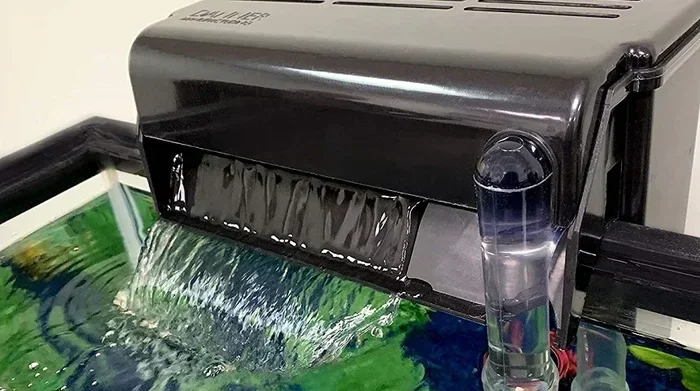
Bettas are sensitive to poor water quality, which increases their stress and susceptibility to disease. A gentle filter is a must. Avoid strong currents that will tire your betta and make it hard for it to reach the surface. Sponge filters are an excellent, low-flow option for smaller betta communities. For larger setups, a hang-on-back (HOB) or canister filter with a flow adjustment is ideal. Perform regular water changes (25-50% weekly) and test water parameters consistently. A clean tank is a peaceful tank for all its residents.
Top Contenders: Best Fish to Live with a Betta
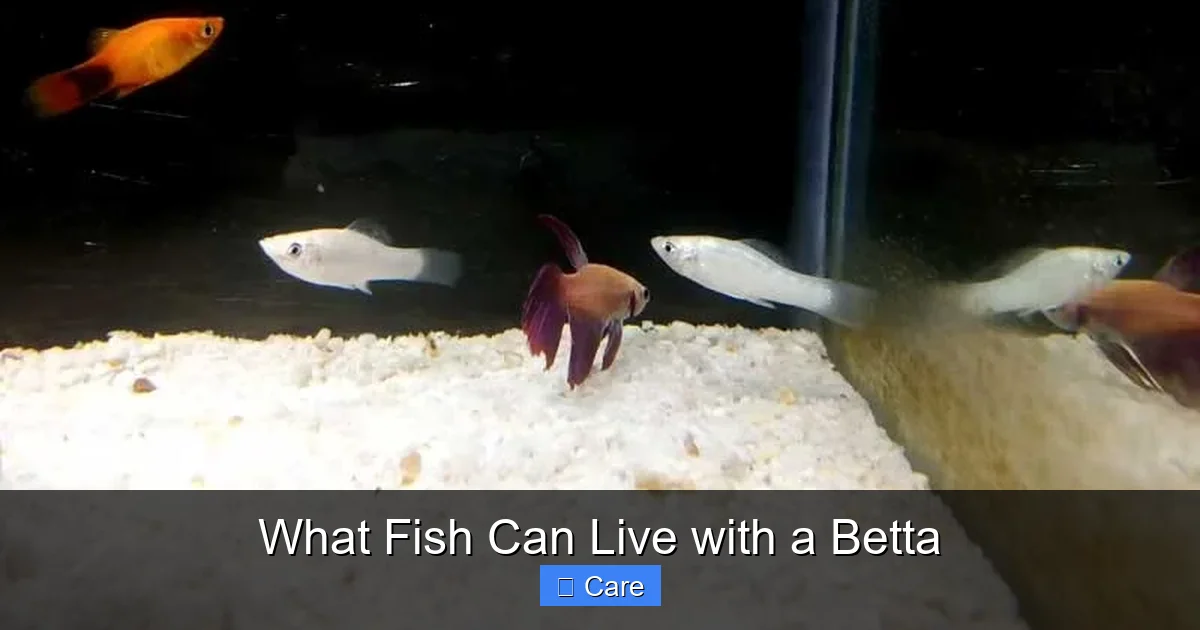
With the proper setup in mind, we can now explore the specific species that have the highest chance of cohabiting successfully with a betta. These fish are selected based on three core criteria: they are peaceful, they are fast and agile, and they are dull-colored with short fins. They also occupy different areas of the water column to minimize interaction.
Visual guide about What Fish Can Live with a Betta
Image source: bettafishnest.com
The Unbeatable Bottom-Dwellers: Corydoras Catfish and Kuhli Loaches
These are arguably the safest and most recommended betta tank mates because they occupy a completely different niche. They are active on the substrate, sifting through sand or gravel for food, and are utterly uninterested in the betta’s mid-water domain.
- Corydoras Catfish (“Cories”): These small, armoured catfish are social and should be kept in groups of at least 5-6. They are peaceful, active, and their whiskered faces are charming. Popular species like the Bronze Cory (Corydoras aeneus) or Peppered Cory (Corydoras paleatus) are perfect. They are fast enough to dart away if a betta shows curiosity.
- Kuhli Loaches (Pangio kuhlii): For a more unique bottom-dweller, the eel-like Kuhli loach is exceptional. They are nocturnal, shy, and spend their days burrowed in the substrate or hiding under décor. They are completely non-confrontational and pose zero threat to a betta. Keep them in small groups of 3-5.
Peaceful Middle and Top-Level Swimmers
These are the fish that will share the main body of the tank with your betta. Their success hinges on being fast, non-nippy, and unflashy.
- Harlequin Rasboras (Trigonostigma heteromorpha): A classic choice. These small, active schooling fish have a subtle orange/red patch but are not overly flashy. They are confident, fast swimmers that keep to the upper half of the tank. Keep them in groups of 6-8 to reduce stress and create a beautiful, shimmering school that distracts from the betta.
- Ember Tetras (Hyphessobrycon amandae): Tiny, fiery orange fish that are even more subdued in color than harlequins. Their small size (under 1 inch) means they are not seen as a threat, and their peaceful, schooling nature makes them ideal. A school of 8-10 in a 10+ gallon tank looks stunning.
- White Cloud Mountain Minnows (Tanichthys albonubes): Another excellent, hardy schooling fish. They are active, peaceful, and have a subtle red stripe on a silvery body. They are also slightly cold-tolerant, but still thrive in a betta’s warmer water (keep the temperature at the lower end of the betta range, around 78°F).
- Celestial Pearl Danios (Danio margaritatus): Also known as Galaxy Rasboras, these are tiny, jewel-like fish with speckled patterns. They are peaceful, somewhat shy, and prefer to school in the mid-levels. Their coloration is complex but not long-finned or aggressively bright, making them a good match for a calm betta.
Special Cases: Invertebrates as Tank Mates
Invertebrates can be fantastic companions for a betta, often with fewer compatibility issues than fish. They occupy a different biological niche and are generally not seen as competitors.

Visual guide about What Fish Can Live with a Betta
Image source: infishtank.com
Shrimp: The Ultimate Clean-Up Crew
Shrimp are a popular choice, but success varies wildly.
- Ghost Shrimp / Amano Shrimp: These are the hardiest and best choices. Ghost shrimp are transparent and almost invisible, posing no threat. Amano shrimp are larger, hardy, and excellent algae eaters. They are fast and can usually evade a curious betta. However, a particularly aggressive betta may still see them as snacks.
- Cherry Shrimp / Neocaridina: These colorful dwarf shrimp are more risky. Their bright red color can trigger a betta’s instinct to chase. They are also slow and may be eaten. If you try them, use a large, heavily planted tank and understand you may lose a few.
Tip: Introduce shrimp to a well-established tank with a betta that has already shown calm behavior. Provide dense moss like Java moss for them to hide in.
Snails: The Ultimate Peacekeepers
Snails are almost universally compatible with bettas. They are too slow to be seen as a threat and have a hard shell for protection.
- Nerite Snails: The best choice. They come in beautiful patterns (zebra, olive, horned), are excellent algae grazers, and will not reproduce in freshwater, preventing a population explosion.
- Mystery/Apple Snails: Larger, peaceful snails that will cruise the glass and décor. They are hardy but produce a lot of waste, so ensure your filtration can handle the bioload.
- Ramshorn &> Trumpet Snails: Small, common snails. Ramshorns have a beautiful coiled shell. Be aware that these can reproduce quickly if there is excess food.
Danger Zone: Fish to NEVER House with a Betta
Just as important as knowing the good choices is understanding the absolute no-gos. These fish are guaranteed to create conflict, stress, and likely death.
Fin-Nippers and Hyper-Active Fish
Bettas have long, flowing fins that are like a red flag to certain species. Fish with a habit of nipping at the long fins of other fish will relentlessly harass a betta, causing severe stress, torn fins, and infections.
- Tiger Barbs, Serpae Tetras, Black Skirt Tetras: These are the classic fin-nippers. Their boisterous, schooling nature means they will constantly nip at the betta’s flowing fins.
- Some Danios (like Zebra Danios): While generally peaceful, their extremely high energy and constant darting can stress a more laid-back betta and may lead to chasing.
Flashy, Long-Finned, or Similar-Looking Fish
A betta will often perceive any fish with bright colors and large fins as a rival male betta. This triggers instant, deadly aggression.
- Fancy Guppies: The #1 mistake. Male guppies have brilliant colors and large, flowing caudal fins. A betta will see this as a challenge and attack.
- Other Anabantoids: Fish like Gouramis (Dwarf, Pearl, Kissing) are closely related and have similar body shapes and labyrinth organs. They are also territorial and will almost always fight with a betta.
- Fancy Goldfish: Incompatible on every level: temperature (goldfish are coldwater), water type, and the fact that goldfish are messy and have different dietary needs. Their flowing fins also trigger aggression.
Other Male Bettas
This should be obvious, but it bears repeating: Never, under any circumstances, house two male bettas together. They will fight to the death. Female bettas can sometimes be housed in sororities (groups of 4-5) in a large, heavily planted tank, but this is an advanced, high-risk setup not recommended for beginners. Even then, a male and female should only be together for breeding under strict supervision.
The Step-by-Step Introduction Protocol
You have a perfectly cycled, planted 10+ gallon tank. You have chosen a peaceful school of ember tetras and a group of cories. You have picked out a beautiful, seemingly calm betta at the store. Now what? Rushing the introduction is the fastest way to failure.
Step 1: Establish the Community First
This is the golden rule. Set up and fully cycle your tank (establish beneficial bacteria) with all the intended tank mates except the betta. Let the community fish acclimate for at least a week. This allows them to establish their own territories and social hierarchies without a new, potentially aggressive boss being dropped into their world. The betta will then be introduced to an already functioning community, which it must learn to fit into.
Step 2: The Bag Acclimation and Observation Tank
When you bring your betta home, float the bag in the tank for 15-20 minutes to equalize temperature. Then, use a drip acclimation method over 30-60 minutes to slowly introduce the tank water into the bag’s water. Once acclimated, do not dump the betta into the main display tank immediately. Instead, use a clear acrylic divider or a breeding box inside the main tank to house the betta for 24-48 hours. This allows the betta to see its new tank mates through a barrier, and you to observe its reaction. Does it flare constantly and try to attack? Or does it largely ignore the other fish? This is your first major clue.
Step 3: The First Release (and Constant Monitoring)
If the betta shows minimal interest during the divider phase, you can attempt a release. Do this during the day when you can watch closely. Lower a cup into the tank and gently release the betta near some hiding spots or plants, not in the open. For the first week, monitor the tank for hours at a time, especially during feeding. Watch for:
- Flaring: The betta puffing out its gills and fins. An occasional flare is normal; constant, relentless flaring is not.
- Chasing: A few investigative chases may happen, but if the betta is relentlessly pursuing one specific fish to exhaustion, it must be removed.
- Hiding: If the other fish are constantly hiding and not coming out to eat, the betta’s presence is too stressful.
Have a backup “hospital” tank ready at all times. If aggression persists beyond a few days or any fish is physically harmed, you must remove the betta or the bullied fish immediately. Sometimes, a betta simply cannot live with others, and that’s okay. A single, beautifully decorated betta tank is a perfectly valid and stunning aquarium.
Frequently Asked Questions
Can a betta live with shrimp?
It depends entirely on your betta’s personality. Larger, hardier shrimp like Amano or Ghost shrimp have the best chance in a heavily planted tank. Small, colorful dwarf shrimp like Cherry shrimp are a bigger risk and may be seen as food. Always introduce shrimp to a tank with a betta that has already shown calm behavior.
What about snails? Are they safe?
Yes, snails are generally the safest and most compatible tank mates for a betta. They occupy a different niche, are too slow to be seen as a threat, and their shells protect them. Nerite snails are particularly excellent because they don’t breed in freshwater and are great algae eaters.
How many tank mates can I put with my betta?
Focus on groups of fish rather than numbers. A school of 6-8 small tetras or rasboras is better than 3 different single species. For bottom-dwellers like corydoras, a group of 5-6 is ideal. The total number will depend on your tank size, but in a 10-gallon, a single betta with a school of 6-8 small fish and a few snails is a good, manageable bioload.
Can two female bettas live together?
Female bettas can sometimes be housed in a “sorority” tank, but this is an advanced setup requiring a minimum of 20 gallons, heavy planting, and a group of 4-5 females to spread out aggression. It is not recommended for beginners and carries a high risk of fighting and death. A single male or female betta is the standard, safest approach.
Do my betta and tank mates need the exact same water parameters?
All inhabitants must share the same basic tropical water parameters. Bettas require warm water (78-80°F) and a neutral to slightly acidic pH. Any tank mate must thrive in this same range. Avoid fish that prefer cooler water (like many goldfish or white cloud mountain minnows at the very low end) or vastly different pH levels.
Can I put a betta in a tank that already has fish?
It is strongly discouraged. Adding a betta to an established community is one of the most common causes of disaster. The betta will see the entire tank as its territory and may attack the existing residents. The proper method is to establish the community first, then add the betta last, as outlined in the introduction protocol.