How to Mix Betta Fisha and Plants
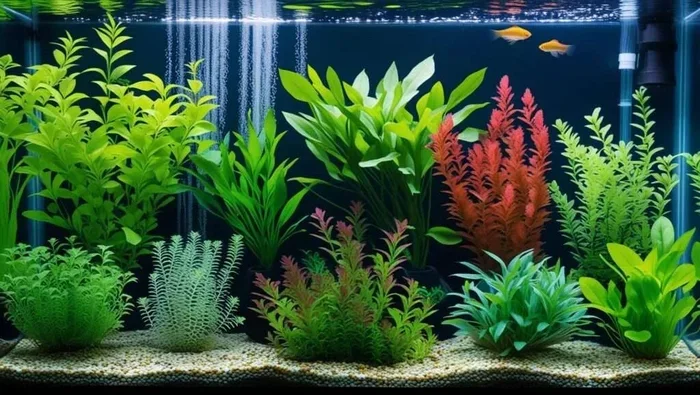
Mixing betta fish and plants transforms a plain tank into a vibrant, healthy habitat that your fish will thrive in. Live plants like Java fern and Anubias not only look beautiful but also improve water quality, reduce algae, and give your betta places to explore and rest. This guide covers the best plant choices, setup tips, and maintenance steps to create a stunning planted aquarium that keeps both your betta and greenery happy.
How to Mix Betta Fisha and Plants
Mixing betta fisha and plants is one of the best ways to create a stunning, healthy aquarium. When you combine the vibrant colors of betta fish with lush green greenery, you get a living piece of art. This guide walks you through everything you need to know about how to mix betta fisha and plants safely and beautifully. You will learn which plants work best, how to set up your tank, and what mistakes to avoid. Let us dive right in!
Creating a planted tank for your betta fish is easier than most people think. The right plants do more than just look pretty. They help keep the water clean, provide hiding spots, and make your betta feel at home. Whether you are a total beginner or have kept fish for years, mixing betta fisha and plants will level up your aquarium game. By the end of this guide, you will feel confident setting up your own planted betta tank.
Key Takeaways
- Choose soft-leaved plants: Java moss and Anubias protect delicate fins.
- Master how to mix betta fisha and plants: select compatible greenery that thrives in warm water.
- Keep water stable: maintain 78–80°F and pH 6.5–7.5 for happy bettas.
- Use gentle filtration: avoid strong currents that stress your fish.
- Secure plants firmly: driftwood and rocks create safe hiding spots.
- Cycle the tank first: add plants before introducing bettas to establish a healthy ecosystem.
📑 Table of Contents
Why Mixing Betta Fisha and Plants Works So Well
Betta fish and plants are a natural match. In the wild, bettas live among dense vegetation in rice paddies and slow-moving streams. Adding plants to your tank mimics their natural habitat. This helps reduce stress and encourages natural behavior. Your betta will swim more, explore more, and show off its colors more often.
Plants Improve Water Quality
Live plants act as a natural filter. They absorb harmful chemicals like ammonia and nitrates from the water. This means your betta fish care routine becomes simpler. You still need to do regular water changes, but plants help maintain water quality between cleanings. The result is a healthier environment for your fish.
Plants Reduce Stress in Betta Fish
Bettas feel safer when they have places to hide and explore. Plants create natural boundaries and shady spots. This is especially important for male bettas, who can be territorial. Strategic plant placement breaks up lines of sight and helps multiple fish coexist peacefully. Your betta will thank you with brighter colors and more energy.
Best Plants to Pair With Betta Fish
Not all plants are safe or suitable for betta tanks. You need to choose plants that thrive in the same water conditions bettas prefer. Here are some of the top choices for mixing betta fisha and plants.
Live Plants That Thrive With Betta Fish
These plants are hardy, safe, and perfect for betta tanks:
- Java Fern – Grows slowly and needs low light. It attaches to rocks and driftwood easily.
- Anubias – Very durable and hard to kill. It works great as a mid-ground plant.
- Amazon Sword – Adds a lush, full look to the background of your tank.
- Java Moss – Perfect for creating a natural carpet or hanging decorations.
- Cryptocoryne – Comes in many colors and sizes. It grows well in low-light setups.
Plants to Avoid
Some plants can harm your betta or release toxins into the water. Always research a plant before adding it to your tank. For example, you should check if spider plants are toxic to betta fish before placing them in your aquarium. Similarly, some common houseplants may look nice but are not safe for aquatic environments. Stick to plants specifically sold for aquariums.
| Plant Name | Difficulty Level | Light Needs | Best Position |
|---|---|---|---|
| Java Fern | Easy | Low | Mid-ground or background |
| Anubias | Easy | Low to Medium | Mid-ground |
| Amazon Sword | Medium | Medium to High | Background |
| Java Moss | Easy | Low | Anywhere |
| Cryptocoryne | Easy to Medium | Low to Medium | Mid-ground or foreground |
How to Set Up Your Betta Fish Tank With Plants
Setting up a planted tank for your betta does not have to be complicated. The key is to plan ahead and choose the right tank setup. Follow these steps to create a beautiful and safe home for your betta and plants.
Step 1: Choose the Right Tank Size
A tank of at least 5 gallons is ideal for a single betta fish. Larger tanks give you more room for plants and decorations. They also make it easier to maintain stable water conditions. A cramped tank stresses out bettas and makes plant growth harder.
Step 2: Add Substrate for Your Plants
Plants need a good base to grow in. You can use aquarium soil or fine gravel. Nutrient-rich substrate helps plants take root and thrive. Make sure the substrate is not too sharp, as betta fins are delicate and can tear easily.
Step 3: Install Lighting
Most plants for betta tanks do well with low to medium lighting. You do not need expensive grow lights. A simple LED aquarium light on a timer works perfectly. Aim for 8 to 10 hours of light per day. Too much light can cause algae to bloom, which is bad for both plants and fish.
Step 4: Arrange Your Plants
Place taller plants in the back and shorter ones in the front. This creates a natural-looking landscape. Leave open swimming areas for your betta. Bettas love to glide through open spaces, so do not overcrowd the tank. Use rocks and driftwood to anchor plants that do not need to be buried in substrate.
If you are new to this, check out our guide on how to set up a fish tank for betta fish for more detailed setup tips.
Common Mistakes to Avoid When Mixing Betta Fisha and Plants
Even experienced fish keepers make mistakes when adding plants to a betta tank. Here are the most common errors and how to avoid them.
Using the Wrong Substrate
Some substrates release chemicals that raise the pH of the water too much. Betta fish prefer slightly acidic to neutral water. Always use substrates designed for aquarium use. If you are unsure, plain gravel or aquarium soil are safe choices.
Overcrowding the Tank
It is tempting to fill your tank with lots of plants and decorations. But too many plants can limit swimming space. Your betta needs room to move freely. A good rule of thumb is to keep about 40 to 60 percent of the tank open for swimming.
Ignoring Plant Maintenance
Dead or decaying plant matter pollutes the water fast. You need to trim dead leaves regularly. This keeps your tank clean and your betta fish healthy. If you are not sure how to maintain a planted tank, learn more about how to clean betta fish tank with live plants.
Skipping the Quarantine Period
New plants can carry pests or chemicals into your tank. Always rinse new plants thoroughly before adding them. Some hobbyists even dip plants in a mild bleach solution (one teaspoon per gallon) for two minutes, then rinse well in dechlorinated water. This prevents unwanted hitchhikers from entering your aquarium.
Maintaining a Healthy Environment for Betta Fish and Plants
Once your tank is set up, ongoing maintenance is the key to long-term success. A planted betta tank is rewarding but does require some regular care. Here is what you need to do to keep everything thriving.
Water Changes and Testing
Do partial water changes every one to two weeks. Replace about 25 percent of the tank water with fresh, treated water. Test your water parameters regularly. Keep an eye on ammonia, nitrite, and nitrate levels. Plants help manage these levels, but they cannot do it all alone.
Proper water preparation is essential. Always treat tap water with a conditioner before adding it to your tank. Learn more about how to prepare water for a betta fish to make sure your water is safe and clean.
Fertilizing Your Plants
Live plants need nutrients to grow. You can use liquid fertilizers designed for aquarium plants. However, less is more. Over-fertilizing can cause algae blooms. Start with a light dose and increase only if your plants show signs of nutrient deficiency, such as yellowing leaves.
Trimming and Pruning
Trim your plants regularly to prevent overgrowth. Cut dead or brown leaves at the base. This encourages new growth and keeps your tank looking tidy. Pruning also helps light reach the lower parts of the plant, which promotes healthy growth throughout the entire plant.
Monitoring Your Betta Fish Behavior
Watch how your betta interacts with the plants. A happy betta will swim through the plants, rest on leaves, and explore the tank. If your betta seems stressed or keeps rubbing against objects, something may be wrong. Check your water parameters and make sure the plants are not blocking filters or heaters.
Final Thoughts on Mixing Betta Fisha and Plants
Mixing betta fisha and plants is one of the most rewarding aspects of fish keeping. It transforms a plain tank into a vibrant, living ecosystem. Your betta fish gets a healthier, more natural home, and you get a beautiful display to enjoy every day. The key is to start simple, choose the right plants, and stay consistent with maintenance.
Remember that every tank is different. What works for one aquarium might not work for another. Pay attention to your betta fish behavior and adjust as needed. Do not be afraid to experiment with different plant combinations. Over time, you will develop a feel for what works best in your specific setup.
Start with a few easy plants like Java Fern or Anubias. Once you gain confidence, you can add more challenging species. The journey of building a planted betta tank is just as enjoyable as the result. Happy planting, and enjoy watching your betta thrive among its green companions!
Frequently Asked Questions
How to Mix Betta Fisha and Plants Safely?
Yes, betta fish and plants make a great combination. Live plants help clean the water, provide hiding spots, and mimic your betta’s natural habitat. Just choose soft-leaved plants that won’t damage their delicate fins.
What Are the Best Plants for a Betta Fish Tank?
Some of the best plants include java fern, anubias, amazon sword, and water wisteria. These plants are hardy, low-maintenance, and safe for betta fish. They also provide plenty of cover and enrichment for your fish.
Can You Use Fake Plants When You Mix Betta Fisha and Plants?
Yes, you can use fake plants, but live plants offer far more benefits. Fake plants won’t improve water quality or produce oxygen like real ones do. If you choose fake plants, make sure they have soft silk leaves to avoid tearing your betta’s fins.
Do Betta Fish Need Plants in Their Tank?
While betta fish can survive without plants, they thrive much better with them. Plants reduce stress, give your betta places to explore, and help maintain a healthy tank environment. Adding plants is one of the easiest ways to boost your betta’s overall well-being.
How Many Plants Should You Add When Mixing Betta Fisha and Plants?
A good rule of thumb is to cover about 30 to 50 percent of the tank with plants. This gives your betta enough coverage without blocking free swimming space. Leave open areas for movement and make sure the plants don’t crowd the surface.
What Common Mistakes Should You Avoid When Mixing Betta Fisha and Plants?
Avoid plants with sharp or rough edges that can tear delicate fins. Also, steer clear of plants that need very strong lighting or heavy fertilization, which can harm bettas. Always quarantine new plants before adding them to prevent introducing pests or chemicals into the tank.