Can a Betta Fish Live in a Vase
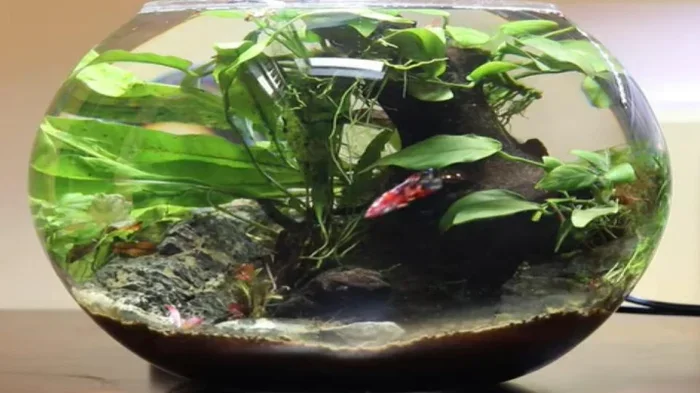
Yes, a betta fish can live in a vase, but it requires the right setup and consistent care. Many people wonder if betta fish vase living is safe, and the answer depends on water quality, temperature, and oxygen levels. This guide covers everything you need to know about setting up a vase aquarium for your betta, avoiding common mistakes, and keeping your fish healthy long-term.
Key Takeaways
- Betta fish can live in a vase: With proper setup, a vase can work as a temporary or long-term habitat.
- Water quality is critical: Regular water changes and filtration keep your betta safe in a vase.
- Temperature matters: Bettas need warm water between 76-82°F to thrive in any container.
- Oxygen levels can be low: Vases have limited surface area, so aeration and water movement are essential.
- Live plants help: Adding plants to a vase improves oxygen and mimics the betta’s natural environment.
- Avoid small, unfiltered vases: Tiny vases without filters lead to poor water quality and stress.
- A filtered tank is better long-term: For permanent housing, a filtered tank offers more stability than a vase.
📑 Table of Contents
Can a Betta Fish Live in a Vase?
The short answer is yes. A betta fish can survive in a vase. But surviving and thriving are two very different things. Many fish owners keep bettas in vases, and some do it successfully. Others run into problems with water quality, low oxygen, and stress. If you want your betta to truly flourish, you need to understand what a vase setup requires.
Betta fish are tropical freshwater fish native to Southeast Asia. In the wild, they live in slow-moving streams, rice paddies, and shallow pools. These environments have plenty of plant cover and warm, clean water. A vase can mimic some of these conditions, but only if you put in the effort to maintain it properly.
This article will walk you through everything you need to know. From choosing the right vase to setting up the perfect betta fish habitat, we cover it all. You will learn about water parameters, filtration, heating, and common mistakes to avoid.
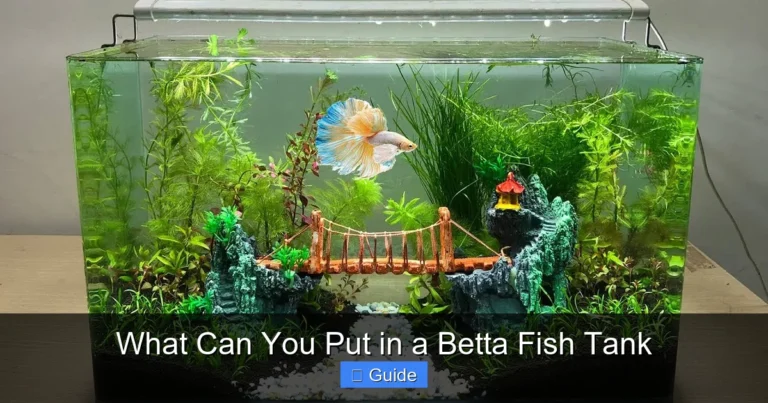
Before you decide on a vase, consider whether a filtered tank might be a better long-term option. Bettas need space, clean water, and stable conditions. A vase can work, but it comes with unique challenges that every owner should understand.
Why Do People Keep Betta Fish in Vases?
There are several reasons why vase setups are popular. First, vases look beautiful. A glass vase with a betta fish and live plants creates a stunning desktop display. Second, vases are often cheaper than full aquarium kits. Third, many people assume bettas are low-maintenance fish that can survive in small containers. While bettas are hardy, they still need proper care.
Some owners choose a betta fish vase because they have limited space. A desk, shelf, or windowsill can fit a vase nicely. This makes it a convenient option for apartment dwellers or office workers who want a touch of nature. However, convenience should never come at the cost of the fish’s health.
What Kind of Vase Works Best?
Not all vases are suitable for betta fish. The shape, size, and material all matter. A wide-mouth vase gives your betta more surface area for oxygen exchange. Narrow vases restrict airflow and make it harder to maintain water quality. Here are the key factors to consider when choosing a vase for your betta.
Size Matters
The bigger the vase, the better. A vase with at least one gallon of water is the minimum. Two to three gallons is ideal. Anything smaller makes it very difficult to keep the water stable. Small volumes of water fluctuate in temperature and chemistry quickly. A betta fish bowl of one gallon or more gives your fish room to swim and breathe.
Shape and Opening
Choose a vase with a wide opening. This allows more oxygen to dissolve into the water. It also makes cleaning and feeding easier. Narrow-necked vases trap waste and limit your ability to perform water changes. A wide-mouth vase also gives your betta access to the surface, where it breathes atmospheric air.
Material
Glass vases are the best choice. They are easy to clean, do not leach chemicals, and allow you to monitor water clarity. Plastic vases can scratch over time and may harbor bacteria in scratches. Avoid vases with painted interiors or decorative coatings, as these can leach toxins into the water.
Setting Up a Betta Fish Vase
A proper setup makes all the difference between a stressed fish and a happy, healthy betta. Simply dropping your betta into a vase of tap water is not enough. You need to create a balanced environment that supports its biological needs.
Step-by-Step Vase Setup
Follow these steps to set up a safe and comfortable vase for your betta:
- Choose the right vase. Pick a glass vase with at least one gallon capacity and a wide mouth.
- Rinse the vase thoroughly. Use clean water only. No soap or cleaning chemicals.
- Add a substrate. A thin layer of aquarium gravel or sand helps anchor plants and traps debris.
- Install a small filter. A sponge filter or small internal filter keeps water circulating. Bettas prefer gentle flow, so avoid strong filters.
- Add a heater. A small aquarium heater set to 78°F maintains the ideal temperature.
- Fill with treated water. Use dechlorinated tap water or purified water that has been conditioned.
- Add live plants. Plants like java moss, anubias, or amazon sword provide hiding spots and produce oxygen.
- Cycle the vase before adding your betta. Let the setup run for 24 to 48 hours to establish beneficial bacteria.
Following these steps takes a little extra time upfront. But it saves you from water quality problems and fish health issues down the road. A well-cycled vase is far easier to maintain than a setup that starts from scratch with a fish already inside.
Water Parameters for a Betta Vase
Bettas are sensitive to water conditions. Even in a vase, you must monitor several key parameters to keep your fish healthy.
- Temperature: 76-82°F is the ideal range. Bettas are tropical fish and need warm water. Cold water slows their metabolism and weakens their immune system.
- pH Level: Aim for a pH between 6.5 and 7.5. Stable pH is more important than hitting a perfect number.
- Ammonia and Nitrite: Both should be at 0 ppm. Even trace amounts are toxic to bettas.
- Nitrate: Keep nitrate below 20 ppm. Regular water changes are the best way to control nitrate buildup.
- Water Hardness: Bettas prefer soft to moderately hard water. A GH of 3-4 dGH works well.
Testing your water regularly with a liquid test kit is one of the best investments you can make. Test strips are convenient but less accurate. A liquid test kit gives you precise readings and helps you catch problems early before they affect your fish.
Challenges of Keeping a Betta Fish in a Vase
While a vase can work, it comes with challenges that every potential owner should understand. Being aware of these issues helps you prevent problems before they start.
Limited Water Volume
The biggest challenge of a vase setup is the small water volume. In a large tank, water parameters stay relatively stable. In a vase, even minor changes have a big impact. A single uneaten food pellet can spike ammonia levels in a one-gallon vase. This is why regular water changes are non-negotiable in a vase setup.
Many people compare a vase to a betta fish bowl. Both share similar limitations when it comes to water stability. A bowl or vase under two gallons requires frequent maintenance. If you cannot commit to weekly water changes, a larger tank is a better choice.
Low Oxygen Levels
Vases have a small surface area compared to tanks. Oxygen enters the water through the surface. Less surface area means less gas exchange. This can lead to low dissolved oxygen, which stresses your betta.
You can combat this in several ways. First, perform regular water changes to refresh oxygen levels. Second, add a small air stone or sponge filter to increase surface agitation. Third, keep the water temperature in the ideal range. Warmer water holds less oxygen, so maintaining proper temperature is especially important in a vase.
Filtration Challenges
Finding a filter small enough for a vase can be tricky. Most aquarium filters are designed for tanks of five gallons or more. A small sponge filter works well in a vase because it provides gentle mechanical and biological filtration. Avoid hang-on-back filters, as they are usually too powerful for a vase setup.
Without any filtration, waste builds up quickly. A vase with no filter requires water changes every two to three days. This is a lot of work and easy to skip, which leads to poor water quality over time.
Temperature Fluctuations
A vase sitting on a desk or windowsill is exposed to room temperature changes. In winter, the water may drop below the safe range. In summer, it may rise too high. A small aquarium heater with a thermostat helps maintain a stable temperature. Place the heater near the filter output for even heat distribution.
Common Mistakes to Avoid
Even well-meaning betta owners make mistakes that can harm their fish. Here are the most common errors people make when keeping a betta in a vase.
- Using a vase that is too small. Tiny vases under one gallon are not suitable for long-term betta care. They are too unstable and too small for the fish to swim comfortably.
- Skipping the nitrogen cycle. Adding a betta to an uncycled vase exposes it to toxic ammonia from day one. Always cycle the vase before introducing your fish.
- Overfeeding. Bettas have small stomachs. Overfeeding leads to excess waste, which spikes ammonia levels quickly in a small vase.
- Using untreated tap water. Tap water contains chlorine and chloramine, which are harmful to bettas. Always use a water conditioner before adding water to the vase.
- Neglecting water changes. Even with a filter, a vase needs regular water changes. Weekly changes of 25-50% help maintain water quality.
- Keeping the vase in direct sunlight. Sunlight promotes algae growth and can cause temperature spikes. Place the vase in a spot with indirect light.
Quick Tips for Vase Success
- Perform a 25% water change every week.
- Use a thermometer to monitor temperature daily.
- Add live plants to boost oxygen naturally.
- Feed your betta two to three pellets twice a day.
- Keep the vase away from drafty areas and direct heat sources.
- Clean the vase glass gently with a soft sponge during water changes.
How a Vase Compares to Other Betta Habitats
A vase is just one option for housing a betta fish. Understanding how it compares to other setups helps you make the best decision for your fish.
| Setup | Minimum Size | Filtration | Heating | Ease of Maintenance |
|---|---|---|---|---|
| Vase | 1 gallon | Optional (sponge filter recommended) | Required | Moderate |
| Betta Bowl | 1-2 gallons | Optional | Required | Moderate |
| Small Tank (5 gal) | 5 gallons | Required | Required | Easy |
| Community Tank (10+ gal) | 10 gallons | Required | Required | Easy |
A filtered tank offers the most stable environment and is the easiest to maintain long-term. A vase works well for people who want a compact, attractive display and are willing to put in regular maintenance. A community aquarium adds other fish but requires more space and careful planning.
If you are considering other container options, check out our guide on keeping a betta fish in a vase for detailed setup tips. You can also learn more about whether betta fish can live in a bowl to compare container options.
Can a Betta Fish Live Long-Term in a Vase?
This is the question most owners really want answered. The honest answer is that a vase can support a betta for a short to medium period. Many bettas live one to three years in a well-maintained vase. Some owners report even longer lifespans with excellent care.
However, a vase does not offer the same long-term stability as a properly sized tank. A betta fish tank of five gallons or more provides more room for filtration, heating, and plants. It also gives your betta space to explore and exhibit natural behaviors. If you want your betta to reach its full lifespan of three to five years, a tank is the better choice.
That said, many people successfully keep bettas in vases for years. The key is consistency. Regular water changes, proper heating, gentle filtration, and a stress-free environment go a long way. If you are committed to the routine, your betta can do well in a vase.
For more information on alternative setups, read about keeping a betta in a tank without a filter and using tap water with a filter for your betta. These resources help you understand the water quality requirements for any betta habitat.
Final Thoughts
A betta fish can live in a vase, but it takes work. A vase is not a set-it-and-forget-it solution. You need to stay on top of water changes, temperature, and filtration. If you are willing to put in that effort, a vase can be a beautiful and functional home for your betta.
Remember that every betta fish deserves a clean, warm, and safe environment. Whether you choose a vase, a bowl, or a full tank, your commitment to proper care determines your fish’s quality of life. Start with the right setup, maintain it consistently, and your betta will reward you with vibrant colors and lively behavior.
If you are new to betta keeping, start small and learn as you go. A vase is a great way to begin your journey into the world of betta care. Just make sure you understand the responsibilities involved before you bring your fish home. A happy betta is a healthy betta, and that starts with the right habitat.
For those considering other housing options, explore our guides on keeping a betta in a community tank and betta fish in a nano aquarium to find the best fit for your space and experience level.
Frequently Asked Questions
Can a betta fish survive in a vase without a filter?
Yes, a betta fish can survive in a vase without a filter, but it requires more frequent water changes. Without filtration, waste builds up quickly in a small volume of water. You should perform a 25-50% water change every two to three days. Adding live plants helps offset some of the waste, but regular maintenance is still essential for your betta’s health.
What size vase is best for a betta fish?
A vase with at least one gallon of capacity is the minimum recommended size. Two to three gallons is much better because it provides more stable water conditions. Larger vases are easier to maintain and give your betta more room to swim. Avoid vases under one gallon, as they are too small for long-term betta care.
Do betta fish need a heater in a vase?
Yes, betta fish need a heater in a vase. They are tropical fish that require water temperatures between 76 and 82°F. Room temperature water is usually too cold for bettas, especially in winter. A small aquarium heater with a thermostat keeps the water at a safe and stable temperature, which is essential for your betta’s immune system and overall health.
Can betta fish live in a vase with plants?
Yes, betta fish can live in a vase with live plants. In fact, plants are highly recommended. Live plants like java moss, anubias, and amazon sword produce oxygen, absorb nitrates, and provide hiding spots. Plants also create a more natural and visually appealing environment. Just make sure the plants are aquarium-safe and do not have sharp edges that could damage your betta’s fins.
How often should I change the water in a betta vase?
You should change 25-50% of the water in a betta vase every week. If your vase has no filter, you may need to change water every two to three days instead. Always use dechlorinated water at the same temperature as the vase water. Sudden temperature changes can shock your betta, so match the new water carefully before adding it to the vase.
Is a vase or a tank better for a betta fish?
A tank is generally better for a betta fish than a vase. Tanks offer more stable water conditions, better filtration options, and more swimming space. A vase can work for a betta, but it requires more frequent maintenance and careful monitoring. If you want the easiest and most rewarding setup, a five-gallon filtered tank with a heater is the gold standard for betta care.