Are Tannins Bad for Betta Fish

Tannins are not inherently bad for betta fish. In fact, many betta keepers find that tannins offer real benefits like stress reduction and natural water conditioning. However, excessive tannins can lower pH and discolor water, which may cause problems if left unmanaged. This guide covers everything you need to know about tannins and betta fish health.
Key Takeaways
- Tannins are natural compounds found in driftwood, leaves, and plant matter that release into aquarium water.
- Moderate tannin levels can benefit betta fish by reducing stress and mimicking their natural blackwater habitat.
- Excessive tannins can lower pH and create water quality issues that may harm your betta over time.
- Indian almond leaves and driftwood are the most common sources of tannins in betta tanks.
- Regular water testing and maintenance help you keep tannin levels in a safe and beneficial range.
- Activated carbon and water changes are effective methods for reducing tannins when needed.
- Understanding your betta fish tank setup is key to balancing tannins with overall water quality.
Are Tannins Bad for Betta Fish?
If you have ever noticed a yellow or brown tint in your betta fish tank water, you have likely encountered tannins. These natural compounds spark a lot of debate in the fishkeeping community. Some hobbyists love them for the soft, natural look they give aquarium water. Others worry they might harm their fish. So, are tannins bad for betta fish? The short answer is no. But like most things in fish keeping, the details matter.
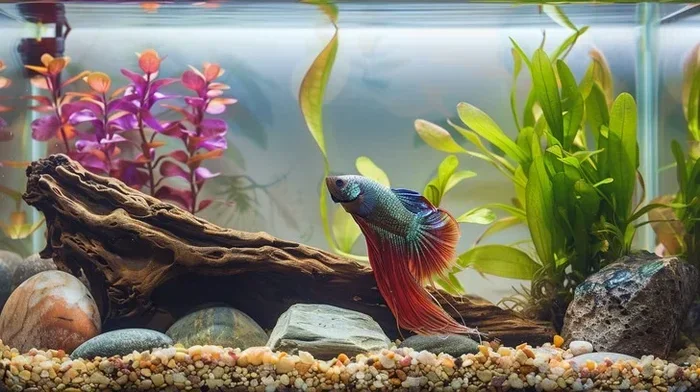
Tannins come from organic materials like driftwood, leaves, and seed pods. They leach into the water and create what many experienced keepers call blackwater conditions. This environment closely mirrors the warm, slow-moving streams where bettas naturally live in Southeast Asia. Understanding tannins helps you make better decisions for your betta fish care routine.
In this article, we will explore what tannins are, how they affect your aquarium, and whether they help or harm your betta. We will also cover practical tips for managing tannin levels. By the end, you will feel confident about how to handle tannins in your betta tank.
What Are Tannins in Aquarium Water?
Tannins are organic compounds that occur naturally in plants. They are part of a group of substances called polyphenols. When plant material breaks down in water, it releases these compounds. This is why leaves turning brown in a stream can color the water a tea-like shade.
In a fish tank, tannins typically enter the water through:
- Driftwood — one of the most common sources in betta tanks
- Indian almond leaves — popular among betta keepers for their healing properties
- Catappa leaves — similar to Indian almond leaves and widely used
- Other leaf litter — oak leaves, almond leaves, and botanicals
- Seed pods — such as lotus pods and palm fronds
When you add any of these items to your tank, they slowly release tannic acid into the water. This process can take days or even weeks depending on the material. The result is water that ranges from a light golden hue to a deep amber color. Many betta fish owners actually prefer this look because it creates a natural, calming environment.
The Benefits of Tannins for Betta Fish
Not all tannins are a problem. In fact, moderate levels of tannins can offer real benefits for betta fish. Let us look at why many experienced hobbyists embrace them.
1. Natural Stress Reduction
Bettas evolved in warm, shallow, tannin-rich waters. The slightly stained water provides a sense of security for these fish. Tannins can reduce stress by dimming bright tank lights and creating a more natural feel. This is especially helpful for shy or newly introduced bettas that need time to adjust to a new environment.
Think of it like this. Imagine walking into a brightly lit room versus a softly lit one. Which feels more relaxing? The same principle applies to your betta. Tannins act like a natural dimmer switch for your aquarium.
2. Mild Antibacterial and Antifungal Properties
Tannic acid has mild antibacterial and antifungal properties. This is one reason why many breeders and hobbyists use Indian almond leaves in their tanks. These leaves release tannins that can help prevent minor infections and promote overall fish health. Some keepers even use them to treat mild fin rot or fungal outbreaks in betta fish.
3. Mimicking the Natural Habitat
Betta fish come from regions with dense vegetation and leaf litter on the water’s surface. The tannins from decaying plant matter create the soft, acidic water conditions found in these habitats. Replicating these conditions in your aquarium supports your betta’s natural behavior and may encourage breeding.
Adding live plants to your tank also contributes to this natural ecosystem. You can learn more about whether live plants are safe for betta fish and how they complement a tannin-rich environment.
4. Lowering pH Naturally
Tannins gently lower the pH of aquarium water. For bettas that thrive in slightly acidic conditions (pH 6.5 to 7.0), this can be beneficial. It helps create stable water parameters that mirror their native environment. However, this benefit comes with a caveat, which we will cover next.
When Tannins Become a Problem for Betta Fish
While moderate tannins can be helpful, too much of a good thing can cause issues. Understanding when tannins cross the line from beneficial to harmful is key to responsible betta care.
1. Excessive pH Drops
Tannins lower pH over time. If your tank starts too alkaline and you add a lot of tannin-releasing materials, the pH can drop too fast. Rapid pH swings are dangerous for betta fish. They can cause osmotic stress, weakened immunity, and even death in severe cases.
The key is gradual change. Monitor your pH levels regularly using a reliable test kit. If you notice the pH dropping below 6.0, it is time to take action.
2. Reduced Water Clarity
Heavy tannin staining can make your tank water look dark brown or tea-colored. While some hobbyists find this aesthetically pleasing, it can reduce visibility in the tank. This makes it harder to observe your betta’s behavior, spot signs of illness, or notice uneaten food.
Cloudy or heavily stained water can also make your tank look unclean, even when the water quality is actually fine. This is a common frustration for beginners who mistake tannin staining for poor maintenance.
3. Interference with Medication
Tannins can bind to medications and reduce their effectiveness. If you ever need to treat your betta for an illness, tannin-rich water may interfere with the treatment. Many experienced keepers remove tannin sources or use activated carbon during medication periods.
4. Impact on Filtration
Tannins can coat filter media over time, reducing its effectiveness. They may also interact with certain filter types. If you are using a hang-on-back filter or sponge filter, the tannins may affect how well the filter performs. Understanding how filters handle tannins is important for maintaining good water quality.
To learn more about keeping your filtration system running properly, check out our guide on whether water filters are necessary for betta fish.
How to Manage Tannin Levels in Your Betta Tank
Managing tannins does not mean eliminating them entirely. The goal is balance. Here are practical steps to keep tannin levels in check while still enjoying their benefits.
1. Test Your Water Regularly
A good liquid test kit is your best friend. Test your pH, ammonia, nitrite, and nitrate levels at least once a week. If tannins are affecting your water parameters, the test kit will tell you. This simple habit prevents small problems from becoming big ones.
2. Use Activated Carbon
Activated carbon is one of the most effective ways to remove tannins from aquarium water. It absorbs the organic compounds that cause staining. Simply add a carbon media bag to your filter and replace the carbon every 2 to 4 weeks.
If you are concerned about whether your current filter setup is safe and effective, you can read about whether filters are safe for betta fish to make sure your filtration supports a healthy tank.
3. Perform Regular Water Changes
Regular water changes dilute tannins and refresh the tank. Aim for 20 to 30 percent water changes weekly. Use a gravel vacuum to remove debris from the substrate. This simple routine keeps tannin levels stable and water quality high.
4. Control the Amount of Tannin Sources
If you love the look of tannin-stained water but want to avoid excess, control your inputs. Use smaller pieces of driftwood or fewer leaves. You can also pre-soak driftwood in a bucket for several days before adding it to the tank. This releases some tannins upfront and reduces the ongoing leaching.
5. Monitor Your Tank Mates and Plants
Live plants can also contribute to tannin levels as leaves decompose. Keeping plants healthy and removing dead or dying leaves helps manage the source of tannins. If you are considering adding plants to your betta tank, check out our guide on whether bamboo plants are safe for betta fish for plant-safe options that complement your tank setup.
Common Mistakes Bettas Keepers Make With Tannins
Even experienced keepers sometimes make mistakes when managing tannins. Here are the most common ones to avoid.
- Adding too much driftwood or leaves at once. This causes a sudden spike in tannins and a sharp pH drop. Introduce tannin sources gradually.
- Ignoring water testing. Without regular tests, you cannot tell if tannins are pushing your parameters out of safe ranges.
- Confusing tannin staining with ammonia. Yellow or brown water could be tannins or a sign of ammonia buildup. Always test to be sure.
- Removing all tannins completely. Total elimination removes the natural benefits and can stress bettas that are accustomed to soft, tannin-rich water.
- Using the wrong filter media. Some filter media can actually release tannins instead of removing them. Choose your media carefully.
Expert Insights on Tannins and Betta Fish
Many seasoned betta keepers and aquarists agree that tannins, when managed properly, are a net positive for betta fish tanks. The key is understanding your specific tank environment. Every aquarium is different. The size of your tank, the type of filter you use, the other inhabitants, and your local water supply all play a role in how tannins affect your setup.
Expert aquarists recommend starting with small amounts of tannin sources and gradually increasing them while monitoring water parameters. This slow approach lets you find the sweet spot where your betta thrives without water quality issues. It also gives you time to observe how your individual fish respond to the changed water conditions.
Some keepers use what is called a blackwater extract, which is a concentrated liquid form of tannins. This gives you precise control over tannin levels without adding physical materials to the tank. It is a great option for those who want consistent results without the guesswork.
Quick Tips for Tannin Management
- Start with one Indian almond leaf and observe the water color over 48 hours.
- Keep a log of your water test results to track trends over time.
- Pre-soak driftwood for 3 to 7 days before adding it to the tank.
- Replace activated carbon every 2 to 4 weeks for best results.
- Do not panic if your water turns slightly yellow — this is normal and often beneficial.
- Always quarantine new driftwood or botanicals before adding them to your main tank.
Final Thoughts: Are Tannins Bad for Betta Fish?
The answer is clear. Tannins are not bad for betta fish when managed correctly. They offer real benefits like stress reduction, mild antibacterial properties, and a more natural living environment. The key is balance. Too many tannins can lower pH too much, stain the water excessively, and interfere with medications. Too few means you miss out on the natural benefits these compounds provide.
By testing your water regularly, using activated carbon when needed, and performing consistent water changes, you can enjoy the best of both worlds. Your betta fish will thrive in a tank that mimics their natural habitat while staying safe and healthy. Remember that every tank is unique, so pay attention to what your fish are telling you. A happy, active betta with vibrant colors is the best sign that your tannin levels are just right.
Take what you have learned here and apply it with confidence. Managing tannins does not have to be complicated. With a little observation and regular maintenance, you can create a beautiful, natural environment where your betta fish truly flourish.
Frequently Asked Questions
Do tannins lower pH in a betta fish tank?
Yes, tannins naturally lower the pH of aquarium water over time. This happens because tannic acid releases hydrogen ions as it dissolves. For bettas, a gradual pH drop into the slightly acidic range (6.5 to 7.0) is generally safe and beneficial. However, rapid or extreme pH drops can be harmful, so regular testing is essential.
Can tannins harm my betta fish directly?
Tannins at normal levels do not directly harm betta fish. In fact, they often help reduce stress and support overall health. Problems only arise when tannin levels become excessive, causing extreme pH drops or water quality issues. Keeping tannins in check through regular maintenance prevents any direct harm to your fish.
How long do tannins last in a betta fish tank?
The duration depends on the source. A piece of driftwood can release tannins for weeks or even months. Indian almond leaves typically last 1 to 3 weeks before fully breaking down. You can speed up the process by boiling the materials before adding them, which releases tannins faster and also helps them sink.
Should I use activated carbon to remove tannins?
Activated carbon is the most effective and commonly used method for removing tannins from aquarium water. It works by absorbing the organic compounds that cause staining. However, you do not need to run carbon all the time. Many keepers use it only when tannin levels become too high or when treating their betta with medication.
Are Indian almond leaves the same as tannins?
Indian almond leaves are a source of tannins, not tannins themselves. When the leaves sit in water, they slowly release tannic acid and other organic compounds. These compounds create the soft, slightly acidic water conditions that bettas love. Many betta keepers use these leaves specifically for their tannin-releasing properties.
Can tannins help with betta fish breeding?
Yes, tannins can support breeding conditions. The soft, slightly acidic water that tannins create closely mimics the betta’s natural breeding habitat. Many breeders use Indian almond leaves or blackwater extracts to condition water for spawning. The reduced stress and natural water parameters can encourage breeding behavior in male and female bettas.