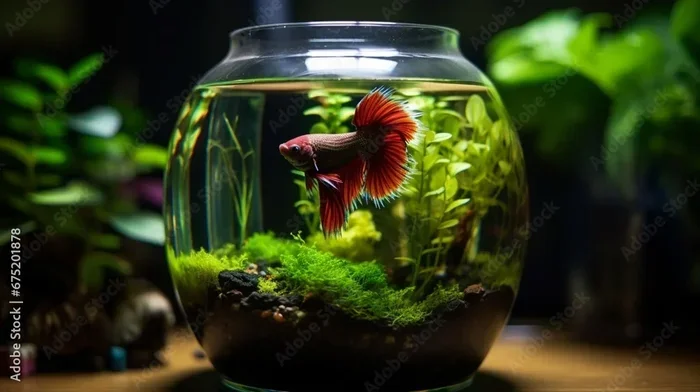
Can a Betta Fish Live in Cold Water

Can a betta fish live in cold water? The short answer is no — betta fish need warm water between 76°F and 82°F to stay healthy. Cold water weakens their immune system and can lead to serious illness or death. Learn how to protect your betta from temperature shock and keep your aquarium at the right betta fish temperature year-round.
You love your betta fish. You want the best for them. But one question keeps popping up — can a betta fish live in cold water? Maybe your room gets chilly at night. Maybe you don’t have a heater yet. Or maybe you just noticed your betta acting strange and wonder if the temperature is to blame.
The truth is, cold water and betta fish do not mix. Bettas are tropical fish. They come from warm, slow-moving waters in Southeast Asia. Cold water puts their entire body under stress. It slows their digestion. It weakens their immune system. And over time, it can be fatal.
In this guide, we will cover everything you need to know about betta fish cold water survival. You will learn the ideal temperature range, what happens when water gets too cold, and how to keep your betta warm and healthy. Let us dive right in.
Key Takeaways
- Betta fish cannot survive long-term in cold water: Their bodies are built for warm tropical conditions, and cold temperatures cause severe health problems.
- The ideal temperature range is 76°F to 82°F: Keeping water within this range supports digestion, immunity, and overall vitality.
- A betta fish heater is essential: Room temperature water is usually too cold, especially during winter months.
- Cold water shock is real and dangerous: Sudden temperature drops can stress or kill your betta within hours.
- Signs of cold stress include lethargy, clamped fins, and loss of appetite: Watch for these symptoms and act fast.
- Prevention is simple with the right equipment: A reliable heater and thermometer make all the difference.
📑 Table of Contents
- Why Betta Fish Need Warm Water
- What Happens When Betta Fish Live in Cold Water
- Can a Betta Fish Survive in Cold Water Temporarily?
- How to Keep Your Betta Fish Tank Warm
- Common Mistakes That Cause Cold Water Problems
- Signs Your Betta Fish Is Too Cold
- What If Your Betta Already Experienced Cold Exposure?
- Conclusion
Why Betta Fish Need Warm Water
Betta fish are tropical creatures. They evolved in warm climates with steady water temperatures. Their bodies simply do not work well in cold conditions. Understanding why warmth matters helps you become a better fish owner.
The Science Behind Betta Fish and Temperature
Betta fish are ectothermic, which means their body temperature matches their environment. When the water is warm, their metabolism works at a normal pace. They digest food properly. They swim with energy. Their immune system fights off germs effectively.
When the water turns cold, everything slows down. Their metabolism drops. Food sits undigested in their gut. Their body struggles to absorb nutrients. Even their gills move more slowly, making it harder to breathe.
Here is a simple way to think about it. Imagine you jump into a cold lake. Your body shivers. Your muscles stiffen. You feel drained. Now imagine living in that cold water every single day. That is what cold water does to your betta.
What Is the Ideal Betta Fish Temperature?
The sweet spot for betta fish temperature is between 76°F and 82°F (24°C to 28°C). Within this range, your betta will feel comfortable, eat well, and stay active. Some owners aim for the middle of that range, around 78°F, for the best results.
Here are the key temperature zones to keep in mind:
- Too cold: Below 72°F — dangerous and stressful
- Acceptable range: 76°F to 82°F — ideal for health
- Too warm: Above 85°F — also harmful, reduces oxygen levels
Staying within the ideal betta temperature range is one of the simplest things you can do for your fish. It costs very little and makes a huge difference.
What Happens When Betta Fish Live in Cold Water
So what exactly goes wrong when the water temperature drops? The effects are serious and can happen fast. Let us break them down.
Cold Water Shock
Cold water shock is the most immediate danger. If the temperature drops suddenly — say, because of a drafty window or an air conditioner — your betta can go into shock. Symptoms include rapid gilling, frantic swimming, or complete stillness.
In severe cases, cold water shock can kill a betta within hours. This is why placing a betta tank near a window or vent is a bad idea. Temperature swings are just as dangerous as a consistently cold tank.
Weakened Immune System
Even if the cold does not shock your fish right away, it does long-term damage. Cold water suppresses the betta immune system. A weakened immune system makes your fish vulnerable to common diseases like fin rot, ich, and fungal infections.
Bettas kept in cold water often develop these problems slowly over weeks. By the time you notice symptoms, the damage may already be deep. This is why many owners say their betta “suddenly got sick” — the real cause was weeks of cold stress they did not see.
Digestive Problems
Bettas need warmth to digest food properly. In cold water, food passes through their system too slowly. This can cause bloating, constipation, and a condition called swim bladder disease. A bloated betta struggles to swim and eat normally.
If you notice your betta refusing food or swimming sideways, check the temperature first. It might be the simplest fix.
Shortened Lifespan
Betta fish can live 3 to 5 years with proper care. But fish kept in cold water often die much younger. The constant stress wears their body down over time. Their organs slow, their color fades, and they lose interest in food and activity.
Keeping your betta at the right aquarium temperature is one of the best ways to help them live a full, healthy life.
Can a Betta Fish Survive in Cold Water Temporarily?
Some people wonder if a brief dip in cold water will hurt their betta. The answer depends on the situation.
Can a betta fish live in cold water for one day? Possibly, but it is still risky. A single cold night might not kill a healthy betta. However, it will stress them out and lower their defenses. Think of it like catching a cold — you survive, but your body takes time to recover.
Can a betta fish live in cold water long-term? No. Extended exposure to cold water will inevitably lead to health decline and death. There is no shortcut around this fact.
Some owners ask, can betta fish live in cold water without a heater? The honest answer is no. Room temperature in most homes falls below 76°F, especially at night and during winter. A heater is not optional — it is essential.
And what about can betta fish live in cold water during winter? Winter is the most dangerous time. Indoor temperatures can drop significantly, and near-window tanks feel the chill the most. If you do not use a heater in winter, your betta is at serious risk.
How to Keep Your Betta Fish Tank Warm
The good news is keeping your betta warm is straightforward. A few simple tools and habits make all the difference.
Use a Fish Tank Heater
A betta fish heater is the single most important piece of equipment for your tank. Small aquarium heaters rated for 5 to 10 gallons work perfectly for betta bowls and tanks. Look for one with a built-in thermostat that automatically maintains the set temperature.
Place the heater near the filter output or near the substrate for even heat distribution. Most heaters come with clear instructions. Follow them carefully.
Use a Thermometer
Do not guess the temperature. Use a simple aquarium thermometer and check it daily. Stick-on thermometers are cheap and easy to read. Some owners prefer digital thermometers for more accuracy.
If the temperature dips below 76°F, adjust your heater. If it rises above 82°F, check for overheating issues. Keeping a steady hand on the temperature prevents problems before they start.
Avoid Drafty Spots
Place your betta tank away from windows, doors, and air vents. Drafts cause temperature fluctuations that stress your fish. A stable environment is always better than one that swings between warm and cold.
Do a Partial Water Change with Warm Water
When you do water changes, match the new water temperature to the tank. Use a thermometer on your tap water and warm it slightly if needed. Adding cold water during a change can drop the tank temperature fast.
If you are wondering about water sources, check out our guide on can a betta fish live in tap water with a filter for helpful tips on safe water preparation.
Quick Tips for Maintaining the Right Temperature
- Set your heater to 78°F for a safe middle ground
- Check the thermometer every morning
- Never place the tank near a window or AC vent
- Use a tank cover to reduce heat loss
- Do water changes with temperature-matched water
- Keep the room warm during cold seasons
Common Mistakes That Cause Cold Water Problems
Many betta owners accidentally expose their fish to cold water without realizing it. Here are the most common mistakes.
Using a Bowl Without a Heater
Small bowls and vases are popular for bettas, but they lose heat fast. A bowl sitting on a desk in an air-conditioned room can drop below safe temperatures quickly. If you keep your betta in a bowl, a tiny heater is still necessary.
Learn more about proper bowl setups in our article on can my betta fish live in a bowl.
Relying on Room Temperature Alone
Some owners think room temperature is enough for a betta. In most homes, it is not. Room temperature often sits between 68°F and 74°F — below the safe range for bettas. A heater fills that gap and keeps your fish comfortable.
Ignoring Seasonal Temperature Changes
Summer feels warm, but your tank might still be fine. Winter is the real problem. As the room cools, the tank follows. Owners who do not adjust their heater settings seasonally often find their betta stressed by spring or fall.
Placing the Tank Near a Window
A sunny window might feel warm during the day, but nighttime temperatures near glass can drop sharply. Cold drafts from windows are a leading cause of temperature problems. Keep the tank on an interior wall instead.
Signs Your Betta Fish Is Too Cold
Knowing the warning signs helps you act fast. Here is what to watch for:
- Lethargy: Your betta stays at the bottom and barely moves
- Clamped fins: Fins stay closed against the body instead of spreading out
- Loss of appetite: Your betta ignores food or spits it out
- Faded colors: Bright colors dull and become pale
- Rapid breathing: Gills move fast even while resting
- Hiding behavior: Your normally curious betta hides constantly
- Shivering or trembling: Visible muscle twitching or shaking
If you notice any of these signs, check the water temperature immediately. A quick temperature fix can often reverse early symptoms. But the longer your betta stays cold, the harder recovery becomes.
For more on recognizing stress signals, you might want to read about can a betta fish live in a cold room and how environmental temperature affects your fish.
What If Your Betta Already Experienced Cold Exposure?
Do not panic if your betta has been in cold water. There are steps you can take to help them recover.
First, raise the temperature slowly. Do not crank the heater up all at once. A sudden jump of several degrees can cause additional stress. Increase the temperature by 1°F to 2°F every few hours until you reach the safe range.
Second, watch your betta closely for the next 24 to 48 hours. Look for improved activity, a return of appetite, and fins spreading out. These are good signs of recovery.
Third, consider adding aquarium salt to the water. Mild salt baths can help reduce stress and support fin healing. Use aquarium-specific salt and follow dosage instructions carefully.
If your betta shows no improvement after 48 hours, or if symptoms worsen, consult a veterinarian who specializes in fish health. Early intervention can make all the difference.
Conclusion
The answer to can a betta fish live in cold water is clear. Cold water is dangerous for bettas. It causes shock, weakens immunity, creates digestive problems, and shortens lifespan. Your betta deserves warm, stable water between 76°F and 82°F.
A good heater, a reliable thermometer, and a stable placement are all it takes. These small investments protect your fish and give them the best chance at a long, happy life. Do not wait until you see warning signs. Take action now and keep your betta’s water temperature right where it should be.
Your betta fish depends on you for a comfortable home. Give them the warmth they need, and they will reward you with vibrant colors, active swimming, and years of companionship.
Frequently Asked Questions
Can a betta fish survive in cold water overnight?
A brief cold night might not kill a healthy betta, but it will stress them and weaken their immune system. Repeated cold exposure, even overnight, adds up over time and can cause serious health problems. Always keep the water within the safe temperature range.
What is the lowest temperature a betta fish can tolerate?
Betta fish can tolerate temperatures down to about 72°F for short periods. Anything below that enters the danger zone. At 70°F and below, cold stress sets in quickly. A reliable heater prevents the temperature from ever reaching this low.
Do betta fish need a heater in summer?
In most cases, room temperature in summer stays within the safe range. However, if your home gets very hot above 85°F, you may need to cool the tank slightly. A heater with a thermostat helps maintain stability year-round regardless of the season.
Can I use a heated betta bowl instead of a tank heater?
Yes, heated betta bowls are available and work well for small setups. Make sure the bowl has a built-in thermostat and is the right size for your fish. Even in a heated bowl, it is wise to monitor the temperature with a separate thermometer.
How long does it take for a betta to show cold stress symptoms?
Some signs like lethargy and clamped fins can appear within hours of a temperature drop. Other effects like weakened immunity and digestive issues build up over days or weeks of continuous cold exposure. The sooner you correct the temperature, the better the outcome.
Is room temperature water safe for betta fish?
Most room temperatures fall between 68°F and 74°F, which is below the ideal range for bettas. Without a heater, room temperature water will eventually cool the tank to unsafe levels. Always use a heater to maintain the proper betta fish temperature range.