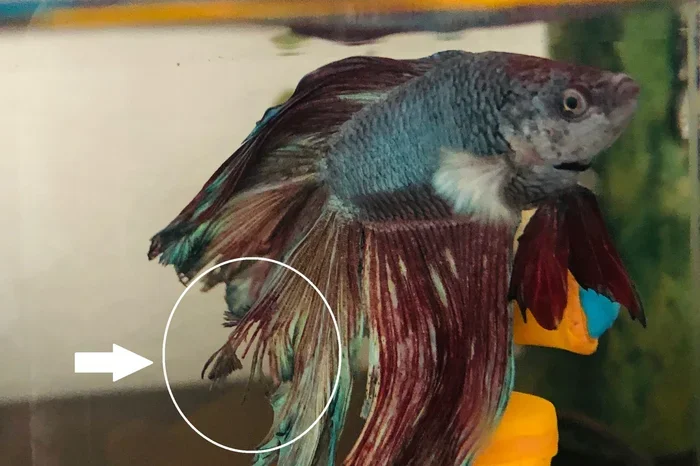
Can a Betta Fish Live in a Tank
Yes, a betta fish can thrive in a properly sized tank with clean water, heating, and enrichment. Small bowls are tempting, but a 5‑gallon (or larger) aquarium provides the space and stability bettas need for a long, vibrant life.
Key Takeaways
- Tank size matters: Aim for at least 5 gallons (19 L) to give your betta room to swim and maintain water quality.
- Temperature is key: Betta fish are tropical; keep water between 76‑82 °F (24‑28 °C) with a reliable heater.
- Filtration helps: A gentle filter reduces ammonia spikes and makes water changes easier.
- Enrichment prevents boredom: Live plants, caves, and silk ornaments give your betta places to explore.
- Water changes are essential: Change 25‑30 % of the water weekly to keep nitrate levels low.
- Tank mates are possible: Choose peaceful, non‑fin‑nipping species; see “Which fish can live with betta fish in a tank?” for ideas.
- Regular monitoring: Test water parameters weekly and watch for signs of stress or disease.
📑 Table of Contents
- Introduction: Why the Tank Question Matters
- 1. The Ideal Tank Size for a Betta
- 2. Setting Up the Tank: Essentials
- 3. Water Quality: The Heart of Betta Health
- 4. Feeding and Nutrition
- 5. Tank Mates: Can Betta Share the Space?
- 6. Common Mistakes and How to Avoid Them
- Conclusion: Yes, a Betta Can Live in a Tank—And Thrive!
Introduction: Why the Tank Question Matters
Betta fish, also called Siamese fighting fish, are famous for their bright colors and dramatic fins. Because they can survive in low‑oxygen water, many people assume a tiny bowl is enough. The reality is a bit more nuanced. While a betta can live in a small container for a short time, a properly sized tank offers stability, health benefits, and a richer life.
In this article we’ll answer the question “can a betta fish live in a tank?” by exploring the science of water quality, the ideal tank setup, and everyday care tips. You’ll walk away with a clear plan whether you’re a first‑time owner or looking to upgrade an existing setup.
1. The Ideal Tank Size for a Betta
Why Bigger Is Better
A betta’s natural habitat is rice paddies and slow‑moving streams in Southeast Asia. Those environments provide plenty of surface area for the fish to gulp air. In a home aquarium, a larger water column mimics that stability. A 5‑gallon (19 L) tank is the sweet spot for most bettas because it:
- Dilutes waste, keeping ammonia and nitrite levels low.
- Maintains a more stable temperature, especially in cooler homes.
- Gives the fish room to swim, reducing stress and fin‑rot risk.
If space permits, a 10‑gallon (38 L) tank is even better, especially if you plan to add compatible tank mates.
Common Misconceptions
Many beginners start with a 1‑gallon bowl because bettas can survive there. However, a bowl lacks a filter, heater, and lid, making it harder to control temperature and water quality. Over time, the water becomes toxic, and the fish’s lifespan shortens dramatically. For a healthy betta, think of the tank as a small but well‑maintained ecosystem, not just a decorative bowl.
2. Setting Up the Tank: Essentials
Heater and Temperature Control
Betta fish are tropical and need water that stays between 76‑82 °F (24‑28 °C). A submersible aquarium heater with an adjustable thermostat is the safest way to keep the temperature constant. Place the heater near a water flow (if you use a filter) to prevent hot spots.
Filtration – Gentle but Effective
Because bettas have delicate fins, a strong current can stress them. Choose a sponge filter or a low‑flow hang‑on‑back (HOB) filter. These provide biological filtration (good bacteria) without creating a strong stream. If you’re using a tank under 5 gallons, a filter may be optional, but you’ll need to perform more frequent water changes.
Substrate and Decoration
A fine gravel or sand substrate mimics the riverbeds bettas are used to. Add live or silk plants for hiding spots; they also help absorb nitrates. Avoid sharp plastic ornaments that can tear delicate fins. A small cave, driftwood, or a piece of PVC pipe works well as a “resting spot.”
Lid and Cover
Betas are notorious jumpers. A secure lid prevents escapes and reduces dust entry. If you want to add a hood, make sure it allows easy access for feeding and cleaning.
3. Water Quality: The Heart of Betta Health
Parameters to Monitor
- pH: 6.5‑7.5 is ideal.
- Ammonia & Nitrite: Both must be 0 ppm.
- Nitrate: Keep below 20 ppm; weekly 25‑30 % water changes help.
- Temperature: 76‑82 °F (24‑28 °C).
Testing kits are inexpensive and worth the investment. Test weekly, especially after a water change or when adding new décor.
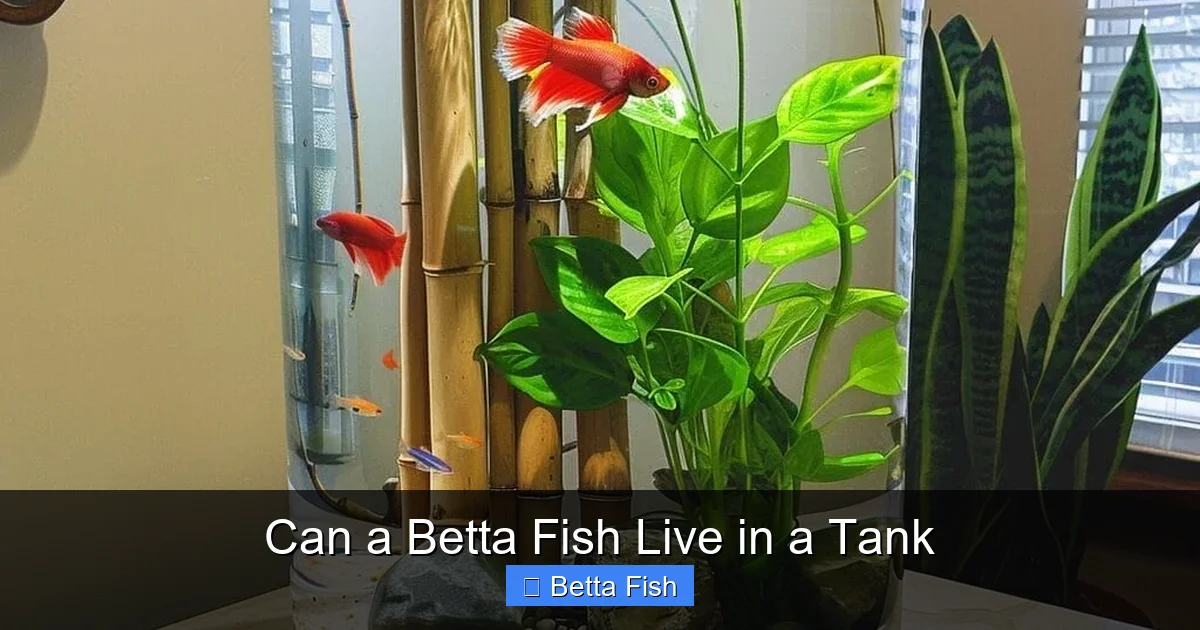
Visual guide about Can a Betta Fish Live in a Tank
Image source: i.pinimg.com
Conditioning Tap Water
If you wonder can betta fish live in tap water, the answer is yes, but only after dechlorination. Use a water conditioner to neutralize chlorine and chloramine, which are harmful to fish.
Water Changes Made Simple
For a 5‑gallon tank, change 25 % of the water every week. Use a siphon to remove debris from the substrate, then refill with conditioned water that matches the tank’s temperature. This routine keeps nitrate levels low and reduces the risk of disease.
4. Feeding and Nutrition
What to Feed
High‑quality betta pellets should be the staple—look for products with at least 40 % protein and no filler. Supplement with frozen or live foods like brine shrimp or daphnia 1‑2 times per week for enrichment.
Feeding Frequency
Feed small amounts 2‑3 times daily. Betta stomachs are about the size of their eye, so a few pellets per feeding is enough. Over‑feeding leads to cloudy water and health problems.
Signs of Good Health
- Bright, flared fins.
- Active swimming near the surface.
- Steady appetite.
- Clear eyes and intact scales.
5. Tank Mates: Can Betta Share the Space?
Choosing Compatible Species
Betta fish can coexist with other peaceful species if the tank is large enough and the companions are not fin‑nippers. Good candidates include:
- Harlequin rasboras
- Corydoras catfish (small, bottom‑dwelling)
- Snails (e.g., nerite or mystery)
- Small, non‑aggressive tetras
Read which fish can live with betta fish in a tank for a full list and tips on introductions.
Male vs. Female Betta Compatibility
Two male bettas will fight aggressively, so they should never share a tank. Two females can sometimes live together if the tank is at least 10 gallons and plenty of hiding spots are provided. For details, see can two female betta fish live in the same tank.
Introducing New Fish
Quarantine any new fish for at least two weeks before adding them to the betta’s tank. This prevents disease spread and gives you time to observe behavior. When you do introduce, use a divider or a “peek‑a‑booth” method to let the betta see the newcomer before full contact.
6. Common Mistakes and How to Avoid Them
Using a Tiny Bowl
While a betta can survive in a bowl, it’s not ideal for long‑term health. Lack of filtration and temperature control leads to rapid water quality decline.
Over‑decorating
Too many ornaments clutter the space and reduce swimming room. Keep decorations functional—provide hiding places but leave open swimming lanes.
Neglecting Maintenance
Skipping weekly water tests or changes creates a toxic environment. Set a reminder on your phone to stay consistent.
Feeding Too Much
Over‑feeding not only fattens your betta but also fuels bacterial growth, clouding the water. Stick to small portions and remove uneaten food after a few minutes.
Conclusion: Yes, a Betta Can Live in a Tank—And Thrive!
Answering the core question, “can a betta fish live in a tank?”—the short answer is a resounding yes, provided the tank meets the basic requirements of size, temperature, filtration, and regular maintenance. By giving your betta a well‑equipped aquarium, you’re not just keeping it alive; you’re offering a vibrant, enriched environment where it can display its natural behaviors, show off its colors, and live a long, healthy life.
Remember: a 5‑gallon tank with a heater, gentle filter, live plants, and weekly water changes is the gold standard. Add compatible tank mates only after careful research, and always monitor water parameters. With these steps, you’ll enjoy watching your betta flourish for years to come.
Frequently Asked Questions
Can a betta fish live in a 2‑gallon tank?
It’s possible for a short period, but a 2‑gallon tank quickly becomes unstable in temperature and water quality, leading to health problems. Aim for at least 5 gallons.
Do bettas need a heater in a tank?
Yes. Betta fish are tropical and thrive at 76‑82 °F (24‑28 °C). A reliable heater maintains this range, especially in cooler rooms.
Can betta fish live with snails?
Most snails, such as nerite or mystery snails, are safe tank mates. They help clean algae and are not likely to nip fins.
How often should I change the water in a betta tank?
Change 25‑30 % of the water weekly. Use a water conditioner to remove chlorine and match the tank’s temperature.
What are signs of stress in a betta?
Faded colors, clamped fins, erratic swimming, loss of appetite, or frequent hiding indicate stress and should prompt a water test.
Can I keep a betta in a bowl without a filter?
While bettas can survive briefly in a bowl, lack of filtration makes water quality deteriorate fast. A filtered tank is the best long‑term solution.