Yes, two female betta fish can live together, but only under very specific and carefully managed conditions known as a “sorority.” Success depends entirely on a large, heavily planted tank (minimum 20+ gallons) and introducing a group of at least 4-6 females simultaneously to diffuse aggression. Attempting a pair in a small tank will almost certainly lead to fatal fighting.
Key Takeaways
- Tank Size is Crucial: Use a 20+ gallon tank to reduce territorial disputes.
- Larger Groups Can Be Calmer: Sororities of 5+ females often spread aggression better than pairs.
- Constant Monitoring is Required: Watch for bullying; be prepared to separate injured fish immediately.
- Setup Must Include Hiding Spots: Provide plants, decorations, and visual barriers to break lines of sight.
- Not All Females Will Tolerate Each Other: Some are inherently more aggressive and may never suit a group.
- Always Have a Backup Plan: Keep a separate “hospital” tank ready for any fish that needs removing.
📑 Table of Contents
- Can Two Female Betta Fish Live in the Same Tank? The Truth About Betta Sororities
- Debunking the Myth: “Females Are Always Peaceful”
- The Betta Sorority Tank: A High-Risk, High-Reward Endeavor
- The Risks and Realities: What Can Go Wrong
- Step-by-Step: How to Attempt a Female Betta Sorority
- The Data: Sorority vs. Solo Tank Comparison
- The Better, Safer Alternatives: Community Tank Ideas
- Conclusion: The Solo Tank is the Kindest Choice
Can Two Female Betta Fish Live in the Same Tank? The Truth About Betta Sororities
Let’s be honest, we’ve all been there. You’re staring at a beautiful, flowing female betta at the pet store, and then you see another one just a few tanks down with even more stunning colors. Your brain starts to wander: “They’re both girls, they’ll get along, right? It would be so pretty to have them together!” I’ve had that exact thought, and I’ve also learned the hard, heartbreaking way that the answer is far more complicated than a simple yes or no. The question of whether two female betta fish can live in the same tank is one of the most debated topics in the aquarium hobby, and for good reason. The short, unvarnished truth is that it is possible, but it is rarely easy, inherently risky, and absolutely not for beginners. This isn’t like pairing two guppies or neon tetras. Female betta fish, while less aggressively territorial than their male counterparts, are still individuals with strong personalities and a genetic predisposition to defend their space.
So, before you grab a second tank and a divider, let’s dive deep into the world of the “betta sorority.” We’ll separate myth from reality, talk about the exact conditions that make a cohabitation attempt possible (though never guaranteed), and explore why, for most people, keeping your female betta solo is the kindest and safest choice. This isn’t about discouraging you; it’s about equipping you with the honest information you need to be a responsible betta keeper.
Debunking the Myth: “Females Are Always Peaceful”
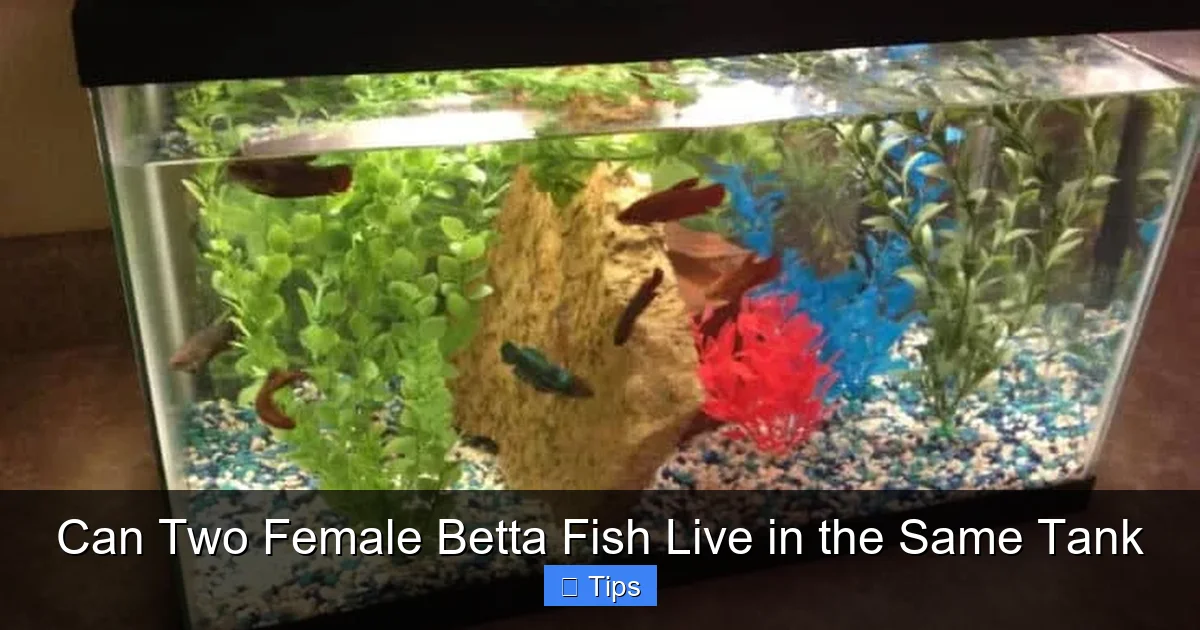
This is the biggest and most dangerous misconception. The idea that female bettas are naturally docile stems from their use in commercial “community” tanks at big-box stores, where they are often crammed together in small, overstocked setups. What you’re seeing there is a state of stress-induced submission or sheer exhaustion, not harmony. In a proper tank with space and resources, their true personalities emerge.
Visual guide about Can Two Female Betta Fish Live in the Same Tank
Image source: tankarium.com
The Genetic Root of the Behavior
Betta splendens, the species we keep as pets, are called Siamese fighting fish for a reason. This aggression is bred into them over centuries. Males were pitted against each other in fights, but females were also selected for aggression to produce more aggressive offspring. That territorial, possessive instinct doesn’t vanish in females; it often manifests differently. Instead of constant flaring and attacking, you might see one fish staking claim to the best plants, the warmest spot under the heater, or the prime feeding territory. The other fish then lives in a state of chronic stress, which weakens its immune system and shortens its lifespan.
Personality Plays a Huge Role
Just like people, bettas have unique personalities. Some females are docile, almost shy. Others are bold, pushy, and will flare at their own reflection. You might get two that are both dominant “alpha” personalities—this is a recipe for disaster. You might get one dominant and one submissive, which can work if the dominant one isn’t relentlessly bullying. But you can’t know these personalities until you see them interact, and by then, stress and injury may have already occurred. It’s a gamble with their wellbeing.
The Betta Sorority Tank: A High-Risk, High-Reward Endeavor
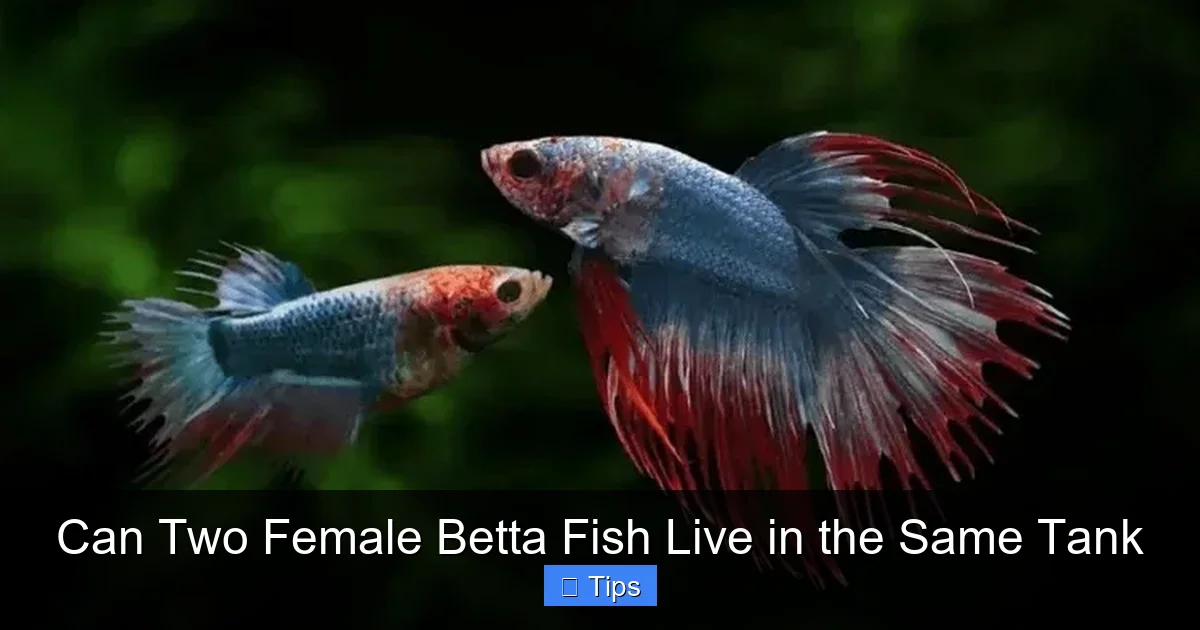
For the dedicated aquarist who understands the risks and is willing to put in immense effort, a successful betta sorority—a group of 4-6 females living together—is a stunning and rewarding display. But it is a carefully constructed experiment, not a casual setup. The keyword here is group. Attempting to keep just two females together is statistically the most likely to fail. Why? With only two, there’s no dispersal of aggression. One becomes the permanent, relentless target. In a larger group (minimum 4, ideally 5-6), aggression is spread across multiple individuals, and a social hierarchy can form where the bullying is more distributed and less lethal.
Visual guide about Can Two Female Betta Fish Live in the Same Tank
Image source: fishlab.com
Non-Negotiable Tank Requirements
If you are considering this path, your tank setup must be impeccable from day one. There is no “we’ll start them in a 10-gallon and upgrade later.” The tank must be large enough from the start to allow for territory establishment.
- Tank Size: Absolute minimum is 20 gallons (long or breeder style). 29-40 gallons is significantly better and highly recommended. This provides horizontal swimming space and breaks up lines of sight.
- Heavily Planted & Structured: You need visual barriers. Dense planting (live plants like hornwort, water wisteria, java moss, and floating plants are ideal), driftwood, rock caves, and ceramic pots create territories and break the direct line of sight. The goal is to make it impossible for any one betta to see the entire tank at once.
- Proper Filtration & Heating: A gentle filter (like a sponge filter) is best to avoid strong currents that stress fish. A reliable heater to maintain a stable 78-80°F (25.5-26.5°C) is critical, as temperature fluctuations increase aggression.
The Risks and Realities: What Can Go Wrong
Even with a perfect setup, a sorority is a tense environment. You are managing a delicate, unstable social order. Here are the grim realities you must be prepared to face.
Visual guide about Can Two Female Betta Fish Live in the Same Tank
Image source: fishlab.com
Injury and Death
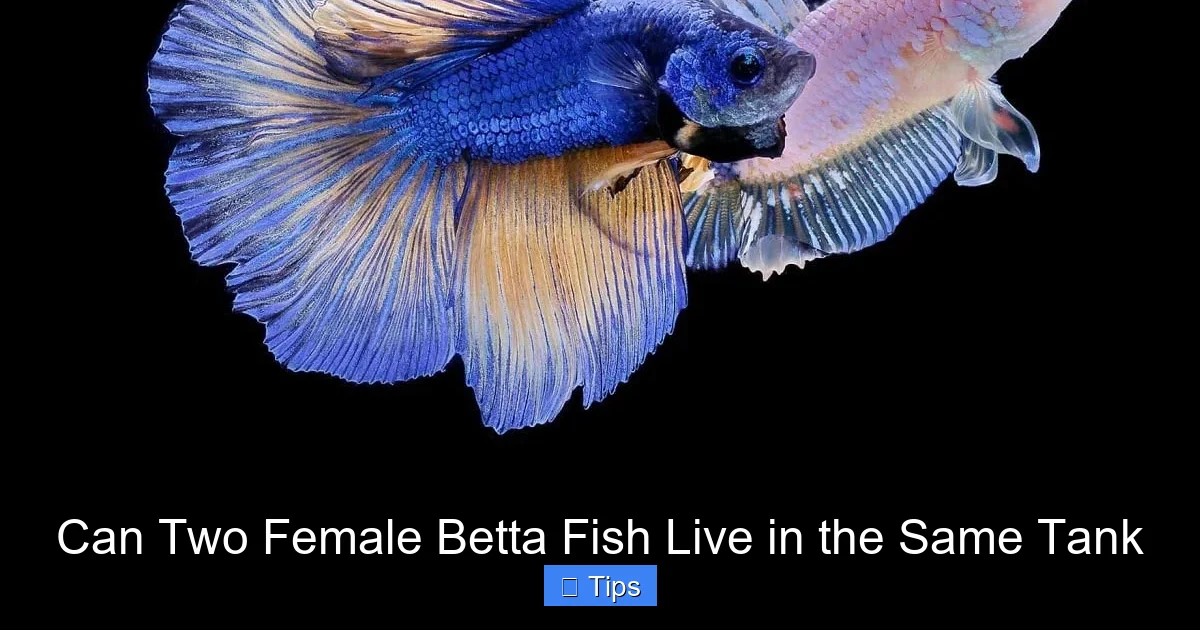
Fins can be nipped, leading to torn, ragged fins (fin rot is a common secondary infection in these stressful conditions). More severe attacks can cause physical wounds, loss of eyes, or death. You must have a hospital/quarantine tank ready at all times to remove and treat any injured fish immediately. The “pecking order” can be established through violent clashes in the first few days.
Chronic Stress and Disease
Not all aggression is violent. A submissive fish living under constant threat, even if not physically harmed, is chronically stressed. This suppresses its immune system, making it susceptible to common betta diseases like dropsy, velvet, or ich. You might see a fish that is always hiding, not eating well, or has pale, clamped fins. This is a slow, suffering death.
The Need for Constant Vigilance
A sorority is not a “set it and forget it” tank. You need to observe your fish daily, multiple times a day, especially during feedings. Watch for chasing, flaring, hiding, and nipped fins. You need to be prepared to intervene, which often means permanently removing a problematic individual to a solo tank. This means you must have the space, equipment, and budget for multiple backup tanks.
Step-by-Step: How to Attempt a Female Betta Sorority
If, after understanding the risks, you still want to proceed, here is a methodical approach to maximize your (still uncertain) chances of success.
1. The Right Start: Drip Acclimation and Simultaneous Introduction
Never add one female to an existing sorority. All fish must be added to the fully cycled, decorated, and heated tank at the same time. This prevents any one fish from establishing ownership first. Use a prolonged drip acclimation process (2-3 hours) to equalize water parameters and reduce stress from the move.
2. The First 72 Hours: Critical Observation Period
This is the most dangerous window. Watch the tank constantly, but from a distance to avoid stressing the fish further. You will see positioning, flaring, and chasing. Some nipping is normal as the hierarchy is established. However, if you see:
- One fish being chased relentlessly and unable to rest
- Visible fin damage or blood
- A fish hiding completely and not coming out for food
…you must be prepared to remove the victim or the aggressor immediately. Do not wait to see if “they work it out.” They usually don’t.
3. Long-Term Management: Feeding and Maintenance
Feed multiple small piles of food in different areas of the tank to reduce competition. Use a turkey baster or pipette to target-feed any shy fish. Perform regular water changes (25-50% weekly) to keep parameters pristine, as stress produces more waste. Always use a water conditioner to remove chlorine and chloramines.
The Data: Sorority vs. Solo Tank Comparison
| Aspect | Solo Female Betta Tank | Female Betta Sorority (5-6 fish) |
|---|---|---|
| Tank Size Minimum | 5 gallons (ideal: 10+) | 20+ gallons (ideal: 29-40+) |
| Setup Complexity | Simple. Planted, filtered, heated. | Very Complex. Dense planting, multiple hiding spots, strong filtration. |
| Aggression Risk | Low (directed at reflections/other species) | Very High. Inherent, unpredictable. |
| Stress Level (Fish) | Low to Moderate (if tank is enriched) | Moderate to High (even in success) |
| Required Observation | Daily health check. | Multiple times daily, especially first week. |
| Backup Plan Needed? | Recommended (hospital tank). | Mandatory. Minimum 1-2 spare tanks. |
| Cost & Space | Moderate. One tank setup. | High. Large main tank + spare tank(s) + more decor/filters. |
| Success Likelihood | Very High (with proper care). | Moderate to Low. Depends on individual personalities. |
| Visual Appeal | Focus on one stunning fish. | Group movement (if successful), but risk of damaged fins. |
The Better, Safer Alternatives: Community Tank Ideas
If your heart is set on a vibrant, multi-species tank, there are wonderful, safe ways to include a female betta. The key is choosing passive, fast-moving, and schooling fish that won’t nip fins and can outmaneuver any occasional flare.
The Gold Standard: schooling fish in a large, planted tank
In a 20+ gallon heavily planted tank, a single female betta can thrive with:
- Neon Tetras or Cardinal Tetras: A school of 8-10. They stay in the middle and upper levels and are fast.
- Harlequin Rasboras: Similar to tetras, peaceful and active.
- Pygmy Corydoras: A small school of 6+ on the bottom, cleaning up debris. They are adorable and ignore bettas.
- Kuhli Loaches: Eel-like, nocturnal, and peaceful bottom dwellers for a 20+ gallon.
- Snails: Nerite or mystery snails are fantastic, algae-eating additions that bettas usually ignore completely.
Crucial Rule: Introduce the schooling fish first and let them establish their school for a few weeks. Then, add the betta. She will see them as part of the decor, not as rivals. Always have a backup plan to separate the betta if she shows persistent aggression.
Conclusion: The Solo Tank is the Kindest Choice
So, can two female betta fish live in the same tank? The technical, experienced answer is: sometimes, under perfect, demanding conditions, in a large group, with constant supervision. But for you, as a loving betta owner, the practical, compassionate answer is almost certainly no.
The image of a peaceful sorority is powerful, but it’s often a fantasy that leads to heartbreak, injured fish, and unnecessary stress—for both you and your pets. Betta fish are brilliant, personality-filled creatures that deserve a home where they can be the sole, majestic center of attention, free from the anxiety of competition. A single, beautifully decorated 10-gallon tank with a lush forest of plants, a gentle filter, and a warm heater is a palace fit for a king—or a queen. You get to enjoy her every flare, her curious explorations, and her vibrant colors without worrying about the silent suffering happening in the next corner.
If you want a community, build one around her with carefully chosen, compatible tank mates in a spacious, planted environment. But if you’re dreaming of two bettas sharing a tank because it seems “nicer,” I urge you to reconsider. The kindest, most beautiful betta tank is often the one with just one incredible fish, thriving in peace. That’s a reward in itself.
Frequently Asked Questions
Can two female betta fish live together in the same tank?
While it is possible for two female betta fish to coexist, it is not guaranteed and carries significant risk. Female bettas can still be territorial and aggressive, so successful pairing requires a very large, well-decorated tank and careful introduction.
What is a female betta sorority tank?
A female betta sorority is a community tank housing multiple female betta fish, typically 4-6 individuals. The theory is that with a large group in a spacious, heavily planted tank, no single female can dominate, reducing targeted aggression.
How big of a tank do I need for female betta fish?
For a sorority, the absolute minimum tank size is 10 gallons, but a 20-gallon long or larger is strongly recommended. The ample horizontal space and numerous hiding spots are critical to allow subordinate fish to escape the notice of more dominant females.
How do I introduce female betta fish to each other?
All female bettas for a sorority should be added to the fully set-up tank at the same time. This prevents any one fish from establishing the entire tank as its territory first. Close observation for the first 24-48 hours is essential to watch for signs of fighting.
What are the signs of aggression between female betta fish?
Watch for flaring (gills puffed out), chasing, fin nipping, and prolonged locking of jaws. Occasional chasing and brief flaring can be normal as a pecking order is established, but persistent, violent aggression that causes physical injury means the fish must be separated immediately.
Can female betta fish live with other tank mates?
Yes, but only in a properly sized sorority tank or a single-species tank. Introducing other fish, especially those with long, flowing fins, can trigger aggression. If attempting a community tank, peaceful, fast-moving schooling fish like neon tetras or harlequin rasboras in a large, planted tank are the safest options for a single female betta.