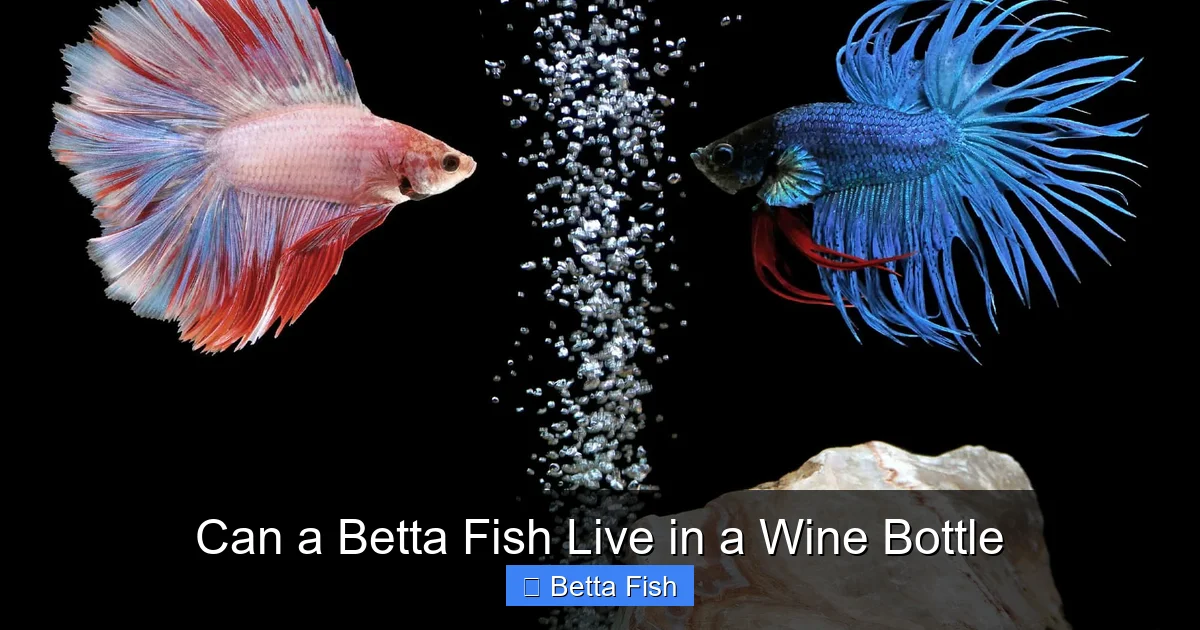
Can a Betta Fish Live in a Wine Bottle
Betta fish are beautiful, but a wine bottle isn’t a suitable home. The tiny space, poor water quality, and lack of oxygen can quickly endanger your fish. Learn why a proper tank is essential and how to create a safe environment for your betta.
Key Takeaways
- Space matters: A wine bottle is far too small for a betta’s swimming needs.
- Water quality is critical: Without filtration, ammonia spikes and oxygen drops fast.
- Temperature control: Betta fish need stable warmth that a bottle cannot provide.
- Stress triggers aggression: Confinement leads to stress, fin rot, and disease.
- Proper setup: A minimum 5‑gallon tank with heater, filter, and decorations is the gold standard.
- Alternative fun: Small “bowl‑style” containers can work if they meet volume and filtration guidelines.
- Legal & ethical: Keeping a betta in a bottle may violate animal‑welfare guidelines in many regions.
📑 Table of Contents
- Introduction: The Allure of the Tiny Glass Home
- Why a Wine Bottle Fails as a Betta Habitat
- What Betta Fish Really Need
- Can a Wine Bottle Be Modified? (Short Answer: No)
- Alternative Small‑Space Options
- How to Transition a Betta from a Bottle to a Proper Tank
- Conclusion: Beauty Shouldn’t Come at a Cost
Introduction: The Allure of the Tiny Glass Home
It’s easy to fall in love with the idea of a betta fish swimming inside a decorative wine bottle. The glass is clear, the shape is elegant, and it looks like a living piece of art on a shelf. But the romance can quickly turn into a nightmare for the fish. Betta fish, also called Siamese fighting fish, are hardy, yet they have very specific needs that a wine bottle simply cannot meet.
In this article we’ll walk through the biological reasons a betta shouldn’t live in a wine bottle, explore the dangers of poor water quality, and give you a step‑by‑step guide to creating a safe, happy home for your finned friend. By the end, you’ll know exactly why a proper tank is the only responsible choice.
Why a Wine Bottle Fails as a Betta Habitat
Size and Swimming Space
Betta fish are active swimmers. Even the most sedentary male will flare his fins, explore the surface, and glide from side to side. A standard wine bottle holds roughly 750 ml (about 0.2 gallons). Most experts agree that a betta needs at least 2.5 gallons of water to thrive. The cramped interior of a bottle forces the fish to turn constantly, leading to stress and muscle fatigue.
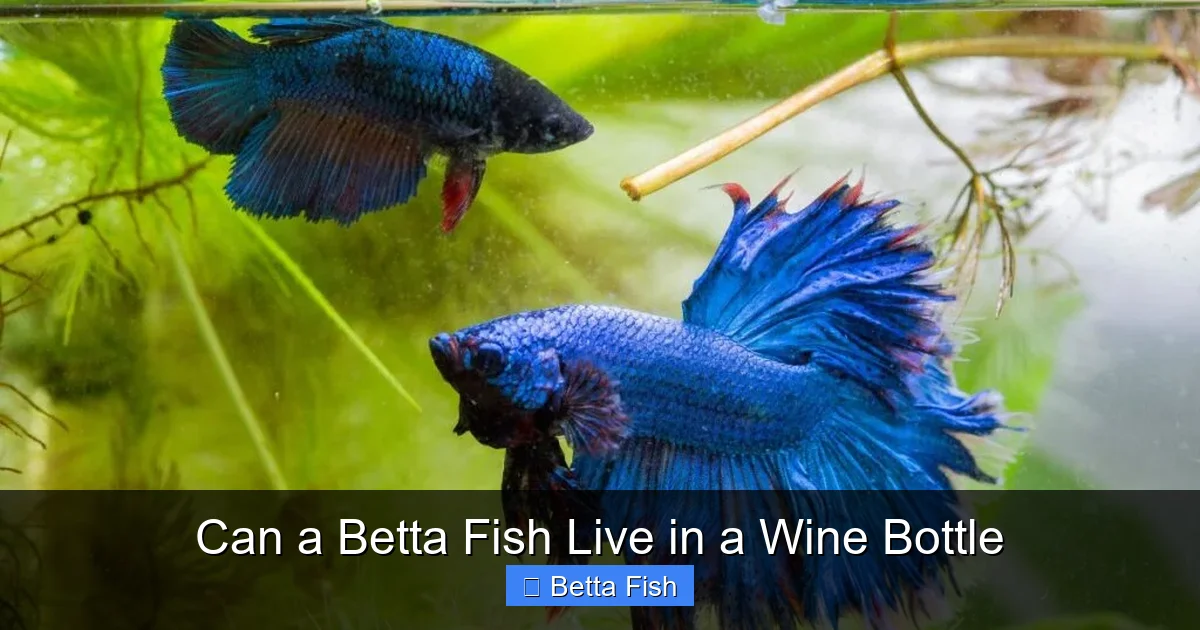
Visual guide about Can a Betta Fish Live in a Wine Bottle
Image source: housedpet.com
Oxygen and Surface Area
Betta fish breathe air from the surface using a specialized organ called the labyrinth. They still rely on dissolved oxygen, however. A bottle’s narrow opening provides a tiny surface area for gas exchange, so the water quickly becomes oxygen‑depleted. Without a gentle flow or aeration, the fish will gasp for air and become exhausted.
Temperature Stability
Betta fish are tropical and need water kept between 76‑82 °F (24‑28 °C). Glass bottles have virtually no insulation. A few minutes near a draft, a sunny window, or an air‑conditioned room can cause dangerous temperature swings. In a proper tank, a heater maintains a steady temperature, something a bottle simply cannot do.
Water Quality and Filtration
Ammonia, nitrite, and nitrate are waste products that accumulate fast in any small water body. A wine bottle has no filtration system, so toxins rise to lethal levels within days. Even a modest sponge filter or a gentle power filter can keep water clean; without it, the betta’s gills become irritated, leading to fin rot and disease.
Stress, Aggression, and Health Risks
When confined, bettas become aggressive toward their own reflections and may bite the glass. Chronic stress weakens the immune system, making the fish vulnerable to common infections like velvet or ich. A stressed betta also loses its vibrant colors, which defeats the whole purpose of keeping such a striking fish.
What Betta Fish Really Need
Minimum Tank Size
The widely accepted minimum is a 5‑gallon (≈19 liter) tank. This provides enough room for swimming, surface access, and stable water parameters. If space is limited, a 2‑gallon “bowl‑style” container can work only if you add a filtration pad and heater, but a wine bottle cannot be upgraded to meet those standards.
Filtration and Water Changes
A gentle filter keeps ammonia low and supplies a constant flow of oxygenated water. For a 5‑gallon tank, a low‑flow sponge filter is ideal because it mimics the calm environment bettas enjoy. In addition, perform 25‑30 % water changes every week to keep nitrate levels in check.
Heating
A submersible aquarium heater set to 78 °F (25.5 °C) is a must. Use a reliable thermostat and monitor the temperature with a digital probe. Avoid placing the heater near the glass, as it can create hot spots that harm the fish.
Decor and Hiding Places
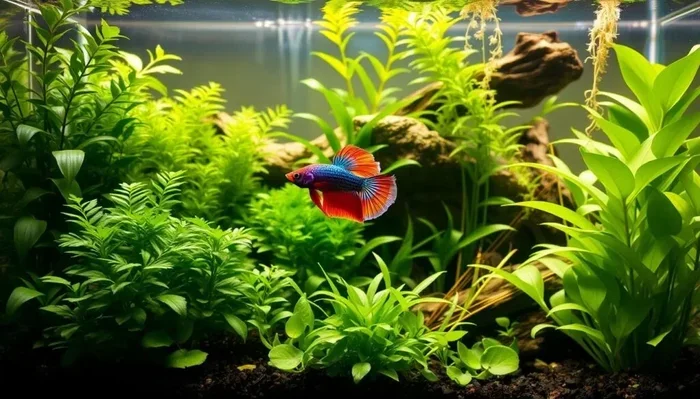
Betta fish love plants, caves, and driftwood. Live or silk plants provide surface cover and reduce stress. A few smooth rocks or a small PVC tunnel give the fish a place to retreat when it feels threatened.
Lighting
Soft, natural‑daylight LED lighting for 8‑10 hours a day supports plant growth and mimics the betta’s native environment. Avoid bright, flickering lights that can cause stress.
Can a Wine Bottle Be Modified? (Short Answer: No)
Adding Filtration?
Miniature filters exist for nano tanks, but they require at least a few inches of water depth to function. A wine bottle’s narrow neck makes it impossible to install a filter without cutting the glass—a process that weakens the bottle and creates sharp edges.
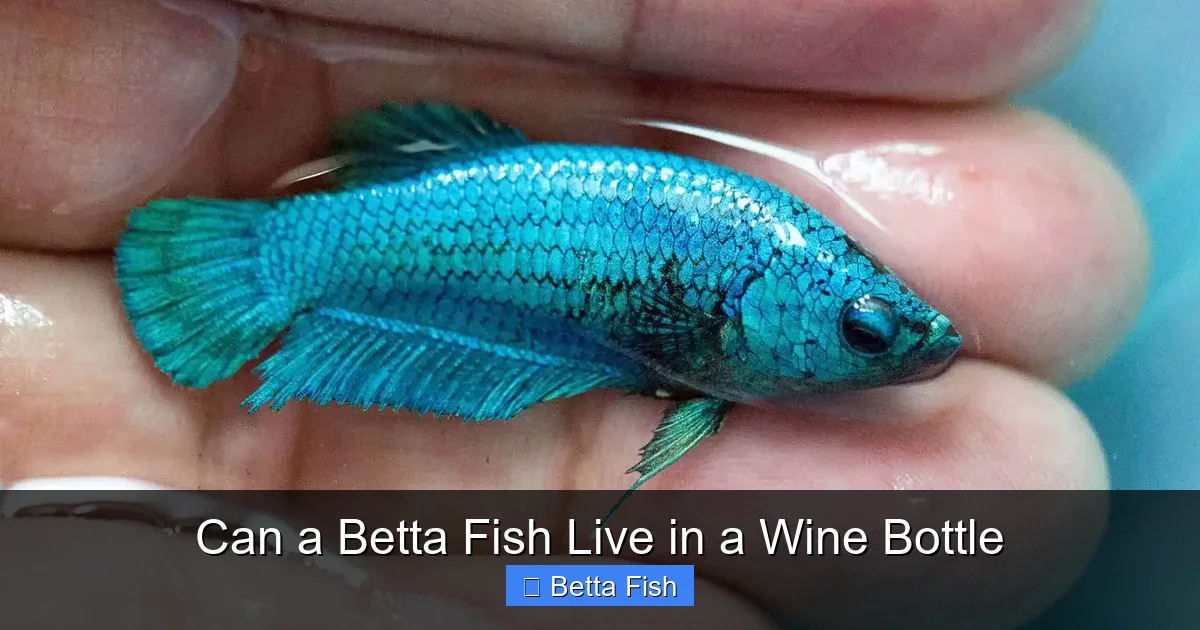
Visual guide about Can a Betta Fish Live in a Wine Bottle
Image source: bettasource.com
Heating Solutions?
Submersible heaters need at least 2‑3 inches of water to stay submerged safely. In a bottle, the heater would sit partially out of the water, risking electric shock or overheating the glass.
Practical Example: The “Bottle Betta” Trend
Some hobbyists attempt to use a bottle with a small plastic cup inside as a “mini‑tank.” While it looks cute, the cup still holds less than 250 ml of water, far below any safe volume. The fish quickly suffers from low oxygen, temperature spikes, and toxic buildup. The novelty wears off as the betta’s health declines.
Alternative Small‑Space Options
Proper Small Bowls
If you truly need a compact setup, choose a wide‑mouth bowl that holds at least 2 gallons. Pair it with a sponge filter and a heater designed for small tanks. This approach respects the betta’s needs while still fitting on a small shelf.
Read more about the realities of bowl living in our article Can Betta Fish Live In A Bowl.
Betta “Betta‑Tank” Kits
Many retailers sell 5‑gallon kits that include a heater, filter, and decorations. They are compact, inexpensive, and provide a safe, long‑term home.
Creative Tank Décor Without Compromise
Use decorative glass ornaments, background stickers, or LED strips to achieve the aesthetic you love, without sacrificing space or water quality.
How to Transition a Betta from a Bottle to a Proper Tank
Acclimation Process
1. Float the sealed bottle in the new tank for 15 minutes to equalize temperature.
2. Gradually add small amounts of tank water to the bottle every 5 minutes for 30 minutes.
3. Gently net the betta and release it into the new tank.
Monitoring Health
Watch for signs of stress: faded colors, clamped fins, rapid breathing, or loss of appetite. Perform a water test within the first 24 hours and adjust parameters if needed.
Establishing a Routine
Feed high‑quality betta pellets twice daily, supplement with occasional frozen or live foods. Keep a weekly schedule for water changes, filter cleaning, and temperature checks.
Conclusion: Beauty Shouldn’t Come at a Cost
A wine bottle may look like a charming fish showcase, but it fails on every essential front—space, oxygen, temperature, and filtration. Betta fish deserve a habitat that lets them display their natural colors, swim freely, and live a long, healthy life. By providing at least a 5‑gallon tank with proper heating, filtration, and décor, you create a win‑win situation: a happy fish and a beautiful aquarium that you can enjoy for years.
Remember, the joy of keeping a betta comes from caring for its well‑being, not just from the novelty of an odd container. Choose responsibly, and your betta will reward you with vibrant displays and a lively personality.
Frequently Asked Questions
Can a betta fish survive in a wine bottle?
No. The bottle is too small, lacks proper filtration, and cannot maintain stable temperature or oxygen levels, leading to rapid health decline.
What is the smallest acceptable tank size for a betta?
Most experts recommend at least a 5‑gallon (≈19 liter) tank. A 2‑gallon bowl can work only with a heater and gentle filtration.
Do bettas need a heater even in a small tank?
Yes. Betta fish are tropical and need water kept between 76‑82 °F (24‑28 °C). A reliable submersible heater is essential.
Can I add a filter to a wine bottle?
Practically no. The bottle’s narrow neck prevents installing a filter, and cutting the glass is unsafe and defeats the purpose.
How often should I change the water in a betta’s tank?
Change 25‑30 % of the water weekly. In smaller setups, you may need to change half the water every few days to keep parameters stable.
Is it legal to keep a betta in a bottle?
Many regions have animal‑welfare regulations that prohibit keeping fish in containers that cause suffering. Always check local laws and follow ethical guidelines.