Why Is Wild Caught Fish Better
Wild caught fish deliver unmatched nutrition, natural flavor, and eco‑friendly harvesting practices. Choosing wild caught fish over farmed options supports healthier ecosystems and provides a richer eating experience.
Key Takeaways
- Higher nutrient density: Wild caught fish contain more omega‑3s, vitamins, and minerals than most farmed varieties.
- Cleaner taste: Natural diets give wild fish a firmer texture and richer flavor profile.
- Reduced contaminants: Wild populations generally have lower levels of antibiotics and pollutants.
- Environmental benefits: Sustainable wild fisheries help preserve marine biodiversity.
- Better for betta tanks: Feeding wild‑caught insects and larvae mimics a betta’s natural diet.
- Supports local economies: Buying wild catch often means supporting coastal communities.
- Long‑term health: Regular consumption of wild fish is linked to lower heart disease risk.
📑 Table of Contents
Introduction: The Great Fish Debate
When you walk into a grocery store, you’ll see rows of fish labeled “farm‑raised” and “wild caught.” The choice can feel overwhelming, especially if you’re new to caring for a betta tank or simply trying to eat healthier. Over the past decade, scientists, chefs, and aquarium hobbyists have been asking the same question: why is wild caught fish better than its farmed counterpart?
In this article we’ll break down the science, the taste, and the environmental impact of wild caught fish. We’ll keep the language simple—think of us chatting over a cup of tea—so you can quickly decide what’s best for your diet, your betta, and the planet.
1. Nutrition That Packs a Punch
Omega‑3 fatty acids: the heart‑healthy heroes
One of the most celebrated benefits of fish is its omega‑3 content, especially EPA and DHA. Studies consistently show that wild caught fish have 30‑50% more of these essential fats than farmed fish. The difference stems from the natural diet of wild fish—plankton, shrimp, and smaller fish—rich in marine oils. Farmed fish, on the other hand, are often fed grain‑based pellets that lack the same omega‑3 profile.
Why does this matter? Higher omega‑3 levels are linked to reduced inflammation, better brain health, and a lower risk of heart disease. If you’re wondering what is better than fish oil for inflammation, the answer may simply be to eat more wild caught fish.
Vitamins and minerals: a natural multivitamin
Wild caught fish are also richer in vitamin D, selenium, and iodine. Because they live in their natural environment, they absorb minerals directly from seawater and their prey. Farmed fish, confined to controlled tanks, often require supplemental feeds that may not deliver the same mineral diversity.
Lower contaminants: cleaner on the plate
Farmed fish are sometimes exposed to antibiotics, pesticides, and other chemicals used to control disease in crowded pens. While regulations have improved, the risk remains. Wild caught fish, especially those from well‑managed fisheries, tend to have lower levels of these contaminants. This makes them a safer choice for pregnant women, children, and anyone looking to minimize chemical intake.
2. Flavor That Speaks for Itself
Natural diet = natural taste
Have you ever tasted a salmon that seemed “flat” or a tilapia that felt rubbery? That’s often the result of a uniform, grain‑based diet in farms. Wild fish eat a varied diet, which translates to a more complex flavor profile. The natural oils in their flesh give a buttery, melt‑in‑your‑mouth texture that chefs worldwide prize.
Texture that holds up
Because wild caught fish are more active, their muscles develop stronger fibers. This means a firmer bite that stays intact when grilling, baking, or sautéing. If you’re looking for the perfect fish for a quick fry, consider reading which oil is better for frying fish—the right oil combined with wild fish creates a culinary win.
3. Environmental Impact: A Sustainable Choice
Preserving marine ecosystems
Well‑managed wild fisheries operate under strict quotas, seasonal closures, and gear restrictions to protect breeding stocks. When done correctly, wild fishing can be more sustainable than intensive aquaculture, which often leads to habitat destruction, water pollution, and the spread of disease.
Carbon footprint considerations
Raising fish in tanks requires energy for water filtration, temperature control, and feed production. Wild caught fish, especially those harvested locally, may have a lower overall carbon footprint. However, it’s essential to choose fish from certified sustainable sources—look for labels like MSC (Marine Stewardship Council).
4. Benefits for Betta Owners
Mimicking a betta’s natural diet
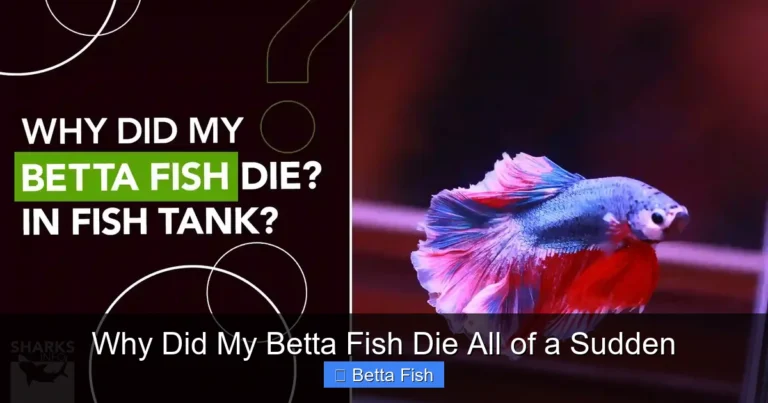
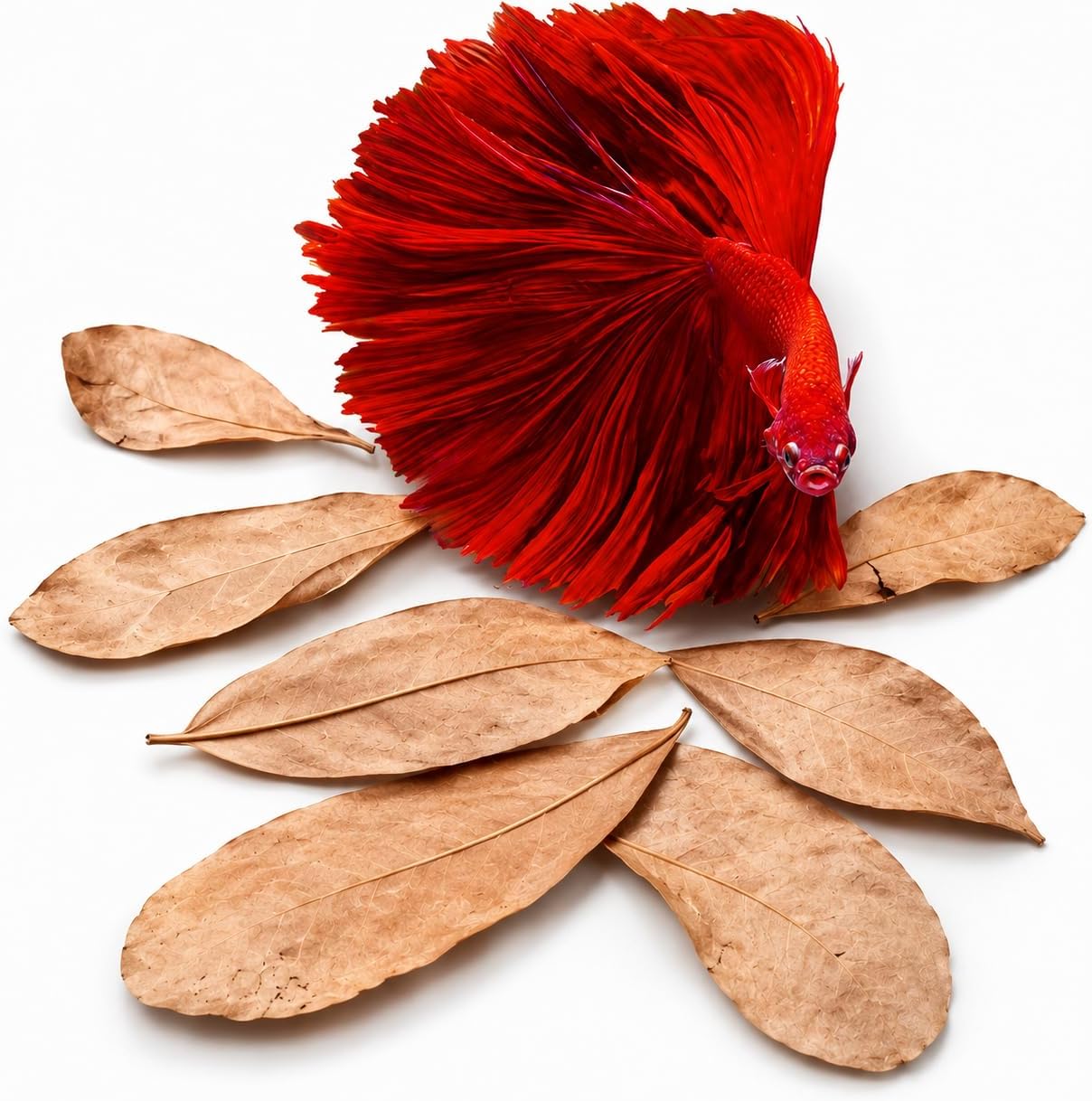
Betta fish in the wild feast on insects, larvae, and small crustaceans. Providing a diet that includes wild‑caught brine shrimp, mosquito larvae, or daphnia can improve coloration, promote healthy fins, and reduce stress. While you won’t feed your betta a whole wild fish, the principle of “wild‑sourced” nutrition applies.
Preventing common health issues
Betta owners often wonder why is my betta fish turning white. A poor diet lacking essential fatty acids can lead to faded colors and weakened immunity. Incorporating high‑quality, wild‑sourced live foods helps maintain vibrant hues and robust health.
Practical feeding tips
- Start with freeze‑dried wild brine shrimp; rehydrate before feeding.
- Introduce small amounts of wild‑caught bloodworms once a week.
- Rotate live foods to keep your betta interested and nutritionally balanced.
5. Economic and Social Considerations
Supporting coastal communities
Choosing wild caught fish often means supporting fishermen who rely on sustainable practices for their livelihood. These communities invest in stewardship programs, habitat restoration, and local economies. Your purchase can have a ripple effect that extends beyond the dinner plate.
Cost vs. value
Wild caught fish can be pricier than farmed options, but the added nutritional and flavor benefits often justify the cost. Consider buying in bulk, freezing portions, or selecting seasonal varieties to keep expenses manageable.
6. Common Misconceptions Debunked
“All wild fish are sustainable”
Not every wild fishery follows sustainable practices. Look for certifications and stay informed about overfished stocks. Resources like the Seafood Watch guide can help you make responsible choices.
“Farmed fish are always unhealthy”
Some modern aquaculture operations use recirculating systems that drastically reduce waste and eliminate antibiotics. While many farmed fish still fall short nutritionally, the industry is improving. Compare specific species and farms before dismissing them outright.
“Wild fish are always safer”
Wild fish can accumulate environmental pollutants like mercury, especially larger predatory species (e.g., shark, swordfish). For vulnerable groups, choose smaller wild species such as sardines, anchovies, or wild‑caught salmon.
Conclusion: Making the Right Choice
So, why is wild caught fish better? The answer lies in a combination of superior nutrition, authentic flavor, lower contaminant levels, and a generally smaller environmental footprint when sourced responsibly. For betta owners, incorporating wild‑sourced live foods can boost your fish’s health and vibrancy. For anyone looking to eat healthier, choosing wild caught fish—especially from certified sustainable fisheries—offers tangible benefits that go beyond the plate.
Next time you stand before the seafood counter, remember the three pillars we discussed: nutrition, taste, and sustainability. Let those guide your decision, and enjoy the delicious, health‑boosting experience that only wild caught fish can provide.
Frequently Asked Questions
Is wild caught fish always more expensive than farmed fish?
Not always. Prices vary by species, season, and location. Buying seasonal wild fish or purchasing in bulk can help keep costs down.
Can I eat wild caught fish every day?
Yes, but choose low‑mercury options like sardines, anchovies, or wild salmon. Balance your diet with other protein sources for variety.
How do I know if a wild fish is sustainably sourced?
Look for certifications such as MSC or check reputable guides like Seafood Watch. These labels indicate that the fishery follows sustainable practices.
Do wild caught fish have a longer shelf life?
Freshness depends on handling, not origin. Properly stored wild fish can last as long as farmed fish—keep it cold and use within a few days.
What are the best cooking methods for wild caught fish?
Grilling, broiling, and pan‑searing highlight the natural flavor and firm texture of wild fish. Pair with a light drizzle of olive oil and fresh herbs for a simple, healthy meal.
Can I feed my betta fish wild‑caught insects safely?
Yes, as long as they are sourced from reputable suppliers and are free of pesticides. Rinse and, if needed, lightly blanch them before offering to your betta.