Is It Better to Fish Swordfish or Lobsters
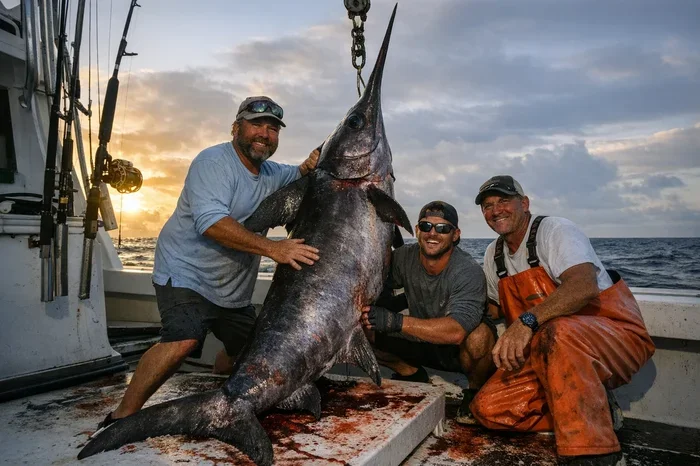
Fishing for swordfish and lobster are two very different ocean adventures. Swordfish require deep sea trolling and heavy gear, while lobster fishing relies on traps and bottom fishing. Each species offers unique challenges, rewards, and techniques that every angler should understand before heading out.
Have you ever stood on a boat at dawn wondering which big game fish to chase? The debate between swordfish vs lobster as a fishing target comes up often among anglers. Some love the thrill of hooking a massive swordfish in deep waters. Others prefer the steady satisfaction of pulling up lobster traps from the ocean floor. Both species offer incredible fishing experiences, but they demand very different skills, gear, and strategies.
Whether you are a seasoned angler or just starting out, understanding the differences between these two targets can shape your entire fishing trip. Swordfish fishing takes you far offshore into deep blue waters where the biggest game hides. Lobster fishing brings you closer to rocky reefs and coastal structures where these crustaceans hide during the day. Let us dive into everything you need to know to decide which pursuit fits your style.
Key Takeaways
- Swordfish fishing demands deep water techniques: you need heavy rods, large bait, and often fish at night near underwater structures.
- Lobster fishing is more accessible: traps and snares make it beginner-friendly compared to the technical demands of swordfish hunting.
- Gear choices differ significantly: heavy tackle for swordfish versus lightweight trap setups for lobster.
- Timing matters for both: fishing in the morning and choosing the right season boosts your success rate for either species.
- Regulations vary by location: always check local fishing rules before targeting either swordfish or lobster.
- Both offer great table fare: swordfish steaks and fresh lobster are prized catches that reward skilled anglers.
📑 Table of Contents
Understanding Swordfish Fishing
What Makes Swordfish Unique
Swordfish are one of the most exciting ocean predators you can target. These massive fish can grow over 1,000 pounds and swim at incredible depths during the day. They move to shallower waters at night to feed, which is why many anglers prefer night fishing for swordfish. The challenge of finding and hooking a swordfish makes it a true test of skill.
Swordfish are found in warm and temperate oceans around the world. They spend their days at depths of 1,500 feet or more, rising to the surface after dark. This deep diving behavior means you need specialized deep sea fishing techniques to reach them. Unlike many sport fish that stay in relatively shallow water, swordfish require patience and persistence.
Essential Gear for Swordfish
You cannot catch swordfish with light tackle. These fish need heavy-duty fishing equipment designed for deep water battles. A sturdy rod rated for 50 to 130 pounds of line is standard. Electric reels help you pull heavy weights down to the depths where swordfish feed.
Your bait selection matters enormously. Fresh squid, mackerel, and barracuda chunks work best. Many anglers use circle hooks attached to heavy leaders to prevent the swordfish from biting off the line. Fishing with a bobber is not typical for swordfish since you are working at extreme depths, but keeping your bait at the right level still matters.
Best Techniques for Catching Swordfish
Deep drop fishing is the most popular method for swordfish. You drop your bait to the bottom and wait. The wait can be long, but the payoff is worth it. Here are the key steps:
- Find underwater structures like seamounts or ridges where swordfish patrol.
- Use a heavy weight to get your bait down to 1,500 feet or deeper.
- Set your bait near the bottom and let it sit.
- Watch your rod closely for subtle bites, especially after dark.
- Set the hook firmly when you feel the take and prepare for a long fight.
Many charter captains swear by fishing in the morning before the sun heats up the surface layers. Swordfish often feed more actively during twilight hours, giving you an edge when you time your trip right.
The World of Lobster Fishing
Why Lobster Fishing Appeals to Anglers
Lobster fishing offers a completely different kind of excitement. Instead of chasing a fast-moving predator, you set traps and wait for crustaceans to wander in. This method is less physically demanding and more accessible for beginners. The thrill comes from pulling up your trap and discovering what is inside.
Lobsters live in rocky crevices, reefs, and underwater structures along coastal areas. They are nocturnal creatures, meaning they are most active at night. However, you can set traps during the day and retrieve them later. Lobster season varies by region, so always check local regulations before you head out.
Basic Lobster Fishing Setup
The gear for lobster fishing is much simpler than what you need for swordfish. You need a trap or pot, bait bags, rope, and a buoy to mark your spot. Fish traps come in various sizes and designs, but the basic principle remains the same. You place bait inside the trap, lower it to the ocean floor, and wait for lobsters to enter.
Common bait choices include herring, mackerel, and chicken parts. The scent travels through the water and draws lobsters toward your trap. Some anglers also use snare traps that allow them to catch lobsters by hand without setting full pots.
Where and When to Find Lobsters
Lobsters prefer rocky bottoms and reef structures where they can hide. Reef fishing spots often hold healthy lobster populations. Look for areas with lots of structure, such as rock piles, ledges, and coral formations.
Timing your trip right makes a big difference. Lobsters move more actively after sunset, so evening and night trips tend to be most productive. However, you can also check traps during the day and adjust your strategy based on what you find. Fishing in the sun or shade near rocky structures can help you locate likely lobster habitat during daylight hours.
Swordfish vs Lobster: Key Differences
Depth and Location
The most obvious difference between these two targets is the depth at which you fish. Swordfish live in the deep ocean, often thousands of feet below the surface. Lobsters stay in relatively shallow coastal waters, typically between 20 and 200 feet deep. This means you need a larger boat and more fuel for swordfish trips, while lobster fishing can often be done from smaller vessels or even shore.
Gear and Equipment Comparison
| Category | Swordfish | Lobster |
|---|---|---|
| Rod and Reel | Heavy-duty, electric reels | Standard spinning or baitcasting setup |
| Line Strength | 50 to 130 lb braided line | 20 to 50 lb monofilament or braid |
| Bait | Fresh squid, mackerel, barracuda | Herring, mackerel, chicken parts |
| Primary Method | Deep drop fishing with hooks | Traps and snares |
| Typical Depth | 1,000 to 2,000+ feet | 20 to 200 feet |
| Trip Duration | Full day or overnight | Half day to full day |
| Physical Demand | Very high | Moderate |
This comparison shows how different the two types of fishing really are. Your choice should depend on your experience level, available equipment, and how much time and money you want to invest.
Season and Regulations
Fishing regulations play a big role in deciding which species to target. Swordfish seasons vary by region and are often managed through quota systems. Lobster seasons have specific open and closed periods to protect breeding populations. Always obtain the proper licenses and permits before targeting either species.
Many coastal areas have strict size limits and bag limits for both swordfish and lobster. Following these rules helps keep populations healthy and ensures future generations can enjoy the same fishing opportunities. Catch and release practices also apply when you accidentally hook undersized or protected species.
Which Fish Is Right for You?
Choose Swordfish If You Want a Big Challenge
If you crave adrenaline and the thrill of battling a massive ocean predator, swordfish fishing is your best bet. The deep water techniques, heavy gear, and nighttime battles create an unforgettable experience. Swordfish steaks are also incredibly delicious, making the hard fight worth the reward.
However, swordfish fishing requires a significant investment in gear and often a charter boat. You need to be comfortable with deep water conditions and long hours on the ocean. The learning curve is steep, but the sense of accomplishment when you land a swordfish is unmatched.
Choose Lobster If You Prefer Relaxed Fishing
For anglers who enjoy a more relaxed pace, lobster fishing is hard to beat. Setting traps is straightforward and does not require expensive deep sea equipment. You can enjoy the process of checking traps and learning about underwater habitats along the way.
Lobster fishing also works well as a family activity. The traps are simple enough that beginners can participate, and the excitement of pulling up a trap full of lobsters never gets old. Plus, fresh lobster is one of the most celebrated seafood delicacies in the world.
Can You Fish for Both?
Absolutely. Many anglers combine swordfish and lobster trips on the same outing. You can set lobster traps in shallower waters near reefs and then move offshore to target swordfish in deeper waters. This approach gives you variety and maximizes your time on the water.
Just make sure you follow all regulations for both species and manage your gear safely. Having multiple lines and traps in the water requires good organization and constant attention to your equipment.
Tips for Success on Either Trip
Plan Around Weather Conditions
Weather plays a huge role in fishing success for both swordfish and lobster. Fishing in the rain can actually be productive because low pressure drives fish to feed more actively. However, rough seas make deep water swordfish fishing dangerous and should be avoided.
Check weather forecasts carefully before heading out. Calm seas with moderate winds create the best conditions for both types of fishing. If you are targeting swordfish, overcast nights often produce better results because the fish feed closer to the surface in low light conditions.
Invest in Quality Safety Equipment
Deep sea fishing for swordfish comes with inherent risks. Always carry proper safety gear including life jackets, flares, and communication devices. Lobster fishing in rocky areas also presents hazards, so wear sturdy boots and gloves when handling traps and lobsters.
Never go fishing alone on deep water trips. Having a partner or a full crew ensures someone can help if something goes wrong. Safety should always come first, no matter which species you are targeting.
Keep Learning and Adapting
The best anglers never stop learning. Each trip teaches you something new about the ocean, the fish, and your own techniques. Pay attention to what works and what does not. Adjust your bait, depth, and location based on the conditions you face.
Joining a local fishing club or chartering with experienced captains can accelerate your learning curve. Watching how seasoned anglers handle their gear and read the water provides insights you cannot get from books alone. Over time, you will develop your own approach to targeting both swordfish and lobster.
Common Mistakes to Avoid
One of the biggest mistakes beginners make is underestimating the gear requirements for swordfish. Using light tackle will result in lost fish and broken equipment. Always match your gear to the species you are targeting.
Another common error is ignoring local regulations. Fishing out of season or keeping undersized lobsters can result in hefty fines and harm the fishery. Do your homework before every trip and carry your licenses with you.
Many anglers also fail to properly store their catch. Fresh swordfish and lobster taste best when kept cold and handled carefully from the moment they come on board. Invest in a good cooler and learn proper fish handling techniques to preserve the quality of your catch.
Final Thoughts
There is no single answer to the question of whether it is better to fish swordfish or lobsters. Both species offer incredible fishing experiences with their own unique rewards. Swordfish provide an intense deep water challenge that tests your strength and patience. Lobsters offer a more accessible and relaxed fishing experience that appeals to a wide range of anglers.
The best choice depends on your skill level, available equipment, and personal preferences. If you love the thrill of big game fishing and are willing to invest in heavy gear, swordfish will deliver unforgettable battles. If you prefer a simpler setup and enjoy the satisfaction of trap fishing, lobster is an excellent choice.
Whatever you decide, get out on the water and enjoy the experience. Fishing in any form connects us to the ocean and provides memories that last a lifetime. Start with what feels right for you, learn from every trip, and let your passion for the sport grow. The ocean has plenty of both species waiting for you.
Frequently Asked Questions
Is swordfish or lobster fishing easier for beginners?
Lobster fishing is generally easier for beginners because it requires simpler gear and does not involve deep water techniques. Setting traps is straightforward and does not demand the heavy equipment needed for swordfish. However, both activities have learning curves, and patience is essential for success in either pursuit.
What is the best time of year to fish for swordfish?
Swordfish can be caught year-round in many tropical and temperate waters, but peak seasons vary by region. In the Atlantic, summer and fall often produce the best results. In the Pacific, winter months tend to be more productive. Always check local fishing reports before planning your trip.
Do I need a special license to fish for lobster?
Yes, most regions require a specific lobster fishing license or permit in addition to a general fishing license. Regulations vary by state and country, so check with your local wildlife or fisheries agency before you go. Failure to carry proper documentation can result in fines and penalties.
Can you eat swordfish and lobster the same way?
Swordfish is typically grilled, broiled, or seared as steaks, while lobster is often boiled, steamed, or grilled whole. Both are delicious but require different cooking approaches. Swordfish has a firm, meaty texture similar to tuna, while lobster offers a sweet, tender flavor that is beloved worldwide.
Is it better to fish for swordfish at night or during the day?
Most experienced anglers agree that night fishing for swordfish is more productive because swordfish feed closer to the surface in low light conditions. During the day, they retreat to extreme depths where they are much harder to reach. Fishing in the dark gives you a real advantage when targeting these elusive deep-sea predators.
How deep do you need to go to catch swordfish?
Swordfish typically inhabit depths of 1,500 to 2,000 feet during the day. They rise to shallower waters at night to feed, sometimes staying above 500 feet. Your fishing depth will depend on the time of day and the specific location. Using fish finders and depth charts helps you locate the right zones where swordfish are actively feeding.
=== CONCLUSION ===
The debate between fishing for swordfish or lobster comes down to personal preference and what kind of experience you seek. Both species offer incredible rewards for those willing to put in the time and effort. Swordfish challenge you with deep water battles and powerful fights, while lobster fishing provides a more relaxed and accessible adventure. Equip yourself with the right knowledge, respect the ocean, and enjoy every moment on the water. Happy fishing!