Are Betta Fish Sensitive

Are betta fish sensitive? Yes, betta fish are highly sensitive to water conditions, temperature changes, and their environment. Understanding betta fish sensitivity helps you provide a healthier, longer life for your pet. This guide covers everything you need to know about caring for a sensitive betta.
Are betta fish sensitive? The short answer is yes. Betta fish are among the most sensitive freshwater fish kept in home aquariums. Their tiny bodies respond quickly to changes in water quality, temperature swings, and stressful surroundings. If you own a betta or are thinking about getting one, understanding their sensitivity is the first step toward being a great fish parent.
Many new fish owners underestimate how delicate bettas really are. They may look tough with their flowing fins and bright colors, but beneath that beauty lies a creature that needs consistent care. Betta fish care is not complicated, but it does require attention to detail. Small oversights can lead to big problems fast.
This guide breaks down everything you need to know about betta fish sensitivity. We will cover water conditions, stress signals, tank setup, and common mistakes. By the end, you will feel confident in creating a safe, comfortable home for your betta.
Key Takeaways
- Betta fish are naturally sensitive: They react strongly to changes in water quality, temperature, and tank conditions.
- Water parameters matter greatly: pH levels, ammonia, and nitrate levels directly impact betta health.
- Stress signs are easy to spot: Clamped fins, color fading, and lethargy signal that your betta is uncomfortable.
- Small changes make a big difference: Proper tank setup, regular water changes, and stable temperatures keep bettas thriving.
- Avoid common mistakes: Overfeeding, overcrowding, and sudden environmental shifts harm sensitive bettas.
- Prevention is better than treatment: A well-maintained tank prevents most health issues linked to sensitivity.
📑 Table of Contents
- What Does It Mean When We Say Betta Fish Are Sensitive?
- How Sensitive Are Betta Fish to Water Conditions?
- Signs That Your Betta Fish Is Stressed or Sensitive
- How to Keep Your Betta Fish Comfortable and Healthy
- Common Mistakes That Hurt Sensitive Betta Fish
- What to Do When Your Betta Goes Into Shock
- Final Thoughts on Betta Fish Sensitivity
What Does It Mean When We Say Betta Fish Are Sensitive?
When people ask “are betta fish sensitive,” they usually mean one of two things. First, are bettas physically delicate? Second, are they easily stressed by their surroundings? The answer to both is yes. Bettas are tropical fish that evolved in warm, slow-moving waters in Southeast Asia. Their bodies are not built to handle sudden shifts in their aquarium environment.
Unlike some hardy fish species, bettas have a relatively simple immune system. They also lack the thick protective slime coat that some other fish have. This makes them more vulnerable to bacteria, parasites, and poor water quality. Even minor changes can trigger a stress response that weakens their immune system over time.
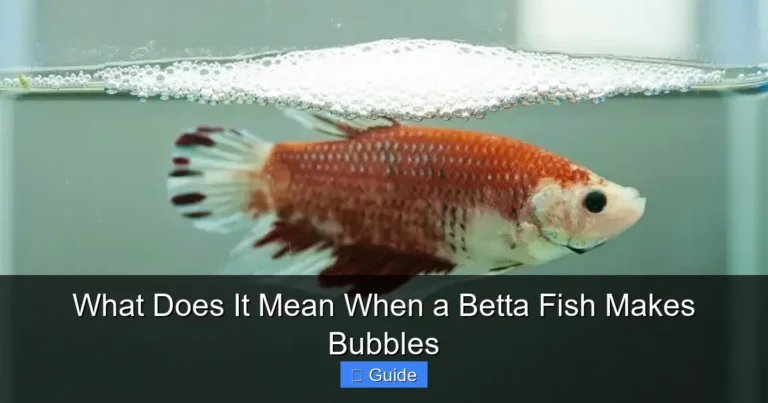
Betta fish behavior is a direct reflection of how comfortable they feel. A happy betta swims actively, displays bright colors, and builds bubble nests. A stressed betta hides, loses color, and stops eating. Paying attention to these signals is essential for any betta owner.
Why Bettas React Strongly to Their Environment
Bettas are sensitive creatures because their bodies absorb water directly through their skin and gills. This means everything in the water affects them quickly. Ammonia, nitrite, and nitrate levels rise or fall, and your betta feels it almost immediately.
Here are the main factors that affect betta sensitivity:
- Water temperature: Bettas need warm, stable temperatures between 76 and 82 degrees Fahrenheit.
- pH levels: Bettas thrive in slightly acidic to neutral water, around 6.5 to 7.5.
- Water hardness: Soft to moderately hard water is best for sensitive bettas.
- Chemical exposure: Chlorine and chloramine from tap water can harm bettas quickly.
- Tank size: Small tanks fluctuate in water parameters faster than larger ones.
Each of these factors plays a role in how are betta fish sensitive to their surroundings. When all parameters stay stable, your betta will feel safe and thrive.
How Sensitive Are Betta Fish to Water Conditions?
Water quality is the single most important factor in betta health. Bettas are extremely sensitive to poor water conditions. In the wild, they live in rice paddies and slow-moving streams where water changes frequently. In a home tank, you must replicate that clean, fresh water environment.
Many beginners make the mistake of thinking a small bowl or vase is enough for a betta. This could not be further from the truth. A tiny container allows toxins to build up fast, and are betta fish sensitive to those toxins? Absolutely. Even low levels of ammonia can burn a betta’s gills and cause serious health problems.
The Role of Water Temperature
Bettas are tropical fish, so temperature stability is critical. Are betta fish sensitive to water temperature? Yes, very much so. A drop of just a few degrees can shock your betta. A sudden spike can be just as dangerous. This is why a reliable aquarium heater is a must-have for any betta tank.
Here is what you need to know about temperature and betta sensitivity:
- Below 74°F: Your betta becomes sluggish and may develop columnaris or other infections.
- 76-80°F: The ideal range for a healthy, active betta.
- Above 82°F: Oxygen levels drop, which can stress your fish.
- Sudden changes: Even a 2-3 degree swing in a short time can cause shock.
If you have ever wondered whether are betta fish sensitive to artificial light, the answer is also relevant here. Bright or fluctuating light can stress bettas, especially when combined with temperature swings. Keep the lighting consistent and moderate.
Water Changes and Chemical Sensitivity
Regular water changes are vital. A 25-30% water change every week helps keep toxins at bay. But here is the catch: the new water must be treated. Water conditioner removes chlorine and chloramine that are harmless to humans but dangerous for bettas.
Always match the temperature of the new water to the tank water. Cold water added to a warm tank can cause temperature shock. This is one of the most common ways are betta fish sensitive owners accidentally harm their pets.
Signs That Your Betta Fish Is Stressed or Sensitive
Spotting stress early is one of the best skills a betta owner can develop. Bettas communicate their discomfort through body language and behavior changes. The sooner you notice these signs, the faster you can fix the problem.
Physical Signs of Stress
Watch for these physical indicators that your betta is feeling sensitive to its environment:
- Clamped fins: Fins held close to the body signal discomfort or fear.
- Color fading: A dull or pale betta is often a stressed betta.
- Loss of appetite: Refusing food for more than a day is a red flag.
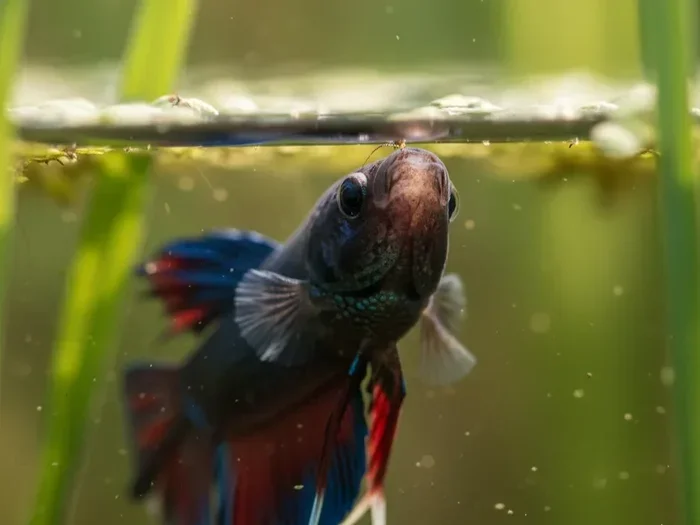
- Rapid breathing: Gasping at the surface suggests poor water quality or low oxygen.
- White spots or patches: These often indicate ich or fungal infection triggered by stress.
Behavioral Signs of Stress
Behavior changes are just as telling as physical signs. Pay attention to how your betta acts throughout the day:
- Hiding constantly: A healthy betta explores its tank. Hiding all the time means something is wrong.
- Flaring excessively: Constant flaring at reflections or tank mates causes chronic stress.
- Lethargy: Sitting at the bottom or resting on plants for long periods is not normal.
- Swimming erratically: Darting or spiraling can signal neurological stress or poor water conditions.
If you notice any of these signs, test your water parameters immediately. Are betta fish sensitive enough that even small imbalances cause visible symptoms? Yes, they absolutely are. Catching problems early gives your betta the best chance of recovery.
How to Keep Your Betta Fish Comfortable and Healthy
Creating a stable, comfortable environment is the best way to care for a sensitive betta. The goal is to minimize stressors and mimic their natural habitat as closely as possible. A well-planned tank goes a long way in keeping your betta healthy and happy.
Tank Size and Setup
A minimum of 5 gallons is recommended for a single betta. This may seem small, but it provides enough space for stable water parameters. Tanks smaller than 5 gallons experience rapid swings in temperature and chemistry, which is hard on sensitive fish.
Here are some setup tips for a comfortable betta tank:
- Use a gentle filter with a sponge pre-filter to reduce strong water flow.
- Add a reliable aquarium heater with a thermostat.
- Include soft-leaved plants like java fern or anubias for hiding spots.
- Use a soft substrate to protect delicate fins.
- Avoid sharp decorations or rough gravel that can tear fins.
Do bettas need a filter? Yes. But not all filters are safe. Are some water filters too strong for betta fish? Absolutely. Hang-on-back filters with strong outflow can create currents that exhaust your betta. A sponge filter is the gentlest and safest option.
Feeding Practices for Sensitive Bettas
Diet plays a bigger role in betta health than many owners realize. Overfeeding is one of the most common mistakes. Uneaten food decays in the tank and spikes ammonia levels, which directly harms sensitive bettas.
Follow these feeding guidelines:
- Feed small amounts 1-2 times per day.
- Use high-quality betta pellets or frozen bloodworms.
- Skip one feeding day per week to aid digestion.
- Remove any uneaten food within 5 minutes.
- Avoid feeding only flakes, which lack proper nutrition for bettas.
If you are wondering about feeding schedules, are you supposed to feed betta fish every day? Yes, but in small portions. Consistency matters more than quantity.
Tank Mates and Social Sensitivity
Bettas can be territorial, especially males. But that does not mean they must live alone. Many owners successfully keep bettas with peaceful tank mates. The key is choosing compatible species that will not harass or stress your betta.
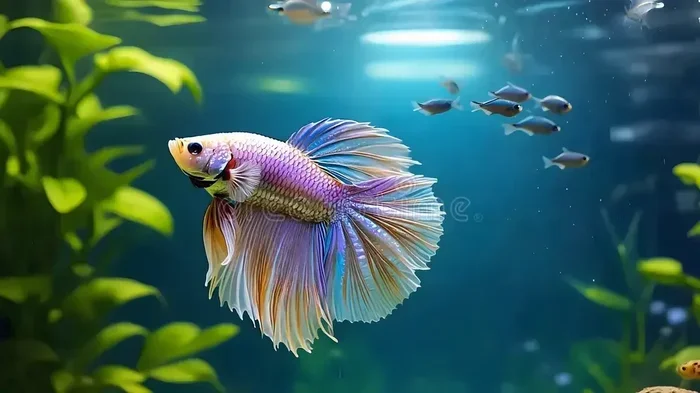
Are there other fish that can go with a betta? Yes, several species work well. Neon tetras, corydoras catfish, and kuhli loaches are popular choices. Snails like nerite snails and mystery snails also make great companions. Just be sure to research any new addition before adding it to the tank.
Remember, are you supposed to put betta fish with other fish depends on the individual betta’s personality. Some bettas are calm and social, while others are aggressive. Always monitor interactions closely when introducing new tank mates.
Common Mistakes That Hurt Sensitive Betta Fish
Even well-meaning owners can make mistakes that harm their bettas. Knowing what to avoid is just as important as knowing what to do. Here are the most common errors that affect sensitive bettas.
Keeping Bettas in Tiny Bowls
This is the number one mistake. A bowl or vase is not a proper home. It offers no room for a heater or filter, and water quality deteriorates fast. Bettas deserve at least a 5-gallon tank with proper equipment.
Skipping Water Changes
Some owners think a filter alone keeps the water clean. Filters remove debris and host beneficial bacteria, but they do not remove dissolved waste. Regular water changes are essential to keep ammonia levels in check and protect sensitive fish.
Using Tap Water Without Treatment
Tap water contains chlorine and chloramine, which are toxic to fish. Always use a water conditioner before adding tap water to your tank. This simple step prevents countless health problems.
Overcrowding the Tank
Too many fish or too many decorations create stress and reduce swimming space. Bettas need open areas to explore and rest. Overcrowding also increases waste production, which degrades water quality quickly.
Ignoring Temperature Fluctuations
Placing a betta tank near a window, door, or vent can cause temperature swings. Even small changes stress sensitive bettas. Keep the tank in a stable, draft-free location away from direct sunlight.
What to Do When Your Betta Goes Into Shock
Despite your best efforts, your betta may sometimes experience shock. Sudden changes in water, temperature, or exposure to harmful chemicals can trigger this dangerous condition. So, can betta fish live if they are in shock? Yes, but only if you act quickly.
Signs of shock include rapid breathing, loss of color, lying on the bottom, and unresponsiveness. If you notice these symptoms, immediately check your water parameters and temperature. Perform a small water change with treated, temperature-matched water. Move the betta to a quiet, dimly lit area to reduce stress.
Most bettas recover from mild shock within 24 to 48 hours if the cause is removed. However, severe shock may require medication or a visit to an exotic vet. Prevention through stable tank conditions is always the best approach.
Understanding how are betta fish sensitive to their environment helps you prevent shock in the first place. Consistent care, regular monitoring, and a well-maintained tank are your best tools for keeping your betta safe.
Final Thoughts on Betta Fish Sensitivity
So, are betta fish sensitive? Without a doubt. Bettas are beautiful, rewarding pets, but they demand consistent care and attention to their environment. Their sensitivity to water quality, temperature, and stress means you must stay proactive as an owner.
The good news is that once you understand what makes bettas tick, caring for them becomes second nature. Start with a proper tank setup, maintain clean water, feed wisely, and watch for signs of stress. These simple steps create a thriving home for your betta.
Remember, every betta is an individual. Some are more bold and hardy, while others are shy and delicate. Observing your specific fish and adjusting your care routine accordingly is the hallmark of a great betta owner. Your sensitivity to their needs will be rewarded with a happy, colorful companion for years to come.
If you are ever unsure about a change in your betta’s behavior, trust your instincts. Test the water, check the temperature, and look for environmental stressors. Your awareness makes all the difference in the life of your sensitive betta fish.
Frequently Asked Questions
Are betta fish sensitive to light?
Yes, bettas are sensitive to bright or fluctuating light. They prefer dim to moderate lighting that mimics their natural habitat. Avoid placing their tank in direct sunlight, as this can cause temperature spikes and algae overgrowth.
Can betta fish die from sensitivity to water changes?
Yes, sudden or large water changes can shock a betta. Always change 20-30% of the water weekly and match the temperature and pH of the new water to the existing tank water.
Are betta fish sensitive to other fish in the tank?
Bettas can be sensitive to aggressive tank mates. Fin-nipping fish or overly active species cause chronic stress. Choose peaceful companions like corydoras, snails, or tetras for a harmonious tank.
How do I know if my betta fish is sensitive to its food?
Signs of food sensitivity include bloating, constipation, and refusal to eat. Feed high-quality betta pellets and avoid overfeeding. Skipping one feeding day per week helps prevent digestive issues.
Are betta fish sensitive to chemicals in tap water?
Very much so. Chlorine and chloramine in untreated tap water can damage betta gills and skin. Always use a water conditioner before adding tap water to your betta tank.
Do betta fish become less sensitive as they age?
No, bettas remain sensitive throughout their lifespan, which is typically 3 to 5 years. Older bettas may become slightly more vulnerable to temperature changes and illness, so consistent care is important at every age.
=== CONCLUSION ===
Are betta fish sensitive? Yes, and understanding that sensitivity is the key to being a great betta owner. From water temperature to tank setup, every detail matters. Bettas reward attentive owners with vibrant colors, lively behavior, and years of enjoyment.
Take the time to learn your betta’s needs. Monitor water parameters regularly, maintain a stable environment, and respond quickly to signs of stress. Your efforts will create a happy, healthy home for one of the most beautiful fish in the hobby.