Are Rubber Nets Better for Fish
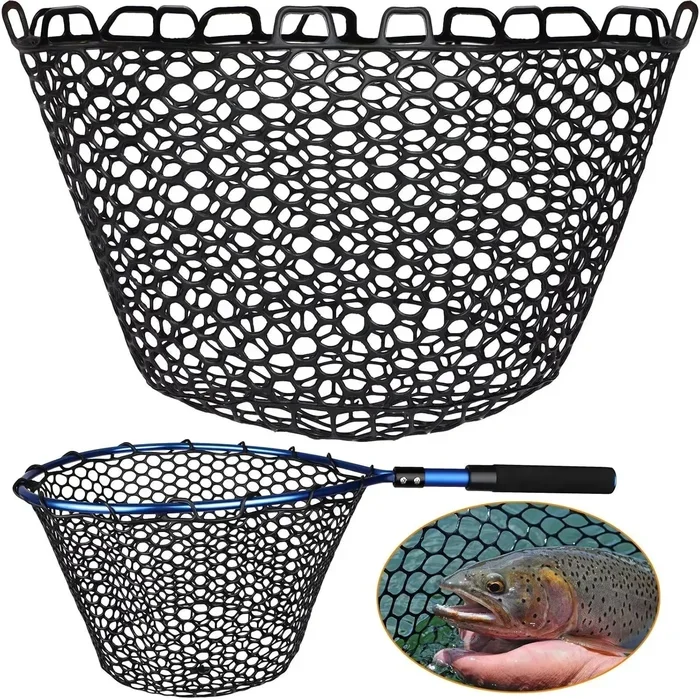
Rubber nets are gentler on fish than nylon or metal nets, reducing scale damage and stress during handling. They feature a soft, flexible mesh that protects delicate fins and slime coats. Many aquarists prefer rubber nets for betta fish, snails, and other sensitive species because they minimize injury risk.
If you keep fish, you know that handling them can be stressful. Whether you are moving a fish to a quarantine tank or cleaning the aquarium, the tool you use matters a lot. Rubber nets have become a popular choice among fish keepers. But are they really better than traditional nylon or metal nets? The short answer is yes, in most cases.
This guide breaks down everything you need to know about rubber nets for fish. We will look at why they work, when to use them, and how they compare to other net types. By the end, you will know exactly what to grab the next time you need to handle your fish.
Key Takeaways
- Gentle on Fish: Rubber nets protect delicate scales, fins, and slime coats better than nylon alternatives.
- Reduced Stress: The soft mesh causes less panic and physical harm during fish handling.
- Easy to Clean: Rubber nets resist algae buildup and are simple to rinse and maintain.
- Versatile Use: Great for transferring betta fish, snails, and plants safely around the tank.
- Durable Material: Rubber-coated nets last longer and hold their shape better over time.
- Better for Sensitive Species: Ideal for betta fish and other delicate aquatic creatures.
📑 Table of Contents
- What Are Rubber Nets and Why Do They Matter?
- Benefits of Using Rubber Nets for Fish
- Rubber Nets vs. Nylon Nets: A Side-by-Side Comparison
- When Should You Use a Rubber Net?
- Common Mistakes to Avoid When Using Rubber Nets
- Expert Tips for Choosing the Best Rubber Net
- Are Rubber Nets Better for All Types of Fish?
- Final Thoughts
What Are Rubber Nets and Why Do They Matter?
A rubber net is exactly what it sounds like. It is a fish net made with a rubber or rubber-coated mesh instead of traditional nylon or plastic. The frame is usually made from lightweight materials like aluminum or plastic, and the net head wraps in a soft rubber-like material.
These nets matter because fish are delicate creatures. Their scales, fins, and protective slime coats can get damaged easily. A rough net can scrape away that slime coat, which leaves fish vulnerable to infections and disease. Rubber nets solve this problem by providing a much gentler surface for fish to pass through.
How Rubber Nets Differ from Standard Nets
Standard fish nets are usually made from nylon or polyester mesh. They are fine enough to catch small fish, but they can be rough. The threads in nylon nets create friction against the fish’s body. Over time, this friction causes wear on scales and fins.
Rubber nets use a smoother, more flexible material. The mesh is softer and more pliable. When a fish swims into a rubber net, it glides through more easily. There is less pulling and snagging. This makes the whole process safer for the fish and less stressful for you.
Benefits of Using Rubber Nets for Fish
There are many reasons to choose a rubber net over other types. Let us walk through the biggest benefits.
1. Gentle on Fish Skin and Scales
The soft rubber mesh does not scratch or tear at a fish’s body. This is especially important for fish with delicate fins, like bettas. If you have ever tried to net a betta with a regular nylon net, you know how easily their long fins can get tangled. A rubber net reduces this risk significantly.
2. Protects the Slime Coat
Fish have a natural layer of mucus, often called the slime coat. This coating acts as a shield against bacteria, parasites, and infections. When you use a rough net, you can strip away this protective layer. Rubber nets are much kinder to the slime coat, helping keep your fish healthy and protected.
3. Less Stress for the Fish
Stress is one of the biggest threats to fish health. When a fish gets tangled in a net, it panics. That panic releases stress hormones that can weaken the immune system. Rubber nets allow for a quicker, smoother capture. The fish spends less time struggling, which means less stress overall.
4. Great for Sensitive Species
Some fish are more sensitive than others. Betta fish, for example, have long, flowing fins and thin scales. Betta fish benefit greatly from gentle handling tools like rubber nets. Other sensitive species include goldfish, guppies, and certain tropical fish varieties. If you keep any of these, a rubber net is a smart investment.
5. Easy to Clean and Maintain
Rubber nets are surprisingly easy to maintain. The material resists algae buildup better than nylon. You can rinse them off after each use, and they dry quickly. Some aquarists even toss them in a bucket with a mild disinfectant for a deeper clean. The durability of rubber means these nets last longer too.
Rubber Nets vs. Nylon Nets: A Side-by-Side Comparison
It is always helpful to compare options side by side. Here is how rubber nets stack up against traditional nylon nets for common use cases.
| Feature | Rubber Nets | Nylon Nets |
|---|---|---|
| Gentleness on Fish | Very gentle | Moderate to rough |
| Slime Coat Protection | Excellent | Poor to moderate |
| Fin Safety | High | Moderate |
| Durability | Long lasting | Moderate |
| Ease of Cleaning | Very easy | Moderate |
| Cost | Slightly higher | Budget friendly |
| Best For | Delicate and sensitive fish | Hardy, larger fish |
As you can see, rubber nets win in most categories that matter for fish health. The only real advantage of nylon nets is the lower price. But when you factor in fish safety and long-term durability, rubber nets offer much better value.
When Should You Use a Rubber Net?
Rubber nets are not just for one situation. They are versatile tools that work well in many aquarium scenarios.
Transferring Fish Between Tanks
If you need to move a fish from one tank to another, a rubber net is the best choice. The smooth material prevents damage during the transfer. This is especially true when moving fish to a hospital or quarantine tank. You want the transition to be as stress-free as possible.
Removing Debris and Waste
Rubber nets also work well for scooping out debris, uneaten food, and plant waste. The rubber mesh is sturdy enough to catch small particles without tearing. Many aquarists keep a dedicated rubber net just for tank maintenance.
Handling Live Plants and Decor
If you keep live plants in your aquarium, you already know how important it is to handle them gently. When you need to trim, move, or remove plants, a rubber net helps protect the roots and leaves. You can also use a rubber net to safely remove items like java ferns or other delicate plants without damaging them or disturbing your fish.
Catching Snails and Invertebrates
Snails are tricky to catch. They move slowly, but they can hide in tight spaces. A rubber net with a fine mesh works great for scooping up snails without hurting them. This is also useful when you need to remove pest snails from your tank. The soft mesh ensures the snail shell and body stay intact.
If you keep snails as part of your cleanup crew, you know how valuable they are. Using a rubber net to handle snails keeps them safe and your tank balanced.
Common Mistakes to Avoid When Using Rubber Nets
Even with the right tool, mistakes can happen. Here are some common errors to watch out for.
Using a Net That Is Too Small
A net that is too small will chase the fish around the tank. This creates unnecessary stress and can injure the fish. Choose a net that is large enough to scoop the fish up in one smooth motion. The fish should fit comfortably inside the net without being crammed against the sides.
Rough Handling During Capture
Even with a rubber net, rough handling can cause problems. Do not chase the fish frantically. Move slowly and calmly. Guide the fish into the net gently rather than swooping from behind. Patience is your best friend when handling fish.
Neglecting to Clean the Net
After every use, rinse the net thoroughly. Old food particles, waste, and bacteria can build up on the mesh. If you do not clean the net properly, you risk introducing contaminants into a different tank. A quick rinse with tank water or dechlorinated water works best.
Using the Same Net for Sick and Healthy Tanks
This is a big one. If you use a net on a sick fish, do not use the same net on healthy fish without cleaning it first. Disease can spread easily through shared equipment. Keep separate nets for quarantine and main tank use if possible.
Expert Tips for Choosing the Best Rubber Net
Not all rubber nets are created equal. Here are some tips to help you pick the right one for your setup.
- Look for a Fine Mesh: A finer mesh catches smaller fish and prevents fins from snagging. This is especially important for bettas and other fish with elaborate fins.
- Check the Frame Material: Lightweight aluminum frames are durable and resist rust. Plastic frames are cheaper but may not last as long.
- Choose the Right Size: Match the net size to your tank size. Larger tanks need larger nets for efficient fish handling.
- Opt for a Smooth Edge: A net with smooth, rounded edges prevents accidental scratches on the fish or the tank glass.
- Read Reviews: Other aquarists can give you real-world feedback on durability and performance. Look for nets with consistently positive reviews.
When you invest in a quality rubber net, you are investing in the health and safety of your fish. A good net makes every handling task easier, faster, and safer for everyone involved.
Are Rubber Nets Better for All Types of Fish?
Rubber nets work well for most fish species, but they are especially beneficial for certain types. Fish with delicate fins, thin scales, or sensitive slime coats benefit the most. This includes bettas, guppies, tetras, and many tropical species.
For hardier fish like goldfish or large cichlids, a nylon net may still work fine. These fish are less prone to injury from rougher materials. However, even for hardy fish, a rubber net offers a gentler experience that can only help.
If you are curious about how different tank setups affect fish well-being, check out our guide on plastic tanks for betta fish for more helpful insights.
Final Thoughts
Rubber nets are a simple upgrade that makes a big difference. They protect your fish, reduce stress, and last longer than traditional nylon options. Whether you are a beginner or a seasoned aquarist, adding a rubber net to your toolkit is one of the best decisions you can make.
The next time you reach for a net, choose the rubber option. Your fish will thank you for it. A gentle catch means a healthier, happier fish. And a happier fish means a more enjoyable aquarium experience for you.
Remember, small choices like this add up over time. Every time you use a rubber net, you are prioritizing fish safety and well-being. That is what good fish keeping is all about.
Frequently Asked Questions
Can I use a rubber net for all fish species?
Yes, rubber nets are safe for virtually all fish species. They are especially gentle on fish with delicate fins and sensitive scales, such as bettas and guppies. Even hardy fish like goldfish benefit from the softer mesh.
How do I clean a rubber fish net properly?
Rinse the net with tank water or dechlorinated water after each use. For a deeper clean, soak it in a mild aquarium-safe disinfectant solution. Let it air dry completely before storing it to prevent bacterial growth.
Are rubber nets more expensive than nylon nets?
Rubber nets tend to cost a bit more upfront than basic nylon nets. However, they last longer and provide better fish protection, making them a worthwhile investment for any serious fish keeper.
Can a rubber net damage fish scales?
Rubber nets are designed to be gentle and are far less likely to damage scales than nylon or metal nets. The soft mesh minimizes friction and reduces the risk of scale loss or fin tears during handling.
How often should I replace my rubber net?
A quality rubber net can last for several years with proper care. Replace it when you notice the mesh tearing, the rubber becoming stiff, or the frame bending out of shape. Regular cleaning extends the lifespan significantly.
Do rubber nets work well for catching snails?
Yes, rubber nets with fine mesh work great for catching snails. The soft material prevents damage to the snail’s shell and body. They are a safe and effective tool for removing pest snails or transferring beneficial ones.