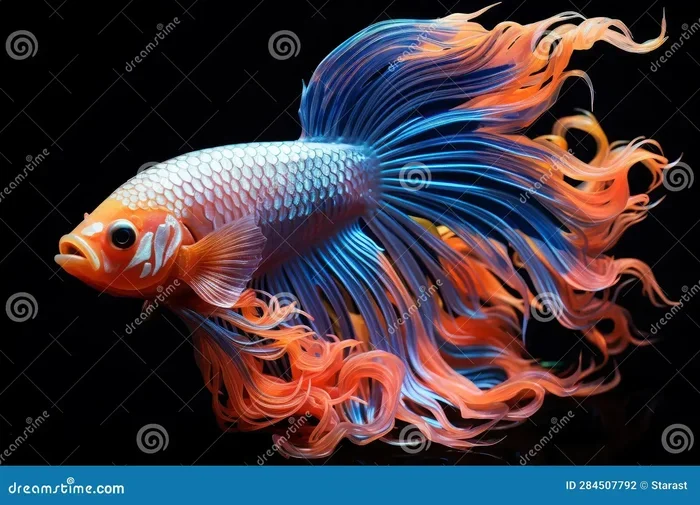
Are Betta Fish in the Ocean
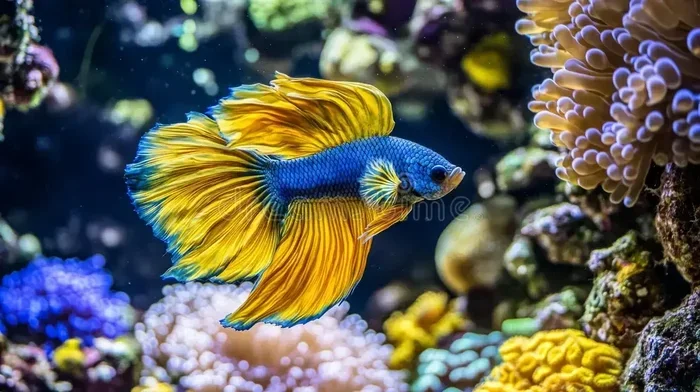
Betta fish are not found in the ocean. They are freshwater fish that live in warm, shallow waters in Southeast Asia. Keeping bettas in saltwater is dangerous and can lead to serious health problems or death. Understanding their real habitat helps you care for them the right way.
You may have seen beautiful betta fish in pet stores, aquariums, or even in small bowls at a friend’s house. But one question keeps popping up among fish lovers: are betta fish in the ocean? The short answer is no. Betta fish are not ocean fish. They are freshwater creatures that come from specific regions in Southeast Asia. In this guide, we will explore everything you need to know about where bettas really live, why they cannot survive in saltwater, and how to give them the best life possible in a home aquarium.
Many people assume that because bettas look so colorful and active, they must live in big bodies of water like oceans or seas. That is a common misconception. Betta fish have very specific habitat needs that are very different from what the ocean offers. Understanding this is the first step toward being a great betta owner. Let us dive deep into the world of betta fish and clear up this topic once and for all.
Key Takeaways
- Betta fish are freshwater creatures and cannot survive in saltwater or ocean environments.
- Their natural habitat includes warm, shallow rice paddies, streams, and marshes in Southeast Asia.
- Saltwater causes osmotic stress in bettas, which damages their organs and leads to rapid decline.
- Proper tank setup with freshwater, warm temperatures, and gentle filtration keeps bettas healthy.
- Never release pet bettas into the wild or ocean, as they cannot survive and it harms local ecosystems.
- Betta fish can live 3 to 5 years in a well-maintained freshwater tank with proper care.
📑 Table of Contents
- Where Do Betta Fish Come From?
- Why Can’t Betta Fish Live in the Ocean?
- What Happens If You Put a Betta in Saltwater?
- How to Keep Your Betta Fish Healthy
- Can Betta Fish Survive in the Wild?
- Common Myths About Betta Fish and the Ocean
- What Is the Difference Between Betta Fish and Ocean Fish?
- Final Thoughts on Are Betta Fish in the Ocean
Where Do Betta Fish Come From?
Betta fish originate from Southeast Asia. They are native to countries like Thailand, Cambodia, Vietnam, Malaysia, and Indonesia. In the wild, you will find bettas living in warm, shallow bodies of freshwater. These include rice paddies, floodplains, slow-moving streams, and marshy areas. The water in these habitats is typically warm, often between 76 and 82 degrees Fahrenheit.
The Natural Habitat of Betta Fish
Betta fish thrive in still or slow-moving water. They do not need strong currents. In fact, their natural environment is often calm and shallow. This is why they are sometimes called “fighting fish” or “Siamese fighting fish.” They evolved in small, warm pockets of water where they developed the ability to breathe atmospheric air through a special organ called the labyrinth organ.
This labyrinth organ is one of the reasons bettas are so unique. Most fish rely solely on their gills to extract oxygen from water. Bettas can gulp air from the surface, which allows them to survive in low-oxygen water. This adaptation works great in freshwater but becomes a serious problem in saltwater environments like the ocean.
It is also worth noting that bettas are not found in the wild in oceans. Their range is limited to freshwater systems in and around the Mekong Delta region. If you want to learn more about where bettas live in their natural setting, check out our article on where betta fish are in the wild.
Why Can’t Betta Fish Live in the Ocean?
Now that we know where bettas come from, let us talk about why the ocean is a terrible place for them. The answer comes down to basic fish biology and the differences between freshwater and saltwater.
Freshwater vs. Saltwater Biology
Fish are adapted to live in either freshwater or saltwater. Very few species can handle both. Betta fish are strictly freshwater fish. Their bodies are designed to maintain the right balance of salts and water in a freshwater environment. This process is called osmoregulation.
In freshwater, a betta’s body naturally holds more salt than the surrounding water. The fish absorbs water through its skin and gills and releases excess salt. In saltwater, the opposite happens. The fish loses water to the salty environment and tries to absorb salt. This is a completely different process that bettas are not equipped to handle.
If you put a betta in the ocean or in saltwater, its body will go into osmotic shock. The fish will lose water rapidly, its organs will start to fail, and it will die. This is not something that happens slowly over time. It can happen within hours. Betta fish simply cannot survive in ocean conditions.
The Role of the Labyrinth Organ
Remember the labyrinth organ we talked about earlier? While it is an amazing adaptation for freshwater living, it does not help bettas in saltwater. The labyrinth organ allows bettas to breathe air, but it does not change how their body handles salt levels. Saltwater is still toxic to them regardless of their breathing ability.
This is why can betta fish live in the ocean is a question with a very clear answer: no, they cannot. Even if the ocean water is warm enough, the salt content alone is enough to kill a betta fish quickly.
What Happens If You Put a Betta in Saltwater?
Some fish owners might wonder what would happen if they tried keeping a betta in a saltwater tank or added salt to their freshwater tank. Let us break this down clearly.
First, let us talk about aquarium salt. Some freshwater fish keepers use aquarium salt as a treatment for certain fish diseases or to reduce stress. Betta fish can tolerate very low levels of aquarium salt in a pinch. However, this is not the same as putting a betta in the ocean. Aquarium salt is used in small doses and is carefully controlled.
Here is what happens if a betta is exposed to saltwater or high-salinity water:
- Immediate stress: The fish becomes agitated and tries to escape the water.
- Loss of protective slime coat: The betta’s skin becomes vulnerable to infections.
- Dehydration: The fish loses water through its gills and skin rapidly.
- Organ failure: The kidneys and gills cannot handle the salt levels.
- Death: Without intervention, the betta will die within hours.
If you ever accidentally expose your betta to saltwater, remove it immediately and place it back in clean freshwater. Time is critical in these situations. The faster you act, the better the chances of survival.
How to Keep Your Betta Fish Healthy
Since bettas are freshwater fish, your job as an owner is to recreate their natural freshwater habitat as closely as possible. Here are some practical tips to keep your betta happy and healthy.
Tank Size and Setup
Many people keep bettas in tiny bowls, but this is not ideal. A minimum tank size of 5 gallons is recommended for a single betta. Larger tanks are even better. A bigger water volume means more stable water parameters, which reduces stress on your fish.
Here are some setup tips:
- Use a gentle filter to avoid strong currents.
- Keep the water temperature between 76 and 82 degrees Fahrenheit.
- Add live or silk plants for hiding spots.
- Use a soft substrate like sand or fine gravel.
- Keep the tank lid on because bettas can jump.
Water Quality
Clean freshwater is essential for betta health. Test your water regularly for ammonia, nitrite, and nitrate levels. Perform partial water changes of about 25% every week. Never use tap water directly because it contains chlorine and chloramine, which are harmful to fish. Always use a water conditioner before adding water to the tank.
If you are curious about other aspects of betta care, you might want to read about whether betta fish are supposed to be in warm water or learn about how betta fish survive in the wild to understand their resilience better.
Diet and Feeding
Betta fish are carnivores. They need a protein-rich diet. In the wild, they eat insects, larvae, and small crustaceans. In captivity, you can feed them high-quality betta pellets, frozen or live bloodworms, brine shrimp, and daphnia. Feed your betta 2 to 3 small meals per day and avoid overfeeding, which can lead to constipation and poor water quality.
Can Betta Fish Survive in the Wild?
While bettas cannot live in the ocean, they do have some survival skills in the wild. Betta fish can survive in the wild in their native freshwater habitats. However, their survival depends on water quality, temperature, and food availability.
In the wild, bettas face many threats. Pollution, habitat destruction, and climate change all affect their populations. Wild bettas are also targeted by predators and competitors. Despite these challenges, their ability to breathe air and their hardy nature give them an advantage in shallow, warm waters.
If you are interested in learning more about bettas in their natural environment, you can explore our article on are betta fish able to survive in the wild for a deeper look at their resilience and adaptability.
Common Myths About Betta Fish and the Ocean
There are several myths floating around about betta fish and their relationship with the ocean. Let us clear up a few of the most common ones.
Myth 1: Betta Fish Can Live in Any Water
This is simply not true. Bettas are freshwater fish with very specific water parameter needs. They cannot adapt to saltwater environments like the ocean. Water type matters a lot for betta health and survival.
Myth 2: Adding Salt to a Betta Tank Makes It Like the Ocean
Some people think that adding a small amount of salt to a betta tank will give the fish a “saltwater experience.” This is false. Even small amounts of salt should only be used as a short-term treatment and under guidance. The ocean has a salt concentration of about 35 parts per thousand, which is vastly different from what a betta tank needs.
Myth 3: Betta Fish Are Tough and Can Handle Anything
While bettas are more resilient than many tropical fish, they are not invincible. They cannot survive in saltwater, cold water, or polluted water. Proper care is essential no matter how hardy a fish may seem.
What Is the Difference Between Betta Fish and Ocean Fish?
To really understand why bettas cannot live in the ocean, it helps to compare them with actual saltwater fish. Here is a quick comparison:
| Feature | Betta Fish | Ocean Fish |
|---|---|---|
| Water Type | Freshwater | Saltwater |
| Salinity Tolerance | Very low | High |
| Natural Habitat | Rice paddies, streams | Coral reefs, open ocean |
| Osmoregulation | Freshwater adaptation | Saltwater adaptation |
| Temperature Range | 76-82°F | Varies widely |
| Labyrinth Organ | Yes | No |
| Tank Setup | Freshwater, heated | Saltwater, marine system |
As you can see from the table, betta fish and ocean fish are fundamentally different in almost every way. Their bodies, habitats, and care requirements are completely separate. This is why it is so important to keep bettas in freshwater environments only.
Final Thoughts on Are Betta Fish in the Ocean
So, are betta fish in the ocean? The answer is a clear and definitive no. Betta fish are freshwater creatures that come from warm, shallow waters in Southeast Asia. They cannot survive in saltwater, and the ocean is completely unsuitable for their biology. Keeping your betta in a proper freshwater tank with the right temperature, clean water, and a good diet is the best way to ensure a long and healthy life for your fish.
Remember, bettas are not ocean fish. They are beautiful, unique freshwater creatures that deserve the right environment to thrive. By understanding their natural habitat and needs, you can be a confident and caring betta owner. Never release your pet betta into the ocean or any natural water body. They cannot survive, and it can harm local ecosystems too.
If you want to keep learning about betta fish care, there are many great resources available. Explore topics like tank setup, diet, tank mates, and water quality to deepen your knowledge. The more you know, the better you can care for your colorful companion. A happy betta is a healthy betta, and that starts with understanding where they truly come from.
Frequently Asked Questions
Can betta fish live in saltwater?
No, betta fish cannot live in saltwater. Their bodies are adapted for freshwater environments, and saltwater causes osmotic stress that can kill them quickly. Always keep your betta in a freshwater tank.
Why are betta fish not found in the ocean?
Betta fish are native to freshwater habitats in Southeast Asia, including rice paddies, streams, and marshes. The ocean’s salt content is incompatible with their biology, and they have no natural presence in marine environments.
Can I add salt to my betta fish tank?
Small amounts of aquarium salt can be used as a short-term treatment for certain fish diseases. However, this is not the same as saltwater. Always consult a vet or experienced fish keeper before adding salt to a betta tank.
What happens if a betta fish touches saltwater?
If a betta fish comes into contact with saltwater, it will experience rapid dehydration and osmotic shock. The fish may show signs of stress immediately, and without quick removal to freshwater, it can die within hours.
Are there any fish that can live in both freshwater and saltwater?
Yes, some fish species called euryhaline fish can tolerate a range of salinity levels. However, betta fish are not one of them. Bettas are strictly freshwater fish and cannot adapt to saltwater environments.
Where do betta fish live in the wild?
In the wild, betta fish live in warm, shallow freshwater bodies in Southeast Asia. They are found in rice paddies, slow-moving streams, floodplains, and marshy areas. They never inhabit oceans or saltwater environments naturally.