Can Betta Fish Be Put with Other Fish

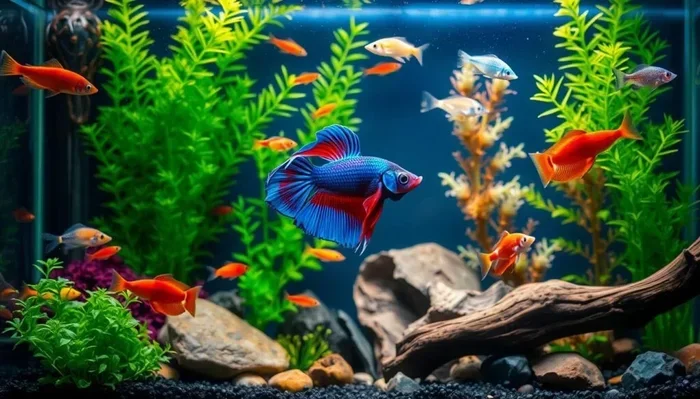
Yes, betta fish can be put with other fish, but it depends on several key factors like tank size, temperament, and species selection. Understanding betta compatibility is the first step toward building a thriving community tank. This guide covers everything you need to know about choosing the right betta tank mates and setting up a safe, harmonious aquarium.
So, you love your betta fish and want to add some tank mates. Maybe you have a beautiful community tank and wonder if your betta can join the party. Or perhaps you just got a betta and want to build a peaceful aquarium around it. Either way, the big question is the same: can betta fish be put with other fish?
The short answer is yes, but it is not always simple. Bettas have unique personalities, and their compatibility with other fish depends on several factors. In this guide, we will walk you through everything you need to know about pairing your betta with other species. You will learn which fish work best, what to avoid, and how to set up a tank that keeps everyone happy and healthy.
Whether you are a beginner or a seasoned aquarist, this article will give you practical, actionable advice. We will cover betta tank mates, tank setup tips, common mistakes, and expert insights. By the end, you will feel confident about creating a community aquarium that includes your betta.
Key Takeaways
- Betta fish can live with other fish: With the right setup and careful species selection, bettas can thrive in community tanks.
- Male bettas are more aggressive: Their long fins and territorial nature require extra caution when choosing tank mates.
- Tank size matters a lot: A minimum of 10 gallons is recommended for a betta community tank to reduce stress and aggression.
- Avoid fin-nipping species: Fish like tiger barbs can damage betta fins and trigger fights.
- Female bettas are more social: They often do better with other fish than males, making them easier to pair in a community setup.
- Monitor behavior closely: Watch for signs of stress or aggression, and be ready to rehome fish if needed.
📑 Table of Contents
Understanding Betta Fish Temperament
Before you add any tank mates, you need to understand betta behavior. Bettas are often called “fighting fish” for a reason. Males, in particular, can be territorial and aggressive. But not all bettas are the same. Some are calm and laid-back, while others are feisty and defensive.
Why Are Bettas Aggressive?
Male bettas have evolved to defend their territory. In the wild, they live in shallow rice paddies and slow-moving streams. They flare their gills and spread their fins to warn off rivals. This instinct does not go away in a home aquarium. When a betta sees another fish with bright colors or long fins, it may see a rival and react aggressively.
Betta temperament varies from fish to fish. Some males are docile and ignore other fish completely. Others will chase and nip at anything that moves. Female bettas tend to be less aggressive, which makes them more flexible when it comes to betta compatibility with other species.
Male vs. Female Betta Behavior
Male bettas have long, flowing fins and vivid colors. These traits make them stand out, but they also make them targets for aggression from other fish. A male betta in a community tank needs careful planning.
Female bettas have shorter fins and duller coloring. They are generally less territorial and can sometimes be kept in small groups called “sororities.” Because of their calmer nature, female bettas often make better community tank residents than males.
Best Tank Mates for Betta Fish
Now for the fun part. Which fish can you safely keep with a betta? The answer depends on the fish’s size, temperament, and swimming level. You want species that will not bother your betta and that your betta will not bother.
Top Peaceful Community Fish
Several fish species are known to coexist well with bettas. Here are some of the best options:
- Corydoras catfish: These small bottom-dwellers are peaceful and stay out of the betta’s way. They are great for cleaning up leftover food.
- Neon tetras: Small, colorful, and fast-moving. They tend to keep to themselves and rarely provoke a betta.
- Kuhli loaches: These quirky, eel-like fish are shy and peaceful. They add variety without creating conflict.
- Harlequin rasboras: Schooling fish that stay in the middle of the tank. Their calm nature makes them ideal betta tank mates.
- Ghost shrimp: Inexpensive and unobtrusive. They help clean the tank and are usually too fast for a betta to catch.
Fish to Avoid With Bettas
Some fish are a bad match for bettas. Here are species you should steer clear of:
- Tiger barbs: These fish are notorious fin nippers. They will nip at a betta’s long fins and cause stress and injury.
- Guppies: Male guppies have bright, flowing fins that can trigger a betta’s aggression. They may also breed rapidly and overcrowd the tank.
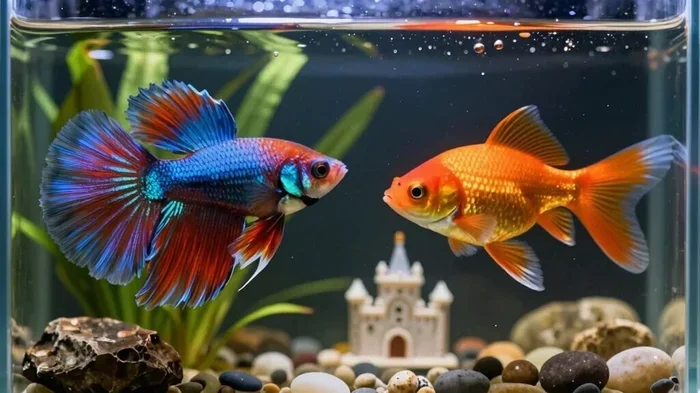
- Goldfish: Goldfish need cold water, while bettas need warm water. Their temperature needs are completely incompatible.
- Angelfish: Angelfish can be aggressive and may nip at betta fins. They also grow quite large and need more space.
If you are unsure about a specific species, check out what other fish can you put with betta for more detailed guidance on species pairing.
Setting Up the Right Tank Environment
A successful community tank is not just about picking the right fish. It is also about creating the right environment. A well-planned aquarium reduces stress and minimizes aggression from your betta.
Tank Size Requirements
The minimum tank size for a betta community setup is 10 gallons. A small tank concentrates waste and increases stress for all fish. A larger tank gives everyone room to establish their own territory. If you plan to keep multiple species, aim for 20 gallons or more.
More space means fewer confrontations. When fish have room to swim away from each other, they are less likely to fight. Think of it like giving everyone their own personal space in a crowded room.
Plants and Decorations
Live plants are your best friend in a betta community tank. They break up sightlines and give fish places to hide. Bettas love plants with broad leaves where they can rest. Some great options include:
- Java fern
- Anubias
- Amazon sword
- Water wisteria
- Floating plants like frogbit or duckweed
Add caves, driftwood, and smooth rocks to create hiding spots. These decorations help reduce tension by giving each fish its own territory. The more visual barriers you have, the better.
Water Parameters
Bettas thrive in warm, clean water. Keep the temperature between 76°F and 82°F. The pH should be between 6.5 and 7.5. Regular water changes (25% every week) are essential to maintain good tank conditions for all inhabitants.
Make sure your filter is not too strong. Bettas prefer slow-moving water. A sponge filter works well because it provides gentle filtration without creating a strong current that might stress your betta out.
Can You Put a Male Betta With Other Fish?
This is one of the most common questions among fish keepers. The answer is yes, but it requires extra care. Male bettas are the most territorial of the species, so choosing the right betta tank mates is critical.
If you are considering a male betta in a community tank, start with a tank that is at least 15 gallons. Add plenty of plants and decorations to break up territories. Introduce other fish first and let them establish their space before adding the betta. This reduces the chance of the betta feeling overwhelmed.
Watch your betta closely during the first few days. Signs of stress include clamped fins, loss of color, and hiding constantly. Signs of aggression include flaring, chasing, and biting. If your betta shows persistent aggression, you may need to remove it and consider a different setup.
For more information on keeping male bettas with other species, read can you put other fish in with a male betta for detailed advice on male betta community setups.
Can You Put a Female Betta With Other Fish?
Female bettas are generally more tolerant of other fish. They are less likely to flare at tank mates and tend to have a calmer disposition. This makes them a popular choice for community aquariums.
You can keep female bettas with a wider variety of species. Small peaceful fish like corydoras, tetras, and rasboras work well. Just make sure the tank has enough hiding spots and that no single fish is bullying the betta.
If you want to learn more about female betta pairings, check out can you put a female betta fish with other fish for a deeper dive into this topic.
Common Mistakes to Avoid
Even experienced fish keepers make mistakes when setting up a betta community tank. Here are the most common errors and how to avoid them:
- Choosing a tank that is too small. A cramped tank leads to stress and aggression. Always go bigger than you think you need.
- Adding aggressive tank mates. Fish that nip fins or chase other fish will cause problems for your betta. Stick to peaceful species.
- Ignoring water quality. Poor water conditions make all fish stressed and sick. Test your water regularly and perform routine maintenance.
- Overcrowding the tank. Too many fish creates competition for food and territory. Follow the one inch of fish per gallon rule as a general guideline.
- Skipping quarantine. New fish can carry diseases. Quarantine them for two weeks before adding them to your main tank.
Expert Insights on Betta Community Tanks
We spoke with experienced aquarists about their tips for successful betta community tanks. Here is what they had to say:
“The biggest mistake people make is rushing the process. Take your time. Introduce fish gradually and observe how they interact before adding more,” says a senior aquarist with over 15 years of experience.
Another expert recommends focusing on the bottom and top of the tank when choosing tank mates. “Bettas swim mostly in the middle. Add bottom-dwellers like corydoras and top-dwellers like hatchetfish to fill the unused space. This reduces competition and keeps the peace,” the expert advises.
Remember that every betta is an individual. Some will happily share their tank with several species, while others prefer to be the only fish. Pay attention to your betta’s behavior and adjust accordingly.
Conclusion
So, can betta fish be put with other fish? Absolutely. With the right planning, a suitable tank setup, and careful species selection, your betta can live happily alongside other fish. The key is to understand your betta’s personality, choose peaceful tank mates, and provide plenty of space and hiding spots.
Start with a tank that is at least 10 gallons. Pick fish that share similar water requirements and temperaments. Monitor your betta closely after introducing new tank mates. And do not be afraid to make changes if something is not working.
Building a community aquarium with a betta is a rewarding experience. It brings life, color, and movement to your tank. Follow the tips in this guide, and you will be well on your way to creating a beautiful, harmonious underwater world. For more ideas on betta tank mates and community tank setups, explore our other resources on betta fish care and aquarium compatibility.
Frequently Asked Questions
Can betta fish live with goldfish?
No, bettas and goldfish should not be kept together. They have very different temperature and water quality needs. Goldfish prefer cooler water, while bettas need warm water. Their care requirements are simply incompatible.
How many fish can you keep with a betta?
In a 10-gallon tank, you can keep your betta plus 3 to 5 small peaceful fish. The exact number depends on the species and their adult size. Always research each fish’s full-grown size before adding it to the tank.
Will a betta kill other fish?
A betta can injure or kill other fish if they are aggressive or if the tank is too small. However, most bettas will not actively hunt other fish. They may nip at fins or chase tank mates, so choosing peaceful species is essential.
Can you put a betta with a snail?
Yes, snails make excellent betta tank mates. They are peaceful, stay out of the betta’s way, and help clean the tank. Nerite snails and mystery snails are popular choices that work well with bettas.
Can two male bettas live together?
No, two male bettas should never be kept in the same tank. They will fight, often to the death. Even in large tanks with heavy planting, male bettas remain highly territorial toward each other.
What is the best tank size for a betta community?
A 10-gallon tank is the minimum for a betta community. A 20-gallon tank is better if you plan to keep multiple species. More space always leads to a healthier, less stressful environment for all fish.