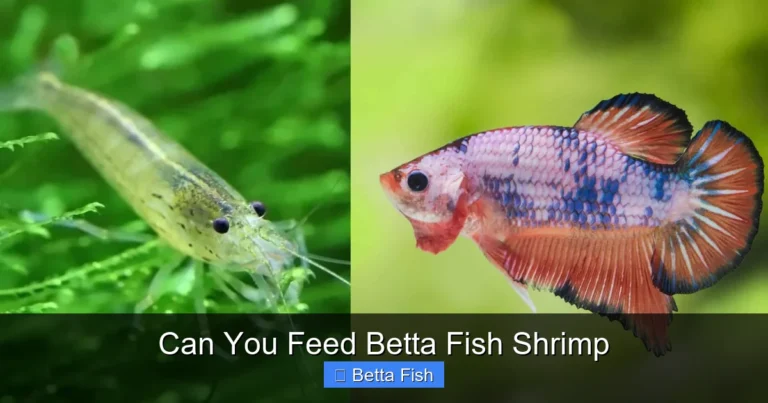
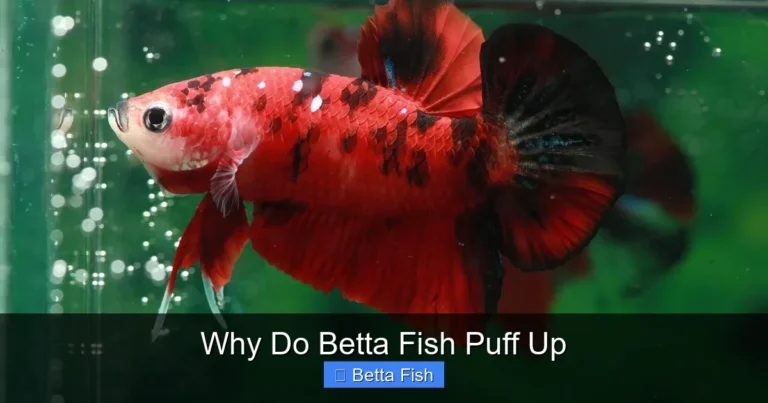
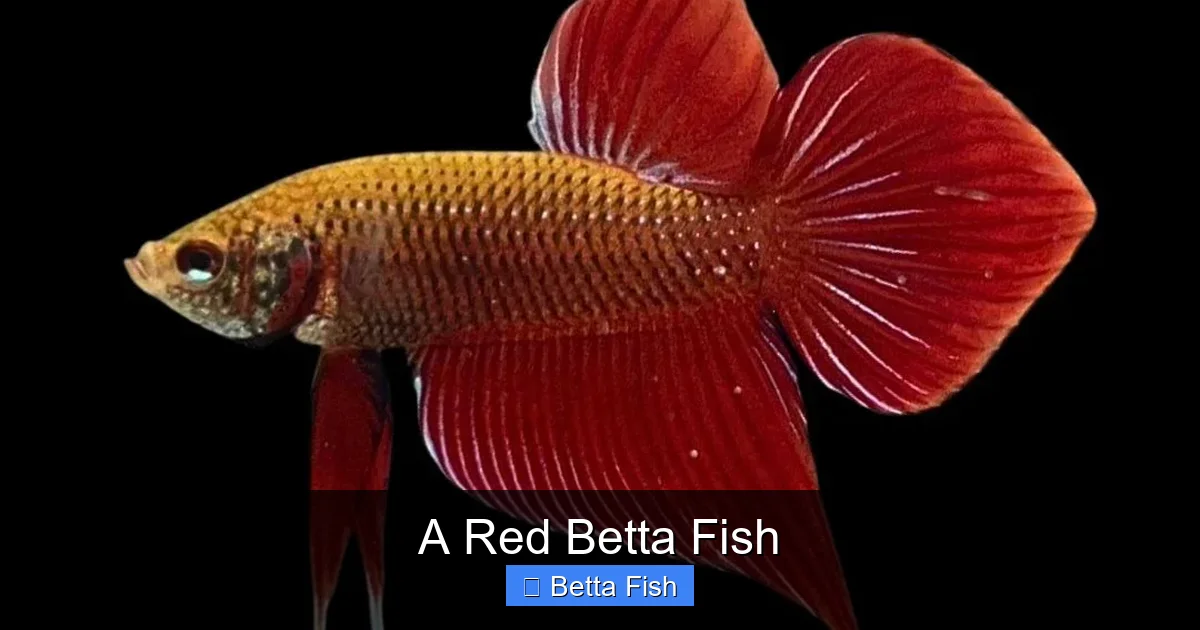
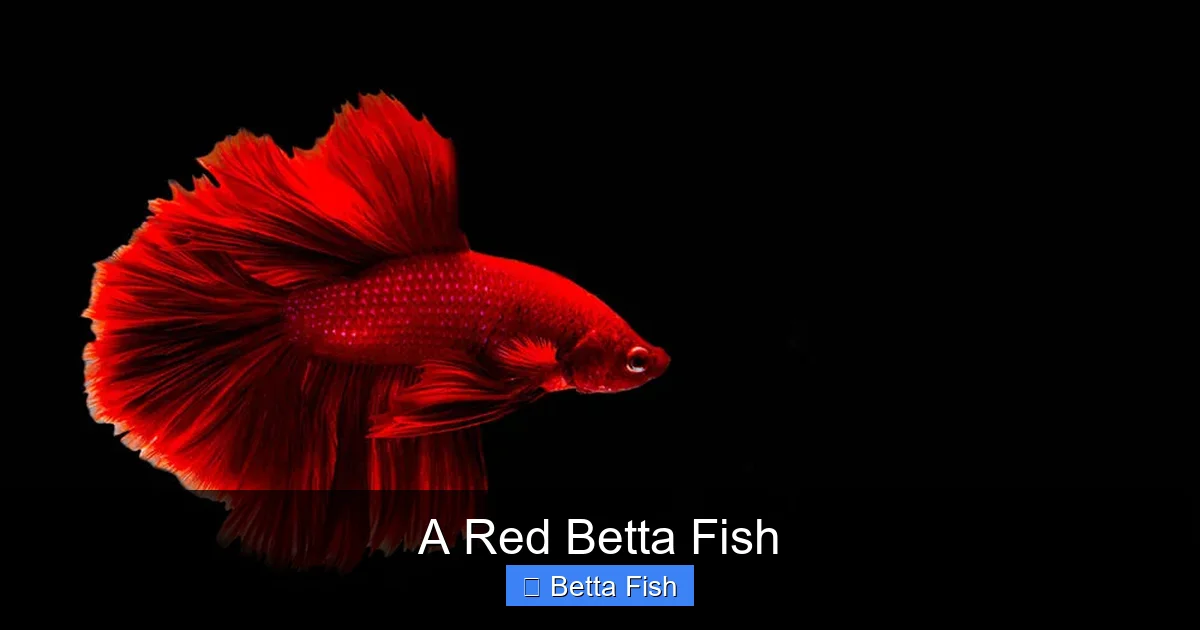
A Red Betta Fish

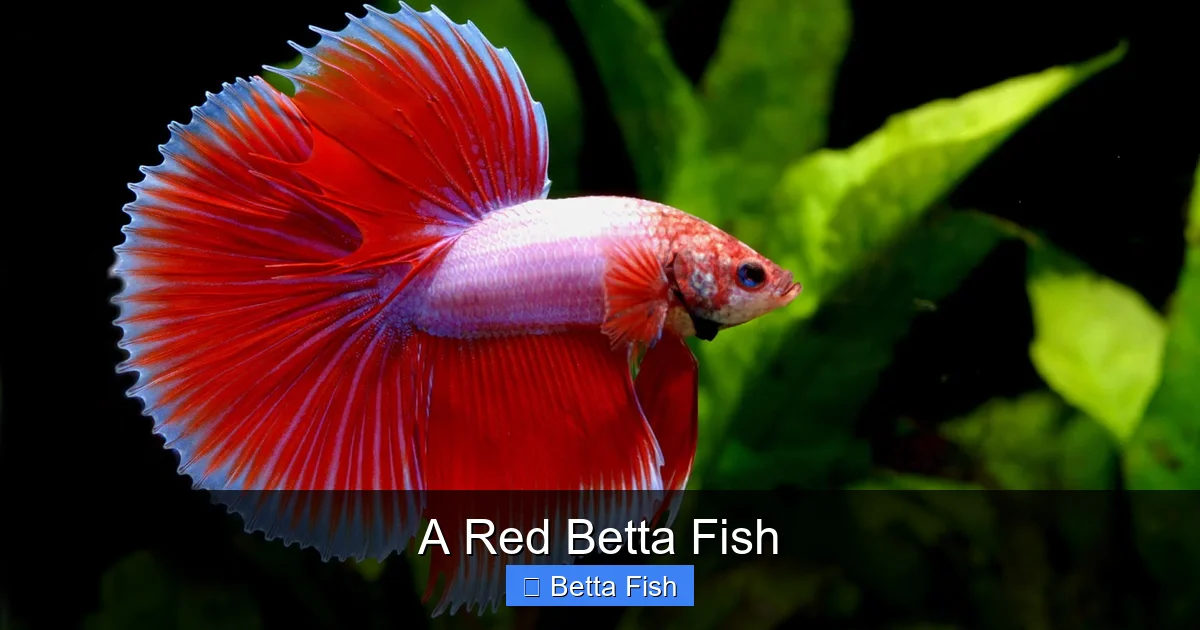
A red betta fish dazzles with its vivid crimson fins and lively personality. With the right tank, water conditions, and diet, this tropical beauty can thrive for years, bringing color and charm to any home aquarium.
Key Takeaways
- Vibrant colors need stable water: Keep temperature between 76‑82°F and maintain clean, soft water for the brightest reds.
- Tank size matters: A minimum 5‑gallon tank gives your red betta room to explore and reduces stress.
- Feeding frequency: Offer small portions twice daily with high‑quality betta pellets and occasional live foods.
- Longevity: With proper care, a red betta fish can live 3‑5 years, sometimes longer.
- Compatibility: Generally solitary, but certain peaceful tank mates can coexist if the tank is spacious.
- Health checks: Look for bright fins, active swimming, and steady appetite to catch problems early.
- Regular maintenance: Weekly water changes of 25‑30% keep nitrate levels low and colors vivid.
📑 Table of Contents
Introduction: Meet the Red Betta Fish
If you’ve ever walked past a pet store and been stopped by a flash of scarlet swimming gracefully, you’ve likely seen a red betta fish. These little champions, also called Siamese fighting fish, are famed for their dramatic fins and bold personality. Their bright red hue is not just eye‑catching; it’s a sign of good health and proper care.
In this guide we’ll walk through everything a beginner or seasoned hobbyist needs to know about a red betta fish. From setting up the perfect home, to feeding, health, and even a few fun tricks, you’ll finish reading feeling confident to give your fiery friend the best life possible.
1. Understanding the Red Betta’s Natural History
Origin and Habitat
Red bettas are a selectively bred variety of Betta splendens, native to the shallow rice paddies and slow‑moving streams of Thailand. In the wild, they thrive in warm, slightly acidic water with plenty of hiding spots.
Visual guide about A Red Betta Fish
Image source: thailandbettafish.com
Why the Red Color?
The striking red coloration comes from selective breeding that enhances the pigment melanin and carotenoids. A deep, uniform red usually means the fish is well‑nourished and lives in optimal water conditions.
2. Setting Up the Perfect Home
Choosing the Right Tank Size
While many people think a tiny bowl will do, a red betta fish truly flourishes in a minimum 5‑gallon tank. Larger space means stronger swimming muscles, less aggressive behavior, and a more stable environment.
Visual guide about A Red Betta Fish
Image source: hepper.com
Water Temperature and Quality
Red bettas are tropical; keep the water between 76°F and 82°F. Use a reliable heater and a thermometer to avoid fluctuations. Aim for a pH of 6.5‑7.5 and soft water (50‑150 ppm GH).
Filtration and Aeration
A gentle sponge filter works well—strong currents can stress the delicate fins. Betta fish do breathe atmospheric air, so an air stone is optional but can help maintain oxygen levels.
Substrate, Plants, and Hiding Spots
Fine sand or smooth gravel mimics their natural floor. Live plants such as Java fern, Anubias, or floating duckweed provide cover and help maintain water quality. Add smooth rocks or driftwood for extra hiding places.
Lighting
Provide a 10‑hour light cycle using a low‑intensity LED. Too much light can stress the fish and encourage algae growth.
3. Feeding Your Red Betta Fish
What to Feed
High‑quality betta pellets should make up the bulk of the diet. Look for pellets with at least 40% protein and no filler. Supplement 2‑3 times a week with live or frozen foods like brine shrimp, daphnia, or bloodworms to boost color vibrancy.
Visual guide about A Red Betta Fish
Image source: images3.alphacoders.com
How Much and How Often
Feed small amounts two times a day—just enough that the fish can eat in 2‑3 minutes. Overfeeding leads to cloudy water and health issues.
Feeding Tips
- Use a feeding dish to keep food from sinking into the filter.
- Remove any uneaten food after five minutes.
- Rotate protein sources to keep the diet balanced.
4. Health and Longevity
Typical Lifespan
When cared for properly, a red betta fish can live 3‑5 years, with some reaching up to 7 years. Learn more about lifespan expectations in our article on betta fish lifespan.
Common Health Issues
Watch for faded colors, torn fins, or labored breathing. These can signal poor water quality, disease, or improper diet. Early detection is key.
Routine Health Checks
- Observe swimming behavior—active and upright is good.
- Check fins for ragged edges or missing pieces.
- Look at the eyes; cloudy eyes may indicate infection.
When to Seek Help
If your red betta stops eating for more than 48 hours, develops white spots, or shows rapid breathing, consult a specialist or reputable aquarium forum.
5. Social Life: Can a Red Betta Share a Tank?
Solitary Nature
Male bettas, especially the flamboyant red varieties, are territorial. Keeping more than one male in the same tank usually ends in fights.
Peaceful Tank Mates
If you have a larger tank (10 gallons or more), you can consider small, non‑aggressive species such as neon tetras, Corydoras catfish, or a single snail. Always research compatibility; see our guide on compatible fish for bettas.
Female Betta Communities
Some hobbyists keep “sorority” groups of female bettas, but this requires careful monitoring, plenty of plants, and at least 10 gallons per fish.
6. Enhancing the Red Color
Dietary Boosters
Carotenoid‑rich foods like krill or specially formulated color‑enhancing pellets can intensify the red hue.
Water Parameters
Stable temperature and clean water prevent stress, which can cause colors to dull. Perform weekly 25‑30% water changes.
Lighting Effects
Full‑spectrum LED lighting brings out the best reds. Avoid harsh fluorescent lights that can cause flickering stress.
Conclusion: Your Red Betta’s Bright Future
A red betta fish is more than just a pretty face; it’s a lively companion that rewards attentive care with vibrant displays and personality. By providing a spacious, well‑filtered tank, maintaining proper temperature, feeding a balanced diet, and keeping an eye on health, you’ll enjoy a thriving scarlet swimmer for years to come. Remember, the key is consistency—regular water changes, stable conditions, and a little love will keep those fins fluttering proudly.
Frequently Asked Questions
What temperature should water be for a red betta fish?
Keep the water between 76°F and 82°F (24°C‑28°C). Stable temperature supports metabolism and keeps the red coloration vivid.
How often should I change the water for my red betta?
Change 25‑30% of the tank water weekly. This removes waste, keeps nitrate low, and helps maintain bright colors.
Can I keep a red betta fish with other fish?
Male reds are best kept alone, but in a larger tank you can house peaceful species like neon tetras or small catfish. Always research compatibility first.
What should I feed my red betta fish for optimal color?
High‑quality betta pellets plus occasional live foods such as brine shrimp or bloodworms provide the proteins and carotenoids needed for a deep red hue.
How long can a red betta fish live?
With proper care, a red betta can live 3‑5 years, and some may reach up to 7 years.
How do I know if my red betta fish is stressed?
Signs of stress include faded colors, clamped fins, erratic swimming, or loss of appetite. Check water parameters and reduce any sudden changes.