What Can Female Betta Fish Breed With
Female betta fish can only breed with male bettas of the same species, Betta splendens. Understanding what can female betta fish breed with is essential for any aquarium enthusiast planning a successful breeding project. Female bettas cannot crossbreed with other fish species, so pairing them with males outside of the Betta splendens family will not produce offspring. This guide covers everything you need to know about betta breeding compatibility, including the role of male bettas, proper breeding conditions, and common misconceptions that can lead to failed spawning attempts.
What Can Female Betta Fish Breed With
Female betta fish breed with a select group of fish species that share compatible water conditions, temperaments, and tank requirements. If you have a female betta and want to explore breeding options or create a harmonious community tank, you need to know exactly which species work well together. This guide breaks down everything you need to consider, from the best tank mates to the breeding setups that actually succeed. Understanding betta fish breeding dynamics helps you avoid common mistakes that stress your fish or harm your aquarium ecosystem.
Many fish owners assume that female betta fish breed with any peaceful species. That is not the case. Compatibility depends on water parameters, swimming space, territorial behavior, and the specific species you are pairing. Choosing the wrong companions can lead to fin nipping, aggression, or failed breeding attempts. We will walk you through the top options, what to avoid, and how to set up your aquarium for success.
Whether you are a beginner or an experienced aquarist, knowing what can female betta fish breed with saves you time, money, and heartbreak. Let us dive into the details.
Key Takeaways
- Female bettas can only breed with male bettas. Cross-species breeding is impossible and dangerous.
- Use a separate breeding tank to protect fry from being eaten. A 5-gallon tank with a divider works best.
- Condition both fish with live food before introducing them. High-protein meals boost spawning readiness and egg quality.
- Remove the female after spawning to prevent aggression. Males guard eggs and may attack the female.
- Maintain water temperature at 80°F for optimal breeding. Warm water mimics the natural monsoon season trigger.
- Never breed female bettas with other fish species. Incompatible partners cause stress and fatal injuries.
📑 Table of Contents
Understanding Female Betta Fish Breeding Basics
Before we explore specific species, it helps to understand how female betta fish breed with other fish in a controlled environment. Breeding bettas is not just about dropping a male and female into the same tank. It requires preparation, the right tank setup, and knowledge of fish behavior.
What Happens During Betta Breeding
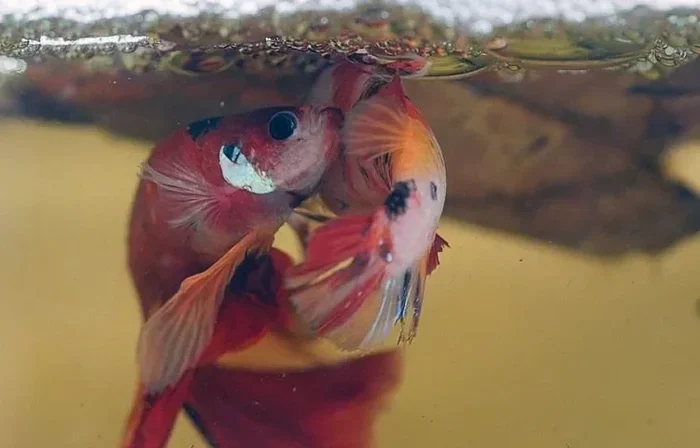
Female bettas release eggs, and male bettas fertilize them in a bubble nest. The male collects the eggs and places them in the nest. This process works best when the fish feel safe and comfortable. Stress can cause the female to eat her own eggs or refuse to breed at all.
When thinking about female betta fish breed with other species, keep in mind that most community fish do not participate in betta breeding. The female betta and a compatible male betta are the primary breeding pair. Other fish in the tank serve as peaceful tank mates that do not disturb the breeding process.
Key Water Parameters for Breeding
Successful breeding depends heavily on maintaining the right water conditions. Here are the basics:
- Temperature: 78-80°F (25.5-26.5°C)
- pH level: 6.5-7.0
- Water hardness: Soft to moderately hard (3-15 dGH)
- Tank size: At least 10 gallons for breeding pairs
If your tank mates cannot tolerate these parameters, they will not survive alongside your breeding pair. This is the first filter you should apply when deciding what fish female betta fish breed with in the same aquarium.
Top Fish Species That Female Betta Fish Can Breed With
Not all fish make good companions for breeding female bettas. The best options are peaceful species that occupy different areas of the tank. This reduces territorial conflicts and gives your betta space to focus on breeding.
Guppies as Tank Mates
Many owners wonder about keeping female betta fish with guppies during breeding. Guppies are peaceful, colorful, and adaptable to the same water conditions as bettas. They swim in the upper and middle levels of the tank, while bettas prefer the middle and lower areas. This vertical separation helps reduce tension.
However, there is a catch. Male guppies can sometimes bother female bettas with their bright colors and constant chasing. If you plan to breed your female betta, consider keeping only female guppies in the tank. This minimizes stress and keeps the breeding environment calm.
Learn more about keeping female betta fish with guppies for detailed setup tips and compatibility insights.
Tetras as Community Tank Mates
Tetras are excellent companions for breeding female bettas. Neon tetras and ember tetras are small, peaceful, and stay in the middle and lower parts of the tank. They do not compete with bettas for space or attention.
When female betta fish breed with a male betta in a community setup, tetras add movement and activity without creating aggression. They are hardy fish that tolerate the same warm water temperatures bettas need. Just make sure your tank is at least 20 gallons if you plan to keep a small school of tetras alongside your breeding pair.
Explore which tetras work best with female betta fish for species-specific guidance.
Snails as Peaceful Companions
Snails are one of the safest additions to a betta breeding tank. They do not compete for territory, they do not nip fins, and they help clean algae from the tank walls. Mystery snails and nerite snails are popular choices.
Snails are particularly useful during the betta fish breeding process because they stay out of the way. They will not disturb the bubble nest or interfere with the female releasing eggs. Their slow movement makes them non-threatening to both male and female bettas.
Find out more about snails as tank mates for female bettas and learn which snail species thrive in betta tanks.
Shrimp as Low-Impact Companions
Shrimp, especially cherry shrimp and Amano shrimp, make wonderful tank mates for breeding female bettas. They are tiny, peaceful, and focus on scavenging the tank floor. They do not interact with bettas in any meaningful way that could cause stress.
The only risk is that a betta might view small shrimp as food. This is more of a concern in tanks without plenty of hiding spots. Add plants, caves, and decorations to give shrimp safe places to retreat. A well-planted breeding tank benefits both the shrimp and the bettas.
Read our guide on shrimp as tank mates for female betta fish for practical tips on keeping shrimp safe.
Other Female Bettas as Tank Companions
Surprisingly, female bettas can live with other female bettas in a sorority setup. This is not traditional breeding, but it is relevant for owners who want multiple females in one tank. A properly sized tank with plenty of hiding spots makes this possible.
Keep in mind that sorority tanks require careful monitoring. Even female bettas can be territorial. If you are planning to breed female betta fish with a male, remove the other females during the breeding process to reduce competition and stress.
Learn how to set up a female betta sorority tank for best practices and precautions.
Fish Species to Avoid When Breeding Female Bettas
Knowing what works is only half the battle. You also need to know what does not work. Some fish species create chaos in a breeding tank and should be avoided at all costs.
Goldfish and Female Bettas
Goldfish need cold water temperatures, while bettas thrive in warm water. This fundamental difference makes them incompatible. Keeping goldfish with a breeding female betta will stress both species and can lead to illness or death.
Aggressive or Fin-Nipping Fish
Fish like tiger barbs, serpae tetras, and certain cichlids are too aggressive for a breeding betta setup. They nip fins and provoke territorial behavior. A stressed female betta will not breed successfully.
Large or Bulky Fish
Large fish like angelfish or oscars take up too much space and may view the betta as food or a threat. They also produce more waste, which can destabilize water parameters in a breeding tank.
| Species | Compatible? | Reason |
|---|---|---|
| Guppies (female) | Yes | Peaceful, similar water params |
| Neon Tetras | Yes | Non-aggressive, different tank zone |
| Mystery Snails | Yes | Helpful, non-threatening |
| Cherry Shrimp | Yes | Low impact, easy to care for |
| Female Betta Sorority | Yes (with caution) | Requires large tank and hiding spots |
| Goldfish | No | Different temperature needs |
| Tiger Barbs | No | Fin nippers, aggressive |
| Angelfish | No | Too large, territorial |
How to Set Up a Successful Breeding Tank
Setting up the right environment is crucial when female betta fish breed with a male partner. The tank setup directly affects breeding success and the health of the fish.
Tank Size and Layout
A 10-gallon tank is the minimum for a breeding pair. Add plenty of live plants like java moss and amazon sword plants. These plants provide hiding spots and surfaces for the bubble nest. Use a sponge filter to keep water clean without creating strong currents that disturb the nest.
Lighting and Temperature Control
Use gentle, low-wattage lighting. Bettas prefer dim conditions, and bright lights can stress them during breeding. Maintain a stable temperature between 78-80°F. A small heater with a thermostat helps regulate the temperature consistently.
Introducing the Breeding Pair
Introduce the female to the male’s tank gradually. Use a clear divider or breeding box for the first 24-48 hours. This allows them to see each other without direct contact. Once the female shows vertical stripes (a sign she is ready to breed), you can remove the divider.
Watch their behavior closely. The male will build a bubble nest, and the female will release eggs. If aggression occurs, separate them immediately. Not every pairing works on the first attempt.
Common Mistakes When Breeding Female Bettas
Even experienced fish keepers make mistakes. Here are the most common errors to avoid when female betta fish breed with other species or with male bettas.
- Overcrowding the tank: Too many fish create stress and territorial disputes. Keep the breeding tank simple and uncluttered.
- Ignoring water quality: Poor water conditions lead to disease and failed breeding. Test your water parameters weekly.
- Choosing incompatible tank mates: Not every peaceful fish works with bettas. Research each species before adding it to the tank.
- Skipping the quarantine period: New fish can introduce parasites or diseases. Always quarantine new arrivals for two weeks before adding them to the breeding tank.
- Removing the male too early: The male betta cares for the eggs and fry. Removing him too soon can result in egg loss or fry death.
Expert Tips for Successful Betta Breeding
Breeding female bettas successfully takes patience and attention to detail. Here are some expert insights that make a real difference.
First, condition your breeding pair with high-quality food for two weeks before introducing them. Live or frozen brine shrimp and bloodworms work wonders for triggering breeding behavior. Well-fed fish produce healthier eggs and sperm.
Second, observe your fish daily. Changes in behavior, appetite, or color can signal stress or illness. Catching problems early gives you time to adjust the setup or separate fish if needed.
Third, do not rush the process. Breeding bettas is not a race. Let the fish set the pace. Some pairs breed within days, while others need weeks to acclimate to each other. Patience pays off in healthier fry and fewer lost eggs.
Finally, plan for the fry. Baby bettas need small, infusoria-sized food for the first week. As they grow, you can transition them to baby brine shrimp. Have a separate grow-out tank ready before the breeding pair produces fry.
Key Takeaways
Knowing what female betta fish breed with comes down to understanding compatibility, water conditions, and tank setup. Guppies, tetras, snails, shrimp, and other female bettas are the best options for community tanks during breeding. Avoid goldfish, aggressive species, and large fish that create stress or compete for resources.
Setting up a proper breeding tank with the right temperature, plants, and filtration gives your female betta the best chance of success. Avoid common mistakes like overcrowding and poor water quality. With patience, preparation, and the right companions, you can create a thriving breeding environment for your female betta fish.
The most important takeaway is this: female betta fish breed with peaceful, compatible species that share similar water needs. Choose your tank mates wisely, monitor your fish closely, and enjoy the rewarding experience of successful betta breeding.
Frequently Asked Questions
What Can Female Betta Fish Breed With?
Female betta fish can breed with male bettas, specifically male Betta splendens. The male and female must be carefully introduced in a breeding tank to ensure a safe and successful spawning process.
Can You Breed Female Betta Fish With Other Betta Species?
Female bettas can sometimes breed with other Betta species like Betta imbellis or Betta smaragdina, though this is less common. Crossbreeding different Betta species can produce unique offspring but requires advanced knowledge and careful planning.
Will a Female Betta Fish Breed With Any Male Fish in the Tank?
No, female bettas will not breed with just any male fish. They can only successfully reproduce with male bettas or closely related Betta species. Mixing them with other fish types will not result in breeding.
Can Female Betta Fish Breed With Wild Betta Males?
Yes, female bettas can breed with wild-type male bettas, and some breeders actually prefer them for stronger genetics. Wild betta males often produce hardier offspring compared to heavily bred domestic varieties.
How Do You Know If a Female Betta Is Ready to Breed With a Male?
A female betta is ready to breed when she develops a visible white egg spot on her underside and shows a horizontal striped pattern on her body. She will also become more receptive to the male’s bubble nest and courtship behavior.
Can You Breed Female Betta Fish Without a Male Present?
No, female bettas cannot breed without a male betta to fertilize the eggs. The male releases milt over the eggs after the female deposits them, which is essential for fertilization and healthy fry development.