Are Betta Fish Social Animals

Betta fish are not truly social in the way schooling fish are, but they can enjoy limited companionship when cared for correctly. Understanding their natural behavior helps you create a tank setup that reduces stress and promotes natural activity.
Key Takeaways
- Territorial nature: Male bettas are fiercely territorial and should not share a small space with other males.
- Female groups can coexist: With ample space and hiding spots, several females can live together peacefully.
- Social enrichment: Visual barriers, plants, and toys provide stimulation without forcing direct contact.
- Tank size matters: A 5‑gallon (or larger) tank is the minimum for any community setup involving bettas.
- Observe behavior: Signs of stress or aggression indicate the need to re‑evaluate tank mates or layout.
- Compatibility basics: Certain peaceful fish and invertebrates can share a betta’s home if the tank is well‑filtered and decorated.
- Health ties to social environment: A stressed betta shows poorer color, frayed fins, and may become prone to disease.
📑 Table of Contents
- Introduction: The Curious Case of the Betta
- 1. What Does “Social” Mean for a Betta?
- 2. Male Betta Fish: The Lone Warriors
- 3. Female Betta Fish: The Socializers?
- 4. Creating a Socially Enriching Environment
- 5. Choosing Tank Mates: Compatibility Guidelines
- 6. Signs of Stress and When to Re‑Evaluate
- Conclusion: Balancing Solitude and Social Enrichment
Introduction: The Curious Case of the Betta
If you’ve ever watched a male betta flare its gills and ripple its fins, you might think, “Wow, that fish is super social!” In reality, the story is a bit more nuanced. Betta fish—often called Siamese fighting fish—are famous for their bold colors and dramatic displays, but when it comes to companionship, they walk a fine line between solitary hunters and curious observers.
In this article we’ll explore exactly how social a betta can be, what factors shape their behavior, and practical tips for creating a harmonious aquarium. By the end, you’ll know whether to give your betta a tank‑mate, how to choose the right one, and how to keep the whole community thriving.
1. What Does “Social” Mean for a Betta?
Natural habitat and wild behavior
Betta fish originate from the shallow, slow‑moving waters of Thailand, Malaysia, and Cambodia. In the wild they live among dense vegetation, leaf litter, and quiet pools. Their environment is full of hiding places, not open water where fish school together.
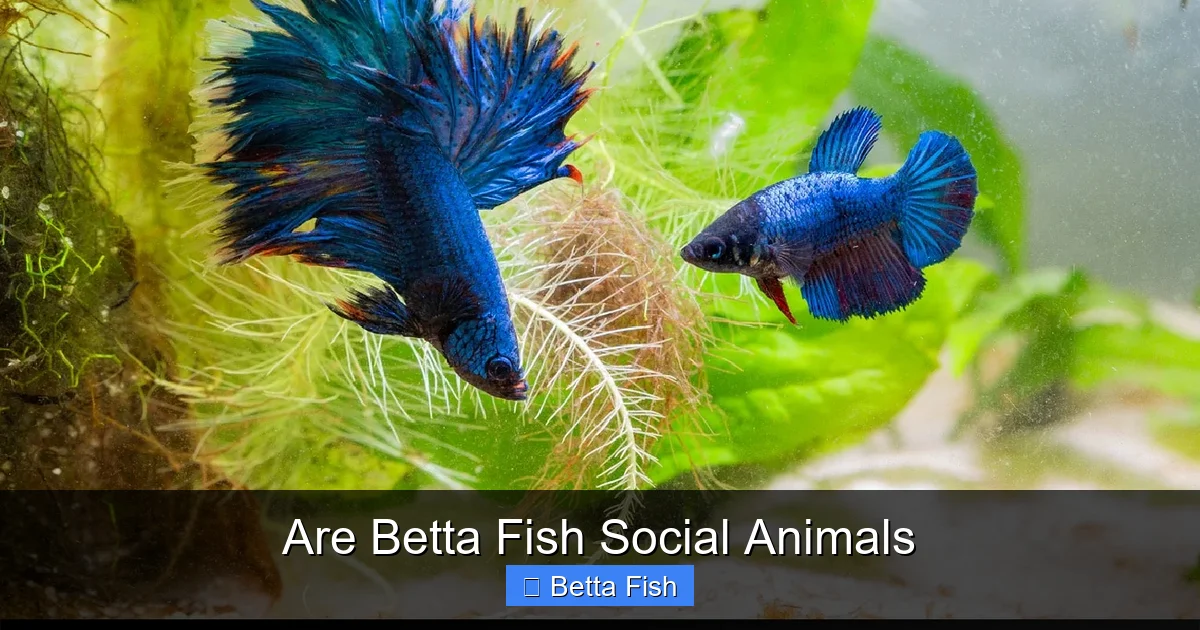
Visual guide about Are Betta Fish Social Animals
Image source: buildyouraquarium.com
Because of this, bettas have evolved to be territorial rather than schooling. A male will claim a stretch of water and defend it from intruders, especially other males. Females are less aggressive, but they still need personal space to feel safe.
Social versus solitary tendencies
When we say a fish is “social,” we usually mean it thrives in groups, showing schooling or shoaling behavior. Betta fish do not school. However, they can tolerate the presence of other fish—especially if those fish are small, calm, and do not trigger a territorial response.
In captivity, a betta’s “social” needs are more about environmental enrichment than companionship. Adding plants, caves, and floating objects can keep a betta mentally stimulated, mimicking the complexity of its natural home.
2. Male Betta Fish: The Lone Warriors
Why males are aggressive
Male bettas are famous for their fights. The classic image of two males battling to the death is rooted in reality: they protect their breeding territory and will attack any similarly sized intruder. This is why you’ll often see advice like “keep male bettas separate.”
For a deeper dive into male aggression, check out the article Why Are Male Betta Fish So Aggressive. It explains the hormonal and evolutionary reasons behind these displays.
Can a male share a tank?
Yes—if the tank is large enough (at least 10 gallons) and the tank mates are carefully chosen. Suitable companions include:
- Small, non‑fin‑nipping shrimp (e.g., cherry shrimp).
- Snails such as nerite or mystery snails.
- Peaceful, bottom‑dwelling fish like Corydoras catfish.
Never place another male betta, bright‑colored gourami, or fin‑nipping species like tetras in the same space. The risk of stress and injury is high.
3. Female Betta Fish: The Socializers?
Do females get along?
Female bettas are generally less aggressive than males, and several can cohabit if the tank is spacious and heavily planted. A 10‑gallon tank with plenty of live plants (see Which Live Plants Are Good For Betta Fish) provides both visual barriers and hiding spots, reducing competition.
However, even females can fight if the space is cramped or if they’re of similar size and temperament. Watch for signs like chasing, nipping, or fading colors.
Setting up a “sorority” tank
Here’s a quick checklist for a successful female sorority:
- Minimum 10 gallons, preferably 20 gallons for larger groups.
- At least 5–6 live plants or décor items per fish.
- Introduce all females at the same time to prevent hierarchy buildup.
- Provide a gentle filtration system that doesn’t create strong currents.
If aggression spikes, be ready to separate the most dominant fish into its own container.
4. Creating a Socially Enriching Environment
Plants, caves, and visual barriers
Even a solitary betta benefits from a complex environment. Live plants like Java fern, Anubias, and Marimo moss balls not only improve water quality but also give the fish places to explore.
Floating leaves (e.g., Amazon frogbit) create surface cover, reducing the feeling of being constantly watched. Rocks, driftwood, and ceramic caves add vertical structure.
Toys and interaction
Betta fish are curious. A small mirror can trigger a flaring response, providing exercise—just use it for a few minutes a day to avoid stress. Ping‑pong balls, smooth marbles, or betta‑specific toys can also stimulate natural foraging behavior.
Water quality and temperature
Good water parameters are essential for a calm betta. Keep the temperature between 76‑82°F (24‑28°C) and maintain a pH of 6.5‑7.5. Regular water changes (25% weekly) prevent ammonia spikes that could make a betta irritable.
5. Choosing Tank Mates: Compatibility Guidelines
Safe species for community tanks
When you decide to add companions, look for fish that are:
- Small (<1 inch) and non‑aggressive.
- Slow swimmers that stay near the bottom.
- Not brightly colored in the same spectrum as the betta (to avoid triggering territorial displays).
Good options include:
- Harlequin rasboras (in a large school).
- Otocinclus catfish.
- Neon tetras (only in a very large tank with plenty of cover).
Species to avoid
Never house a betta with:
- Other bettas (male or female) unless you’re creating a well‑planned sorority.
- Fin‑nippers like guppies, mollies, or zebrafish.
- Large, fast swimmers that may stress the betta.
For a full list of compatible species, see What Fish Are Compatible With Betta Fish.
6. Signs of Stress and When to Re‑Evaluate
Behavioral clues
A stressed betta may:
- Hide constantly under decorations.
- Show faded coloration or clamped fins.
- Flare repeatedly without an obvious trigger.
- Become lethargic or stop eating.
If you notice these signs, check water parameters first, then consider whether the tank is overcrowded or the betta is being bullied.
Health implications
Chronic stress weakens the immune system, making bettas prone to fin rot, white spot disease, and other infections. Maintaining a stable environment and providing appropriate companionship are key to preventing these issues.
Conclusion: Balancing Solitude and Social Enrichment
Betta fish are not “social” in the classic schooling sense, but they do thrive when their environment mimics the complexity of their natural habitat. Male bettas are best kept alone or with very peaceful, non‑fin‑nipping tank mates, while females can form small groups if given plenty of space and cover.
Think of a betta’s social needs as a blend of personal space and mental stimulation. By offering plants, hideaways, and occasional interaction, you’ll see a healthier, more vibrant fish—whether it lives solo or in a carefully curated community.
Frequently Asked Questions
Are betta fish naturally solitary?
In the wild, bettas are territorial and prefer to defend a small area rather than school. They are more solitary than many other freshwater fish.
Can male bettas live with other fish?
Yes, but only with very peaceful, non‑fin‑nipping species in a tank of at least 10 gallons. Suitable mates include shrimp, snails, and bottom‑dwelling catfish.
Do female bettas get along with each other?
Female bettas can coexist in a “sorority” tank if the aquarium is spacious, heavily planted, and provides plenty of hiding spots.
How can I tell if my betta is stressed?
Signs of stress include faded colors, clamped fins, constant hiding, excessive flaring, and a loss of appetite.
What enrichment items are safe for bettas?
Live plants, smooth rocks, driftwood, and betta‑specific toys like ping‑pong balls are safe. Use mirrors sparingly to avoid over‑stimulation.
Is it okay to keep a betta in a small bowl?
No. Small bowls lack filtration, space, and stable temperature, leading to poor health. A minimum of 5 gallons with a heater and filter is recommended.