
A Betta Fish Sleeping
Betta fish do sleep, but not like mammals. They rest in short bursts, often near the surface or among plants. Understanding a betta fish sleeping habits helps you spot stress, set up the right tank, and keep your pet healthy and happy.
Key Takeaways
- Betta sleep cycles are brief: Expect 4‑6 short rests rather than a single long night.
- Environment matters: Dim lighting, stable temperature, and hiding spots encourage quality rest.
- Observe posture: A relaxed, motion‑less betta often signals sleep, not illness.
- Feeding schedule impacts rest: Feed earlier in the day to avoid late‑night activity.
- Tank size and décor influence sleep: A properly sized tank with plants or caves gives safe “sleep zones.”
- Stress signs are easy to miss: Erratic swimming after rest may indicate poor water quality.
- Regular maintenance is key: Clean water, proper temperature, and proper lighting keep sleep cycles steady.
📑 Table of Contents
- Introduction: Why a Betta Fish Sleeping Matters
- 1. What Does Sleep Look Like in a Betta?
- 2. The Science Behind Betta Rest
- 3. Creating the Perfect Sleep Environment
- 4. Common Misconceptions About Betta Sleep
- 5. How to Tell If Your Betta’s Rest Is Unhealthy
- 6. Practical Tips for Observing and Enhancing Betta Sleep
- Conclusion: Embrace the Quiet Moments
Introduction: Why a Betta Fish Sleeping Matters
When you watch a betta glide slowly to the top of the tank and just… stop, it can feel like a tiny underwater lullaby. Many new owners think fish don’t need sleep, but a betta fish sleeping is a real, observable behavior that tells you a lot about its health.
In this guide we’ll break down exactly what “sleep” looks like for a betta, why it happens, and what you can do to make those quiet moments as restful as possible. By the end, you’ll know how to spot a healthy rest cycle, avoid common mistakes, and create a tank that feels like a five‑star hotel for your finned friend.
1. What Does Sleep Look Like in a Betta?
Physical signs of rest
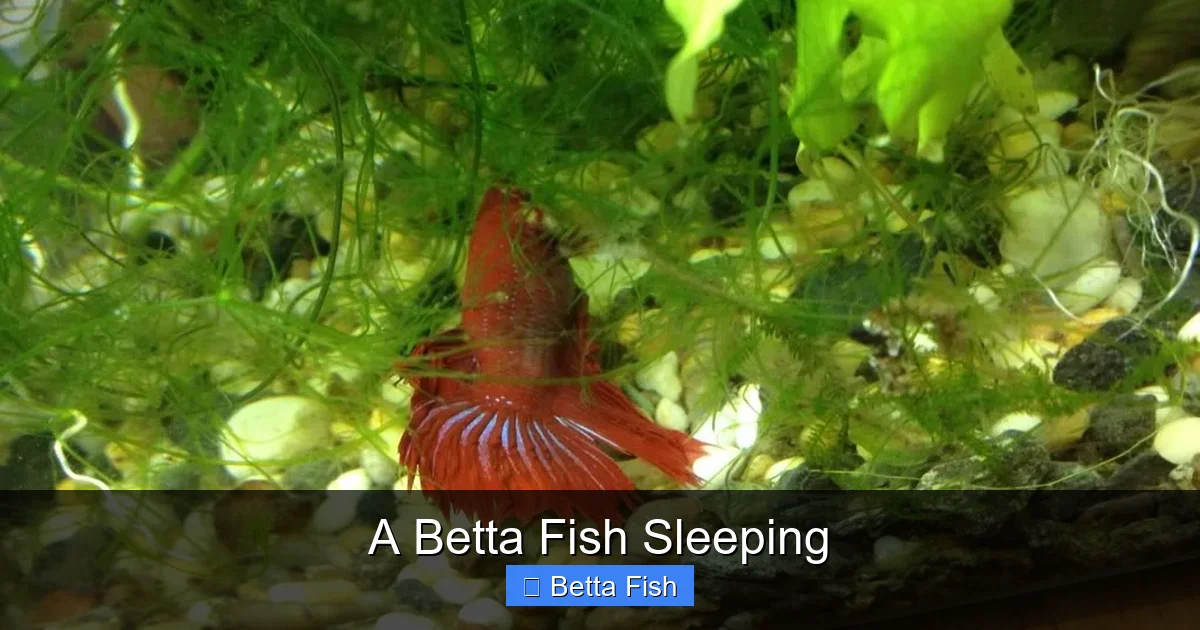
A sleeping betta usually:
Visual guide about A Betta Fish Sleeping
Image source: bettafish.org
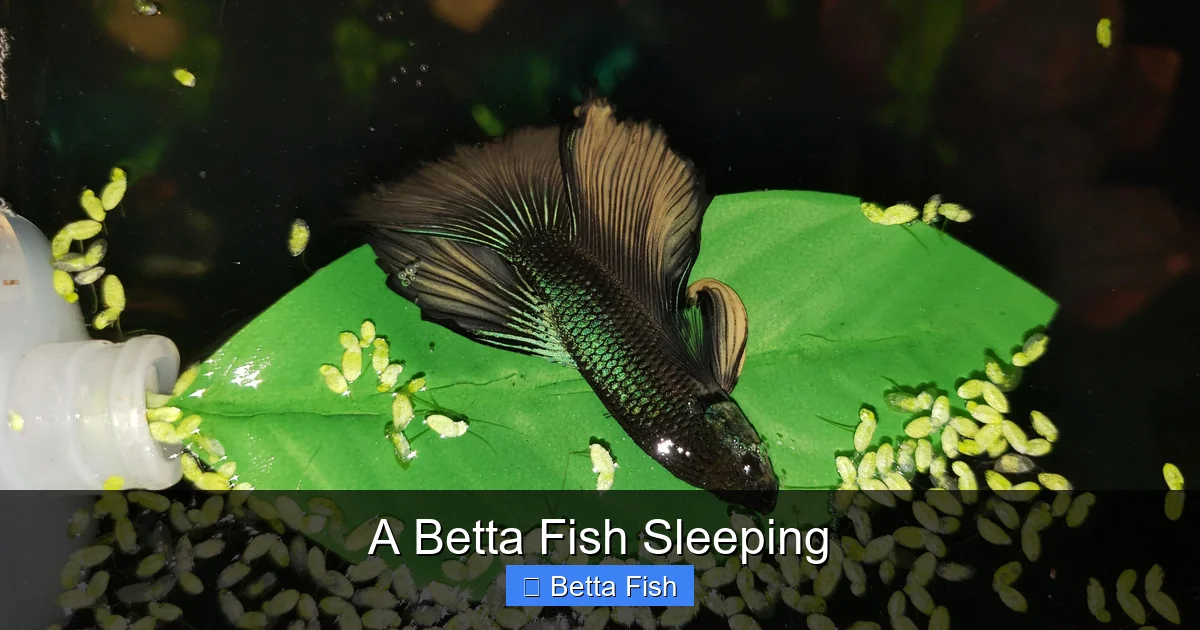
- Floats near the surface or rests on a leaf, plant leaf, or tank decoration.
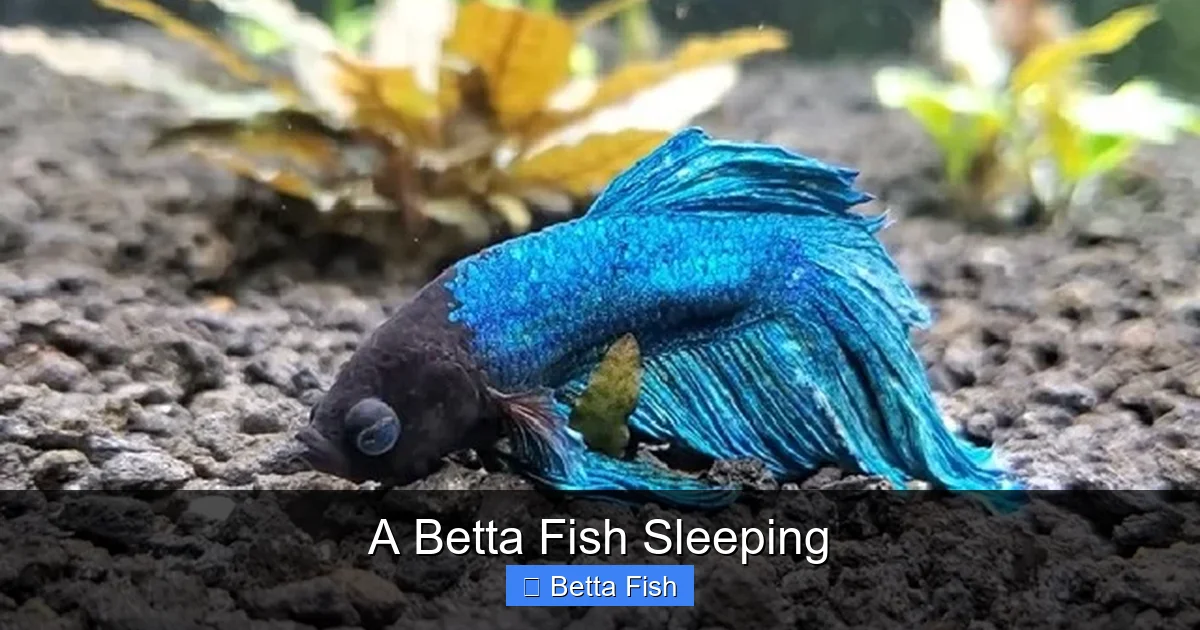
- Holds its fins very still, sometimes drooping slightly.
- Shows slow, rhythmic gill movements—much slower than normal breathing.
- Appears slightly translucent, as the body relaxes.
These signs differ from a sick or dying fish, which might float upside‑down, gasp for air, or show clamped fins. A relaxed posture and gentle breathing are key clues that your betta is simply taking a nap.
How long do they rest?
Betta fish don’t have a single eight‑hour sleep like humans. Instead, they take several short “micro‑sleeps” throughout the day and night. On average, a betta will rest for 4‑6 periods, each lasting 10‑30 minutes. Over a 24‑hour cycle this adds up to roughly 2‑3 hours of total rest.
For more detail on exact timing, see our article on how long does a betta fish sleep. It explains the science behind these brief cycles and why they’re perfectly normal.
2. The Science Behind Betta Rest
Why fish need sleep
Even though fish lack eyelids, they still need periods of reduced activity to restore energy, process waste, and consolidate memory. In bettas, sleep helps regulate hormone levels that control aggression and coloration.
Visual guide about A Betta Fish Sleeping
Image source: i.redd.it
Biological clock (circadian rhythm)
Betta fish have an internal clock that syncs with light cycles. When the aquarium lights dim, melatonin production rises, prompting the fish to slow down. Consistent lighting schedules reinforce this rhythm, making sleep more predictable.
Temperature’s role
Betta fish are tropical and prefer water around 78‑80°F (25‑27°C). If the temperature drops, metabolism slows, and the fish may rest longer to stay warm. Conversely, water that’s too warm can cause restlessness. Learn the ideal range in our guide on what temperature should water be for a betta fish.
3. Creating the Perfect Sleep Environment
Lighting: Dim, not dark
Betta fish benefit from a gentle day/night cycle. Use a timer to provide 10‑12 hours of soft light, then switch off or dim the lights for the rest of the time. A faint moonlight LED can mimic a natural dusk, helping the fish settle without total darkness.
Visual guide about A Betta Fish Sleeping
Image source: animalhype.com
Tank size and décor
A cramped bowl can stress a betta and disrupt rest. Aim for at least a 5‑gallon (19‑liter) tank with vertical space. Add live or silk plants, driftwood, or a small cave where the betta can hide. These “sleep zones” give the fish a sense of security.
Read more about the right tank dimensions in what size tank for a betta fish.
Water quality
Clear, well‑filtered water reduces stress. Perform a partial water change (25‑30%) weekly, and test for ammonia, nitrite, and nitrate levels. Poor water quality can cause a betta to stay alert and skip rest.
Temperature stability
Fluctuations of more than 2°F (1°C) can disturb sleep. Use an aquarium heater with an adjustable thermostat and a reliable thermometer to keep the water steady.
Feeding schedule
Feed your betta 2‑3 times a day, with the last meal at least 3‑4 hours before lights go off. A full stomach can make the fish active longer, while an empty belly may cause it to search for food during rest periods.
4. Common Misconceptions About Betta Sleep
My betta never closes its eyes—does it sleep?
Betta fish don’t have eyelids, so they can’t “close” their eyes. Sleep is identified by stillness and slower gill movement, not eye closure.
Betta fish are always aggressive—can they still relax?
Yes! Even the most territorial male will find a safe spot to rest. Providing hiding places reduces the need for constant vigilance.
Do bettas sleep more in a bowl?
Bowls often lack filtration, stable temperature, and space, leading to stress. A stressed betta may appear to rest less, but the rest is poor quality and can shorten lifespan.
5. How to Tell If Your Betta’s Rest Is Unhealthy
Signs of stress during rest
- Rapid gill movement (hyperventilating)
- Fins clamped tightly to the body
- Floating upside‑down or drifting aimlessly
- Loss of color or faded fins
If you notice any of these, test water parameters immediately and consider a larger tank or better filtration.
When to seek help
Persistent abnormal behavior for more than 24‑48 hours warrants a vet check or consultation with a knowledgeable aquarium store.
6. Practical Tips for Observing and Enhancing Betta Sleep
Set a nightly observation routine
Turn off the main lights, dim a small night lamp, and watch for your betta’s resting spot. Note the time and duration; a simple notebook will help you spot patterns.
Use a sleep‑friendly tank layout
Place a floating leaf or a piece of smooth driftwood near the surface. Betta fish love to perch on these and will often do so when they’re ready to rest.
Adjust feeding times seasonally
During cooler months, bettas may become less active. Slightly reduce feeding frequency to match their lower metabolism, which can improve sleep quality.
Consider a gentle water flow
A low‑speed filter or sponge filter creates a soft current that mimics a natural stream, encouraging the betta to find a calm spot to rest.
Monitor temperature with a reliable heater
Invest in a heater with an automatic shut‑off. Sudden temperature spikes can wake a sleeping betta and cause stress.
Conclusion: Embrace the Quiet Moments
Seeing a betta fish sleeping is a reminder that even the most vibrant, active creatures need time to recharge. By understanding the signs, providing a stable environment, and watching for stress, you’ll help your betta enjoy restful micro‑naps that support its health and vivid coloration. Remember, a well‑rested betta is a happy betta—ready to flare its fins, chase bubbles, and brighten your day.
Frequently Asked Questions
How many hours does a betta fish actually sleep?
Betta fish typically rest for about 2‑3 hours total each day, broken into several short periods rather than one long sleep.
Can I tell if my betta is sleeping by its color?
During rest a betta’s colors may appear slightly dulled, but bright coloration alone isn’t a reliable sleep indicator. Look for stillness and slow gill movement.
Do bettas need a dark room to sleep?
They need a dim environment, not complete darkness. A gentle night light or moonlight LED works well and keeps their circadian rhythm steady.
Will a larger tank improve my betta’s sleep?
Yes. A larger tank provides more space for hiding spots and reduces stress, allowing the betta to settle more comfortably for rest.
Is it normal for a betta to sleep near the water surface?
Absolutely. Many bettas perch on floating leaves or the water’s surface when they rest because it feels safe and gives easy access to oxygen.
What should I do if my betta never seems to rest?
Check water quality, temperature, and lighting schedule. Adjust feeding times and add hiding places. If the problem persists, consult a specialist.