Seeing a betta fish sick can be scary, but fast action saves lives. This guide shows you the common signs, causes, and simple home treatments so you can nurse your finned friend back to health. Follow our step‑by‑step plan and keep your betta thriving.
Key Takeaways
- Spot the signs early: Look for faded colors, ragged fins, unusual swimming, or loss of appetite.
- Check water quality first: Poor parameters are the #1 cause of a betta fish sick condition.
- Isolate the sick betta: A separate quarantine tank prevents disease spread.
- Treat with the right meds: Use antibacterial, antifungal, or antiparasitic meds based on symptoms.
- Feed carefully: Offer easy‑to‑digest foods and consider the guide on how to feed a sick betta fish.
- Prevent future illness: Maintain temperature, clean water, and a balanced diet.
- Know when to get help: If the betta doesn’t improve in 48‑72 hours, consult a vet.
📑 Table of Contents
Introduction: Why a Betta Fish Gets Sick
Betta fish are beautiful, hardy, and surprisingly resilient, but they are not immune to illness. When a betta fish looks sick, owners often feel panic because the little creature can’t tell us what’s wrong. The good news is that most problems have clear signs and simple fixes. By learning how to recognize the early warning lights, you can act fast and give your betta the best chance to recover.
In this article we’ll walk through the most common reasons a betta fish becomes sick, how to diagnose the problem, and step‑by‑step treatment plans you can do at home. We’ll also share prevention tips so you can keep your betta thriving for years.
1. Recognizing the Signs of a Sick Betta
Visible changes in appearance
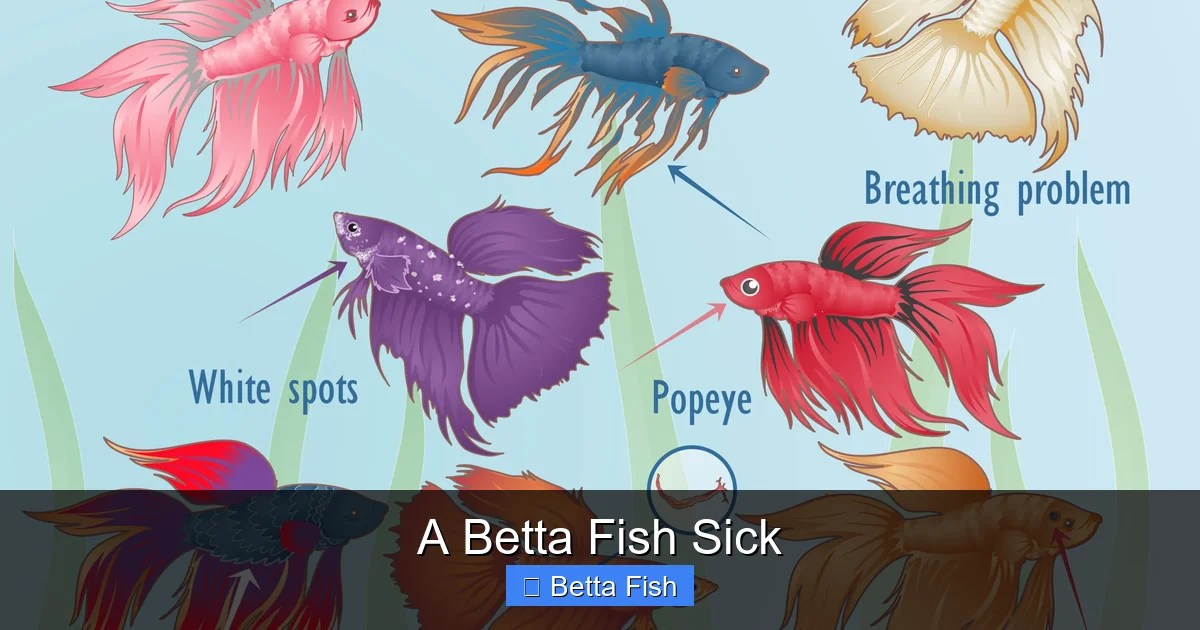
One of the fastest ways to know a betta fish is sick is by watching its colors and fins. A healthy betta flaunts bright, iridescent scales and long, flowing fins. When illness strikes you may notice:
Visual guide about A Betta Fish Sick
Image source: wikihow.com
- Faded or dull coloration
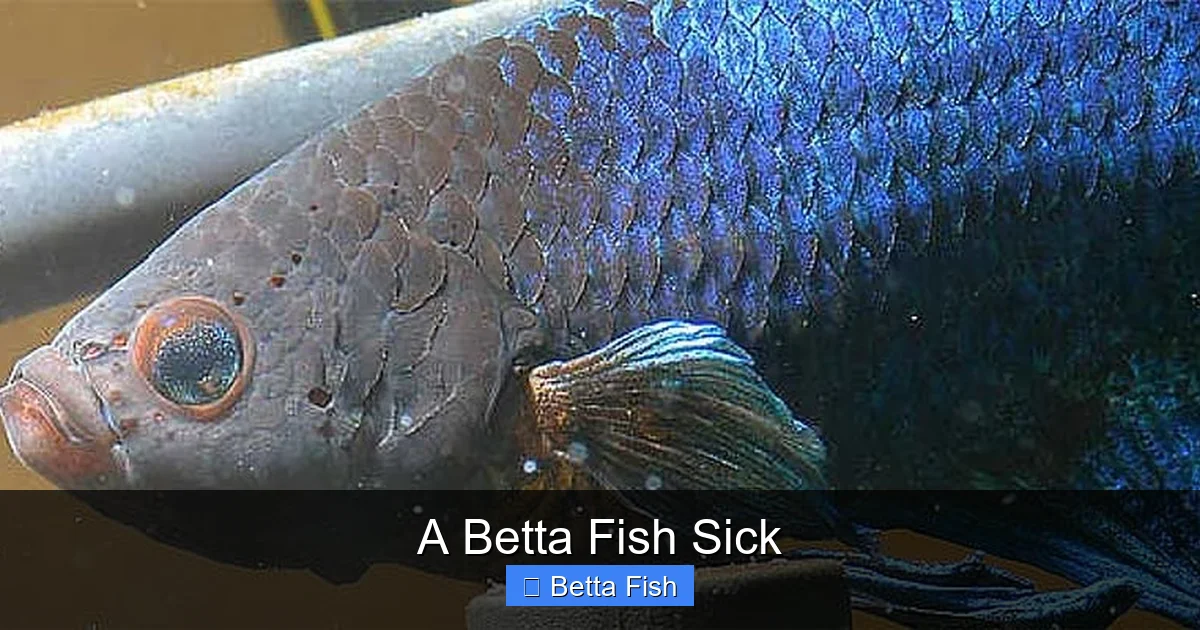
- White or black spots on the body
- Frayed, torn, or clamped fins
- Swollen belly or bloating
- Red streaks or patches (possible fungal growth)
These visual clues are covered in detail at what does a sick betta fish look like, but keeping an eye on daily changes will help you catch trouble early.
Behavioral red flags
Besides looks, a sick betta often changes how it moves or eats. Watch for:
- Lethargic swimming or staying at the bottom
- Rapid, erratic darting (sign of stress or infection)
- Refusal to eat or eating only the surface
- Gasping for air at the water’s surface (possible low oxygen)
- Frequent hiding under decorations
What to check first
When you notice any of these signs, the first step is to test the water. Poor water quality is the leading cause of a betta fish sick condition, so measuring temperature, pH, ammonia, nitrite, and nitrate will often point you in the right direction.
2. Common Causes of Illness
Water quality problems
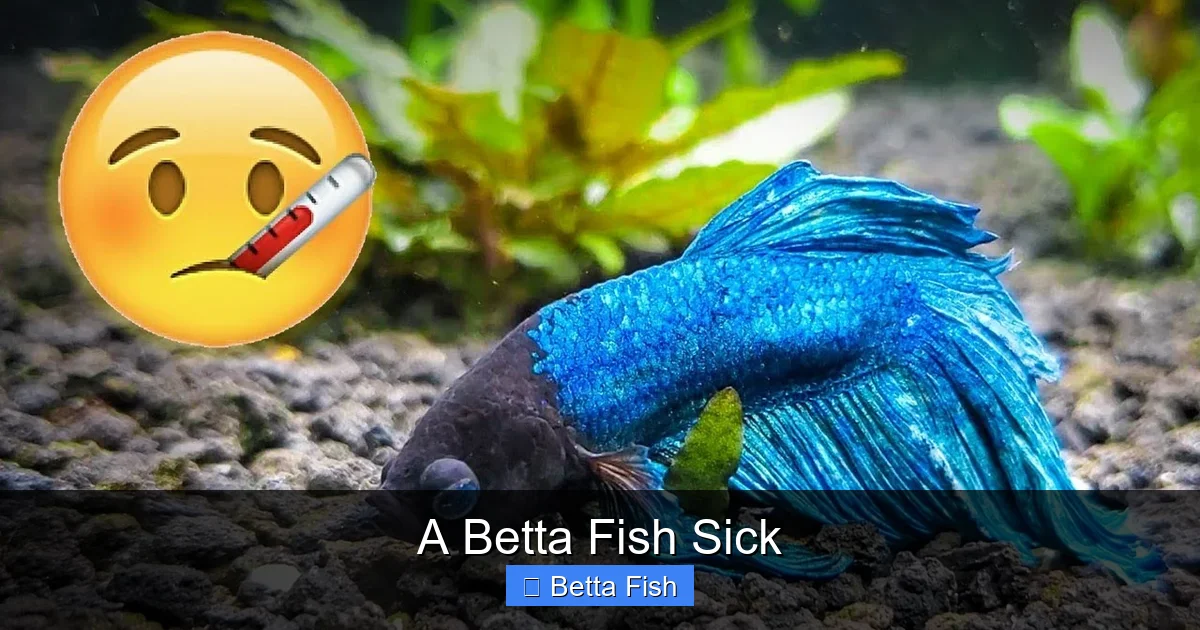
Betta fish are tolerant of a range of conditions, but they still need clean, stable water. High ammonia or nitrite, low temperature, and fluctuating pH can stress the immune system and open the door to bacterial, fungal, or parasitic infections.
Visual guide about A Betta Fish Sick
Image source: i.ytimg.com
Key water parameters for a healthy betta:
- Temperature: 76‑82 °F (24‑28 °C) – see what temperature should a betta fish water be
- pH: 6.5‑7.5
- Ammonia & nitrite: 0 ppm
- Nitrate: under 20 ppm
Overfeeding and poor diet
Feeding too much or giving low‑quality food can cause constipation, swim bladder issues, and bacterial overgrowth. A sick betta often stops eating, which creates a vicious cycle. Offering small, frequent meals of high‑protein pellets or frozen brine shrimp can help restore gut health.
Infections
There are three main types of infections that make a betta fish sick:
- Bacterial: White spots, fin rot, and cloudy eyes.
- Fungal: Cotton‑like growth on fins or body.
- Parasitic: Ich (white spots), flukes, or velvet (golden dust).
Stress factors
Stress weakens the immune system. Common stressors include:
- Incompatible tank mates (betta may be bullied)
- Sudden changes in temperature or lighting
- Small, cramped spaces – a betta needs at least a 2‑gallon tank.
3. Step‑by‑Step Treatment Plan
Step 1: Quarantine the sick betta
Move the fish to a separate, clean 2‑gallon tank with a heater set to the proper temperature. This prevents any disease from spreading to other fish and lets you treat the water without affecting the main display.
Visual guide about A Betta Fish Sick
Image source: bettafish.org
Step 2: Perform a water change
Replace 50‑75 % of the quarantine water with fresh, dechlorinated water that matches the temperature. Use a water conditioner to remove chlorine and chloramines.
Step 3: Identify the problem
Look at the symptoms you recorded. If you see white spots, you’re likely dealing with ich. If fins are ragged and the water smells sour, bacterial infection is probable. Fuzzy white growth points to fungus.
Step 4: Choose the right medication
Most pet stores sell broad‑spectrum betta medications. Follow the label carefully:
- Bacterial infections: Use an antibacterial cure (e.g., Maracyn Two).
- Fungal infections: Apply a fungal treatment like Mardel or a homemade dip of Indian almond leaves.
- Parasites: Treat with a copper‑based medication for ich or a formalin dip for flukes.
Step 5: Adjust feeding
Offer easily digestible foods such as microworms, daphnia, or high‑quality betta pellets. Feed small amounts 2‑3 times a day. For detailed feeding advice, see how to feed a sick betta fish.
Step 6: Monitor and maintain water
Test the water daily for the first week. Keep temperature stable and perform 25 % water changes every 2‑3 days until the fish looks active and the symptoms fade.
Step 7: When to seek professional help
If there’s no improvement after 48‑72 hours, or if the betta becomes lethargic, stops breathing, or loses its ability to maintain buoyancy, consult an aquatic veterinarian. Early professional care can be the difference between recovery and loss.
4. Preventing Future Illness
Maintain optimal water conditions
Regular water changes (20‑30 % weekly) and a reliable filter keep ammonia low. Use a test kit at least once a week to verify parameters.
Provide a proper tank environment
A betta needs space to flare its fins. A minimum of 2‑gallon tank with a gentle filter and a heater is ideal. Adding live plants or silk decorations offers hiding spots and reduces stress.
Feed a balanced diet
Offer a variety of foods: high‑protein pellets, frozen or live brine shrimp, and occasional bloodworms. Avoid overfeeding; a pinch of food twice daily is enough for most adult bettas.
Regular health checks
Spend a few minutes each day observing your betta. Quick visual inspections catch problems before they become serious.
Use preventive treatments wisely
Some hobbyists add a small dose of Indian almond leaf extract to the tank once a month. It has mild antifungal properties and can boost the immune system.
5. Frequently Asked Questions About a Sick Betta
Why is my betta fish not eating?
Loss of appetite often signals stress, poor water quality, or early infection. Check temperature, perform a water change, and try offering a favorite live food.
Can I treat my betta with human medication?
No. Human antibiotics or antifungals can be toxic to fish. Always use medications formulated for aquarium use.
How long does it take for a betta to recover?
Recovery time varies. Mild bacterial infections may clear in 5‑7 days, while parasitic illnesses can take 2‑3 weeks with proper treatment.
Is it safe to keep other fish with a sick betta?
It’s best to quarantine the sick betta. Some diseases are highly contagious, and a stressed betta may become aggressive toward tank mates.
What temperature should I keep the quarantine tank at?
Maintain the same temperature as the main tank, usually between 76‑82 °F. Consistency helps the immune system function properly.
Can I use tap water directly?
Never. Tap water contains chlorine and chloramines that are harmful to bettas. Always treat it with a water conditioner before adding it to the tank.
Conclusion: Caring for a Sick Betta Is Manageable
A betta fish sick can be a stressful situation, but with careful observation, clean water, and the right treatment, most problems are reversible. Remember to act quickly, isolate the fish, and follow a simple step‑by‑step plan. By keeping the environment stable and feeding a balanced diet, you’ll give your betta the best chance to bounce back and enjoy many vibrant, healthy years.
Frequently Asked Questions
How do I know if my betta fish is dying?
Signs include loss of color, floating upside down, gasping at the surface, and refusing to eat for several days. If these appear, act immediately and consider veterinary help.
What is the best tank size for a betta fish?
At least 2 gallons is recommended; larger tanks provide more stable water parameters and space for enrichment.
Can a betta live with other fish while sick?
It’s safest to keep the sick betta in quarantine. Some diseases spread quickly, and a stressed betta may become aggressive.
Why does my betta make a bubble nest when it’s sick?
Bubble nesting is a natural breeding behavior, not a sign of illness. However, a sick betta may stop building nests, which can indicate stress.
How often should I change the water for a sick betta?
During treatment, change 25‑30 % of the water every 2‑3 days to keep parameters stable and remove pathogens.
Do bettas need a heater?
Yes. Betta fish are tropical and need a stable temperature between 76‑82 °F to stay healthy.


