How Long Does a Betta Fish Sleep
Betta fish typically rest 8‑12 hours a day, but their sleep pattern looks different from mammals. Understanding their unique rest habits helps you create a calm environment, spot health issues early, and keep your betta thriving.
Key Takeaways
- Typical sleep duration: Betta fish usually rest between 8 and 12 hours each 24‑hour cycle.
- Sleep looks like stillness: They often hover near the surface or hide under décor, appearing motionless.
- Light cycles matter: Consistent day/night lighting cues promote regular rest periods.
- Tank conditions affect sleep: Noise, temperature spikes, and aggressive tank mates can disturb rest.
- Signs of poor sleep: Excessive floating, faded colors, or erratic swimming may signal stress.
- Improving sleep: Use dimming lights, add plants, and keep a stable temperature to encourage natural rest.
- Monitoring sleep: Simple observation logs help you track patterns and catch health issues early.
📑 Table of Contents
- Introduction: Why Betta Sleep Matters
- 1. The Biology of Betta Rest
- 2. Recognizing Sleep in Your Betta
- 3. Factors That Influence Sleep Duration
- 4. Creating the Ideal Sleep Environment
- 5. Monitoring Sleep Patterns and Spotting Problems
- 6. Tips for a Well‑Rested Betta – Quick Wins
- Conclusion: Sleep Is the Secret to a Happy Betta
Introduction: Why Betta Sleep Matters
When you first bring home a betta, the bright fins and bold personality steal the show. But like any pet, a betta needs quality rest to stay healthy. You might wonder, “how long does a betta fish sleep?” The answer isn’t a simple number of hours like a dog or cat, because fish sleep looks different. Understanding these quiet moments helps you spot problems early, keep your tank stable, and enjoy a vibrant, active betta.
In this guide we’ll break down the science of betta sleep, describe what rest looks like, and give you practical steps to create the perfect sleep‑friendly environment. By the end, you’ll know exactly how long your betta should be resting each day and how to make those hours as restorative as possible.
1. The Biology of Betta Rest
What Does “Sleep” Mean for a Fish?
Fish don’t have eyelids, so they can’t close their eyes. Instead, they enter a low‑activity state where brain waves slow, metabolism drops, and the body conserves energy. For bettas, this state often includes floating near the surface, hiding under a leaf, or simply staying very still.

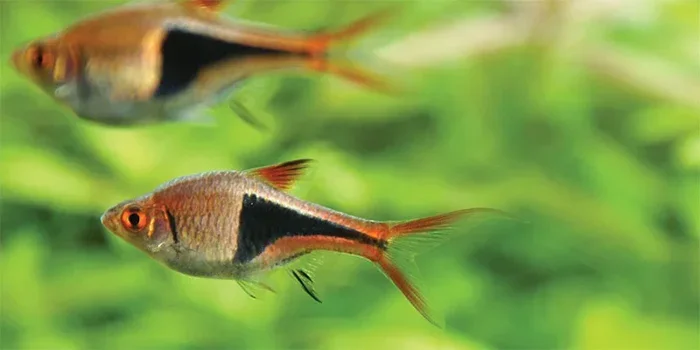
Visual guide about How Long Does a Betta Fish Sleep
Image source: aquariumsphere.com
Typical Rest Length for Betta Fish
Research on ornamental fish, including bettas, shows an average rest period of 8‑12 hours per 24‑hour cycle. This range is flexible; younger fish may rest a bit longer, while active adults can be on the shorter side of the spectrum.
How Rest Differs From Regular Resting
It’s easy to mistake a calm betta for a sleeping one. True sleep involves reduced response to stimuli. Gently tap the glass: a sleeping betta may not react, while a resting but alert fish will dart away.
2. Recognizing Sleep in Your Betta
Physical Signs
- Stillness: The fish remains motionless for several minutes.
- Reduced Gills Movement: Breathing slows, and the gill covers open less frequently.
- Color Dulling: Bright hues may fade slightly during deep rest.
Behavioral Cues
Betas often choose a “sleep spot.” This could be a leaf, a piece of silk, or the back of a plant. If you notice the same spot being used night after night, you’ve likely found their bedroom.

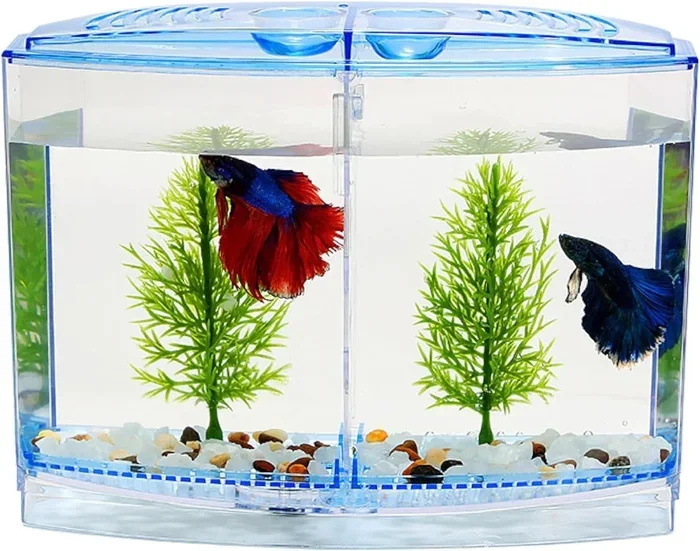
Visual guide about How Long Does a Betta Fish Sleep
Image source: aquariumbuddies.com
Common Misconceptions
Many owners think a betta that is floating at the surface is always sleeping. In reality, surface floating can also indicate low oxygen or illness. Always pair observation with water quality checks.
3. Factors That Influence Sleep Duration
Light Cycles
Betta fish are diurnal—they are most active during daylight. Providing a consistent 10‑12 hour light period followed by darkness encourages a natural sleep schedule. Use a timer to avoid accidental “midnight parties.”
Water Temperature
Optimal temperature for bettas is 76‑82°F (24‑28°C). Temperatures that are too low can slow metabolism, leading to longer, deeper sleep, while spikes can cause restlessness.
Tank Size and Layout
A cramped tank with too many decorations can limit hiding spots, forcing the betta to stay alert. A spacious tank with a few plants or silk leaves gives a safe area to rest.
Noise and Vibration
Even subtle vibrations from a nearby speaker or heavy foot traffic can disturb a sleeping betta. Place the tank on a stable surface away from high‑traffic zones.
Companion Fish
Betas are territorial. If you keep them with aggressive tank mates, they may stay on guard, reducing sleep time. If you must share the tank, choose peaceful species like small tetras or rasboras.
4. Creating the Ideal Sleep Environment
Lighting Solutions
Invest in a programmable LED system. Set it to a gradual dim over 30 minutes before “night” to mimic sunset. This cue signals the betta that it’s time to settle down.
Adding Resting Spots
- Live Plants: Java fern or Anubias provide natural cover.
- Silk Leaves: Soft and safe, they mimic floating foliage.
- Caves and Logs: Small ceramic caves give a dark nook for privacy.
Temperature Stability
Use a reliable heater with an automatic shut‑off and a digital thermometer. Check the temperature twice daily, especially after water changes.
Noise Management
Place the aquarium on a sturdy stand, use a rubber mat underneath, and keep electronics at least a foot away. Soft background music is fine, but avoid bass-heavy tracks.
Routine Water Maintenance
Weekly 25‑30% water changes keep ammonia and nitrite low, which reduces stress and promotes better sleep.
5. Monitoring Sleep Patterns and Spotting Problems
Keeping a Simple Log
Write down the time you notice your betta becoming still, and when it becomes active again. After a week you’ll see a pattern that tells you if the fish is getting enough rest.
Red Flags for Poor Sleep
- Constant floating at the surface for hours.
- Faded colors that don’t return after lights turn on.
- Rapid, frantic swimming during “night” hours.
- Loss of appetite in the morning.
When to Intervene
If any red flag persists for more than two days, test water parameters (ammonia, nitrite, pH). Adjust temperature, improve filtration, or consider a quarantine if disease is suspected.
Professional Help
Veterinary specialists in aquatic animals can diagnose hidden issues like internal parasites or organ disease that affect sleep.
6. Tips for a Well‑Rested Betta – Quick Wins
Tip #1: Use a Timer
Set lights on a 12‑hour on/12‑hour off schedule. Consistency beats occasional “late night” lighting.
Tip #2: Add One Silk Leaf
Even a single leaf gives a sense of security and often becomes the betta’s favorite nap spot.
Tip #3: Check the Heater
Make sure the heater isn’t cycling on and off too often; a stable temperature equals stable sleep.
Tip #4: Reduce Feeding at Night
Feed during the light period only. A full stomach can keep a betta active when it should be winding down.
Tip #5: Observe and Adjust
Watch for changes after each adjustment. Small tweaks can make a big difference in sleep quality.
Conclusion: Sleep Is the Secret to a Happy Betta
Knowing how long does a betta fish sleep is only half the story. The real magic lies in creating a calm, consistent environment that lets your betta enjoy those 8‑12 hours of restorative rest. By watching for the subtle signs of sleep, managing light, temperature, and tank décor, you give your finned friend the best chance to thrive.
Remember, a well‑rested betta shows brighter colors, more confident swimming, and a healthier appetite. Keep a simple log, make one small improvement at a time, and you’ll soon notice the difference. Happy fish keeping!
Frequently Asked Questions
How many hours should a betta fish sleep each day?
Betta fish typically rest between 8 and 12 hours in a 24‑hour period, depending on age, temperature, and tank conditions.
Do bettas close their eyes when they sleep?
No. Betta fish lack eyelids, so they appear to “sleep” by staying still, often near the surface or hiding under décor.
Can I use a night light in the aquarium?
A dim red or blue night light is fine if it’s very low intensity. It won’t disturb the betta’s natural rest cycle.
What should I do if my betta is not sleeping enough?
Check the light schedule, temperature, and water quality. Add hiding spots and reduce noise to create a more soothing environment.
Is it normal for a betta to float motionless during the day?
Occasional brief stillness is normal, but if the fish remains motionless for long periods during the day, test water parameters for stress or illness.
How can I tell if my betta is sleeping versus being sick?
During true sleep, the betta will respond slowly to gentle taps and resume normal activity when lights come on. Sick fish often show rapid breathing, clamped fins, or loss of appetite.