Where to Buy the Best Betta Fish
Finding the best betta fish means prioritizing quality and health over convenience and price. Your best sources are specialized, reputable breeders and dedicated local fish stores that prioritize proper husbandry. Always inspect the fish for signs of vitality and disease, and never purchase from stores housing bettas in tiny, dirty cups. A healthy start is the single most important factor for your new betta’s long-term lifespan and coloration.
So, you’ve decided to welcome a betta fish into your home. You’ve researched tank setup, water parameters, and diet. You’re ready to create a stunning, healthy environment. But there’s one critical step that can make or break the entire experience before you even bring the fish home: knowing where to buy the best betta fish. The source of your betta is everything. A poorly sourced betta, already weakened by stress and disease, will have an uphill battle to thrive, no matter how perfect your aquarium is. Conversely, starting with a vibrant, genetically strong, and healthy specimen from a reputable source sets the stage for years of brilliant color, fascinating behavior, and relatively low stress. This guide will walk you through every option, from the pitfalls to avoid to the gold-standard sources, arming you with the knowledge to find your perfect aquatic companion.
Key Takeaways
- Reputable Breeders Are the Gold Standard: They offer genetically superior, healthy bettas with documented lineage, often specializing in specific color or fin types.
- Specialty Fish Stores Trump Big-Box Retailers: Local shops with knowledgeable staff and well-maintained display systems provide healthier fish and better advice than general pet stores.
- Learn the Health Checklist: Know how to spot a vibrant betta—clear eyes, undamaged fins, active swimming, and no signs of fungal growth or clamped fins.
- Avoid the “Cup of Death”: Never buy a betta from a store that keeps them in small, filthy containers with poor water quality; this is a direct predictor of poor health.
- Quarantine is Non-Negotiable: Always quarantine a new betta for 2-4 weeks in a separate tank to protect your existing aquarium inhabitants from potential diseases.
- Ask the Right Questions: Inquire about the fish’s age, last water change, feeding regimen, and lineage. A seller who can’t answer is a red flag.
- Online Requires Diligence: If buying online, research the breeder/seller extensively, understand shipping policies, live-arrival guarantees, and look for a strong community reputation.
📑 Table of Contents
- Why Your Betta’s Source Matters More Than You Think
- The Gold Standard: Reputable Betta Breeders
- The Excellent Middle Ground: Specialty Local Fish Stores
- What to Avoid: Major Red Flags and Problem Sources
- The Hands-On Test: How to Evaluate a Betta’s Health
- Bringing Your Best Betta Home: The Final Steps
- Conclusion: Your Journey Starts with a Single, Healthy Fish
Why Your Betta’s Source Matters More Than You Think
It’s tempting to swing by the local big-box pet store on a whim. They’re convenient, and the bettas are cheap. But that low price tag often comes with a hidden, hefty cost: the fish’s health and genetic potential. Bettas sourced from large-scale commercial distributors are frequently the product of mass breeding operations where quantity trumps quality. These fish endure long, stressful transport in tiny bags, are often underfed, and are housed in appalling conditions at the retail level—the infamous “cup of death.”
The Domino Effect of a Poor Start
A betta purchased from such a source is often already compromised. Chronic stress suppresses the immune system, making the fish susceptible to common ailments like fin rot, velvet disease, or dropsy. Fin-nipping from long, flowing fins in cramped cups is common. Poor genetics can lead to weakened immune systems, deformities, or colors that fade quickly. You’re not just buying a fish; you’re buying its entire health history and genetic blueprint. Starting with a resilient, well-bred betta means you’re starting several steps ahead in the wellness game.
The Ripple Effect of a Great Start
Conversely, a betta from a top-tier source has a robust immune system, strong genetics for color and finnage, and is accustomed to clean water and quality nutrition. This foundation allows it to adapt to your tank more readily, resist disease, display its full, breathtaking beauty, and live its potential lifespan of 3-5 years (or more!). The investment in a quality source pays dividends in vibrancy, hardiness, and your overall enjoyment.
The Gold Standard: Reputable Betta Breeders
For the discerning betta enthusiast seeking the absolute best betta fish, dedicated breeders are the undisputed champions. These are not mass producers; they are passionate hobbyists and small-scale professionals who treat betta breeding as an art and a science.

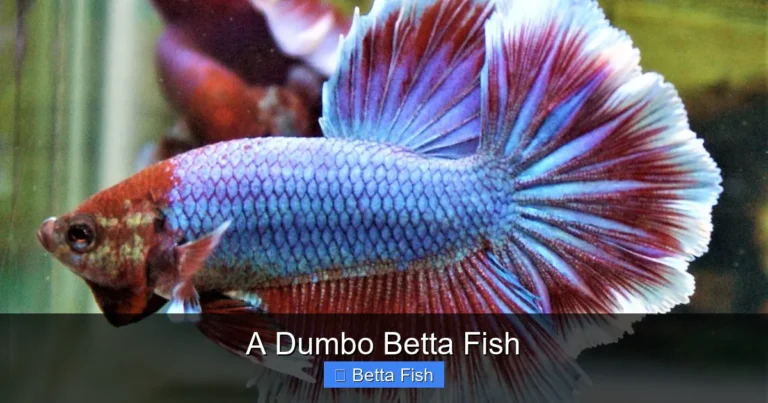
Visual guide about Where to Buy the Best Betta Fish
Image source: yinzbuy.com
What Defines a Reputable Breeder?
Reputable breeders are transparent, educated, and deeply invested in the health and genetics of every fish they produce. They typically:
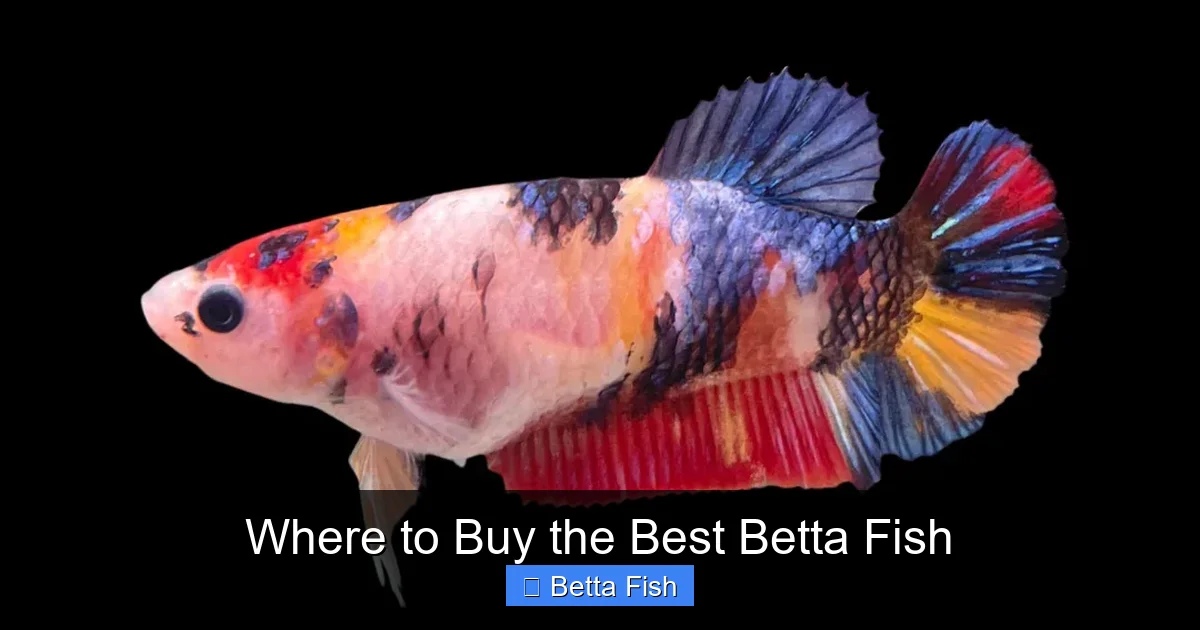
- Specialize: Many focus on specific varieties (e.g., Halfmoon Plakat, Dumbo Ear, specific color lines like Koi or Nemo) to perfect those traits.
- Prioritize Health: They maintain pristine, dedicated breeding setups. Water quality is immaculate. Fry are raised on high-quality, varied diets from the start.
- Practice Selective Breeding: They carefully choose breeding pairs based on health, temperament, conformation, and color to improve the line with each generation, not just to produce quantity.
- Offer Lineage & History: They can tell you about the fish’s parents, grandparents, and any notable achievements in shows. They often provide photos and videos of the parents.
- Sell Direct or via Trusted Vendors: Many sell directly from their facilities or through a very small, trusted network of online vendors who share their high standards.
How to Find and Vet a Breeder
Finding these breeders requires some legwork, but it’s worth it. Search for terms like “betta breeder USA” or “import bettas Thailand” (Thailand is the global epicenter for elite betta breeding). Dive into online forums like Reddit’s r/bettafish or dedicated betta community groups. Here, you’ll find breeder reviews, photos, and honest feedback.
When you find a potential breeder, scrutinize their website and social media. Do they show their fish in clean, well-set-up tanks? Do they provide detailed information? Are they willing to answer questions? A good breeder will be enthusiastic about their fish and want to ensure they go to good homes. Be prepared for a waiting list for the most sought-after specimens. The patience is part of the process of acquiring something truly special.
The Excellent Middle Ground: Specialty Local Fish Stores
Not everyone wants to wait months for a fish from a breeder, and that’s where an outstanding local fish store (LFS) comes in. The key word is specialty. We’re not talking about the betta section in a general pet superstore.
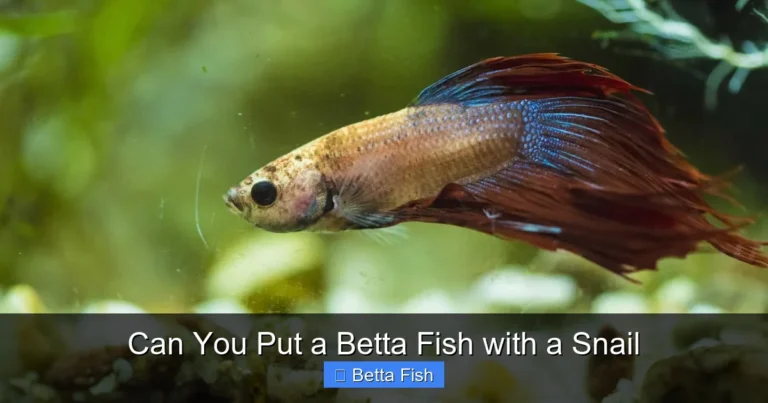
Visual guide about Where to Buy the Best Betta Fish
Image source: thailandbettafish.com
What Makes a Fish Store “Specialty”?
A great LFS is a haven for aquarists. Look for these hallmarks:
- Knowledgeable, Passionate Staff: The employees are hobbyists themselves. They can discuss cycling, parameters, and betta-specific care. They know the difference between a Veil Tail and a Rosetail.
- Clean, Well-Maintained Systems: The entire store smells clean, not like ammonia. Tanks are algae-free, water is clear, and fish are active. Bettas are often kept in individual, heated, filtered containers or a divided community system with pristine water.
- Quarantine Practices: Ask them! A good store quarantines all new arrivals for at least 30 days to observe for disease before they hit the sales floor.
- Sourcing Transparency: They should know where their bettas come from—often a network of reputable regional breeders or trusted importers. They can often tell you the approximate age.
- No Overcrowding: Bettas are given adequate space. You won’t see dozens crammed into a single small container.
Building a Relationship
Frequenting a good LFS has huge benefits. They become a resource. You can bring in photos of a sick fish for advice. They might hold a specific fish for you. They often have access to a rotating stock of high-quality bettas from various sources, giving you more options than a single breeder. Supporting these local businesses also supports the local aquarium hobby ecosystem.
What to Avoid: Major Red Flags and Problem Sources
Knowing what to avoid is just as important as knowing where to shop. Here are the sources and signs that should trigger an immediate “no.”

Visual guide about Where to Buy the Best Betta Fish
Image source: facts.net
The Infamous “Cup of Death” Display
This is the most common and egregious offense. Bettas are being sold in small, sealed plastic cups or bowls, often stacked in a dimly lit, dirty rack. The water is cloudy, filled with feces and debris. The fish are listless, with torn, ragged fins (often from boredom or stress-induced biting), pale colors, and fungal growth on wounds. This is a guaranteed source of sick, stressed, and genetically poor bettas. No amount of quarantine can fully undo the damage done here. Walk away.
Big-Box Pet Stores with Generic Stock
While some larger chains have improved their fish care in recent years, the vast majority still source from massive wholesale distributors. The bettas are almost always young (sometimes only a few months old), of unknown and often poor genetics, and have endured a long, stressful supply chain. They are typically housed in the aforementioned cups. The staff is rarely trained in specific fish care. You are buying a lottery ticket with a very low chance of a healthy, long-term fish.
Online Marketplaces with No Vetting
Platforms like eBay, Facebook Marketplace, or general “live animal” sites are a minefield. While some legitimate breeders sell there, they are vastly outnumbered by sellers with no accountability. You cannot inspect the fish beforehand. Shipping is a major stressor and risk. Guarantees are often nonexistent or difficult to claim. If you go this route, you must be a detective—demand recent, clear videos of the actual fish in a clean tank, research the seller’s history obsessively, and understand that you are assuming a high risk.
The Hands-On Test: How to Evaluate a Betta’s Health
No matter where you go, you must become your own betta health inspector. This 60-second evaluation is critical.
The Visual Inspection Checklist
When you approach the tank or cup, observe the fish. Use this mental checklist:
- Activity & Demeanor: Is it alert and swimming purposefully? A healthy betta is curious, flaring at its reflection or your finger. Is it lethargic, hovering at the top gasping, or lying on the bottom? Lethargy is a major red flag.
- Eyes: They should be clear, bright, and protruding normally. Cloudy, white, or sunken eyes indicate disease (like pop-eye) or severe malnutrition.
- Fins: They should be whole, undamaged, and held erect (for long-finned varieties) or crisp (for Plakats). Look for tears, blackened edges (fin rot), white fuzzy spots (fungus), or clamped fins held tightly against the body (a sign of severe stress or illness).
- Body: The body should be smooth, torpedo-shaped, and free of lumps, sores, or raised scales (a sign of dropsy). It should not be emaciated or “bumpy.”
- Gills & Operculum: The gill covers should move evenly. Check for heavy, rapid breathing (indicating poor water quality or disease) or redness/inflammation inside the gill area.
- Color: While some varieties are naturally paler, the color should be vibrant and even, not faded, blotchy, or covered in a dusty appearance (sign of velvet disease).
- Environment: Is the water in the cup/tank clean? Is there debris? Is the temperature appropriate (bettas need warmth)? A dirty environment means the fish is living in its own waste, a constant stressor.
Ask Direct Questions
Don’t be shy. Ask the staff or breeder:
- “When did this fish arrive?” (Ideal answer: within the last 1-2 weeks from a known source, not months ago).
- “When was the last water change?” (They should have a routine).
- “What are you feeding them?” (High-quality pellets, frozen or live foods like daphnia or brine shrimp are good signs).
- For breeders: “Can I see the parents?” or “What’s the lineage?”
Their willingness and ability to answer confidently is a huge indicator of their professionalism and the fish’s background.
Bringing Your Best Betta Home: The Final Steps
You’ve found your fish, passed the health inspection, and asked your questions. Now, the critical final phase begins.
The Mandatory Quarantine Period
This cannot be stressed enough. Never, ever directly introduce a new betta to an established aquarium. Always set up a simple, bare quarantine tank (5-10 gallons is perfect) with a heater, sponge filter, and hiding spot. Acclimate your new betta to this tank’s water using the drip method. Observe it closely for a minimum of 2 weeks, but ideally 4 weeks, for any signs of disease (fin rot, ich, velvet, etc.). This protects your entire investment in your main tank’s ecosystem and its inhabitants. If the betta shows any symptoms during quarantine, you can treat it in isolation without risking other fish.
The Acclimation Process
When you get the fish home, do not simply dump it in. The drip acclimation method is the safest way to equalize water parameters (temperature, pH, hardness) over 1-2 hours. Float the sealed bag in the quarantine tank to equalize temperature first. Then, slowly siphon water from the quarantine tank into the bag using airline tubing, creating a drip. After an hour or two, gently net the betta from the bag and place it in the quarantine tank. Discard the bag water—do not add it to your tank.
Patience and Observation
For the first few days in quarantine, offer high-quality food and observe. A good betta will start to explore, flare, and eat readily within 24-48 hours. If it remains listless, hiding, or not eating, be prepared to diagnose and treat potential issues. Once the quarantine period is complete and the fish is vibrant and healthy, you can then acclimate it to its permanent display tank using the same drip method. This careful, patient approach is the hallmark of a responsible betta keeper who has invested in the best betta fish they could find.
Conclusion: Your Journey Starts with a Single, Healthy Fish
The quest for the best betta fish is not about finding the flashiest, most expensive fish on the internet. It’s about making an informed, ethical choice that prioritizes animal welfare and long-term success. It’s about supporting breeders and shops who share a passion for these magnificent creatures and treat them with the respect they deserve. By avoiding the convenience of the cup-of-death display and instead seeking out knowledgeable breeders or dedicated local fish stores, you are making a vote for quality. You are investing in a companion that will reward you with dazzling colors, a feisty personality, and the deep satisfaction of knowing you gave it the best possible start. Take your time, do your research, learn to read a fish’s health, and commit to quarantine. The perfect, healthy betta is out there waiting for you. Now you know exactly where to look.
Frequently Asked Questions
Is it okay to buy a betta from a large pet store if it looks healthy?
While you might occasionally find a resilient individual, purchasing from stores that house bettas in small cups supports a supply chain with inherently poor welfare standards. These fish have already endured significant stress, which compromises their long-term immune system. You are taking a high risk with their future health and lifespan. The ethical and practical choice is to seek out better sources.
How much should I expect to pay for a truly high-quality betta?
Prices vary dramatically based on variety, color, and breeder reputation. For a healthy, well-bred standard variety (like a good Halfmoon or Plakat) from a reputable US breeder, expect $40-$100+. For rare, show-quality, or imported Thai bettas with exceptional coloration (like Koi or Alien), prices can range from $100 to several hundred dollars. Remember, you are paying for genetics, husbandry, and the breeder’s expertise.
Can I buy bettas online safely?
Yes, but with extreme caution and only from established, highly-reviewed breeders or specialty online retailers with proven live-arrival guarantees. Shipping is stressful and risky. Research the seller’s policies thoroughly. Look for breeders who use insulated boxes, heat/cold packs, and ship via fast, overnight services. Expect to pay a premium for safe shipping. Always be prepared for the possibility of a DOA (dead on arrival) and understand the seller’s claim process before purchasing.
What’s the difference between a male and female betta, and which should I buy?
Males are the classic, long-finned, brilliantly colored bettas most people imagine. They are solitary and must be kept alone (except with specific, carefully chosen tank mates in a large, heavily planted tank). Females are shorter-finned, often slightly less flamboyant in color (though stunning varieties exist), and can sometimes be kept in sororities (groups of females) in large, heavily decorated tanks. For a first-time owner, a male is generally simpler and more display-oriented.
My new betta is hiding and not eating. Is it sick?
Not necessarily. Hiding and refusing food for 1-3 days after arrival is very common due to the immense stress of transport and a new environment. Ensure your water parameters are perfect (ammonia/nitrite = 0, nitrate < 20ppm) and the temperature is 78-80°F. Offer high-quality, varied foods (pellets, frozen daphnia). Give it a few days in a quiet room with hiding spots. If the behavior persists beyond a week or you notice other symptoms (clamped fins, discoloration, rapid breathing), it may indicate an underlying illness.
What should I do if my new betta arrives sick or dies shortly after?
If you bought from a reputable source with a live-arrival guarantee, contact them immediately with photo/video evidence. They should offer a refund or replacement. If you bought from a store, return the fish (if possible) with a clear explanation of the symptoms. Do not release a potentially diseased fish into the wild. For a sick fish that arrives alive, begin a gentle treatment in your quarantine tank—often a broad-spectrum antibacterial like Maracyn or an antiparasitic like API General Cure is a good starting point, but research the specific symptoms first. Reputable sellers will stand by their product; this is a key reason to choose them over anonymous online sellers.