How Ro Save a Betta Fish
Saving a betta fish requires quick action, proper water conditions, and the right treatment plan. Whether your fish is showing signs of illness or stress, knowing what to do can make the difference between life and death. This guide covers the most effective ways to save a betta fish and get your aquatic friend back to full health.
Watching a betta fish struggle is one of the most stressful things a fish owner can experience. You notice the colors fading, the fins clamping, or the fish barely moving. Your first thought is probably, “How do I save a betta fish?” The good news is that many common betta fish problems are fixable if you act quickly and know what to do.
This guide walks you through every step you need to take when your betta fish is in trouble. From water testing to disease treatment, we cover everything you need to bring your fish back to health. Whether you are dealing with a mild case of stress or a serious illness, these tips will help you give your betta the best chance at recovery.
Key Takeaways
- Test your water first: Poor water quality is the number one cause of betta fish problems. Fix the water before anything else.
- Watch for warning signs: Recognizing early symptoms of illness helps you act fast and save a betta fish before it gets worse.
- Use the right treatment: Different diseases need different treatments. Know what your betta fish is dealing with before medicating.
- Keep the environment stable: Temperature, pH, and cleanliness all play a big role in betta fish recovery.
- Prevention is key: Regular maintenance and proper care stop most problems before they start.
📑 Table of Contents
Why Betta Fish Get Sick in the First Place
Understanding why betta fish get sick helps you prevent problems before they start. Most health issues come from a few common causes. Once you know what to look for, you can keep your fish safe and healthy.
Poor Water Quality
The water in your fish tank is the most important factor in betta fish health. Dirty water full of ammonia and nitrites will make any fish sick fast. Even if your tank looks clear, harmful chemicals can build up quickly. This is the top reason why betta fish get sick and die too early.
Bettas need clean, filtered water with zero ammonia and low nitrates. If you skip water changes or overfeed your fish, the water quality drops fast. Testing your water regularly is the easiest way to catch problems early.
Wrong Tank Temperature
Betta fish are tropical fish. They need warm water between 76 and 82 degrees Fahrenheit. Cold water slows their immune system down and makes them vulnerable to disease. If your tank is too cool, your fish will get stressed and eventually fall ill.
Many beginners keep bettas in small bowls without heaters. This is a common mistake. A betta fish without a heater is at serious risk, especially in cooler rooms. Investing in a small aquarium heater can change everything for your fish.
Overcrowding and Stress
Betta fish need space to swim and feel safe. Keeping them in tiny tanks or with aggressive tank mates causes chronic stress. A stressed betta fish has a weak immune system and gets sick more easily. Stress also leads to behavioral problems like fin nipping and hiding.
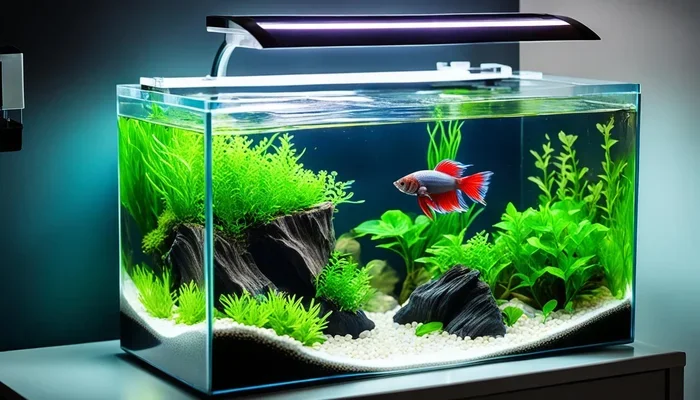
If you want to keep multiple fish, consider a larger tank with peaceful species. A properly set up fish tank for betta fish gives your pet the room and comfort it needs to thrive.
How to Tell If Your Betta Fish Is in Trouble
Knowing the signs of a sick betta fish helps you act fast. The earlier you catch a problem, the better your chances of saving your fish. Here are the most common warning signs to watch for.
Physical Symptoms
- Faded or pale colors: A healthy betta should be vibrant. Dull colors often mean something is wrong.
- Clamped fins: Fins held close to the body signal stress or illness.
- White spots on the body: This is a classic sign of ich, a common parasite.
- Swollen belly: Could indicate constipation or a serious internal infection.
- Red or inflamed gills: Often a sign of bacterial infection or poor water quality.
- Labored breathing: Gasping at the surface or rapid gill movement means oxygen levels are low or the fish is very sick.
Behavioral Changes
Your betta fish behavior tells you a lot about its health. A healthy betta is active and curious. If your fish stops eating, hides constantly, or sits at the bottom of the tank, something is wrong. Lethargy is one of the first signs that your betta needs help.
Some bettas also become aggressive when they are stressed. If your normally calm fish starts flaring at everything, it might be feeling unwell. Paying attention to these small changes can help you catch problems before they become deadly.
Step-by-Step: How to Save a Betta Fish
When your betta fish is sick, you need to act fast. Follow these steps in order to give your fish the best shot at recovery.
Step 1: Test the Water Immediately
Before you do anything else, test your tank water. Use a liquid test kit to check ammonia, nitrite, nitrate, and pH levels. High ammonia is the most dangerous and can kill a fish within hours. If your ammonia is above zero, do a 50 percent water change right away.
Always use dechlorinated water that matches the temperature of your tank. Sudden temperature changes shock your fish and make things worse. A warm betta fish bowl with stable temperature gives your fish a better environment for healing.
Step 2: Quarantine the Sick Fish
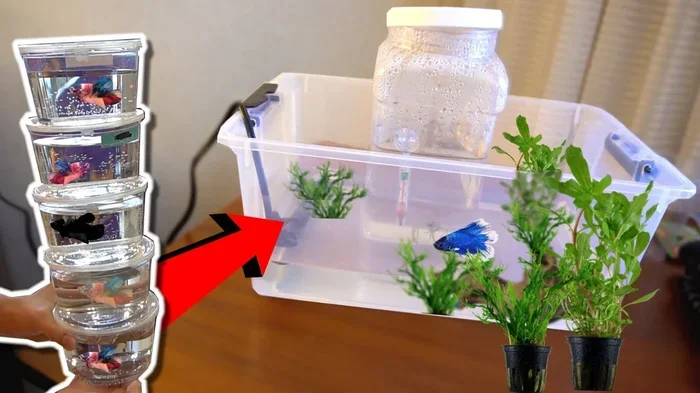
If you have a community tank, move your sick betta to a separate hospital tank. This prevents the spread of disease and reduces stress. A simple 5-gallon tank with a gentle filter works perfectly as a quarantine setup.
Keep the hospital tank clean and warm. Add some hiding spots like silk plants to make your betta feel safe. Treat the water with a water conditioner to remove chlorine and heavy metals before adding your fish back.
Step 3: Identify the Problem
Different diseases need different treatments. Here are the most common betta fish illnesses and how to handle them:
- Ich (White Spot Disease): White salt-like spots on the body and fins. Treat with a medication specifically designed for ich. Learn more about treating ich on a betta fish with the right medication and water changes.
- Fin Rot: Frayed or dissolving fins caused by bacterial infection. Improve water quality and use an antibacterial treatment.
- Fungal Infections: White cotton-like growths on the body. Treat with antifungal medication and keep the water clean.
- Constipation: Swollen belly and lack of appetite. Feed a thawed pea and fast your fish for two days.
- Stress: Clamped fins, hiding, and loss of color. Address the root cause like poor water quality or aggressive tank mates.
If you are unsure what is wrong, take clear photos of your fish and compare them to pictures of common betta diseases. When in doubt, treat for the most likely cause first.
Step 4: Apply the Right Treatment
Once you identify the problem, apply the correct treatment. Follow the dosage instructions on any medication carefully. Overdosing can harm your fish, and underdosing will not cure the infection.
For mild cases, improving water quality alone can often save a betta fish. For more serious conditions, you may need to use medication like API General Cure, Seachem Paraguard, or aquarium salt. Always remove carbon from your filter during treatment, as it absorbs medications and makes them less effective.
Step 5: Monitor and Adjust
After starting treatment, watch your fish closely for signs of improvement. A recovering betta fish should start eating again within a few days and show brighter colors. If there is no improvement after three to five days, reassess your diagnosis and try a different treatment.
Continue regular water changes during treatment. Clean water supports your fish’s immune system and helps medications work better. Patience is key. Full recovery can take one to two weeks depending on the severity of the illness.
Preventing Future Illnesses
The best way to save a betta fish is to prevent problems in the first place. A well-maintained tank with stable conditions keeps your fish healthy and happy. Here is how to set up a prevention routine.
Keep Up with Regular Maintenance
Do partial water changes every week. Replace 25 to 30 percent of the tank water with fresh, dechlorinated water. Vacuum the gravel to remove debris and uneaten food. Clean your filter media in tank water (never tap water) once a month to preserve beneficial bacteria.
How often you clean depends on your tank size and setup. A regular tank cleaning schedule keeps ammonia and nitrite levels at zero and protects your fish from harm.
Feed Properly
Overfeeding is one of the most common mistakes betta owners make. Feed your betta two to three pellets twice a day. Skip one feeding day per week to help prevent constipation and keep the water cleaner.
Variety also matters. Supplement pellets with frozen or live foods like brine shrimp and bloodworms occasionally. This boosts nutrition and makes mealtime more exciting for your fish.
Maintain Stable Water Parameters
Keep your tank temperature steady between 78 and 80 degrees Fahrenheit. Test pH regularly and aim for a range of 6.5 to 7.5. Ammonia and nitrite should always read zero. Nitrates should stay below 20 parts per million.
A stable environment is the foundation of good betta fish care. Small daily checks make a huge difference over time. Your fish will live longer, stay more colorful, and show better behavior when the water is right.
When to Seek Professional Help
Sometimes a betta fish is too sick to recover at home. If your fish stops eating completely, stops moving, or shows rapid physical decline despite treatment, it may be time to consult a veterinarian or experienced fish keeper.
Online forums and communities can also be valuable resources. Many experienced hobbyists have dealt with the same problems and can offer advice. Remember that even with the best care, some illnesses are too advanced to reverse. What matters most is that you tried your best to save your fish.
If you have ever had to save a betta fish from dying, you know how heartbreaking it can be. But every successful recovery teaches you something new. The more you learn about betta fish health, the better prepared you will be for the next challenge.
Final Thoughts on Saving Your Betta Fish
Saving a betta fish is all about acting fast, staying calm, and following the right steps. Start with a water test, identify the problem, apply the correct treatment, and keep the environment clean and stable. Most betta fish can recover from common illnesses if you catch them early and treat them properly.
Prevention is always better than cure. A well-maintained tank, proper feeding habits, and regular water changes keep your betta healthy and vibrant. Your fish depends on you for its well-being, and the effort you put in truly makes a difference.
Use the tips in this guide every time you worry about your betta fish. Share this article with other fish owners who might need help too. Together, we can give every betta fish the happy, healthy life they deserve.
Frequently Asked Questions
How long does it take to save a betta fish from illness?
Most betta fish start showing improvement within three to five days of proper treatment. Full recovery usually takes one to two weeks depending on the severity of the illness and how quickly you started treatment. Consistency with water changes and medication is essential during this period.
Can a dying betta fish be saved?
Yes, in many cases a dying betta fish can be saved if you act quickly. The key is identifying the problem early and treating it correctly. Poor water quality is the most common cause of a dying betta, so fixing the water should always be your first step.
What is the first thing to do when a betta fish looks sick?
The first thing you should do is test the water in your tank. High ammonia or nitrite levels are the most common causes of sudden illness. If the water is bad, do an immediate partial water change and then observe your fish for other symptoms.
Can I use aquarium salt to save my betta fish?
Yes, aquarium salt can help treat mild bacterial infections and external parasites in betta fish. Use it at the recommended dosage and avoid using it in tanks with live plants, as salt can harm them. Always dissolve the salt in tank water before adding it to your aquarium.
Should I separate a sick betta fish from other fish?
Yes, you should always separate a sick betta fish from other fish in the tank. This prevents the spread of disease and reduces stress on the sick fish. A simple quarantine tank with clean, warm water gives your betta the best environment for recovery.
How can I prevent my betta fish from getting sick again?
Keep your water clean with regular changes, maintain stable temperature and pH levels, and avoid overfeeding your fish. A consistent maintenance routine and a well cycled tank go a long way in preventing illness and keeping your betta fish healthy long term.