A Betta Fish Tank Is in the Shape

A betta fish tank is in the shape that best supports your fish’s health, behavior, and décor preferences. Choosing the right form—whether rectangular, bow‑front, or cube—affects water stability, swimming space, and how easy it is to maintain.
Key Takeaways
- Shape influences water flow: Certain shapes promote better circulation and reduce dead spots.
- Size still matters: Even the perfect shape won’t help if the tank is too small for a betta.
- Accessibility is key: Open tops and wide openings make cleaning and feeding easier.
- Decoration flexibility: Some shapes accommodate live plants and ornaments better than others.
- Safety first: Avoid sharp corners and narrow necks that can stress or injure your betta.
- Budget-friendly options: You can find great shapes at various price points.
- Future upgrades: Pick a shape that allows you to expand or add accessories later.
📑 Table of Contents
- Introduction: Why the Shape of a Betta Fish Tank Matters
- 1. The Classic Rectangle: The All‑Rounder
- 2. Bow‑Front Tanks: The Showpiece
- 3. Cube Tanks: Compact Yet Capable
- 4. Specialty Shapes: Pyramid, Hexagon, and More
- 5. Choosing the Right Shape for Your Lifestyle
- 6. Setting Up Your Chosen Shape: Step‑by‑Step
- Conclusion: Shape Your Betta’s World Wisely
Introduction: Why the Shape of a Betta Fish Tank Matters
When you first bring a betta home, the excitement is real. You picture a tiny bowl, a splash of color, and that famous flaring fin. But the truth is, a betta fish tank is in the shape that will determine how happy and long‑lived your fish becomes. The wrong shape can lead to poor water quality, stress, and even early death. The right shape, on the other hand, gives your betta room to explore, makes maintenance a breeze, and lets you showcase its beauty.
In this guide we’ll walk through the most common tank shapes, explain how each one affects your betta’s environment, and give you practical tips for picking, setting up, and caring for the perfect tank. By the end, you’ll know exactly why a betta fish tank is in the shape you choose and how to make that shape work for you.
1. The Classic Rectangle: The All‑Rounder
Why it’s popular
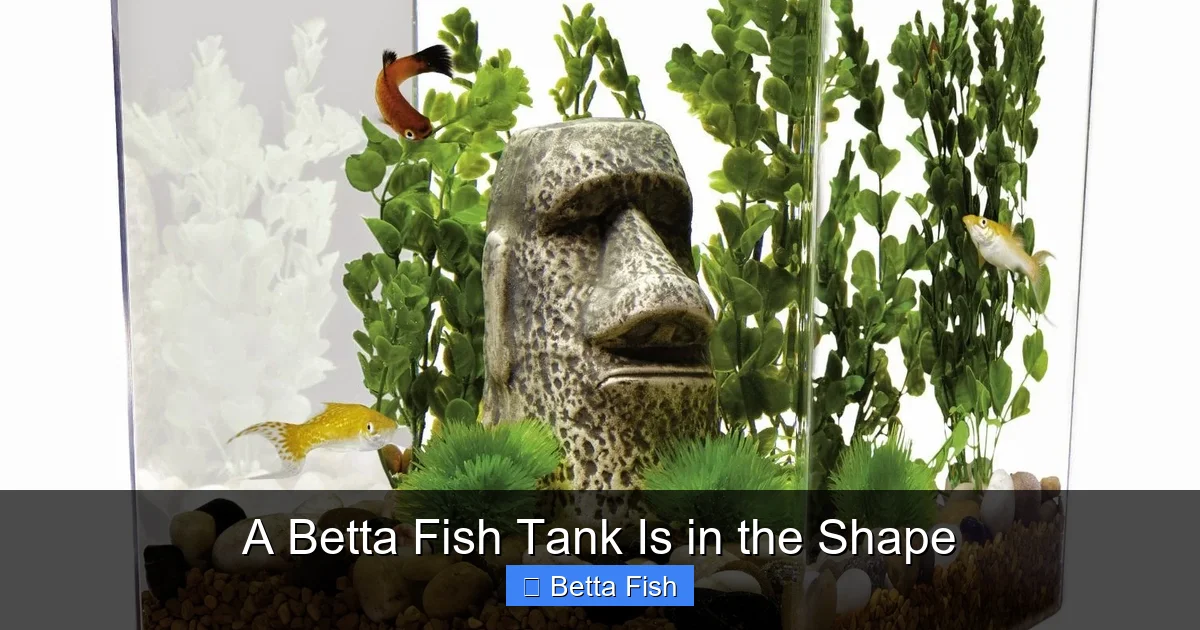
Rectangular tanks dominate the market because they’re easy to find and fit neatly against walls or furniture. When you hear that a betta fish tank is in the shape of a rectangle, think of a long, shallow aquarium that mimics a natural riverbank.
Visual guide about A Betta Fish Tank Is in the Shape
Image source: 3.bp.blogspot.com
Benefits for bettas
- Even water flow: Most filter systems are designed for rectangular units, ensuring consistent circulation.
- Space for plants: You can line the long sides with live or silk plants, giving your betta hiding spots and visual interest.
- Easy maintenance: Cleaning tools reach all corners without awkward angles.
Things to watch out for
Because the tank is longer than it is tall, a betta may spend most of its time near the surface. Keep the water temperature stable (78‑80°F) and use a gentle filter to avoid strong currents that could stress the fish.
For a deeper dive into water care, see our guide on how to change the water in a betta fish tank.
2. Bow‑Front Tanks: The Showpiece
What they look like
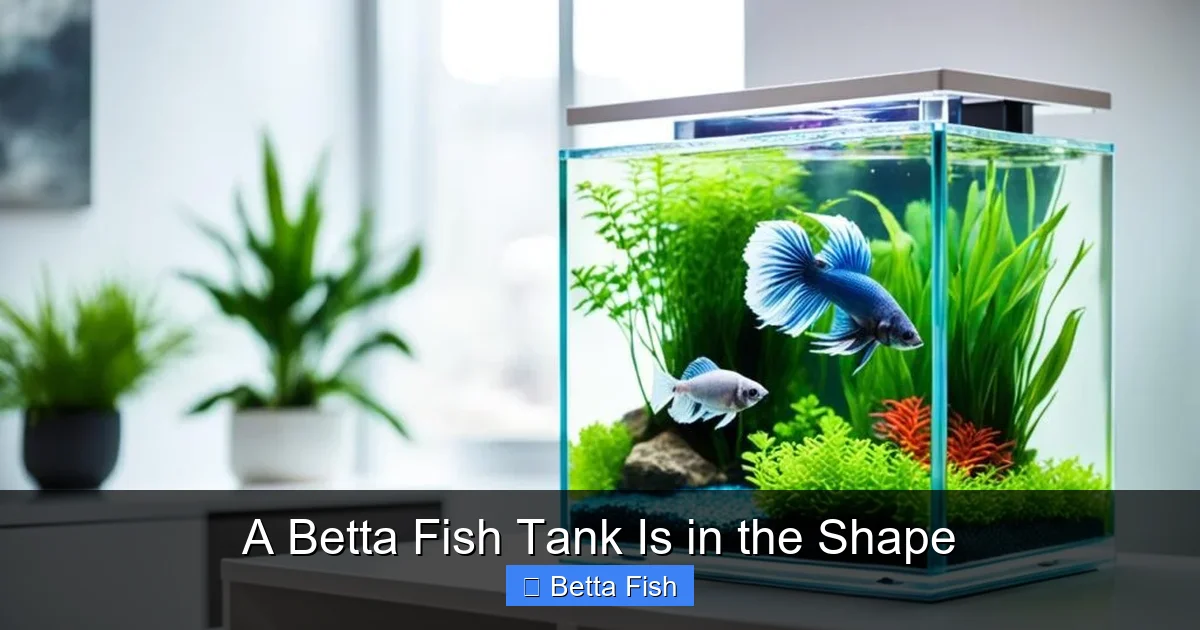
A bow‑front tank curves outward on the front glass, creating a “bulging” effect. When you say a betta fish tank is in the shape of a bow‑front, you’re talking about a design that maximizes viewing area while keeping a compact footprint.
Visual guide about A Betta Fish Tank Is in the Shape
Image source: taildom.com
Why bettas love them
- Wider viewing angle: You can see your betta from multiple sides without moving the tank.
- More surface area: The curved front adds extra water surface, which helps with oxygen exchange.
- Stylish décor: The unique shape makes the tank a focal point in any room.
Potential drawbacks
The curved front can make cleaning a bit trickier, especially if you use a sponge that doesn’t fit the curve. Choose a gentle filter and avoid over‑decorating the front glass.
3. Cube Tanks: Compact Yet Capable
When space is limited
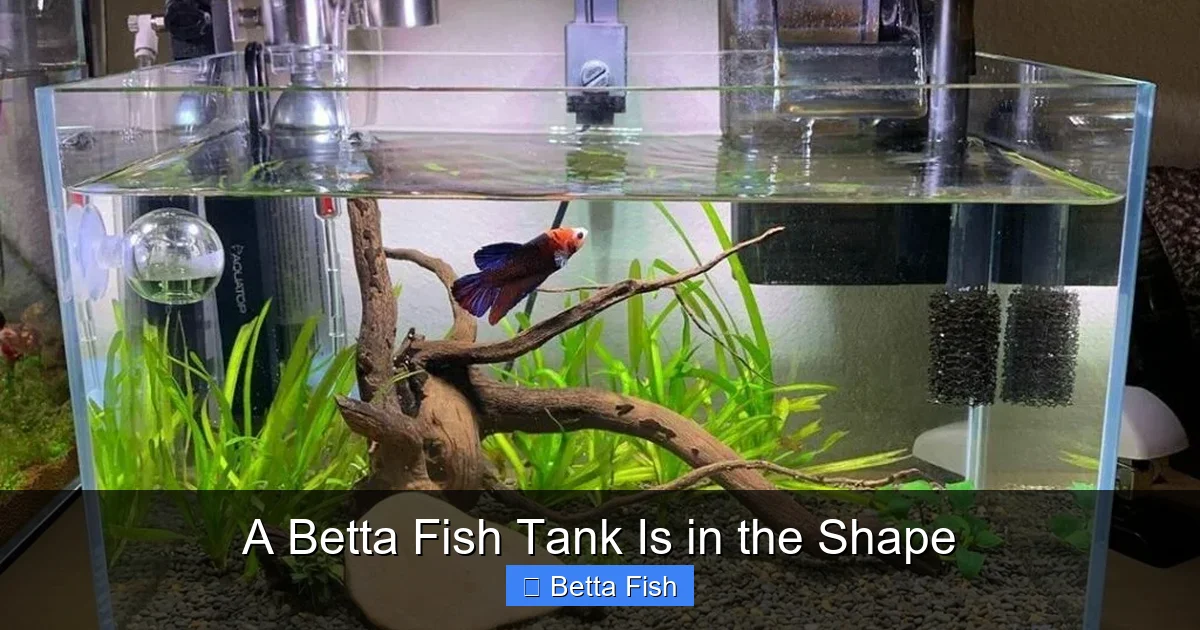
If apartment living forces you to think vertically, a cube tank might be the answer. Saying a betta fish tank is in the shape of a cube means you get equal height, width, and depth—perfect for small corners.
Visual guide about A Betta Fish Tank Is in the Shape
Image source: fishlab.com
Advantages
- Balanced dimensions: Your betta gets vertical swimming space as well as horizontal.
- Stable temperature: Cube tanks hold heat well, reducing temperature fluctuations.
- Easy to cover: A simple lid prevents jumps (betas love to explore the air).
Tips for success
Because the water volume is often lower than a long rectangle, perform weekly water changes and monitor temperature closely. A small, low‑flow filter works best.
4. Specialty Shapes: Pyramid, Hexagon, and More
Creative options
Some hobbyists enjoy novelty shapes—pyramids, hexagons, or even fish‑shaped acrylic tanks. When you hear that a betta fish tank is in the shape of a pyramid, imagine a decorative piece that doubles as a functional aquarium.
Considerations
- Complex cleaning: Angled walls can trap debris.
- Limited capacity: Many specialty tanks hold less water, so regular maintenance is crucial.
- Decoration placement: Use lightweight ornaments to avoid stressing the glass.
Is it worth it?
If you love unique décor and are committed to diligent care, a specialty shape can be a conversation starter. Just remember that the basics—temperature, filtration, and water changes—remain the same.
5. Choosing the Right Shape for Your Lifestyle
Assess your space
Measure the area where you plan to place the tank. A rectangular tank needs length; a cube fits a corner; a bow‑front may need extra depth for the curve.
Think about maintenance
If you’re new to fishkeeping, a simple rectangle or cube is forgiving. Complex shapes demand more time and the right tools.
Budget matters
Rectangular acrylic tanks are often the most affordable. Bow‑front and specialty tanks can cost 30‑50% more due to custom glass work.
Future growth
Even though bettas stay small (about 2‑3 inches), you might want to upgrade later. Choose a shape that can accommodate a larger filter or additional décor without needing a whole new stand.
6. Setting Up Your Chosen Shape: Step‑by‑Step
Gather supplies
- Tank of your chosen shape (5‑10 gallons recommended)
- Filter (gentle sponge or low‑flow hang‑on)
- Heater (maintain 78‑80°F)
- Gravel or sand (smooth, no sharp edges)
- Live or silk plants, hiding spots, and a lid
Installation guide
- Place the tank on a level surface. Use a sturdy stand that can support the weight (water weighs ~8.3 lbs per gallon).
- Rinse substrate. Quickly rinse gravel or sand to remove dust.
- Add substrate. Spread a 1‑2 inch layer; this helps plants root.
- Install heater and filter. Position the heater near the water flow for even heating.
- Fill with conditioned water. Use a water conditioner to neutralize chlorine and chloramines.
- Decorate. Place plants, caves, and a gentle background.
- Cycle the tank. Run the filter for 24‑48 hours; test ammonia, nitrite, and nitrate.
- Introduce your betta. Acclimate slowly by floating the bag in the tank for 15 minutes, then gradually mix tank water into the bag.
For detailed water‑change steps, check out how to change water in a betta fish tank.
Conclusion: Shape Your Betta’s World Wisely
The phrase a betta fish tank is in the shape you choose is more than just a design decision; it’s a commitment to the well‑being of your vibrant companion. Whether you go with a classic rectangle, a sleek bow‑front, a space‑saving cube, or a quirky specialty form, the key is to match the shape to your living space, maintenance comfort, and aesthetic taste. Remember to keep the water stable, provide gentle filtration, and give your betta plenty of hiding spots. With the right shape, your betta will thrive, flaunt its colors, and bring joy for years to come.
Frequently Asked Questions
What shape is best for a beginner betta keeper?
A rectangular or cube tank is ideal for beginners because they are easy to clean, fit most filters, and provide stable water conditions.
Can a bow‑front tank cause stress for a betta?
Not if you use a low‑flow filter and keep the water temperature steady. The extra surface area actually helps with oxygenation.
Do bettas need a heater in any tank shape?
Yes. Betta fish are tropical and require a constant 78‑80°F, regardless of whether the tank is rectangular, cube, or bow‑front.
How often should I change the water in a uniquely shaped tank?
Change 25‑30% of the water weekly. Unique shapes may have hidden corners, so be thorough when siphoning out debris.
Can I put live plants in a cube‑shaped tank?
Absolutely. Choose compact plants like Anubias or Java fern that don’t need a lot of root depth.
Is a lid necessary for all tank shapes?
Yes, bettas love to jump. A secure lid works for rectangular, bow‑front, and cube tanks alike.