Why Is My Betta Fish’s Stomach So Big

Seeing a swollen belly on your betta can be alarming, but it’s often a sign of a treatable issue. This guide explains the most common reasons—overfeeding, constipation, disease, and more—and offers clear, easy-to‑follow tips to help you restore a normal‑sized stomach and a thriving betta.
Key Takeaways
- Overfeeding is the top culprit: Too much food or the wrong type can quickly cause a bulging belly.
- Constipation is common: Lack of fiber or low water temperature can slow digestion.
- Internal parasites or bacterial infections: These often produce swelling and require prompt treatment.
- Water quality matters: Poor parameters stress the gut and worsen swelling.
- Simple diet tweaks can help: Adding peas, reducing portions, and feeding high‑quality pellets work wonders.
- Observe behavior: Changes in swimming, appetite, or buoyancy signal a problem that needs attention.
- Early intervention saves lives: Spotting a big stomach early can prevent serious health decline.
📑 Table of Contents
- Introduction: When Your Betta’s Belly Looks Like a Balloon
- 1. Overfeeding: The Easy Mistake That Leads to a Big Belly
- 2. Constipation: When the Gut Gets Stuck
- 3. Internal Parasites and Bacterial Infections
- 4. Poor Water Quality: The Silent Stressor
- 5. Underlying Health Issues: Tumors, Organ Failure, and More
- 6. Preventive Tips: Keeping the Belly Flat and Healthy
- Conclusion: A Bigger Belly Isn’t Always Bad, but It Needs Attention
Introduction: When Your Betta’s Belly Looks Like a Balloon
Betta fish are tiny, colorful warriors that love to show off their fins. So when you notice that familiar little fighter sporting a round, puffy belly, it can feel like a punch to the gut. You might wonder, why is my betta fish’s stomach so big? The answer isn’t always simple, but the good news is that most causes are fixable with a few adjustments to diet, water, and care routine.
In this article we’ll break down the most common reasons for a swollen betta belly, how to tell which problem you’re dealing with, and step‑by‑step solutions you can start today. Think of it as a friendly chat over a cup of tea—no jargon, just clear advice you can act on right away.
1. Overfeeding: The Easy Mistake That Leads to a Big Belly
Why it happens
Betta owners often want to keep their fish happy, so they feed them a few extra pellets each day. Betta fish have tiny stomachs that can hold only about 2‑3% of their body weight. Giving more than a few bites at a time quickly overloads their digestive system, leading to a visible bulge.

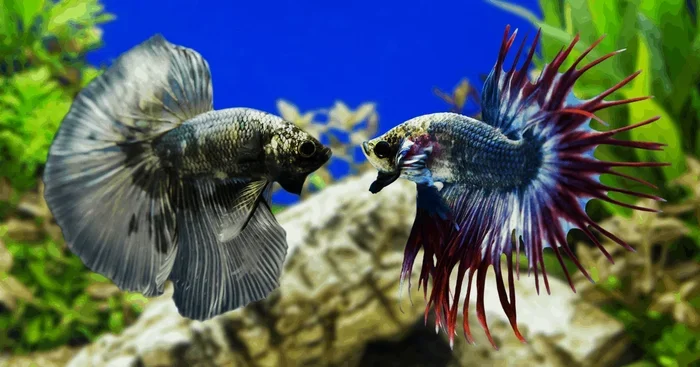
Visual guide about Why Is My Betta Fish’s Stomach So Big
Image source: n.sinaimg.cn
Signs of overfeeding
- Food leftovers floating in the water for hours.
- Rapid weight gain and a noticeably rounded abdomen.
- Lethargic swimming or floating near the surface.
How to fix it
Feed your betta once or twice a day, offering only what it can eat in 2‑3 minutes. A single pellet (or two tiny ones for juveniles) is usually enough. If you’re using frozen or live foods, limit portions to a few bites.
Tip: Use a feeding schedule on your phone or a sticky note on the tank to avoid “just one more” moments.
2. Constipation: When the Gut Gets Stuck
What causes constipation?
Betta fish need a little fiber to keep things moving. A diet heavy in dry pellets without enough moisture or variety can lead to dry, hard feces that get stuck. Cold water also slows gut motility, making constipation more likely.
Spotting constipation
- Swollen belly that feels firm to the touch.
- Reduced appetite or complete refusal to eat.
- Faint, white excrement visible at the tank bottom.
Simple remedies
Offer a peeled, blanched pea once a week. The soft fiber acts like a natural laxative. Gently squeeze the pea between your fingers, drop it into the water, and let the betta nibble. After a few hours you should see improvement.
Also, raise the water temperature to around 78°F (25.5°C) for a short period (24‑48 hours) to stimulate digestion.
3. Internal Parasites and Bacterial Infections
What’s going on inside?
Parasites such as Ichthyophthirius multifiliis (Ich) or Costia can invade the gut, causing inflammation and swelling. Bacterial infections, often linked to poor water quality, can produce similar symptoms.

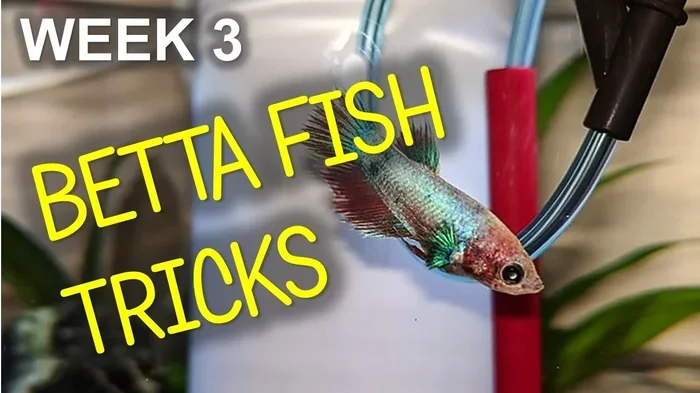
Visual guide about Why Is My Betta Fish’s Stomach So Big
Image source: seifukugram.com
When to suspect an infection
- Swelling accompanied by loss of color or faded fins.
- Frequent scratching against the tank glass.
- Cloudy or discolored feces.
Action plan
First, test water parameters—ammonia, nitrite, and nitrate should be within safe limits. Perform a partial water change (25‑30 %). Then, treat with a broad‑spectrum betta‑safe medication such as Maracyn or a herbal remedy like garlic‑based treatments. Always follow the product instructions.
For more on spotting disease signs, see our article on why is my betta fish turning white.
4. Poor Water Quality: The Silent Stressor
Why water matters
Betta fish are sensitive to ammonia spikes, high nitrite, and low oxygen. Stress from bad water weakens the immune system, making digestive issues more likely.
Testing basics
Use a liquid test kit or test strips to check ammonia, nitrite, nitrate, and pH weekly. Ideal ranges: ammonia 0 ppm, nitrite 0 ppm, nitrate < 20 ppm, pH 6.5‑7.5.
Cleaning routine
- Change 25‑30 % of water every week.
- Vacuum substrate to remove uneaten food.
- Rinse filter media in tank water (not tap water) to preserve beneficial bacteria.
Keeping the tank pristine not only helps the gut but also prevents many of the issues that cause a big belly.
5. Underlying Health Issues: Tumors, Organ Failure, and More
Rare but serious causes
In older bettas, a swollen abdomen can signal internal tumors, liver disease, or kidney failure. These conditions are less common but require veterinary attention.
When to seek professional help
- Swelling persists despite diet and water changes.
- Fish shows severe lethargy, loss of appetite, and abnormal swimming (e.g., floating sideways).
- Visible lumps or hard masses on the body.
If you suspect a serious condition, consult a fish‑savvy veterinarian. Early diagnosis can sometimes extend your betta’s life.
6. Preventive Tips: Keeping the Belly Flat and Healthy
Balanced diet
Mix high‑quality betta pellets with occasional frozen or live foods (brine shrimp, daphnia). Rotate protein sources to prevent nutrient deficiencies.
Regular feeding schedule
Stick to a consistent routine. Feed at the same times each day and avoid “free feeding.”
Water maintenance
Perform weekly water changes, keep the temperature stable (78‑80°F), and use a gentle filter to maintain water flow without stressing the fish.
Observation habit
Spend a few minutes each day watching your betta’s behavior. Note any changes in appetite, swimming pattern, or appearance. Early detection is the best cure.
For additional signs of distress, you might also read about why is my betta fish floating sideways and why is my betta fish spitting out food.
Conclusion: A Bigger Belly Isn’t Always Bad, but It Needs Attention
Seeing a swollen stomach on your betta can feel scary, but most of the time the cause is something you can fix at home. Whether it’s overfeeding, constipation, a minor infection, or water quality, the steps outlined above will guide you toward a healthier, happier fish.
Remember to keep a close eye on your betta’s eating habits, maintain clean water, and feed a balanced diet. When you catch the problem early, you’ll often see the belly deflate within a few days, and your betta will bounce back to its vibrant self.
Take action today, and give your finned friend the best chance at a long, colorful life.
Frequently Asked Questions
Why does my betta’s belly look swollen after feeding?
Betta fish have tiny stomachs, so even a small overfeed can cause a temporary bulge. Reduce portion size and feed only what they can eat in 2‑3 minutes.
Can constipation make my betta’s stomach look big?
Yes. A lack of fiber and cold water can slow digestion, leading to a firm, swollen abdomen. Offering a blanched pea once a week often clears the blockage.
How do I know if a big belly is caused by disease?
Watch for additional signs such as loss of color, white spots, or abnormal swimming. If these appear, consider a parasite or bacterial infection and treat with a suitable medication.
Is water temperature related to a swollen stomach?
Cold water slows metabolism and can worsen constipation. Keeping the tank at 78‑80°F helps the digestive system function properly.
When should I take my betta to a vet?
If the swelling persists after diet and water changes, or if your fish shows severe lethargy, loss of appetite, or visible lumps, seek professional advice promptly.
Can changing the tank size help reduce a big belly?
While tank size doesn’t directly shrink a swollen belly, a larger, well‑filtered tank provides better water stability, reducing stress that can exacerbate digestive problems.