Seeing a swollen belly on your betta can be scary, but it’s often a sign of a treatable problem. This guide explains the common causes—from constipation to serious infections—how to spot symptoms, and what you can do at home or with a vet to help your fish feel better fast.
Key Takeaways
- Identify the cause: Bloated bellies are usually due to constipation, swim bladder disease, infection, or over‑feeding.
- Check water quality first: Poor parameters can stress bettas and trigger digestive issues.
- Fast treatment works: A simple fasting period, pea puree, or medication often clears the problem.
- Watch for red flags: Lethargy, loss of appetite, or abnormal swimming mean you need a vet.
- Prevent future bloating: Proper diet, regular water changes, and a stress‑free tank keep bellies flat.
- Know when to seek help: If symptoms persist after 48‑72 hours, professional care is essential.
- Use reliable resources: Trusted articles like “Why Does My Betta Fish Look Bloated” provide extra insight.
📑 Table of Contents
Introduction: A Bloated Betta Is a Cry for Help
Imagine you come home after a long day, open the tank, and see your betta floating with a round, puffy belly. Your heart skips a beat. “Why is my betta fish’s stomach bloated?” you wonder.
Don’t panic. A swollen abdomen is a common warning sign that something in the fish’s body or environment is out of balance. The good news is that most causes are treatable with simple steps, and early action can save your fish.
In this article we’ll break down the most frequent reasons for a bloated betta, how to diagnose the problem, and what you can do right now to help. We’ll also share prevention tips so the belly stays flat and healthy.
1. Common Medical Causes of a Bloated Belly
1.1 Constipation and Over‑Feeding
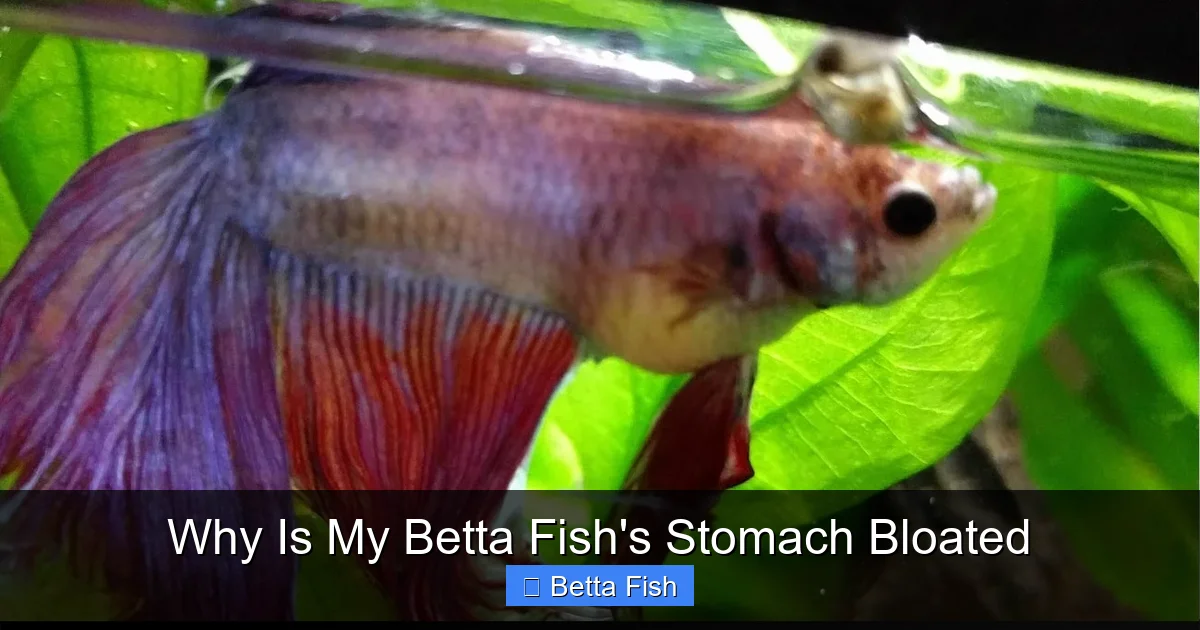
Betta fish love to eat, and it’s easy to over‑feed them. When they swallow too much or eat foods that are hard to digest, the digestive tract slows down, leading to a buildup of waste. This appears as a swollen abdomen.
Visual guide about Why Is My Betta Fish’s Stomach Bloated
Image source: buildyouraquarium.com
- Symptoms: Bloated belly, reduced appetite, occasional spitting out food.
- Quick fix: Fast the fish for 24‑48 hours, then offer a small amount of cooked peas (peeled and mashed).
1.2 Swim Bladder Disease (SBD)
The swim bladder is a tiny organ that helps the fish control buoyancy. If it becomes inflamed, infected, or filled with excess gas, the fish may look “bloated” and have trouble swimming upright.
- Symptoms: Floating upside‑down, swimming sideways, or staying at the surface.
- Treatment: Adjust diet, add Epsom salt (1 tsp per 5 gallon) for a few days, and keep water clean.
For more on floating issues, see our article “Why Is My Betta Fish Floating Sideways.”
1.3 Bacterial or Parasitic Infections
Infections can cause internal swelling, especially if the fish’s immune system is stressed. Common culprits include Aeromonas bacteria and Ichthyophthirius parasites.
- Symptoms:
- Treatment: Broad‑spectrum antibiotics (e.g., Maracyn) or antiparasitic meds as directed by a vet.
Redness around the belly, lethargy, loss of appetite, and sometimes visible spots.
1.4 Internal Tumors or Organ Failure
Although rare, tumors or liver/kidney failure can cause chronic bloating. These conditions usually progress slowly and are accompanied by other signs of poor health.
- Symptoms: Persistent swelling despite treatment, weight loss, and abnormal swimming.
- Action: Seek a vet experienced with fish for diagnosis (often via X‑ray or ultrasound).
2. Environmental Triggers That Make the Belly Inflate
2.1 Poor Water Quality
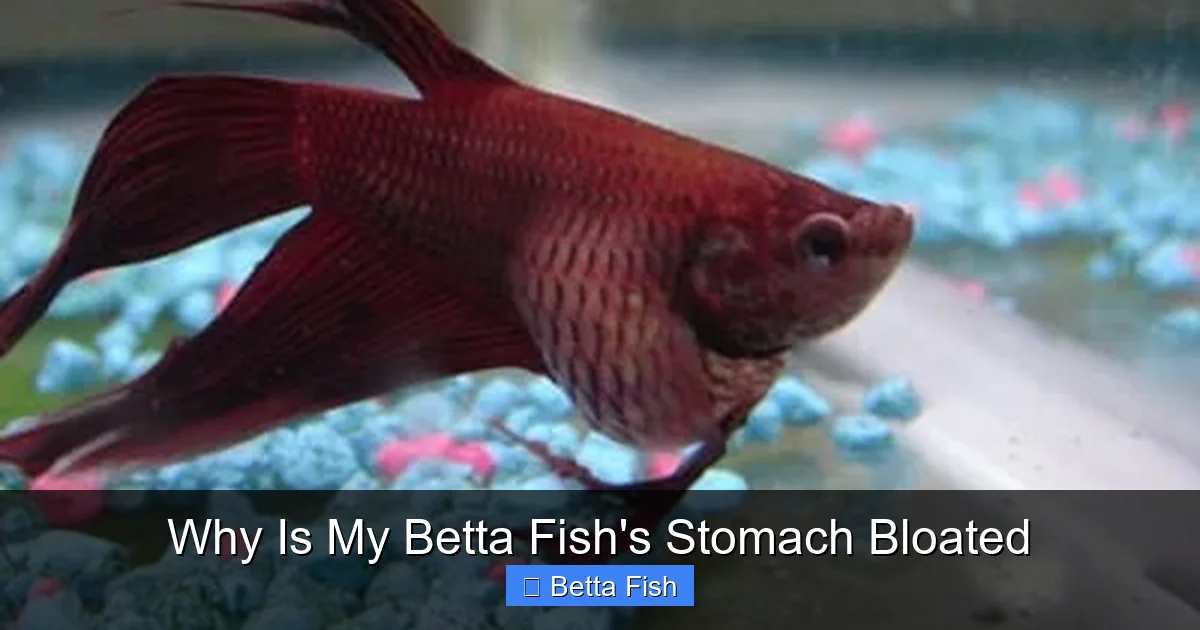
Betta fish are sensitive to ammonia, nitrite, and high nitrate levels. Bad water stresses the digestive system, making constipation more likely.
Visual guide about Why Is My Betta Fish’s Stomach Bloated
Image source: nippyfish.net
- Check: Test kits for ammonia, nitrite, nitrate, and pH.
- Fix: Perform a 25‑30 % water change, clean the substrate, and ensure proper filtration.
2.2 Temperature Fluctuations
Betas thrive at 78‑80 °F (25‑27 °C). Sudden drops slow metabolism, leading to slower digestion and a bloated look.
- Tip: Use a reliable heater and a thermometer; avoid placing the tank near windows or drafts.
2.3 Stress From Tank Mates or Crowding
While many keep bettas alone, some add compatible tank mates. Aggressive neighbors can cause stress, which affects gut motility.
- Solution: Provide plenty of hiding spots and consider a single‑fish setup.
3. How to Diagnose the Problem at Home
3.1 Visual Inspection
Look for these clues:

Visual guide about Why Is My Betta Fish’s Stomach Bloated
Image source: images.squarespace-cdn.com
- Is the belly uniformly swollen or lopsided?
- Are the fins puffy or clamped?
- Is the fish floating abnormally? (Check “Why Is My Betta Fish Swimming Sideways” for related signs.)
3.2 Observe Eating Habits
Note if the fish is refusing food, spitting it out, or eating only the top of the pellet. These habits point to constipation or a mouth infection.
3.3 Test Water Parameters
Use a liquid test kit. Ideal ranges for bettas:
- Ammonia: 0 ppm
- Nitrite: 0 ppm
- Nitrate: < 20 ppm
- pH: 6.5‑7.5
3.4 Perform a Simple Fasting Test
Stop feeding for 24 hours. If the belly reduces in size after the fast, constipation is likely. Resume feeding with a light diet of pea puree.
4. Step‑by‑Step Treatment Plan
4.1 Immediate Actions (First 24 Hours)
- Fast the fish: Remove all food.
- Check water: Perform a 30 % water change with conditioned water.
- Adjust temperature: Ensure it stays steady at 78‑80 °F.
4.2 Gentle Digestive Aid (Day 2‑3)
- Prepare a pea puree: boil a frozen pea, remove the skin, mash into a fine paste.
- Offer a tiny pinch (about the size of a grain of rice) using a pipette or tweezers.
- Observe if the fish eats it within a few minutes.
4.3 Adding Epsom Salt (If Swim Bladder Is Suspected)
Dissolve 1 teaspoon of Epsom salt in 5 gallons of water. Add the solution to the tank for 2‑3 days. This helps reduce excess gas in the swim bladder.
4.4 Medication (If Infection Is Likely)
Use a broad‑spectrum antibiotic like Maracyn‑Two at the recommended dose. Follow the label and complete the full course, even if the fish looks better.
4.5 When to Call a Vet
If after 48‑72 hours there is no improvement, or you notice any of these warning signs, seek professional help:
- Severe lethargy or loss of movement.
- Visible sores, red patches, or white spots.
- Continued swelling despite fasting and treatment.
5. Long‑Term Prevention: Keeping the Belly Flat
5.1 Balanced Diet
Feed high‑quality betta pellets 2‑3 times a day, offering only what the fish can eat in 2‑3 minutes. Add occasional treats like daphnia, bloodworms, or boiled egg yolk.
5.2 Regular Water Maintenance
Change 25‑30 % of the water weekly. Use a gravel vacuum to remove debris and keep the filter clean.
5.3 Stable Environment
Maintain temperature, avoid sudden lighting changes, and keep the tank away from drafts. Provide live plants or silk decorations for enrichment.
5.4 Monitoring Health
Check your betta daily for changes in behavior, color, or swimming posture. A quick visual scan can catch problems before they become serious.
5.5 Know the Signs of Other Issues
Sometimes a bloated belly is a symptom of a larger problem like “Why Does My Betta Fish Look Bloated” or “Why Is My Betta Fish Not Eating.” Keep these related topics in mind as you assess your fish’s overall health.
Conclusion: Act Fast, Stay Calm
Seeing a swollen belly on your betta can feel alarming, but with the right knowledge you can often solve the problem at home. Start with a water check, fast the fish, and offer a pea puree. If the belly doesn’t shrink or other symptoms appear, move quickly to medication or a vet visit. By feeding a balanced diet, keeping the water pristine, and watching for early warning signs, you’ll give your betta the best chance for a healthy, happy life.
Remember, “why is my betta fish’s stomach bloated” is a question many owners ask, and the answer lies in a combination of good care, quick diagnosis, and timely treatment. Keep this guide handy, and you’ll be ready the next time your finned friend needs help.
Frequently Asked Questions
Why does my betta’s belly look swollen after eating?
Betta fish can over‑eat or swallow air while gulping pellets, causing temporary swelling. A brief fast and lighter feedings usually clear it up.
Can water temperature cause a bloated stomach?
Yes. Cold water slows digestion, leading to constipation and a puffed‑up belly. Keep the tank at 78‑80 °F for optimal metabolism.
Is a bloated belly always a sign of swim bladder disease?
Not always. While SBD is common, constipation, infection, or poor water quality can also cause swelling. Check feeding habits and water parameters first.
How long should I fast my betta before giving peas?
Fast for 24‑48 hours. After the fast, offer a tiny amount of mashed pea. If the fish eats it and the belly reduces, constipation was the cause.
When should I take my betta to a veterinarian?
If the swelling persists after 48‑72 hours of treatment, or if you see lethargy, loss of appetite, red spots, or abnormal swimming, seek professional care.
Can I prevent bloating by changing my betta’s diet?
Absolutely. Feed high‑quality pellets in small portions, add occasional live or frozen foods, and avoid over‑feeding. A varied diet supports healthy digestion.

