Why Is My Betta Fish’s Tail Deteriorating
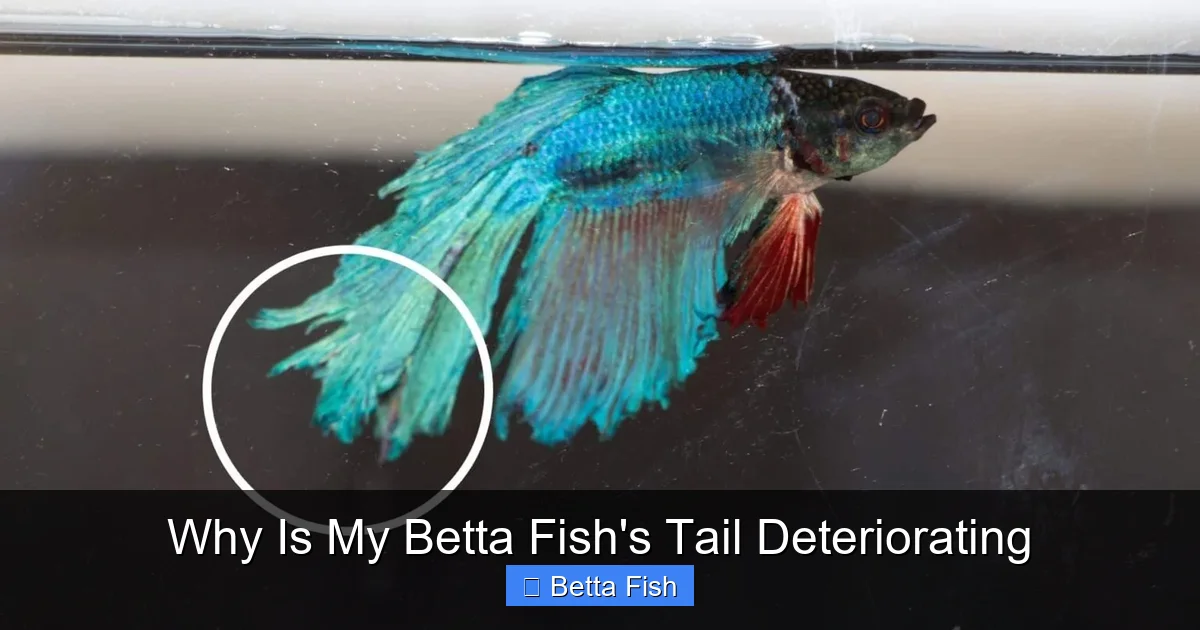
Seeing your betta’s tail fray or shrink can be alarming. Most tail problems stem from water quality, diet, injuries, or disease, and many are fixable with simple steps. Read on to identify the cause and restore your fish’s beautiful tail.
Key Takeaways
- Water quality is the #1 culprit: high ammonia, nitrite, or improper pH can damage fins.
- Injuries often come from tank mates or décor: sharp ornaments or aggressive neighbors bite fins.
- Diseases like fin rot and velvet are treatable: early detection and proper medication stop spread.
- Nutrition matters: a balanced diet with live or frozen foods supports fin health.
- Stress triggers tail loss: overcrowding, temperature swings, and poor lighting weaken fins.
- Regular maintenance prevents recurrence: weekly water changes and filter checks are essential.
- Quick action saves the tail: isolate the fish, improve water, and start treatment within 24 hours.
📑 Table of Contents
- Introduction: When a Betta’s Tail Starts to Fade
- 1. Water Quality – The Invisible Enemy
- 2. Physical Injuries – Sharp Objects and Aggressive Neighbors
- 3. Disease – Fin Rot, Velvet, and Fungal Infections
- 4. Nutrition – Feeding for Strong Fins
- 5. Stress Factors – The Silent Tail‑Destroyer
- 6. When to Seek Professional Help
- Conclusion: Turning the Tide for Your Betta’s Tail
Introduction: When a Betta’s Tail Starts to Fade
If you’ve ever watched a betta’s bright, flowing tail ripple through the water, you know how much personality those fins add to a tiny aquarium. So when you notice the edges turning ragged, the color fading, or the whole tail looking like a torn sail, it can feel like a personal loss. The good news? In most cases the problem isn’t a death sentence. It’s a signal that something in the tank or the fish’s routine needs attention.
In this guide we’ll walk through the most common reasons why a betta’s tail deteriorates, how to spot each issue early, and what you can do right now to turn that sad tail back into a proud, flowing fin. Think of it as a friendly chat over a cup of tea, with plenty of practical tips you can apply today.
1. Water Quality – The Invisible Enemy
Why bad water hurts fins
Betta fish are sensitive to ammonia, nitrite, and pH swings. When waste builds up, the water becomes a chemical irritant that eats away at the delicate fin tissue. Even a small rise in ammonia (0.25 ppm) can cause the edges of the tail to become frayed and turn white.

Visual guide about Why Is My Betta Fish’s Tail Deteriorating
Image source: img.redocn.com
How to test and fix water issues
- Test weekly: Use a liquid test kit to check ammonia, nitrite, nitrate, and pH.
- Partial water changes: Replace 25‑30 % of the water every week with dechlorinated water at the same temperature.
- Maintain the filter: Clean or replace filter media monthly to keep biological filtration strong.
- Avoid over‑feeding: Excess food fuels bacteria that raise ammonia levels.
If you find high ammonia, perform an immediate 50 % water change, add a water conditioner that detoxifies ammonia, and consider a short‑term dose of a bacterial supplement.
2. Physical Injuries – Sharp Objects and Aggressive Neighbors
Common sources of fin damage
Betta tanks often contain décor that looks pretty but can be hazardous. Rough plastic plants, sharp rocks, or broken glass can snag the tail. In community tanks, other fish may nip at the fins, especially if the betta feels threatened.
Visual guide about Why Is My Betta Fish’s Tail Deteriorating
Image source: cdn.antaranews.com
Preventing future injuries
- Choose smooth décor: Use silk plants, smooth slate, or polished ceramic caves.
- Check for hidden edges: Run your finger over each ornament before placing it in the tank.
- Keep bettas solitary: Male bettas should never share a tank with other males or fin‑nipping species.
If an injury has already occurred, trim the torn edges with sterilized scissors to prevent infection and keep the water pristine.
3. Disease – Fin Rot, Velvet, and Fungal Infections
Fin rot – the most common culprit
Fin rot is a bacterial infection that starts as a white or yellowish edge on the tail, gradually eating away the tissue. It thrives in dirty water or when the fish is stressed.

Visual guide about Why Is My Betta Fish’s Tail Deteriorating
Image source: i.ytimg.com
Identifying velvet disease
Velvet appears as a fine, dusty gold or rust‑colored coating on the fins and body. It can cause the tail to become brittle and shred.
Treatment steps
- Isolate the fish: Move the betta to a hospital tank with clean, conditioned water.
- Medication: Use a broad‑spectrum antibiotic like Maracyn 2 for fin rot, or a copper‑based treatment for velvet (follow dosage carefully).
- Improve water quality: Treat the main tank to prevent re‑infection.
For a deeper dive into fin loss, see our article on why did my betta fish lose its tail.
4. Nutrition – Feeding for Strong Fins
What a poor diet does to tails
Betta fish need high‑protein foods to build strong fin tissue. A diet of only dry flakes can lead to deficiencies, causing the tail to become thin, discolored, and prone to tearing.
Best foods for fin health
- Live or frozen foods: Brine shrimp, daphnia, and bloodworms are excellent protein sources.
- High‑quality betta pellets: Look for brands with at least 40 % protein and added taurine.
- Supplements: A pinch of vitamin‑rich algae or a commercial betta vitamin can boost immunity.
Feed small amounts 2‑3 times a day, only what the fish can eat in 2‑3 minutes. Over‑feeding leads to waste, which circles back to water quality problems.
5. Stress Factors – The Silent Tail‑Destroyer
Temperature swings
Betta fish are tropical and thrive at 76‑82 °F (24‑28 °C). Rapid changes or temperatures outside this range stress the fish, weakening the immune system and causing fin deterioration.
Lighting and tank size
Bright, constant lighting can stress bettas. Provide 8‑10 hours of light per day and use a dimmable LED. A tank that’s too small (under 2.5 gal) limits swimming space and increases waste concentration.
How to reduce stress
- Use a reliable heater with an accurate thermostat.
- Cover the tank partially to give the betta a sense of security.
- Maintain a quiet environment—avoid vibrations from nearby speakers or heavy traffic.
6. When to Seek Professional Help
Signs that DIY isn’t enough
If the tail continues to deteriorate despite clean water, proper diet, and medication, it may be a deeper health issue. Look for additional symptoms such as loss of appetite, cloudy eyes, or abnormal swimming.
Finding a vet
Search for a veterinarian who specializes in fish or exotic pets. Bring a water sample and note any recent changes in the tank.
For more information on overall betta health, check out is my betta fish dying.
Conclusion: Turning the Tide for Your Betta’s Tail
Seeing a betta’s tail deteriorate is stressful, but it’s also a clear call to action. By testing water regularly, providing a safe environment, feeding a balanced diet, and acting quickly on any signs of disease, you can often reverse the damage and give your fish a chance to flaunt a full, vibrant tail once again. Remember, the healthier the tank, the happier the betta—and the less likely its tail will ever look like a torn sail again.
Frequently Asked Questions
Why is my betta fish’s tail turning white?
White edges often indicate early fin rot or a reaction to high ammonia. Test the water, perform a partial change, and consider a mild antibacterial treatment.
Can a betta’s tail regrow after it’s been damaged?
Yes, if the underlying cause is addressed. Healthy tissue can regenerate slowly over several weeks, especially with good water and nutrition.
How often should I change the water to prevent tail problems?
Change 25‑30 % of the water weekly. If you notice any signs of fin damage, increase to 50 % and test water parameters daily until stable.
Is it safe to keep a betta with other fish?
Male bettas should be kept alone. Some peaceful, non‑fin‑nipping species can coexist in a well‑planted, spacious tank, but always monitor for aggression.
What should I feed my betta to keep its fins strong?
Offer a mix of high‑protein pellets, occasional live or frozen brine shrimp, and a vitamin supplement. Avoid over‑feeding and remove uneaten food promptly.
When should I consider that my betta’s tail loss is irreversible?
If the tail tissue is completely gone, the fin is necrotic, or the fish shows multiple systemic signs (lethargy, loss of appetite, cloudy eyes), it may be too late to regrow. Focus on comfort and humane care.