How Do You Take Care of a Baby Betta Fish

Taking care of a baby betta fish requires the right tank setup, consistent feeding, and clean water conditions. Baby bettas, also called betta fry, are delicate and need special attention during their first few weeks. With the proper baby betta fish care routine, you can raise healthy fry into vibrant adult fish.
Welcoming a baby betta fish into your home is exciting. These tiny, colorful creatures are fascinating to watch as they grow. But baby betta fish care is not as simple as caring for an adult betta. Fry need special attention, the right environment, and a consistent routine to survive and thrive.
If you have just hatched betta fry or are planning to raise them, this guide covers everything you need. From tank setup to feeding schedules, we will walk you through every step. Whether you are a complete beginner or a seasoned fish keeper, you will find practical tips that make a real difference. Let us dive into the world of raising betta fish from the very beginning.
Key Takeaways
- Tiny tank setup matters: Baby bettas need a small, warm, and filtered tank to thrive during their early weeks.
- Frequent feeding is essential: Feed baby bettas small amounts multiple times a day with appropriate food like baby brine shrimp.
- Water quality is critical: Regular water changes and stable temperature prevent illness in fragile betta fry.
- Separate males early: Male baby bettas become aggressive and must be separated from each other and females as soon as possible.
- Patience pays off: Proper baby betta fish care from day one leads to healthy, colorful adult fish with a longer lifespan.
📑 Table of Contents
What Is a Baby Betta Fish?
A baby betta fish, often called a betta fry, is a newly hatched betta fish. They are extremely small, usually less than a quarter of an inch long. Their colors may not be fully visible yet, and their fins look tiny and translucent.
How Fast Do Baby Bettas Grow?
Betta fry grow surprisingly fast. Within the first month, they start developing their signature vibrant colors and flowing fins. By three months old, they begin to look like miniature adults. Full growth typically happens around four to six months. During this time, their betta fish growth depends heavily on how well you care for them.
One important thing to know is that betta fry are very fragile. Their survival rate depends on water conditions, nutrition, and stress levels. This is why proper baby betta fish care from day one is so important. If you want to learn more about general betta care basics, check out our guide on how to take care of a betta fish.
Setting Up the Right Tank for Baby Betta Fish
The tank you choose for your baby betta fish plays a huge role in its health. You do not need a massive aquarium, but you do need the right setup. A proper environment keeps fry safe, warm, and well-fed.
What Size Tank Do Baby Bettas Need?
A small tank works best for betta fry. A five-gallon tank is ideal for a group of fry. If you only have a few, a three-gallon tank also works. Avoid large tanks because they make it hard to maintain stable water conditions for tiny fish.
Keep in mind that as your fry grow, you will need to separate them. Male bettas become territorial and aggressive. You can learn more about how big of a tank do betta fish need at different life stages in our detailed article.
Do You Need a Filter and Heater?
Yes, you do. Baby bettas need warm water between 78 and 80 degrees Fahrenheit. A small aquarium heater helps maintain a stable temperature. Use a gentle sponge filter to keep the water clean without creating strong currents that can overwhelm tiny fry.
Here are a few quick setup tips:
- Use a sponge filter on the lowest setting
- Keep the water temperature steady at 78 to 80 degrees Fahrenheit
- Add a few live plants for hiding spots
- Keep the tank away from direct sunlight and drafts
- Use a tight-fitting lid because baby bettas can jump
Why Water Temperature Matters So Much
Temperature stability is one of the most important parts of baby betta fish care. Cold water slows down their metabolism and makes them weak. Fluctuating temperatures cause stress and can lead to disease. In winter, you may need to pay extra attention to keeping the water warm. Our article on how to take care of betta fish in winter has helpful tips for maintaining warmth during colder months.
Feeding Your Baby Betta Fish
Feeding baby bettas correctly is one of the most important aspects of fry care. These tiny fish have very small stomachs and need frequent, small meals. Getting the feeding routine right makes a huge difference in their growth and health.
What Should You Feed Baby Betta Fry?
Betta fry need very small, protein-rich food. The best options include:
- Baby brine shrimp — the gold standard for betta fry
- Micro worms — easy to culture and perfect for tiny mouths
- Infusoria — naturally occurring microorganisms great for the first few days
- Crushed betta pellets — once the fry are a week or two old
- Liquid fry food — commercially available and easy to use
How Often Should You Feed Baby Bettas?
Feed your baby bettas three to four times a day. Each feeding should be very small — just a pinch of food. Overfeeding is a common mistake that can foul the water quickly. Uneaten food decays and raises ammonia levels, which is dangerous for delicate fry.
For more details on feeding schedules, our article on how often do you feed a betta fish provides great guidance that applies to fry as well.
Common Feeding Mistakes to Avoid
Many new betta keepers make feeding mistakes. Here are a few to watch out for:
- Feeding too much at once
- Offering food that is too large for tiny mouths
- Skipping feedings or creating an inconsistent schedule
- Not removing uneaten food after a few minutes
Consistency is key. Stick to a regular feeding schedule and watch your fry grow strong and healthy.
Water Quality and Maintenance for Baby Betta Fish
Clean water is the foundation of good baby betta fish care. Baby bettas are very sensitive to water quality. Even small changes in ammonia or nitrate levels can harm them. Regular maintenance keeps the tank safe and comfortable.
How Often Should You Change the Water?
For betta fry, do small water changes every other day. Replace about 10 to 20 percent of the water each time. Use water that is the same temperature as the tank. Never use tap water directly — always treat it with a water conditioner to remove chlorine and chloramine.
Testing Water Parameters
Keep an eye on these key water parameters:
- Ammonia: Should be at 0 ppm
- Nitrite: Should be at 0 ppm
- Nitrate: Should be below 20 ppm
- pH: Should be between 6.5 and 7.5
- Temperature: Should stay steady at 78 to 80 degrees Fahrenheit
Use a simple test kit to check these levels regularly. Catching problems early makes a big difference in keeping your fry healthy and thriving.
Common Health Issues and How to Prevent Them
Even with the best care, baby bettas can sometimes get sick. Knowing the signs of common problems helps you act fast and save your fry.
Signs That Your Baby Betta Is Unhealthy
Watch for these warning signs:
- Loss of color or fading body color
- Not eating or refusing food
- Lethargy and staying at the bottom of the tank
- Visible spots, fungus, or unusual growths
- Labored breathing or gasping at the surface
- Curled or clamped fins
If you notice any of these signs, act quickly. Often, a small water change and slightly raised temperature can help. For more serious cases, a betta fish cure may require medication. Always research treatments carefully before adding anything to a fry tank.
Prevention Tips for Healthy Fry
Prevention is always better than treatment. Follow these simple steps:
- Keep the water clean with regular small water changes
- Do not overfeed — remove uneaten food promptly
- Quarantine any new fish before adding them to the fry tank
- Avoid sudden changes in lighting or temperature
- Handle the tank gently to reduce stress on the fry
Healthy fry grow into beautiful adult bettas. If you are curious about how long your betta might live with proper care, check out our resources on betta fish lifespan and how to maximize it.
Raising Baby Betta Fish to Adulthood
Raising betta fry into adults is a rewarding experience. It takes patience, consistency, and a little know-how. As your fry grow, their needs will change, and you will need to adjust your care routine.
When Should You Separate Male Baby Bettas?
Male bettas become territorial as they mature. You should separate them into individual containers once they start showing color and their fins grow longer, usually around eight to twelve weeks old. Keeping males together in a small space leads to fighting and injury.
Each male needs his own tank. A standard setup with a heater and filter works well for juveniles. If you are wondering about tank sizes for growing fish, remember that how big of a tank do betta fish need depends on their age and number.
When Can You Tell the Sex of a Baby Betta?
You can usually tell the sex of your betta fish around three to four months old. Males develop longer fins, brighter colors, and a visible beard (the opercular membrane). Females tend to be smaller with shorter fins and a white egg spot on their underside.
If you want to learn more about identifying betta fish sex, our guide on how do you tell the sex of a betta fish has detailed information.
Transitioning Fry to Adult Food
As your betta fry grow, you can gradually transition them to adult food. Start by crushing high-quality betta pellets into very fine pieces. Slowly increase the size of the food as they grow. By around three months old, most fry can eat standard betta pellets and flakes.
Here is a simple feeding transition timeline:
- Week 1 to 2: Infusoria and liquid fry food
- Week 2 to 4: Baby brine shrimp and micro worms
- Month 2 to 3: Crushed pellets and small live foods
- Month 3 and beyond: Standard betta pellets and flakes
This gradual approach ensures your bettas get the nutrition they need at every stage of development.
Expert Tips for Successful Baby Betta Fish Care
Raising betta fry successfully comes with experience. Here are some expert insights that can help you avoid common pitfalls:
- Start small: A five-gallon tank with a few fry is easier to manage than a large tank full of babies.
- Be patient: Baby bettas grow slowly at first. Do not panic if they seem tiny and inactive in the early days.
- Observe daily: Spend a few minutes each day watching your fry. Early detection of problems saves lives.
- Keep records: Note feeding times, water changes, and any health observations. This helps you spot patterns and adjust care.
- Do not rush separations: Wait until you can clearly identify the sex before moving males into separate containers.
These simple habits build a strong foundation for healthy, happy bettas. For more beginner-friendly advice, our article on what do you need for a betta fish beginner covers essential supplies and setup tips.
Conclusion
Taking care of a baby betta fish is a wonderful journey that starts with the right knowledge and a little dedication. From setting up a proper tank to maintaining clean water and feeding a nutritious diet, every step matters. Your betta fry depend on you for their health and survival, and with the tips in this guide, you are well-equipped to raise them successfully.
Remember that patience is your greatest tool. Baby bettas grow fast, and before you know it, you will have beautiful, vibrant adult fish swimming in your tank. Stick to a routine, watch for warning signs, and enjoy the process. With consistent baby betta fish care, you will create a thriving environment where your fry can grow into healthy, colorful adults. Start today, and you will see the rewards in the weeks and months ahead.
Frequently Asked Questions
How often do you feed a baby betta fish?
Feed baby bettas three to four times a day with very small amounts. Use food that is appropriate for their tiny size, such as baby brine shrimp or crushed pellets. Overfeeding can pollute the water quickly, so remove any uneaten food within a few minutes.
What is the survival rate of baby betta fish?
The survival rate of betta fry varies depending on care quality. With clean water, proper feeding, and stable temperatures, most fry survive their first few weeks. Poor water conditions and inconsistent feeding are the leading causes of early fry loss.
Can baby betta fish live in a bowl?
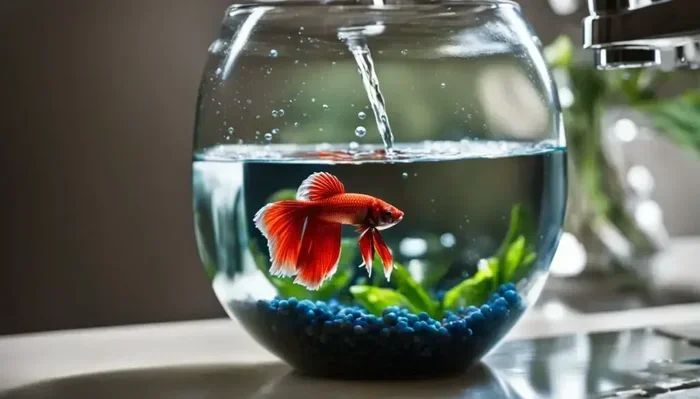
It is better to keep betta fry in a small tank rather than a bowl. A bowl makes it difficult to maintain stable water temperature and quality. A few-gallon tank with a gentle filter and heater provides a much safer environment for growing fry.
When do baby bettas start showing their colors?
Baby bettas usually begin to show their colors around four to six weeks old. The full development of vibrant colors and flowing fins happens by three to four months. Genetics and proper nutrition play a big role in how bright their colors become.
Do baby betta fish need a heater?
Yes, baby bettas need a heater to maintain a stable water temperature between 78 and 80 degrees Fahrenheit. Temperature drops can stress fry and slow their growth. A small aquarium heater with a thermostat works well for fry tanks.
How do you know if a baby betta fish is healthy?
A healthy baby betta is active, eats regularly, and has bright, developing colors. Look for clear fins, steady swimming, and a good appetite. Any signs of lethargy, loss of color, or refusal to eat may indicate a health problem that needs attention.