How to Train a Baby Betta Fish
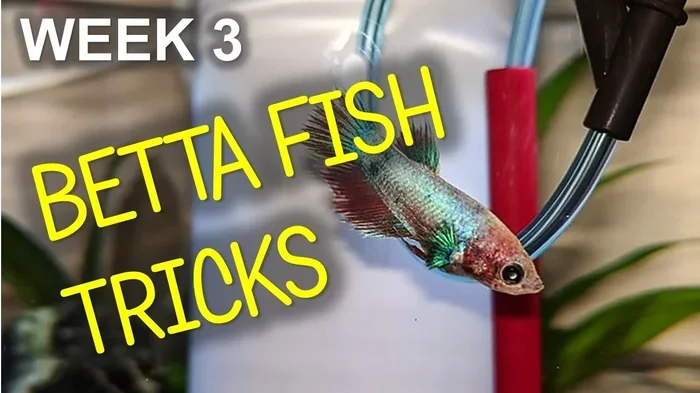
Training a baby betta fish is easier than you think and can create a strong bond between you and your tiny pet. With patience and the right techniques, you can teach your betta to follow your finger, eat from your hand, and even perform simple tricks. This guide will show you exactly how to train a baby betta fish using safe, step-by-step methods that work.
Key Takeaways
- Start training early: Baby bettas learn best between 3-6 months old when their minds are most receptive.
- Use positive reinforcement: Reward your baby betta with tiny food treats immediately after they perform the desired behavior correctly.
- Keep sessions short: Limit each training session to 3-5 minutes to prevent your baby betta from becoming stressed or overwhelmed.
- Be patient and consistent: Train your baby betta daily at the same time to build trust and reinforce learning steadily.
- Use clear hand signals: Baby bettas respond well to simple visual cues like finger tapping or hand hovering above the tank.
- Watch for stress signs: Stop training immediately if your baby betta shows clamped fins, rapid breathing, or loss of appetite.
- Gradually increase difficulty: Once your baby betta masters basic tricks, slowly introduce new challenges to keep their mind engaged.
📑 Table of Contents
- How to Train a Baby Betta Fish
- Understanding Your Baby Betta Fish Behavior
- Setting Up the Right Training Environment
- Basic Training Techniques for Baby Bettas
- Common Mistakes People Make When Training Baby Bettas
- Building Trust and Strengthening Your Bond
- Tracking Progress and Setting Goals
- Advanced Tips for Ongoing Training Success
- Key Takeaways
How to Train a Baby Betta Fish
Training a baby betta fish might sound surprising, but it is absolutely possible. These tiny, colorful creatures are smarter than most people think. With patience and the right approach, you can teach your young betta to respond to signals, follow your finger, and even eat from your hand. This guide covers everything you need to know about how to train a baby betta fish step by step. Whether you are a first-time fish owner or a seasoned hobbyist, you will find practical tips that really work.
Baby betta fish, also called fry or juveniles, have unique needs compared to adult bettas. Their brains are still developing, which actually makes them more adaptable to new routines. Training a baby betta fish early sets the foundation for a healthier, more interactive pet. You will learn how to build trust, use positive reinforcement, and create the ideal setup for learning. By the end of this guide, you will feel confident and ready to start training sessions with your little friend.
Before diving into specific techniques, it helps to understand what makes betta fish tick. These fish are curious and territorial by nature. They observe their surroundings closely and react to movement and light changes. That natural curiosity is your biggest advantage when you begin how to train a baby betta fish. Use it to your benefit, and you will see results faster than you expect.
Understanding Your Baby Betta Fish Behavior
Why Baby Bettas Are Easier to Train Than You Think
Many people believe fish cannot learn anything. That is simply not true. Baby bettas are in a prime learning phase. Their brains are forming new connections every day. This makes them highly responsive to consistent routines and stimuli. Training a baby betta fish during this stage gives you a real head start.
Young bettas are also less fearful than adults. Adult bettas can become set in their ways and resistant to change. A baby betta, on the other hand, is still exploring the world. It has not yet developed strong defensive habits. This open-mindedness makes betta fish training much smoother and more effective.
Watch your baby betta closely for a few days before starting any training. Notice when it is most active. Most bettas are alert and hungry in the morning. That is the best time for short training a baby betta fish sessions. Keep each session under five minutes. Young fish get tired quickly, and short sessions produce better results.
Reading Your Betta’s Body Language
Your betta will tell you a lot through its body language. A relaxed fish swims smoothly and explores the tank. A stressed fish clings to the bottom or hides behind decorations. How to train a baby betta fish requires you to notice these signals and adjust accordingly.
Here are common body language cues to watch for:
- Flaring gills — the fish feels threatened or agitated
- Swimming in circles — excitement or curiosity
- Staying near the surface — alert and ready to interact
- Hiding behind plants — stress or fear
- Following your finger — a great sign of early engagement
Once you understand these signals, you can time your betta fish training sessions perfectly. Never train a stressed fish. Wait until it is calm and active. This simple rule makes a huge difference in your results.
Setting Up the Right Training Environment
Tank Setup for Optimal Learning
The environment matters a lot when you are working on how to train a baby betta fish. A stressed fish cannot learn. A comfortable fish thrives and picks up new behaviors quickly. Start by setting up a proper tank before any training begins.
Your baby betta needs a tank of at least five gallons. This gives it enough space to swim and explore. Use a gentle filter to keep the water clean without creating strong currents. Bettas prefer calm water. Add some soft plants and gentle decorations. These provide hiding spots and make the fish feel secure.
Consider reading our guide on how to set up a fish tank for betta fish for detailed tank setup tips that support a calm, trainable environment.
Water Conditions That Support Training
Clean, warm water is essential for a baby betta’s health and learning ability. Poor water quality leads to stress, illness, and a complete lack of interest in training. Keep the water temperature between 78 and 80 degrees Fahrenheit. Use a small heater to maintain a steady temperature.
Test the water regularly for ammonia, nitrite, and nitrate levels. Zero ammonia and zero nitrite are non-negotiable. Nitrates should stay below 20 ppm. Clean water supports a healthy immune system and a curious, engaged fish.
For more details on maintaining excellent water quality, check out our article on how to take care of a betta fish water. Good water habits directly support successful training a baby betta fish sessions.
| Water Parameter | Ideal Range | Why It Matters |
|---|---|---|
| Temperature | 78-80 F | Keeps metabolism active and alert |
| pH Level | 6.5-7.5 | Prevents stress and illness |
| Ammonia | 0 ppm | Toxic even in small amounts |
| Nitrite | 0 ppm | Harmful to young fish |
| Nitrate | Below 20 ppm | Supports long-term health |
Basic Training Techniques for Baby Bettas
Start with Hand Feeding
Hand feeding is the foundation of how to train a baby betta fish. It builds trust and teaches the fish to associate your hand with food. Start by dropping pellets near your fingertip. Do not submerge your hand completely at first. Let the fish come to you at its own pace.
Use high-quality betta pellets or frozen bloodworms. These are motivating and healthy. Feed only small amounts during training. Overfeeding leads to bloating and poor water quality. A few pellets per session is plenty for a baby betta.
For tips on feeding specific foods, you may find our guide on how to feed a pea to a betta fish helpful for understanding your betta’s dietary needs and enrichment through food-based activities.
Using Positive Reinforcement
Positive reinforcement is the most effective method for betta fish training. Every time your baby betta does something you want, reward it immediately. The reward can be a small piece of food or gentle praise in a calm voice. Bettas may not understand words, but they respond to the tone and consistency of your presence.
Here is a simple positive reinforcement routine:
- Approach the tank calmly and quietly
- Wait for the fish to notice you
- Offer food from your fingertip
- Praise softly if the fish takes the food
- End the session on a positive note
Consistency is the secret ingredient. Train at the same time every day. Baby bettas thrive on routine. After a week or two of daily sessions, you will notice your fish swimming toward your hand eagerly. That is a clear sign that training a baby betta fish is working.
Teaching Your Betta to Follow Your Finger
This is one of the most fun tricks to teach a young betta. Start by placing your finger on the outside of the tank glass. Move it slowly. Most baby bettas will follow the movement with their eyes. Once they lock onto your finger, reward them with a small food treat.
Gradually increase the distance your finger moves. Keep it slow and smooth. Never chase the fish with your finger. That creates fear instead of curiosity. The goal is to make your finger a signal that means good things are coming.
Within two to three weeks, most baby bettas will follow a finger across the tank. This simple trick proves that how to train a baby betta fish is not just theory. It works in real life with real results.
Common Mistakes People Make When Training Baby Bettas
Training Sessions That Are Too Long
The biggest mistake new fish owners make is training for too long. Baby bettas have very short attention spans. Sessions should last no more than three to five minutes. If you push beyond that, the fish becomes bored and stressed. Short, focused sessions always beat long, drawn-out ones.
Think of it like training a puppy. You would not expect a puppy to sit for an hour. The same logic applies to your betta. Keep it brief, keep it fun, and end before the fish loses interest.
Using the Wrong Food as Rewards
Not all fish food makes a good training reward. Avoid using flakes or low-quality pellets. These lack the appeal that motivates bettas. Use live or frozen bloodworms, brine shrimp, or high-grade betta pellets instead. The better the reward, the faster your fish learns.
Ignoring Tank Conditions
Some people focus entirely on training techniques and forget about the tank environment. This is a major oversight. A dirty tank, wrong temperature, or aggressive tankmates all sabotage your efforts. Before starting any training a baby betta fish program, make sure the habitat is clean, warm, and peaceful.
For a complete checklist on betta care basics, read our how to care for a betta fish 101 guide. A healthy fish is always a more responsive fish.
Building Trust and Strengthening Your Bond
Why Bonding Comes Before Training
You cannot train a fish that does not trust you. Bonding must come first. Spend time near the tank every day. Talk softly. Move slowly. Let your baby betta get used to your presence. This quiet bonding period is just as important as the actual training sessions.
During the bonding phase, do not try to train anything. Simply let the fish observe you. After a few days, the betta will start noticing patterns. It will learn that your presence means good things are about to happen. This sets the stage for successful betta fish training down the road.
For deeper insights into strengthening the connection with your fish, our article on how to grow a bond with your betta fish offers excellent strategies that complement any training routine.
Signs Your Baby Betta Trusts You
Trust shows up in small but clear ways. A trusting baby betta will swim to the front of the tank when you approach. It will flare less and stay relaxed near the surface. Some bettas even build bubble nests more actively when they feel secure and bonded with their owner.
If your fish hides every time you walk by, do not worry. Trust takes time. Keep visiting the tank calmly and consistently. Within two to four weeks, most baby bettas become comfortable with their owner’s presence. That comfort is the gateway to all future training a baby betta fish success.
Tracking Progress and Setting Goals
Create a Simple Training Log
Tracking your progress helps you stay motivated and spot patterns. Keep a small notebook or use your phone to log each session. Write down the date, duration, what you worked on, and how the fish responded. Over time, you will see clear improvement in your how to train a baby betta fish journey.
A simple log might look like this:
- Day 1: Finger following — fish watched but did not follow
- Day 5: Finger following — fish followed for 2 inches
- Day 10: Hand feeding — fish took food from fingertip
- Day 14: Hand feeding — fish ate from hand consistently
Seeing progress on paper is incredibly encouraging. It also helps you adjust your approach if something is not working. Maybe the sessions are too long. Maybe the reward is not motivating enough. Your log helps you troubleshoot effectively.
Setting Realistic Expectations
Not every baby betta learns at the same speed. Some pick up tricks within days. Others take weeks. Both are completely normal. The key is to stay patient and consistent. Never punish or scold your fish for not performing. That creates fear and sets back your progress.
Celebrate small wins. The first time your betta follows your finger is a big deal. The first time it eats from your hand is a milestone. These moments make training a baby betta fish incredibly rewarding. Enjoy the process, and the results will follow.
Advanced Tips for Ongoing Training Success
Introducing New Tricks Gradually
Once your baby betta masters the basics, you can introduce more advanced behaviors. Target training is a great next step. Use a small stick or pencil to guide the fish through the tank. Reward any interaction with the target. Over time, the betta will learn to touch the target on command.
Another fun trick is teaching the fish to swim through a hoop. Use a small hoop made from soft tubing. Hold it in the water and guide the fish through with food. This takes patience but produces impressive results. Always build on behaviors the fish already knows. This makes how to train a baby betta fish a continuous and enjoyable journey.
Keeping Training Fun for Both of You
Training should never feel like a chore. If you are feeling frustrated, take a break. Your fish picks up on your energy. A calm, happy owner creates a calm, happy fish. Keep sessions light and playful. Mix up the activities to keep your baby betta engaged and curious.
Remember that betta fish training is about building a relationship, not just teaching tricks. Every interaction strengthens the bond between you and your fish. That bond is the real reward. The tricks are just a bonus.
Key Takeaways
How to train a baby betta fish is a rewarding journey that anyone can enjoy. Start by understanding your fish’s behavior and setting up the right environment. Use positive reinforcement, keep sessions short, and build trust before expecting results. Avoid common mistakes like overtraining and poor water conditions. Track your progress, stay patient, and most importantly, have fun with it. Your baby betta has more potential than you might think. With consistent effort, you will be amazed at what your little fish can learn.
Frequently Asked Questions
How to Train a Baby Betta Fish?
Start with simple target training using a small stick or your fingertip. Hold the target near your baby betta’s line of sight and reward him with a tiny bloodworm or brine shrimp when he follows it. Keep sessions short, around 3 to 5 minutes, a few times a day for the best results.
Can You Teach a Baby Betta Fish to Do Tricks?
Yes, baby bettas are surprisingly smart and can learn basic tricks like following your finger, swimming through hoops, or jumping for food. Use positive reinforcement with small treats and be patient, since young fish learn at their own pace. Consistency and a calm environment will help your little fish pick up new behaviors quickly.
What Is the Best Age to Start Training a Baby Betta Fish?
The ideal age to begin training is around 3 to 4 months old, once your baby betta has settled into his tank and is eating well. At this stage, their curiosity is high and they are receptive to new experiences. Waiting too long can make the process harder, so starting early gives you a big advantage.
How Long Does It Take to Train a Baby Betta Fish?
Most baby bettas learn basic tricks within two to four weeks of consistent daily practice. More complex behaviors may take a bit longer, depending on the individual fish and their temperament. Short, frequent sessions work much better than long, infrequent ones.
What Treats Work Best for Training a Baby Betta Fish?
Small pieces of bloodworm, brine shrimp, or high-quality betta pellets make excellent training rewards. Use very tiny portions so your fish stays hungry and motivated during each session. Avoid overfeeding, as this can lead to health issues and reduce their interest in training.
Is It Hard to Train a Baby Betta Fish Compared to an Adult?
Not necessarily, and baby bettas often learn faster because they are more curious and adaptable. Adults can be trained too, but they may be set in their ways and less willing to try new things. With patience and a gentle approach, training a baby betta fish can be a fun and rewarding experience for any fish keeper.