Why Is My Betta Fish Always on the Bottom

Seeing your betta fish stuck on the bottom can be worrisome. It often signals water problems, diet issues, or early signs of illness. Learn quick checks and easy solutions to get your betta swimming confidently again.
Key Takeaways
- Water quality matters: Poor parameters are the top reason bettas hide at the bottom.
- Temperature is critical: Betas need 76‑82°F; colder water makes them lethargic.
- Diet and feeding habits: Over‑ or under‑feeding can cause digestive distress.
- Health red flags: Spotting fin rot, swollen belly, or gas bubbles helps catch disease early.
- Tank size and enrichment: A cramped or barren tank stresses bettas and drives bottom‑dwelling.
- Regular monitoring: Simple weekly tests and visual checks prevent most problems.
- When to act: If corrective steps don’t work in 48‑72 hours, seek veterinary advice.
📑 Table of Contents
- Introduction
- 1. Water Quality – The Foundation of Health
- 2. Temperature Troubles – Cold Makes Them Lazy
- 3. Feeding Problems – Overeating or Undereating
- 4. Health Concerns – Illness Can Pin Them Down
- 5. Tank Environment – Size, Décor, and Stress
- 6. Stress Triggers – Aggression, Noise, and Changes
- Conclusion
Introduction
If you’ve ever looked into a betta tank and seen your vibrant swimmer stuck at the bottom, you’ve probably felt a pang of concern. Betta fish are known for their bold colors and flaring fins, so a sluggish, bottom‑dwelling buddy can seem out of character.
This article will walk you through the most common reasons why a betta might stay low, how to differentiate normal behavior from warning signs, and what practical steps you can take right now. By the end, you’ll have a clear checklist to turn that sad scene into a lively display of fins.
1. Water Quality – The Foundation of Health
Why clean water matters
Betta fish are highly sensitive to ammonia, nitrite, and nitrate spikes. Even a small amount of ammonia can cause fish to lose buoyancy and rest on the tank floor.
Visual guide about Why Is My Betta Fish Always on the Bottom
Image source: m.media-amazon.com
Testing basics
- Use a liquid test kit or test strips weekly.
- Target values: Ammonia 0 ppm, Nitrite 0 ppm, Nitrate < 20 ppm.
- Check pH (6.5‑7.5) and hardness (GH 3‑4 dGH).
Quick fixes for poor water
Partial water changes are your best friend. Replace 25‑30 % of the water with conditioned, temperature‑matched water every 2‑3 days until parameters stabilize.
For a deeper dive on water‑related issues, see our guide on why is my betta fish water cloudy.
2. Temperature Troubles – Cold Makes Them Lazy
Ideal temperature range
Betas thrive at 76‑82°F (24‑28°C). Temperatures below 74°F slow metabolism, making the fish linger at the bottom to conserve energy.

Visual guide about Why Is My Betta Fish Always on the Bottom
Image source: pic3.zhimg.com
How to monitor
- Invest in an accurate aquarium heater with an adjustable thermostat.
- Use a reliable digital thermometer; place it near the surface where temperature gradients are minimal.
Solutions if it’s too cold
Raise the heater by 1‑2°F and give the tank 30 minutes to equilibrate. If the heater is old or inconsistent, replace it with a newer model designed for small tanks.
3. Feeding Problems – Overeating or Undereating
Common feeding mistakes
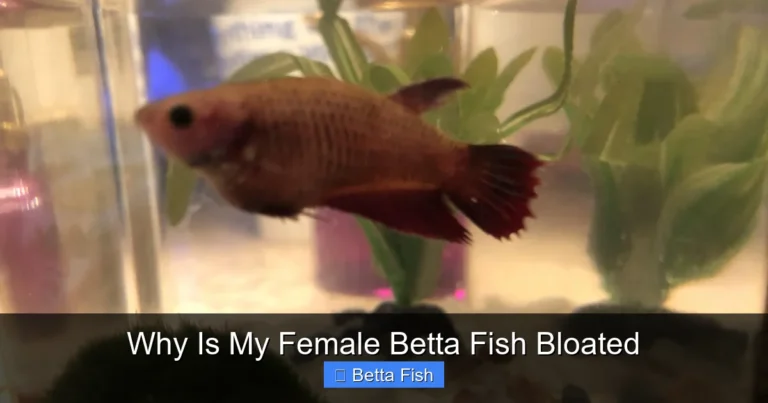
Feeding too much can cause constipation, leading to a swollen belly and a tendency to sit on the bottom. Conversely, not enough food leaves the fish weak and uninterested in swimming.

Visual guide about Why Is My Betta Fish Always on the Bottom
Image source: image.bitautoimg.com
Best feeding routine
- Feed 2‑3 small portions daily, only as much as your betta can eat in 2‑3 minutes.
- Include a high‑quality betta pellet and occasional frozen or live foods (bloodworms, daphnia).
- Fast the fish for one day each week to clear the digestive tract.
When feeding issues signal illness
If your betta refuses food for more than 48 hours, check for signs of swim bladder disease or internal parasites. Read more about why is my betta fish not eating for detailed troubleshooting.
4. Health Concerns – Illness Can Pin Them Down
Swim bladder disorder
A compromised swim bladder makes the fish float too high, sink too low, or drift sideways. Overfeeding, constipation, or bacterial infection are typical triggers.
Fin rot and infections
Faded, ragged fins often accompany bottom‑dwelling behavior because the fish feels vulnerable. Look for white edges, frayed tips, or slime.
Internal parasites and gas bubbles
Parasites can cause bloating, while gas build‑up appears as a translucent “bubble” under the skin, forcing the fish to the bottom.
Action plan
- Isolate the sick betta in a hospital tank.
- Raise temperature to 82°F to speed metabolism.
- Treat with a broad‑spectrum antibiotic (e.g., Maracyn) for bacterial infections.
- Consider a probiotic or fasting regimen for swim bladder issues.
5. Tank Environment – Size, Décor, and Stress
Tank size matters
Even though bettas can survive in 2‑gallon bowls, a 5‑gallon tank provides better water stability and space to explore, reducing bottom‑dwelling stress.
Hiding spots and enrichment
Provide live plants, silk leaves, or caves. A bored betta may rest on the bottom simply because there’s nothing else to do.
Lighting and day‑night cycle
Maintain a 10‑12 hour light cycle. Too much light can stress the fish, while constant darkness may encourage hiding.
For a deeper look at why bettas sometimes stay on the top, read why betta fish always on top.
6. Stress Triggers – Aggression, Noise, and Changes
Tank mates and aggression
Even a single male betta can become stressed by the presence of other fish, especially if the tank is too small.
Sudden changes
Moving the tank, changing décor, or loud noises can cause a temporary retreat to the bottom as the fish seeks safety.
How to minimize stress
- Introduce changes slowly over several days.
- Cover the tank partially to reduce external visual stress.
- Keep the room temperature stable and avoid vibrations from nearby appliances.
Conclusion
Seeing the question “why is my betta fish always on the bottom?” pop up in your mind is the first step toward a healthier pet. Most often, the answer lies in water quality, temperature, diet, or a minor health hiccup that can be corrected with simple, inexpensive actions. By regularly testing water, keeping the tank warm, feeding the right amount, and providing a comfortable environment, you’ll give your betta the conditions it needs to swim proudly.
If you’ve tried the steps above and your fish remains at the bottom after 48‑72 hours, it’s time to seek professional advice. Early intervention can make the difference between a quick recovery and a tragic loss.
Frequently Asked Questions
Why does my betta stay at the bottom after a water change?
Sudden changes in temperature or chemistry can shock a betta. Check that the new water matches the tank’s temperature and that parameters are within safe ranges.
Can a too‑cold tank make my betta lazy?
Yes. Temperatures below 74°F slow metabolism, causing the fish to rest on the bottom. Raise the heater gradually to the ideal range.
What signs indicate a swim bladder problem?
Look for abnormal floating, sinking, or drifting sideways. Overfeeding and constipation are common causes; fasting and a probiotic can help.
Is it normal for bettas to hide at the bottom sometimes?
Occasional bottom resting is normal, especially after feeding or during a new tank setup. Persistent bottom‑dwelling, however, usually signals an issue.
How often should I do a partial water change?
Change 25‑30 % of the water every 2‑3 days until water parameters are stable, then shift to weekly changes.
When should I consider getting a vet?
If the fish shows no improvement after 48‑72 hours of proper care, or if you see fin rot, bloating, or loss of appetite, consult an aquatic veterinarian.