Can Baby Betta Fish Eat Pellets

Baby betta fish can eat pellets, but you must choose the right size, formulation, and feeding schedule. Start with specially‑made fry pellets or finely crushed adult pellets, and always monitor water quality and growth.
Key Takeaways
- Size matters: Fry need tiny, easily‑digestible pellets; crush adult pellets if necessary.
- Nutrition first: Look for pellets high in protein (40‑50%) and low in fillers.
- Gradual transition: Introduce pellets slowly alongside live or frozen foods.
- Feeding frequency: Offer 4‑6 small meals daily to match a fry’s fast metabolism.
- Water quality: Over‑feeding pellets can cloud water; remove uneaten food promptly.
- Observe behavior: Healthy fry swim actively and show no signs of bloating or constipation.
- Supplement wisely: Use occasional live foods to boost immunity and coloration.
📑 Table of Contents
- Introduction: Why the Pellet Question Matters
- 1. Understanding Betta Fry Nutrition
- 2. Choosing the Right Pellet for Baby Betta Fish
- 3. How to Introduce Pellets to Your Fry
- 4. Monitoring Growth and Health
- 5. Balancing Pellets with Live and Frozen Foods
- 6. Maintaining Water Quality When Feeding Pellets
- Conclusion: Feeding Pellets Right Means Happy Fry
- Further Reading
Introduction: Why the Pellet Question Matters
If you’ve just welcomed a batch of betta fry into your tank, the first thing you’ll wonder is, “Can baby betta fish eat pellets?” The answer isn’t a simple yes or no—it depends on the pellet’s size, composition, and the stage of your fry’s development. Feeding the right food at the right time sets the foundation for strong fins, vibrant colors, and a long, healthy life.
In this friendly, step‑by‑step guide we’ll break down everything you need to know about feeding pellets to baby betta fish. From choosing the perfect fry‑specific pellet to mixing and matching with live foods, you’ll get practical tips that feel like advice from a seasoned betta‑keeping buddy.
1. Understanding Betta Fry Nutrition
What nutrients do growing bettas need?
Baby betta fish (fry) grow at an astonishing rate—often doubling their size in just a few weeks. To support this rapid growth they require:

Visual guide about Can Baby Betta Fish Eat Pellets
Image source: i.ytimg.com
- High‑quality protein: 40‑50% of the diet should be animal‑based protein to build muscle and fins.
- Essential fatty acids: Omega‑3s aid brain development and vibrant coloration.
- Vitamins and minerals: Vitamin C, B‑complex, calcium, and trace minerals keep the immune system strong.
- Easy‑to‑digest carbs: Small amounts of easily broken‑down carbohydrates give quick energy.
When you choose pellets, look for these ingredients listed near the top of the label. If the pellet is marketed for “fry” or “larvae,” it’s more likely to meet these needs.
How does a pellet compare to live foods?
Live foods such as brine shrimp, microworms, and daphnia are natural and highly digestible, making them a favorite for many hobbyists. However, they can be pricey, may carry parasites, and require a separate culturing setup.
High‑quality pellets offer consistency, convenience, and a balanced nutrient profile. The key is to select a pellet that is small enough for a fry’s tiny mouth and formulated for rapid growth.
2. Choosing the Right Pellet for Baby Betta Fish
Fry‑specific pellets vs. crushed adult pellets
There are two main routes:
Visual guide about Can Baby Betta Fish Eat Pellets
Image source: i.redd.it
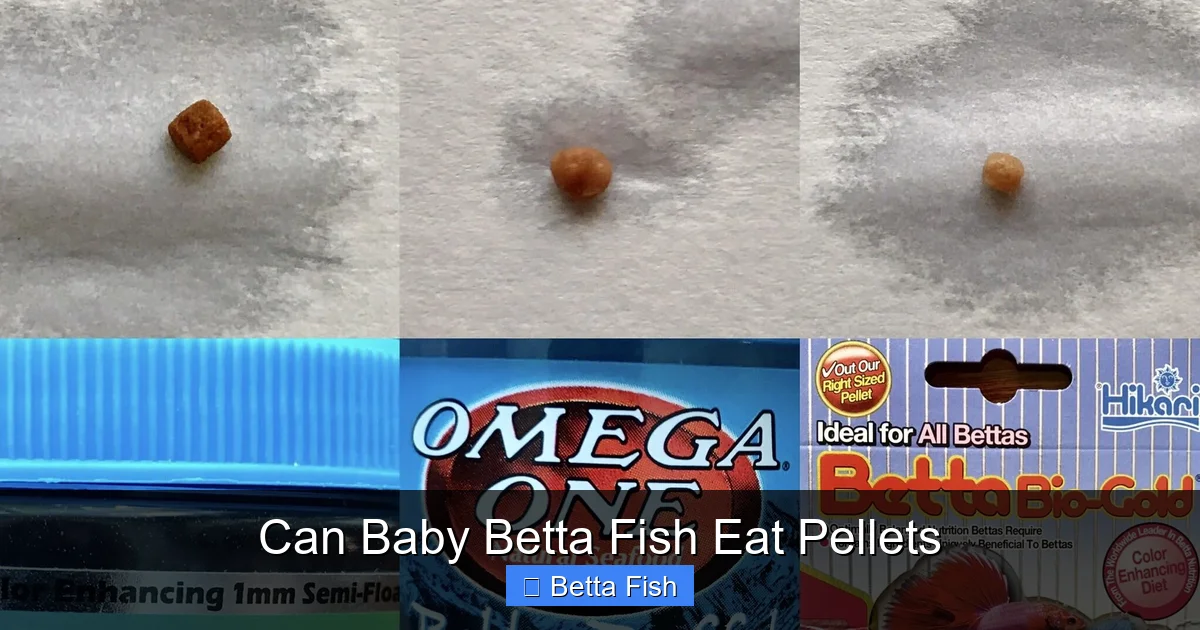
- Fry‑specific pellets: These are produced in sizes as small as 0.5 mm and are often enriched with extra protein and vitamins. Brands such as Hikari First Bites or Omega One Betta Fry are popular choices.
- Crushed adult pellets: If fry pellets are unavailable, you can gently crush high‑protein adult betta pellets (like those from Tetra or API) using a mortar and pestle. Aim for a fine, sand‑like texture that the fry can suction in.
Both methods work, but fry‑specific pellets reduce the risk of over‑feeding and are easier to portion.
What to look for on the label
- Protein content: 40‑50% for fry; lower for adult bettas.
- Ingredient list: First three ingredients should be whole fish meal, shrimp meal, or krill meal.
- No fillers: Avoid pellets heavy on wheat, soy, or corn gluten.
- Size indication: Look for “0.5 mm” or “fry size.”
Internal link example
For a broader view of safe foods, see our article on what can betta fish eat, which outlines both live and prepared options.
3. How to Introduce Pellets to Your Fry
Step‑by‑step feeding schedule
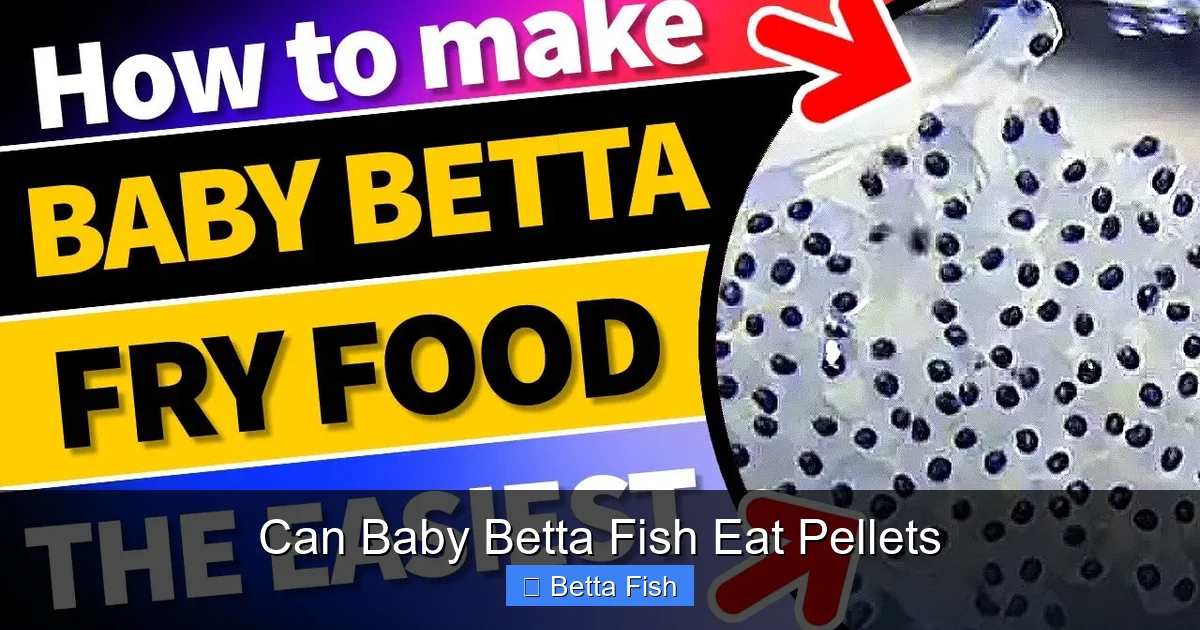
1. Day 1–3: Offer a tiny pinch of crushed fry pellets once a day, alongside a few microworms. This helps the fry recognize the new food.
Visual guide about Can Baby Betta Fish Eat Pellets
Image source: i.ytimg.com
2. Day 4–7: Increase to 2‑3 small feedings per day. Keep each portion so small that the fry can eat it within 2‑3 minutes.
3. Week 2 onward: Gradually replace live foods with pellets, aiming for 70‑80% of the diet coming from pellets.
Always observe the fry after each feeding. If they ignore the pellets, reduce the size of the particles or re‑introduce a tiny live food stimulus.
Feeding tips to avoid common pitfalls
- Don’t over‑feed: Fry have tiny stomachs; excess food quickly pollutes the water.
- Use a feeding ring: A small mesh cup keeps pellets in one spot, making it easier to see what is eaten.
- Rinse before feeding: Rinse pellets in dechlorinated water to remove dust that can cloud the tank.
4. Monitoring Growth and Health
What healthy fry look like
Healthy baby betta fish are active, swim up and down the water column, and have a slight sheen on their bodies. Their yolk sacs disappear within the first 48 hours after hatching, and you’ll start to see spots forming on the fins around day 5‑7.
Signs of over‑feeding or poor nutrition
- Bloated abdomen or constipation.
- Cloudy water despite regular changes.
- Lethargy or loss of appetite.
- Faded coloration or stunted growth.
If any of these appear, reduce the pellet amount, increase water changes, and consider adding a small amount of high‑quality live food for digestive relief.
How often should you measure fry?
Use a transparent ruler or a calibrated glass to measure fry length every 3‑4 days. Expect a growth rate of about 0.2‑0.3 mm per day during the first two weeks. Consistent growth indicates the pellet diet is meeting their needs.
5. Balancing Pellets with Live and Frozen Foods
Why a mixed diet is beneficial
Even the best pellets can’t replicate every nutrient found in live prey. Adding occasional live or frozen foods provides:
- Enhanced immune response (due to natural chitin and enzymes).
- Improved coloration from carotenoids in shrimp.
- Mental stimulation – hunting behavior keeps fry active.
Practical mixing schedule
Feed pellets 5‑6 times daily and sprinkle a tiny pinch of brine shrimp or daphnia once a day. As the fry grow (around 5 mm), you can increase the live food portion to every other day.
Related reading
Curious about other types of prepared foods? Check out our guide on can betta fish eat tropical flakes to see how flakes compare to pellets for adult bettas.
6. Maintaining Water Quality When Feeding Pellets
Impact of uneaten pellets
Pellets that sink and decompose release ammonia, nitrites, and phosphates, which can stress fry. Because fry are especially sensitive, keep the tank’s ammonia below 0.25 ppm.
Cleaning routine
- Perform 20‑30% water changes daily during the first month.
- Use a fine mesh net to remove any floating or sinking debris after each feeding.
- Test water parameters (ammonia, nitrite, nitrate, pH) every other day.
Feeding amount guidelines
Follow the “what you can see in 2‑3 minutes” rule. If food remains after that window, siphon it out. This habit keeps the water clear and reduces the risk of fungal infections.
Conclusion: Feeding Pellets Right Means Happy Fry
So, can baby betta fish eat pellets? Absolutely—provided you select the right size, high‑protein formulation, and feed them in small, frequent meals. Pair pellets with occasional live foods, keep a vigilant eye on water quality, and watch your tiny bettas sprint around their tank with vigor.
Remember, every fry is an individual. Adjust portions, observe behavior, and don’t be afraid to experiment with different pellet brands until you find the perfect match. With patience and the right nutrition, your betta fry will grow into the stunning, flowing‑fin marvels you’ve always wanted.
Further Reading
For more on portion control, see how much should a betta fish eat. This will help you fine‑tune feeding amounts as your fry transition to adulthood.
Frequently Asked Questions
Can baby betta fish eat regular adult pellets?
Yes, but only if you crush them into a fine powder. Whole adult pellets are too large for fry to swallow.
How many times a day should I feed betta fry?
Feed 4‑6 small meals per day. Fry have fast metabolisms and need frequent, tiny portions.
What is the best pellet size for betta fry?
Look for pellets labeled 0.5 mm or smaller. If unavailable, crush adult pellets until they resemble sand.
Will pellets cause my fry’s water to get cloudy?
Uneaten pellets can cloud water quickly. Feed only what they can eat in a few minutes and remove leftovers.
Can I switch to flakes once the fry are bigger?
Flakes are generally too large for young fry, but once they reach about 10 mm you can gradually introduce high‑protein flakes.
Is it okay to feed baby bettas only pellets?
It’s possible, but a mixed diet with occasional live or frozen foods promotes better immunity and coloration.