How to Breed Betta Fish Thai Way

Breeding betta fish the Thai way combines traditional methods with proven aquarium techniques to produce healthy, vibrant fry. This guide covers everything from selecting the right male and female pair to raising betta fry successfully. You will learn about the Thai breeding process, ideal water conditions, and expert tips that make a real difference.
Breeding betta fish the Thai way is a fascinating journey. Thai breeders have refined their techniques over decades. They focus on producing beautiful, healthy fish with strong genetics. Whether you are a hobbyist or a serious breeder, learning these methods can take your results to the next level.
The Thai approach to betta fish breeding emphasizes patience, observation, and proper preparation. Unlike rushed methods, Thai breeders take their time. They condition the fish carefully and create the perfect environment. This guide walks you through every step in simple, practical terms.
Key Takeaways
- Thai breeding methods focus on careful conditioning and a stress-free environment for both male and female bettas.
- Proper tank setup with the right temperature and hiding spots is essential for successful spawning.
- Bubble nest building by the male is a key sign that your bettas are ready to breed.
- Fry care requires special attention to feeding and water quality during the first few weeks.
- Picking healthy breeders dramatically improves your chances of strong, colorful offspring.
- Patience is the most important tool in any Thai-style breeding journey.
📑 Table of Contents
Understanding the Thai Betta Breeding Tradition
Thailand is the birthplace of modern betta fish breeding. The country has a long history of raising these stunning fish. Thai breeders developed methods that work beautifully in home aquariums. Their focus is on health, color, and fin quality.
The Thai way is not just about getting fry. It is about producing fish that are strong and vibrant. This tradition values careful selection and gentle handling. Every step has a purpose. When you follow these principles, your breeding success rate improves significantly.
Why Thai Methods Stand Out
Thai breeders pay close attention to water quality. They understand that clean water is the foundation of healthy breeding. They also focus on the temperament of their fish. Aggressive fish are not chosen as breeders. This careful selection leads to better results over time.
Another key difference is the conditioning period. Thai breeders spend weeks preparing their fish before spawning. This ensures the fish are in top physical condition. The result is stronger fry with better survival rates.
Choosing the Right Male and Female
Selecting the right pair is the most important step. You need healthy, mature fish with good color and finnage. A how to tell the age of a female betta fish guide can help you pick the right partner. Both fish should be at least 4 to 6 months old.
What to Look for in a Male
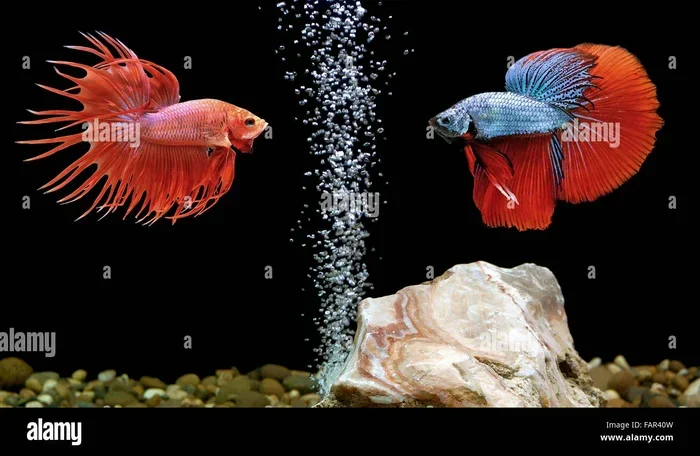
The male should have bright, vivid colors. His fins should be long and flowing. He should build a bubble nest when ready. A healthy male shows interest in the female without being overly aggressive. Look for a fish that is active and alert.
What to Look for in a Female
The female should have a visible egg spot on her underside. Her body should be plump but not overly thin. She should show a white breeding stripe on her body. A healthy female will have a good appetite and smooth scales. Avoid fish with torn fins or dull coloring.
Before introducing them, it helps to find female betta fish ready to breed at a reputable source. Healthy stock makes the entire process smoother.
Setting Up the Breeding Tank
A proper breeding tank makes all the difference. You do not want to breed your bettas in a large community tank. A small, dedicated tank gives you control over conditions. This is a core part of the Thai breeding approach.
Use a tank that is at least 10 gallons. This gives the fish enough room to feel comfortable. Fill the tank with water that is dechlorinated and free of contaminants. If you are unsure about your water source, learn how to prepare water for a betta fish before starting the breeding process.
Water Temperature and Conditions
The ideal breeding temperature is between 78 and 82 degrees Fahrenheit. Thai breeders keep their water warm and stable. Use a reliable heater and a thermometer to monitor the temperature. The water should be slightly soft with a pH around 6.5 to 7.0.
Adding the Right Decorations
Add plenty of live or silk plants to the tank. The female needs places to hide. Floating plants are especially important because the male will use them to anchor his bubble nest. Avoid sharp decorations that could injure the fish. A simple setup works best for breeding.
Some breeders also add a sponge filter for gentle water flow. This keeps the water clean without creating strong currents. A calm environment reduces stress for both fish.
The Conditioning Phase
Conditioning is where the Thai method really shines. This phase lasts about two weeks before you introduce the pair. During this time, you feed the fish a rich, high-quality diet. The goal is to bring both fish into peak breeding condition.
Feed the male and female separately at first. Use live or frozen foods like brine shrimp and bloodworms. These foods are packed with protein and nutrients. They help the female produce healthy eggs. They also help the male build a strong bubble nest.
Feeding Schedule During Conditioning
- Feed small amounts 2 to 3 times per day.
- Use a mix of live, frozen, and high-quality pellets.
- Avoid overfeeding. Remove uneaten food after 5 minutes.
- Gradually increase the food quantity as the fish condition up.
During conditioning, keep the water pristine. Perform small water changes of about 10 to 15 percent every other day. Clean water supports healthy egg development and strong fry later on.
The Spawning Process
Once both fish are conditioned, it is time to introduce them. This is an exciting but delicate moment. Watch the fish closely for signs of aggression. A little flaring is normal. But if the chasing becomes too intense, separate them immediately.
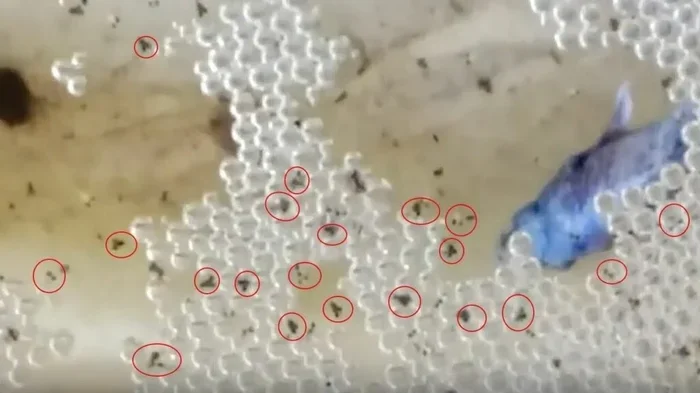
The male will start building a bubble nest on the surface. This is a clear sign that he is ready to breed. The nest looks like a cluster of tiny bubbles. A healthy bubble nest means the male is in good breeding condition.
How the Spawning Works
When the female is ready, she will show vertical stripes on her body. She will also flare at the male. The male will wrap his body around the female to collect the eggs. This process may repeat several times. Each wrap produces a small batch of eggs.
After spawning, the male will gather the eggs and place them in the bubble nest. Remove the female carefully at this point. The male will guard the nest and the eggs alone. He may become aggressive, so handle him gently.
Learning more about how to breed betta fish through general guides can also help you understand the spawning behavior better. The Thai way builds on these fundamentals with extra attention to detail.
After Spawning Care
Keep the tank lights dim during this period. The male needs a calm environment to tend to the eggs. He will pick up any eggs that fall from the nest. Do not disturb the tank during the first 24 to 48 hours. The male is doing critical work.
The eggs will hatch in about 24 to 72 hours. You will notice tiny fry swimming in the tank once they are free. At this point, remove the male carefully. He may eat the fry if left too long. A gentle net works best for this task.
Raising Betta Fry the Thai Way
Raising betta fry is a rewarding challenge. Thai breeders start the fry in very small containers. This keeps the water quality easy to manage. The fry are extremely tiny at birth. They need infusoria or liquid fry food for the first few days.
As the fry grow, you can gradually introduce baby brine shrimp. This is the Thai way of building strong, healthy fish from day one. Feed the fry small amounts multiple times a day. Overfeeding is a common mistake that can foul the water quickly.
Water Changes for Fry
Perform tiny water changes every day. Use a turkey baster or pipette to remove debris. Replace the water with aged, dechlorinated water at the same temperature. Clean water is the single most important factor in fry survival.
Keep the fry containers in a warm, quiet area. Avoid sudden temperature changes. The fry are very sensitive during their first weeks. Stability is your best friend at this stage.
When to Separate Fry by Size
As the fry grow, you will notice size differences. Separate them by size to prevent larger fry from eating smaller ones. Use small cups or containers for each group. This simple step dramatically improves your overall survival rate.
By the time the fry are about one month old, they will start to show their colors. This is a thrilling moment for any breeder. You will begin to see the beautiful fins and vibrant hues that make bettas so special.
Common Mistakes to Avoid
Even experienced breeders make mistakes. Here are the most common ones to watch out for:
- Skipping the conditioning phase. This leads to weak eggs and poor fry development.
- Using the wrong water temperature. Too cold or too hot can prevent spawning entirely.
- Leaving the female in the tank too long. The male may harm her after spawning.
- Overfeeding the fry. This causes water quality to crash quickly.
- Disturbing the bubble nest. The male needs peace to care for the eggs properly.
- Breeding fish that are too young or too old. Always choose fish in their prime.
Avoiding these mistakes will save you time, effort, and heartache. The Thai approach teaches us that preparation and patience always win.
Expert Tips for Better Results
Here are some pro tips that Thai breeders swear by:
- Use a mirror briefly to stimulate the male to build a bubble nest.
- Keep a log of each breeding pair and their results.
- Choose fish from different bloodlines to maintain genetic diversity.
- Quarantine new fish before introducing them to your breeding stock.
- Observe the fish daily and note any changes in behavior or appearance.
These small habits add up over time. They help you refine your technique and produce better fish with each generation. The Thai way is all about continuous improvement and respect for the fish.
Conclusion
Breeding betta fish the Thai way is a deeply rewarding experience. It teaches you patience, observation, and respect for the fish. By following the conditioning process, setting up the right tank, and caring for your fry properly, you can achieve excellent results. The key is to take your time and enjoy the journey.
Remember that every breeding attempt is a learning opportunity. Even experienced Thai breeders have off days. What matters is that you keep improving your methods. With the right knowledge and a little practice, you will be breeding beautiful betta fish like a pro in no time.
Start with healthy fish, keep your water clean, and give your fish the attention they deserve. The Thai way of breeding bettas is not just a method. It is a philosophy that values quality, care, and dedication. Apply these principles and watch your breeding efforts thrive.
Frequently Asked Questions
How long does it take to breed betta fish the Thai way?
The full process takes about 4 to 6 weeks from conditioning to free-swimming fry. The conditioning phase alone lasts 2 weeks. Spawning happens a few days after introduction, and the fry become free-swimming within 3 days after hatching.
What is the best temperature for breeding betta fish?
The ideal breeding temperature is between 78 and 82 degrees Fahrenheit. Thai breeders maintain stable temperatures in this range. A reliable aquarium heater and thermometer are essential tools for consistent results.
How many fry can you expect from one spawning?
A single spawning can produce anywhere from 50 to 300 fry depending on the female’s size and health. Thai breeders note that well-conditioned females tend to produce more eggs. Survival rates improve dramatically with proper fry care.
Do I need a separate tank for breeding?
Yes, a dedicated breeding tank is highly recommended. It gives you control over water conditions and protects both the adult fish and the fry. A 10-gallon tank works well for most betta breeding setups.
Can I breed betta fish in a bowl?
While possible, a dedicated breeding tank is far more effective. Bowls are too small to maintain stable water conditions during the breeding process. Thai breeders always use proper tanks for the best outcomes.
What should I feed betta fry?
Feed betta fry infusoria or liquid fry food for the first week. After that, introduce baby brine shrimp as a staple food. Feed small amounts 3 to 4 times a day and remove any uneaten food promptly.