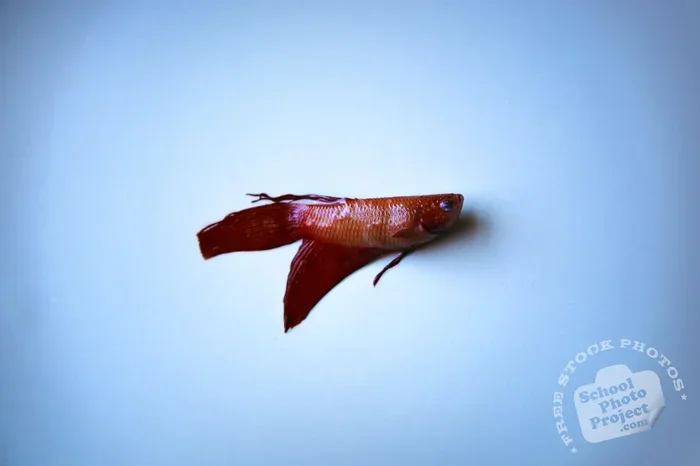
Why Is My Betta Fish Always Sleeping

Betta fish often appear to be sleeping, but prolonged inactivity can signal stress, poor water conditions, or illness. This guide explains the reasons behind constant rest, how to spot warning signs, and practical steps to revive your betta’s energy. Follow the tips to create a thriving environment that encourages natural, healthy behavior.
Key Takeaways
- Normal rest vs. excessive sleep: Betta fish naturally rest, but constant inactivity may indicate problems.
- Water quality is crucial: Bad parameters are a top cause of lethargy.
- Temperature matters: Too cold or too hot water can slow metabolism.
- Diet and feeding schedule: Over‑feeding or poor nutrition can make a betta sluggish.
- Stress triggers: Aggressive tank mates, bright lights, and lack of hiding spots affect energy.
- Health checks: Look for fin rot, parasites, or swim‑bladder issues when sleep seems abnormal.
- Action plan: Simple steps—test water, adjust temperature, enrich the tank—to bring back a lively betta.
📑 Table of Contents
- Introduction: When “Sleepy” Becomes a Concern
- 1. Natural Rest Patterns of Betta Fish
- 2. Water Quality: The Silent Saboteur
- 3. Temperature Troubles: Too Hot or Too Cold?
- 4. Feeding Habits and Nutrition
- 5. Stress Factors in the Tank
- 6. Health Problems That Mimic Sleep
- Putting It All Together: A 7‑Day Action Plan
- Conclusion: Sleep Is Natural, Excess Is Not
Introduction: When “Sleepy” Becomes a Concern
Imagine you come home after a long day and find your betta fish floating near the surface, barely moving. At first, you might think, “He’s just napping.” Betta fish do rest, but if the sluggish behavior lasts all day, every day, it can be a red flag. Understanding why is my betta fish always sleeping is the first step toward a healthier, more active pet.
In this article we’ll walk through the most common reasons for excessive sleep‑like behavior, show you how to spot hidden health issues, and give you a clear, step‑by‑step plan to restore vitality. Think of it as a friendly chat over a cup of tea—simple language, practical tips, and plenty of reassurance.
1. Natural Rest Patterns of Betta Fish
What does “sleep” look like?
Betta fish don’t have eyelids, so they don’t close their eyes. Instead, they enter a state of reduced activity called “rest.” During rest, they often hover near the surface, find a plant leaf, or rest on a decoration. Their gill movements slow, but they remain alert enough to respond to sudden changes.

Visual guide about Why Is My Betta Fish Always Sleeping
Image source: bikes4sale.in
How long should a normal rest period last?
In a well‑maintained tank, a healthy betta will rest for about 6–8 hours a day, usually split into several short bouts. If you notice your fish staying motionless for longer stretches—especially during feeding times—it’s time to investigate further.
2. Water Quality: The Silent Saboteur
Why water matters more than you think
Betta fish are highly sensitive to ammonia, nitrite, and nitrate spikes. Even a slight increase can cause lethargy, making your fish appear as if it’s always sleeping. Regular testing with a reliable kit is essential.

Visual guide about Why Is My Betta Fish Always Sleeping
Image source: theanglosaxons.com
Key parameters to monitor
- Ammonia (NH₃): Should be 0 ppm.
- Nitrite (NO₂⁻): Should be 0 ppm.
- Nitrate (NO₃⁻): Below 20 ppm for bettas.
- pH: Between 6.5 and 7.5.
- Temperature: 76–82 °F (24–28 °C).
Quick water‑fix checklist
1. Perform a 25‑30 % water change every week.
2. Use a water conditioner to neutralize chlorine and chloramines.
3. Keep the tank covered to prevent rapid temperature loss.
If you’ve been ignoring water tests, correcting these basics often revives a sluggish betta within a day or two.
3. Temperature Troubles: Too Hot or Too Cold?
Metabolism and temperature connection
Betta fish are tropical; their metabolism speeds up in warm water and slows down when it’s cool. If the tank is below 76 °F, your betta may conserve energy by resting more often.

Visual guide about Why Is My Betta Fish Always Sleeping
Image source: d2o4rrq92x9csx.cloudfront.net
How to maintain the perfect range
- Invest in an adjustable heater with a reliable thermostat.
- Place the heater near a water flow source for even distribution.
- Use a digital aquarium thermometer to check spots near the surface and bottom.
When temperature fluctuations are the culprit, you’ll notice the fish becoming more active after a few hours of stable warmth.
4. Feeding Habits and Nutrition
Over‑feeding vs. under‑feeding
Both extremes can lead to lethargy. Over‑feeding creates excess waste, worsening water quality, while under‑feeding deprives the fish of essential nutrients, causing weakness.
What to feed and how often
Offer high‑quality betta pellets or frozen/brine shrimp 2–3 times daily, only as much as the fish can consume in 2‑3 minutes. Rotate protein sources to provide a balanced diet.
Link to related issue
If your betta also refuses food, see our guide on why is my betta fish not eating for deeper insight.
5. Stress Factors in the Tank
Tank mates and aggression
Betta fish are territorial. Even a peaceful community tank can cause stress if the betta feels threatened, leading to prolonged rest as a coping mechanism.
Lighting and décor
Bright, constant lighting can exhaust a betta. Provide a day/night cycle—8–10 hours of light, 14–16 hours of darkness. Adding live or silk plants gives hiding spots, reducing anxiety.
Connection to other behavior issues
Stress often shows up as other odd behaviors. For example, a stressed betta might start floating sideways. Learn more in why is my betta fish floating sideways.
6. Health Problems That Mimic Sleep
Common illnesses causing lethargy
- Fin rot: Fins appear ragged, and the fish rests to avoid pain.
- Swim bladder disorder: Difficulty staying upright leads to “sleepy” floating.
- Internal parasites: Energy drains as the parasite feeds.
How to spot the signs
Look for discolored or frayed fins, abnormal buoyancy, loss of appetite, or white patches on the body. If any of these appear, consult a vet or an experienced hobbyist.
When to seek help
If your betta shows multiple symptoms—lethargy plus fin damage or loss of color—visit the article is my betta fish dying for a detailed checklist.
Putting It All Together: A 7‑Day Action Plan
Day 1: Test and Tweak
Use a liquid test kit. Record ammonia, nitrite, nitrate, pH, and temperature. Adjust heater if needed, and do a 25 % water change.
Day 2: Feed Smart
Offer a measured portion of high‑quality pellets and a small amount of frozen brine shrimp. Remove any uneaten food after 5 minutes.
Day 3: Enrich the Environment
Add a silk leaf or a small piece of live plant. Dim the lights for 12 hours to simulate night.
Day 4: Observe and Record
Note how long the betta rests each day. Compare with previous days. Look for any new physical changes.
Day 5: Check for Stress Triggers
If you have other fish, ensure the betta’s territory is respected. Consider a divider if aggression is suspected.
Day 6: Re‑test Water
Confirm parameters are stable. If nitrate is still high, increase water change frequency.
Day 7: Evaluate Health
If the betta is more active, you’ve likely solved the problem. If not, it may be time to treat for disease or seek professional advice.
Conclusion: Sleep Is Natural, Excess Is Not
Betta fish need rest, but constant inactivity usually signals something off in their environment or health. By checking water quality, temperature, diet, stressors, and possible illnesses, you can quickly turn a sleepy betta into a vibrant, curious swimmer. Remember, small, consistent changes often make the biggest difference. Keep an eye on your fish, enjoy the process, and soon you’ll be answering the age‑old question with confidence: “Why is my betta fish always sleeping?” – because you’ve created the perfect home for him to thrive.
Frequently Asked Questions
Why does my betta fish stay near the surface all day?
Staying near the surface can indicate low oxygen, poor water quality, or a desire for warmer water. Test the tank and adjust temperature if needed.
Can lighting affect my betta’s sleep patterns?
Yes. Constant bright light can overstimulate a betta, causing it to rest more. Provide a regular day/night cycle with 8‑10 hours of light.
Is it normal for a betta to float upside down?
Floating upside down is usually a sign of swim‑bladder trouble, not just sleep. See our guide on why is my betta fish floating sideways for details.
My betta isn’t eating and seems sleepy. What should I do?
First, check water parameters and temperature. If they’re fine, try offering live or frozen foods. Persistent loss of appetite may need a health assessment.
How often should I change the water to prevent lethargy?
A 25‑30 % water change weekly is a good rule. Increase frequency if nitrate levels rise or if you notice signs of stress.
Can a betta’s age cause it to sleep more?
Older bettas may move slower, but they should still be active for short periods. If an older fish becomes unusually lethargic, check for illness or water issues.