Why Is My Female Betta Fish Bloated
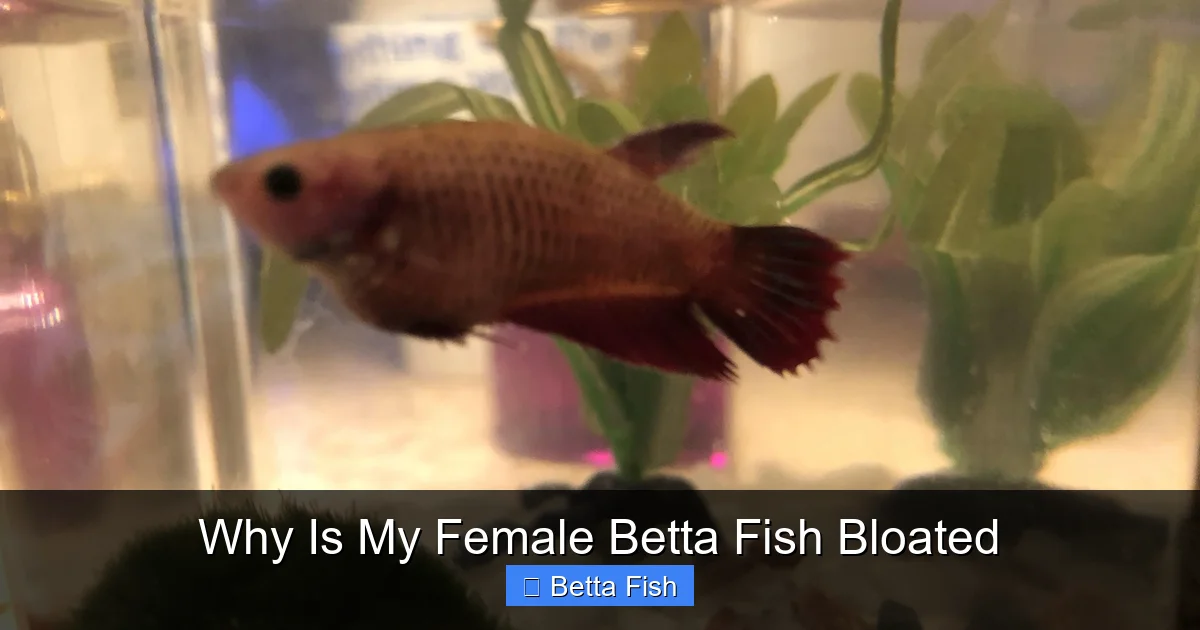
Seeing a swollen belly on your female betta can be scary, but it’s often a sign of a treatable problem. Learn the top reasons behind the bloating, how to spot warning signs, and quick actions you can take to help your fish feel better again.
Key Takeaways
- Common culprits: constipation, swim bladder disorder, internal parasites, and over‑feeding are the leading causes of a bloated female betta.
- Spot the signs: look for a rounded abdomen, floating issues, loss of appetite, and changes in behavior.
- Immediate help: fasting, offering peas, and adjusting water parameters can often reverse mild bloating.
- When to seek veterinary help: rapid swelling, ulcerated belly, or sudden death require professional attention.
- Prevention matters: a balanced diet, regular water changes, and a stress‑free environment keep bloating at bay.
- Related issues: bloating can be linked to swim‑bladder problems, so read about why is my betta fish floating sideways for more insight.
- Female‑specific tips: females may be more prone to egg‑related swelling; proper breeding practices help avoid this.
📑 Table of Contents
Introduction: When Your Betta Looks Like a Balloon
Imagine you’re checking on your beautiful female betta and notice her belly looks like a tiny beach ball. Your first thought might be, “Is she going to explode?” While the image is funny, a swollen abdomen is a serious signal that something inside isn’t right. Female bettas, like all fish, can develop bloating for many reasons – some easy to fix at home, others that need a vet’s help.
In this guide we’ll walk through the most common causes, the symptoms you should watch for, and step‑by‑step actions you can take right now. By the end you’ll feel confident that you can spot a problem early, treat it effectively, and keep your betta happy and healthy.
1. Understanding What “Bloated” Really Means
What does “bloated” look like?
A bloated betta has a visibly distended abdomen that may appear rounded, swollen, or even “puffy.” The skin can look stretched, and the fish may have trouble swimming straight. In severe cases the belly can press against the spine, causing a crooked posture.
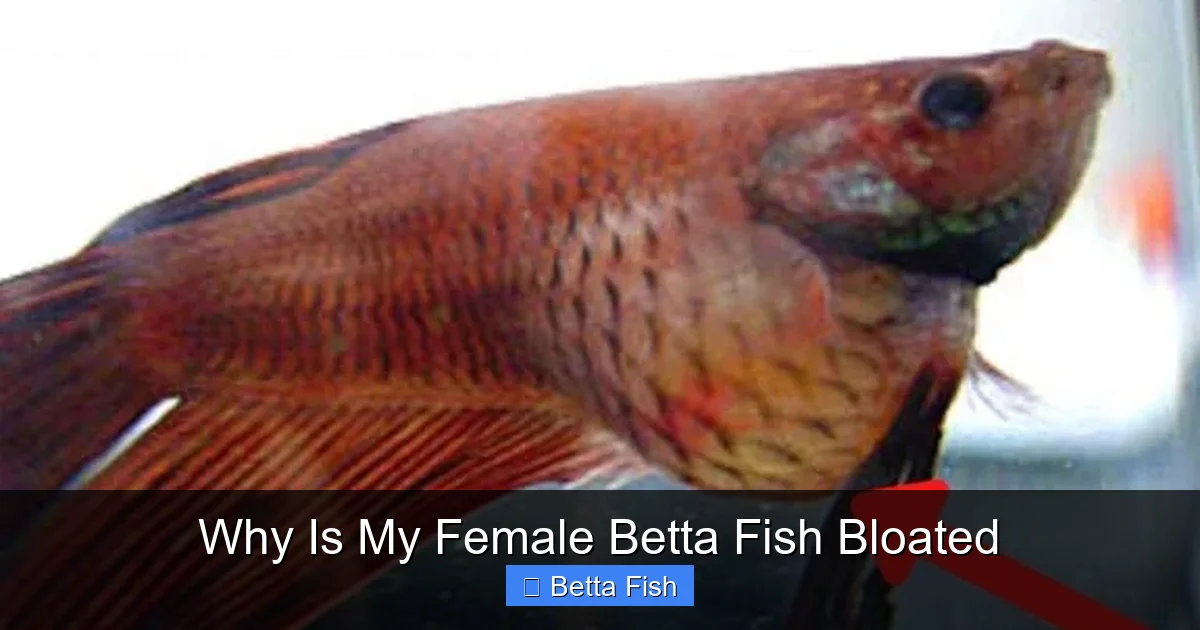
Visual guide about Why Is My Female Betta Fish Bloated
Image source: infishtank.com
Why is the term important?
“Bloated” is a symptom, not a disease. It tells you that fluid, gas, or solid matter has built up inside the body cavity. The underlying cause can be nutritional, infectious, or environmental.
2. The Most Common Causes of Female Betta Bloating
2.1 Constipation and Over‑Feeding
Betta fish love to eat, and it’s easy to over‑feed them with pellets or frozen foods. When too much food sits in the gut, it can harden and block the digestive tract. The result is a swollen belly and often a “puffed up” look.

Visual guide about Why Is My Female Betta Fish Bloated
Image source: lego.com
- Signs: fish refuses food, floats belly‑up, or swims erratically.
- Solution: fast the fish for 24‑48 hours, then give a peeled green pea (softened and mashed) to act as a natural laxative.
2.2 Swim Bladder Disorder (SBD)
The swim bladder is a gas‑filled organ that lets a fish maintain depth. If it fills with too much or too little gas, the fish may appear bloated and have trouble staying upright. SBD often follows a sudden change in diet or water quality.
- Signs: floating sideways, floating to the surface, or sinking to the bottom.
- Solution: adjust feeding habits, keep water temperature stable (78‑80 °F), and consider a gentle water change to improve oxygen levels.
For more on floating issues, see our article on why is my betta fish floating sideways.
2.3 Internal Parasites
Protozoan or fluke parasites can invade the gut, causing inflammation and fluid buildup. Female bettas are especially vulnerable when stressed or kept in dirty water.
- Signs: loss of appetite, weight loss despite a swollen belly, and sometimes a milky “cloudy” look to the eyes.
- Solution: treat with a reputable anti‑parasitic medication such as metronidazole, following the dosage instructions carefully.
2.4 Egg‑Related Swelling (Gravid Betta)
Female bettas that are ready to spawn can look rounder as their eggs develop. This is normal, but if the eggs become infected or the fish is unable to release them, the swelling can become dangerous.
- Signs: a smooth, uniform roundness, occasional “spawning” behavior, and a calm demeanor.
- Solution: provide a breeding tank with fine‑leaf plants or spawning mops. If the fish shows signs of distress, consult a vet for possible egg‑removal.
2.5 Bacterial or Fungal Infections
Severe infections can cause fluid to leak into the body cavity (ascites). This is less common but can happen after an injury or when water quality is poor.
- Signs: cloudy or milky abdomen, lethargy, and sometimes a foul smell.
- Solution: improve water quality immediately, add a broad‑spectrum antibacterial treatment, and monitor closely.
3. How to Diagnose the Problem at Home
3.1 Observe Behavior and Appearance
Take note of swimming patterns, appetite, and any changes in color. A bloated betta that is still active and eating may only have constipation, while a lethargic, not‑eating fish could be battling infection.

Visual guide about Why Is My Female Betta Fish Bloated
Image source: pbs.twimg.com
3.2 Check Water Parameters
Bad water is a silent killer. Test for ammonia, nitrite, nitrate, and pH. Ideal ranges for bettas are:
- Ammonia: 0 ppm
- Nitrite: 0 ppm
- Nitrate: < 20 ppm
- pH: 6.5‑7.5
- Temperature: 78‑80 °F (25‑27 °C)
If any values are off, perform a partial water change (25‑30 %) and clean the substrate.
3.3 Perform a Simple Fasting Test
Stop feeding for 24‑48 hours. If the belly starts to shrink after the fast, constipation was likely the cause. Re‑introduce food slowly with high‑fiber options like peas.
3.4 When to Seek Professional Help
If the swelling worsens after 48 hours, the fish shows signs of pain (pressing against the glass), or you notice ulcers, it’s time to consult an aquatic veterinarian.
4. Step‑By‑Step Treatment Plan
4.1 Immediate Actions (First 24 Hours)
- Fast the fish: remove all food.
- Check water: test and correct any out‑of‑range parameters.
- Increase aeration: add a gentle air stone to boost oxygen.
4.2 Gentle Gut Cleanser (24‑72 Hours)
Prepare a peeled green pea:
- Boil the pea for 3 minutes.
- Cool, peel, and mash it into a small paste.
- Place a tiny amount on a petri dish at the water surface.
- Allow the betta to nibble for 15‑20 minutes.
This fiber helps move stuck food through the digestive tract.
4.3 Medication for Parasites or Bacterial Issues
If you suspect parasites, follow the label of a betta‑safe anti‑parasitic. For bacterial infections, use a broad‑spectrum antibiotic like Maracyn. Always complete the full course.
4.4 Long‑Term Prevention
- Feed small portions 2‑3 times a day; only what can be eaten in 2 minutes.
- Rotate protein sources (pellets, frozen brine shrimp, daphnia).
- Perform weekly 25 % water changes.
- Keep the tank covered to reduce stress and prevent jumps.
- Provide enrichment (plants, hiding spots) to lower aggression and stress.
5. Special Considerations for Female Bettas
5.1 Egg‑Related Swelling vs. Dangerous Bloating
Not every round belly means trouble. If your female is calm, not eating poorly, and shows spawning behavior, the swelling may simply be eggs. However, if the abdomen is hard, the fish is frantic, or the skin looks stretched thin, intervene quickly.
5.2 Breeding Tips to Avoid Bloated Eggs
Set up a separate breeding tank with fine‑leaf plants or a spawning mop. Keep water temperature at 80 °F and a pH of 7.0‑7.2. After spawning, move the female to a recovery tank to prevent her from eating the eggs, which can cause further digestive distress.
5.3 Interaction with Other Bettas
Female bettas can be territorial, especially when gravid. If you keep more than one, watch for signs of fighting. For more on female aggression, read why are my female betta fish fighting.
Conclusion: Keep an Eye on the Balloon
A bloated female betta is a call to action, not a death sentence. By understanding the common culprits—constipation, swim bladder issues, parasites, egg‑related swelling, and infections—you can quickly diagnose and treat the problem. Simple home remedies like fasting and peas often work, while serious cases need medication or a vet’s expertise.
Remember, prevention is the best medicine. Feed wisely, maintain clean water, and give your betta a stress‑free environment. With attentive care, your beautiful fish will bounce back from a bloated belly and continue to dazzle you with her vibrant colors and graceful fins.
Frequently Asked Questions
Why is my female betta fish bloated after eating?
Over‑feeding can cause food to sit in the gut and harden, leading to constipation and a swollen abdomen. Fasting and offering a peeled pea often resolves the issue.
Can swim bladder disorder make my betta look bloated?
Yes. An imbalanced swim bladder can cause the fish to float unnaturally and appear puffy. Adjusting diet and water conditions usually helps.
How do I know if the bloating is from eggs?
If the fish is calm, shows spawning behavior, and the belly is uniformly round, it’s likely egg‑related swelling. Provide a breeding tank to let her release the eggs safely.
What water parameters should I check when my betta is bloated?
Test ammonia, nitrite, nitrate, pH, and temperature. Keep ammonia and nitrite at 0 ppm, nitrate below 20 ppm, pH between 6.5‑7.5, and temperature at 78‑80 °F.
When should I take my betta to a vet?
Seek professional help if the swelling worsens after 48 hours, the fish shows ulcers, stops moving, or you see signs of infection such as cloudy eyes or foul water.
Can poor tank mates cause my female betta to bloat?
Stress from aggressive tank mates can weaken the immune system, making the fish more prone to constipation and infection, which can lead to bloating. Keep her with compatible companions or in a solo tank.