Seeing your betta fish lie flat can be worrisome, but it’s often a sign of a simple problem you can solve at home. This guide explains the top reasons—stress, water quality, illness, and more—so you can act fast and restore your fish’s vitality.
Key Takeaways
- Water quality matters: Poor parameters are the #1 reason bettas lie down.
- Stress triggers: Over‑crowding, aggressive tank mates, and sudden changes can make a betta rest on the bottom.
- Health checks are vital: Look for signs of disease, fin rot, or swim‑bladder issues.
- Temperature is critical: Betta’s ideal range is 76‑82°F (24‑28°C).
- Diet and feeding: Over‑feeding or low‑quality food can cause digestive problems that lead to a laid‑back fish.
- Simple fixes work: A water change, heater adjustment, or a quick tank clean often solves the problem.
- When to seek help: If the fish shows multiple symptoms, consult a vet or experienced hobbyist.
📑 Table of Contents
- Introduction: When Your Betta Looks Like It’s Taking a Nap
- 1. Water Quality – The Silent Culprit
- 2. Stress Factors – When the Tank Feels Like a Bad Day
- 3. Health Problems – Illness Can Make a Betta Lay Flat
- 4. Temperature Troubles – Too Cold, Too Hot, or Fluctuating
- 5. Feeding Issues – When Food Becomes a Problem
- 6. Tank Setup Mistakes – The Environment You May Have Overlooked
- 7. When to Seek Professional Help
- Conclusion: Turning the Tide for a Happy Betta
Introduction: When Your Betta Looks Like It’s Taking a Nap
Betta fish are known for their flashy fins and bold personalities. So when you spot your little warrior lying flat at the bottom of the tank, it can feel like a punch to the gut. Is your betta sick? Did you do something wrong? The good news is that “laying down” is a symptom, not a disease. By understanding the why, you can often fix the issue in minutes.
In this article we’ll walk through the most common reasons a betta fish always lays down, how to spot warning signs, and step‑by‑step actions you can take. We’ll also link to related topics—like why bettas float sideways or why the water turns cloudy—so you have a full toolbox for a happy, healthy fish.
1. Water Quality – The Silent Culprit
Why water matters
Betta fish are very sensitive to the chemistry of their environment. Bad water can make them feel weak, causing them to rest on the tank floor. The main parameters to watch are:
- Ammonia & Nitrite: Even low levels can irritate gills.
- Nitrate: Above 20 ppm, bettas become lethargic.
- pH: Ideal range is 6.5–7.5; rapid swings stress the fish.
- Temperature: Below 76°F (24°C) slows metabolism, leading to a “lying down” posture.
Quick water‑test routine
1. Test weekly with a liquid test kit.
2. If ammonia or nitrite >0 ppm, do a 25 % water change immediately.
3. Adjust temperature with a reliable heater.
Practical tip
Use a partial water change (about 30 %) every week. This keeps nitrate low and removes dissolved organics that can cloud the water. If you notice cloudiness, read our guide on why is my betta fish water cloudy for deeper troubleshooting.
2. Stress Factors – When the Tank Feels Like a Bad Day
Common stressors
Betta fish are solitary by nature. Anything that feels crowded or threatening can make them curl up and rest on the bottom. Look for:
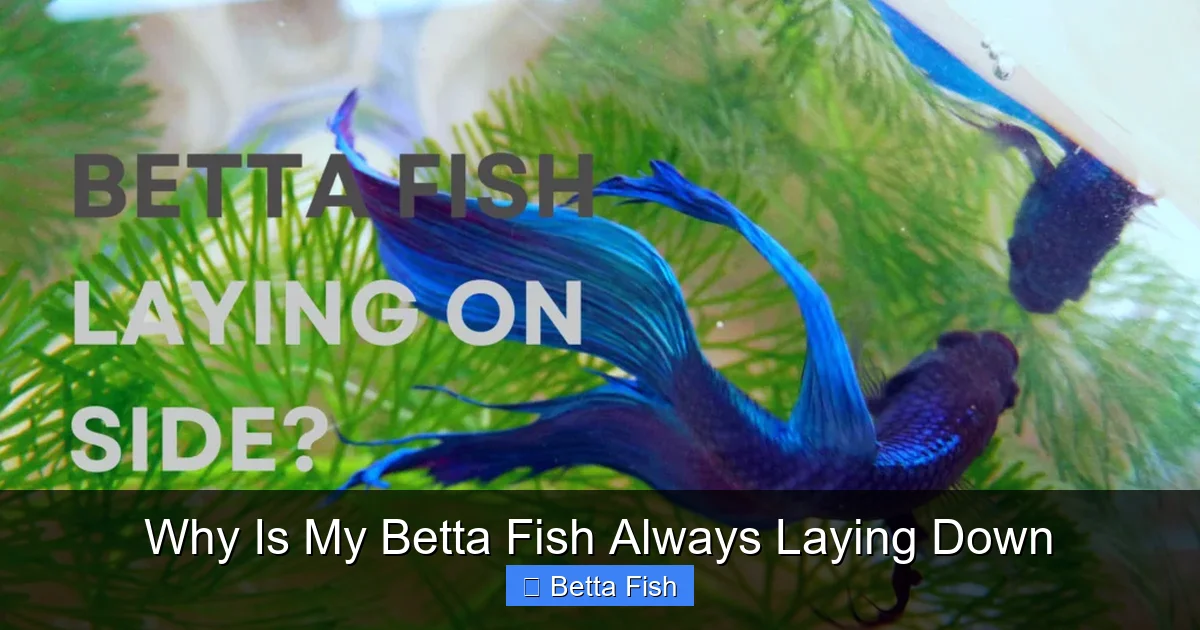
Visual guide about Why Is My Betta Fish Always Laying Down
Image source: fishkeepedia.com
- Too many decorations that restrict swimming space.
- Aggressive tank mates (even other bettas in a community tank).
- Sudden changes in lighting or temperature.
- Noise and vibrations from nearby appliances.
How to reduce stress
‑ Provide at least 2‑gal of water per fish.
‑ Keep the tank lid closed to reduce external disturbances.
‑ Use a gentle LED light on a 12‑hour cycle.
‑ Add live plants or silk plants for hiding spots.
Related issue
If your betta seems to float sideways or has trouble staying upright, see our article on why is my betta fish floating sideways for clues about swim‑bladder problems that often stem from stress.
3. Health Problems – Illness Can Make a Betta Lay Flat
Swim‑bladder disorder
The swim bladder is a tiny organ that helps the fish stay buoyant. If it’s damaged or infected, the betta may rest on the bottom, appear upside‑down, or “lay down.” Common causes include over‑feeding, constipation, or bacterial infection.

Visual guide about Why Is My Betta Fish Always Laying Down
Image source: livedoor.blogimg.jp
Signs of swim‑bladder trouble
- Fish floats at an odd angle.
- Swims upside‑down or stays at the surface.
- Loss of appetite.
Treatment tips
‑ Fast for 24 hours, then offer a small amount of peeled, cooked peas to help clear the gut.
‑ Ensure water is clean and temperature is stable.
‑ If symptoms persist, consider a probiotic supplement.
Other illnesses to watch for
Fin rot, velvet disease, and fungal infections can also cause lethargy. Look for:
- Frayed or discolored fins.
- White, cotton‑like growths.
- Rapid breathing or gasping at the surface.
When you spot these signs, read is my betta fish dying for a deeper dive into emergency care.
4. Temperature Troubles – Too Cold, Too Hot, or Fluctuating
Ideal temperature range
Betta fish thrive at 76‑82°F (24‑28°C). Temperatures below 74°F slow metabolism, making the fish appear lazy and prone to lying down. Conversely, temperatures above 85°F increase stress and can lead to organ failure.
How to keep temperature steady
‑ Use a submersible aquarium heater with an adjustable thermostat.
‑ Place a thermometer in the tank to monitor daily.
‑ Avoid placing the tank near windows, radiators, or air‑condition vents.
What to do if temperature is off
Gradually adjust the heater by 1‑2°F per hour. Sudden changes can shock the fish and cause it to rest on the bottom.
5. Feeding Issues – When Food Becomes a Problem
Over‑feeding and poor diet
Betta fish have tiny stomachs. Feeding them more than they can eat in 2‑3 minutes leads to constipation, which can press on the swim bladder and make the fish lay down.
Best feeding practices
- Feed 2‑3 small pellets once or twice a day.
- Remove uneaten food after 5 minutes.
- Offer occasional treats like brine shrimp or daphnia.
- Rotate protein sources to prevent nutrient gaps.
When the fish won’t eat
If your betta refuses food for more than 48 hours, it may be sick. Check water quality first, then try a different food type. For more on loss of appetite, see why is my betta fish not eating.
6. Tank Setup Mistakes – The Environment You May Have Overlooked
Size and shape
Small bowls or jars limit swimming space and can cause a betta to rest on the bottom out of fatigue. A minimum of 2.5‑gal (10‑liter) tank is recommended.
Filtration and flow
Betas prefer gentle water movement. A strong current can make them expend extra energy, leading to a “laying down” posture. Use a low‑flow sponge filter or adjust the flow rate.
Decor and hiding spots
Provide smooth rocks, silk plants, and caves. Rough surfaces can damage delicate fins, causing the fish to hide and lie flat.
7. When to Seek Professional Help
Red flags
If your betta shows two or more of the following, it’s time to act fast:
- Rapid color loss or white patches on the body.
- Fins curling or falling off.
- Persistent floating or sinking despite water changes.
- Excessive mucus or ulcerated spots.
What to do
1. Quarantine the fish in a separate hospital tank.
2. Perform a 50 % water change with treated water.
3. Contact a veterinarian who specializes in fish or an experienced betta hobbyist.
Conclusion: Turning the Tide for a Happy Betta
Seeing your betta fish always laying down can be alarming, but most of the time the cause is something you can correct at home. Start by checking water quality, temperature, and feeding habits. Reduce stress by giving your fish enough space and a calm environment. Keep an eye out for signs of disease, and don’t hesitate to seek help if multiple symptoms appear.
With a little attention to the details above, your betta will likely perk up, swim proudly, and resume its vibrant, flaring displays. Remember, a healthy betta is a happy betta—so keep the tank clean, the water right, and the love flowing!
Frequently Asked Questions
Why is my betta fish laying down on its side?
Often this is a sign of swim‑bladder trouble or poor water quality. Check temperature, do a partial water change, and consider fasting for 24 hours.
Can temperature fluctuations cause my betta to lie flat?
Yes. Temperatures below 74°F (23°C) slow metabolism, making the fish rest on the bottom. Keep a stable heater set between 76‑82°F.
Is it normal for a betta to rest at the bottom after eating?
Occasionally a betta will pause after a meal, but prolonged lying down, especially with loss of appetite, suggests a problem.
How often should I change the water to prevent my betta from laying down?
A 20‑30 % water change weekly is ideal. If you notice cloudiness or spikes in ammonia, increase to 30‑50 %.
What should I do if my betta is both laying down and not eating?
First test the water. If parameters are good, fast the fish for 24 hours, then offer a small boiled pea. If there’s no improvement, seek veterinary advice.
Can aggressive tank mates make my betta lay down?
Yes. Even non‑aggressive fish can stress a betta. Provide plenty of hiding spots or keep the betta in a species‑only tank.

